
 By Lina Hope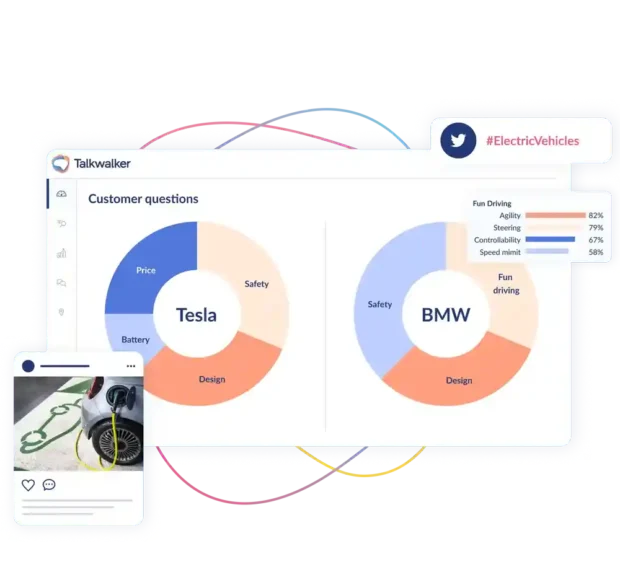
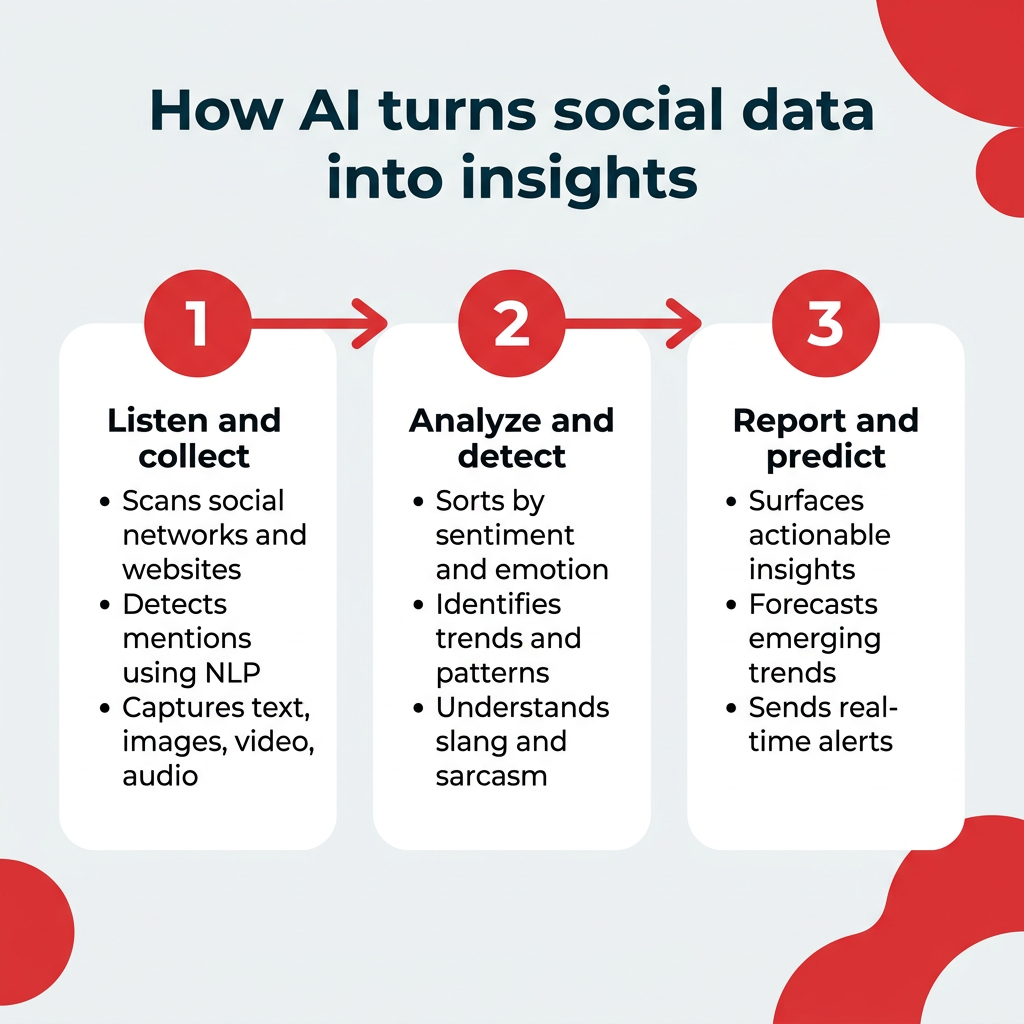
VANCOUVER – As the digital landscape enters 2026, the traditional boundaries of market research are being dismantled by a new generation of Artificial Intelligence (AI) social listening tools. What was once a reactive process of "keyword tracking" has evolved into a predictive, multimodal discipline that allows brands to understand not just what consumers are saying, but how they are feeling—and what they are likely to do next.
With 83% of B2C marketing executives now pursuing consolidated AI workflows, the shift from manual monitoring to automated intelligence represents a fundamental change in how global enterprises manage their reputation and product development.

Main Facts: The Evolution of Digital Audition
Social listening in 2026 is defined as the sophisticated application of AI to monitor social media channels, forums, blogs, and multimedia platforms for mentions of brands, products, competitors, and industry-wide trends. Unlike "social monitoring," which remains a tactical, reactive process of responding to individual customer service queries, AI social listening is strategic. It synthesizes millions of data points to inform long-term business decisions.
The core of this technology lies in Natural Language Processing (NLP). Modern tools no longer rely on exact keyword matches. Instead, they interpret context, nuance, and cultural shifts. For instance, the AI can now distinguish between a consumer saying a product is "sick" (meaning excellent in slang) versus "sick" (indicating a health concern or literal defect).

The Multimodal Frontier
The most significant advancement in 2026 is the rise of "visual and audio listening." As social media has shifted toward short-form video (TikTok, Reels) and ephemeral content, text-based tracking has become insufficient. Modern AI tools now scan:
- Visual Mentions: Detecting brand logos in the background of a video or on a t-shirt in a meme.
- Audio Mentions: Transcribing and analyzing mentions within podcasts and video voiceovers.
- Predictive Analytics: Forecasting the "peak" of a trend before it reaches mainstream saturation, allowing brands to enter conversations early.
Chronology: From Keyword Alerts to BlueSilk Intelligence
The trajectory of social listening has moved through four distinct eras:
- The Boolean Era (2005–2015): Marketers relied on "Boolean search" (AND/OR/NOT) to find exact matches. This was labor-intensive and frequently returned "noisy" or irrelevant data.
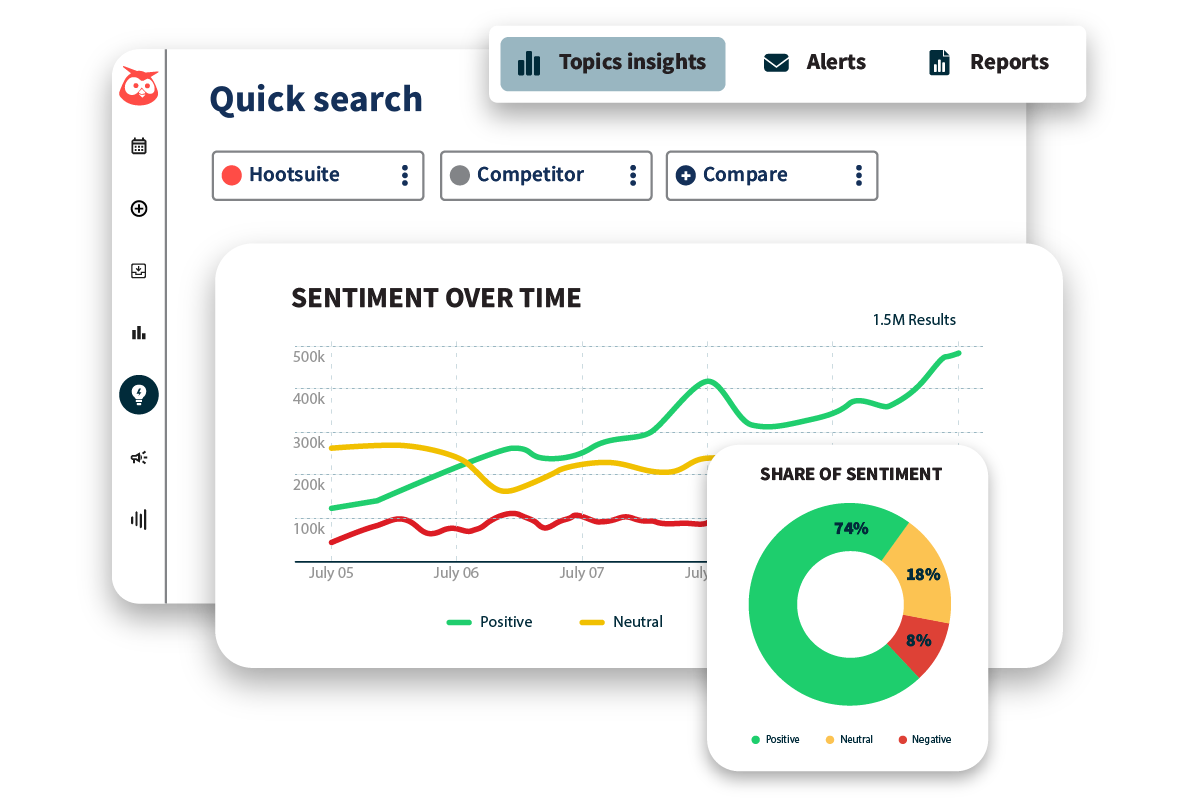
- The Sentiment Era (2016–2022): Tools began to categorize posts as "positive," "negative," or "neutral." However, these systems often struggled with sarcasm and localized slang.
- The Generative AI Explosion (2023–2025): The integration of Large Language Models (LLMs) like OpenAI allowed for better summarization of data. Brands began using AI to write responses, but the analysis was still largely text-centric.
- The Multimodal & Predictive Era (2026): Current systems, such as Hootsuite’s Talkwalker and its proprietary BlueSilk™ AI, have been trained on trillions of data points. They can now detect complex human emotions—such as frustration, excitement, or irony—across dozens of languages and media formats simultaneously.
Supporting Data: Efficiency as the ROI Driver
The business case for AI social listening is no longer theoretical; it is backed by significant efficiency gains and performance metrics. According to Gartner’s 2025 CMO Spend Survey, 49% of Chief Marketing Officers cited "improved time efficiency" as the primary ROI driver for Generative AI.
Case Study: Professional Sports Transformation
A prominent NBA team recently utilized Talkwalker by Hootsuite to bridge the gap between fan engagement and revenue. By consolidating social data, the team identified a significant fan preference for original, behind-the-scenes content over repurposed broadcast clips.
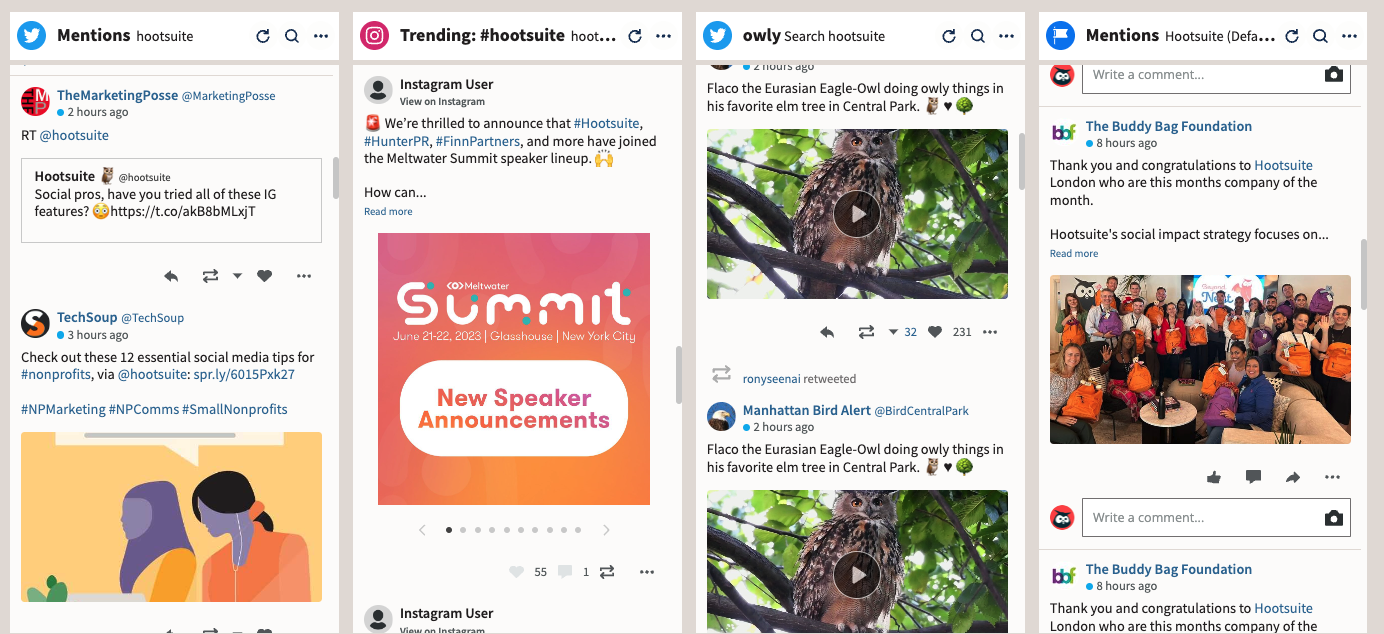
- The Result: A shift to 80% original content led to a 352% increase in video views season-over-season.
- Impact: Impressions grew by 46%, and sentiment analysis identified nine key emotional drivers that the team used to secure further investment for their digital department.
Market Consolidation
The industry is seeing a move toward "Social Suites." Forrester reports that the vast majority of B2C executives are moving away from "point solutions" (tools that only do one thing) in favor of dashboards that combine publishing, analytics, and listening. This consolidation reduces "data silos," where a customer service team might be unaware of a growing sentiment trend identified by the marketing team.
The Tool Landscape of 2026: A Comparative Analysis
As enterprises evaluate their tech stacks, several key players have emerged with specialized AI capabilities:

1. Hootsuite & Talkwalker
The integration of Talkwalker into the Hootsuite ecosystem has created a powerhouse for enterprise-level listening. It monitors over 30 social networks and 150 million websites. Its "BlueSilk AI" is notable for being a proprietary engine rather than a wrapper for third-party tech, offering deeper customization for specific industries.
2. Brandwatch
A leader in consumer research, Brandwatch processes over 500 million new conversations daily. It is the preferred choice for organizations requiring deep-dive historical data, with archives spanning billions of sources.
3. YouScan
YouScan has carved out a niche in "Visual Intelligence." Its AI can detect not just logos, but specific objects and scenes. For example, a beverage brand can use YouScan to see if people are consuming their product at the beach versus at a sporting event, providing invaluable context for advertising creative.
4. Sprinklr
Sprinklr remains the dominant force for Unified Customer Experience Management (Unified-CXM). It is designed for massive global brands that need to connect social listening directly to their call centers and CRM systems.

Official Responses and Expert Insights
Industry analysts suggest that the "human element" remains the most critical component of AI social listening. While AI can process the data, humans must still define the strategy.
"AI is our radar, not our captain," says one senior strategist at Hootsuite. "The tool can tell us that there is a 70% probability of a brand crisis based on a spike in negative sentiment in the UK market, but it takes a human team to decide whether the appropriate response is a formal statement or a lighthearted social post."
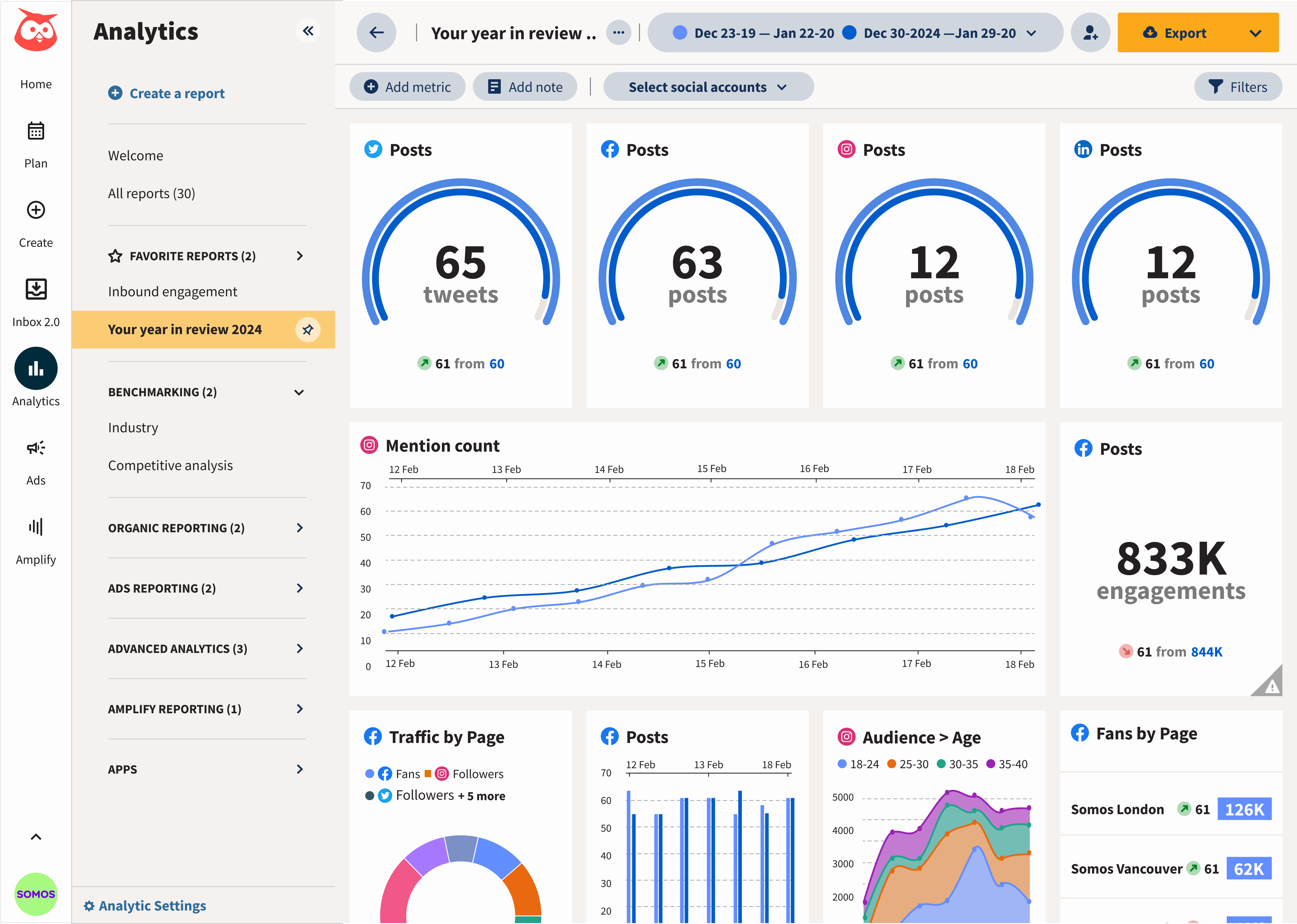
Furthermore, tech leaders emphasize the importance of "AI Query Builders." In the past, setting up a social listening project required technical expertise in Boolean logic. In 2026, natural language interfaces allow a marketing manager to simply type, "Show me what Gen Z thinks about our new sustainable packaging compared to our competitor’s," and the AI handles the complex query construction.
Challenges: The Noise and the Nuance
Despite the technological leaps, AI social listening faces three persistent challenges:
- Data Overload: The "firehose" of social data can still overwhelm teams. Advanced filtering is required to ensure that a brand like "Apple" isn’t getting data about the fruit when they want data about the iPhone.
- The Sarcasm Gap: While NLP has improved, the "irony barrier" remains. AI can still occasionally misinterpret a satirical post as a genuine complaint, requiring human oversight for high-stakes reporting.
- Privacy and Ethics: As AI tools become more "predictive," there are growing conversations around the ethics of consumer surveillance. Leading platforms are responding by ensuring all data collection is compliant with evolving global privacy laws like GDPR and CCPA.
Implications: The Future of Proactive Brand Management
The transition to AI-driven social listening has profound implications for the future of business:
1. Real-Time Product Development: Brands are no longer waiting for quarterly focus groups. They are using social listening to identify "product gaps" in real-time. If consumers on Reddit are consistently complaining about a specific feature of a vacuum cleaner, R&D teams can begin working on a fix within days.

2. Precision Influencer Marketing: AI now ranks influencers by "impact" rather than just "follower count." By analyzing who actually drives conversations and sentiment shifts, brands can spend their budgets more effectively on micro-influencers who have genuine authority.
3. Crisis Pre-emption: The "Golden Hour" of crisis management has become the "Golden Minute." AI alerts now notify PR teams of sentiment anomalies before a topic even trends, allowing for "pre-emptive" strikes that can save millions in brand equity.

4. Real-Time Campaign Optimization: Marketing campaigns are no longer "set and forget." In 2026, if a hashtag campaign is being misinterpreted or "hijacked," AI tools allow marketers to pivot their messaging mid-stream, ensuring maximum effectiveness.
Conclusion
As we move further into 2026, the brands that "listen" will be the ones that lead. The move from traditional keyword tracking to AI-powered sentiment and predictive analysis is not merely a technical upgrade; it is a shift toward a more empathetic and responsive form of capitalism. In a world where every consumer has a megaphone, the most successful companies will be those that use AI to truly hear what is being said in the digital crowd.
 Raul Delapena Setiawan
  Basiran
  Asro
Asro 