
 By Ali Ikhwan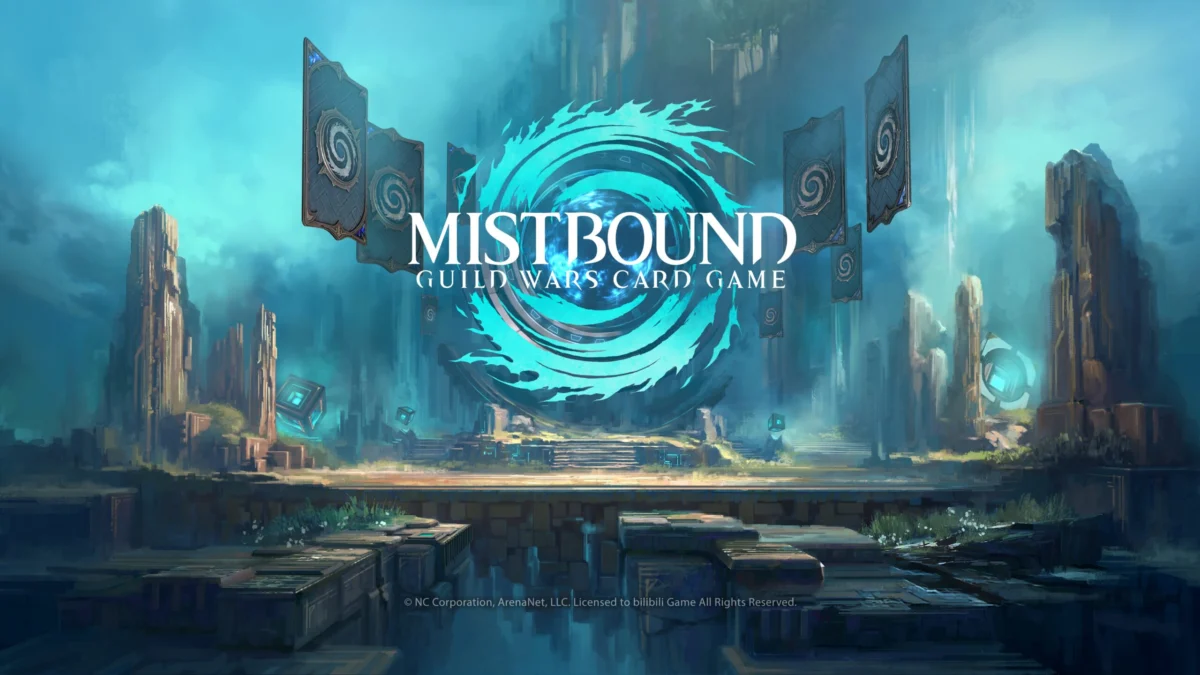
The Guild Wars franchise, a titan of the MMORPG genre that has captivated players for nearly two decades, is finally venturing into new territory. While the series is best known for its sprawling open worlds, intricate lore, and innovative combat mechanics, it has notably steered clear of the collectible card game (CCG) market—until now. With the recent announcement of Mistbound: Guild Wars Card Game, ArenaNet, in collaboration with NC and Bilibili, is looking to translate the strategic depth of Tyria into a tabletop-inspired digital experience.
Main Facts: A Strategic Shift for Tyria
Mistbound: Guild Wars Card Game is a free-to-play, turn-based strategy title currently in development for PC and mobile platforms. Unlike traditional card games that rely on static board placement, Mistbound introduces a dynamic 5×3 grid system that emphasizes tactical movement.
The game is the product of an unexpected tri-party alliance. ArenaNet, the original creators of the Guild Wars IP, has licensed the franchise to Bilibili—the Chinese media giant—which will serve as the game’s publisher. Development duties have been assigned to the Korean studio NC (formerly NCSoft), a move that leverages the technical expertise of the developer behind the Lineage and Aion franchises.
The core gameplay loop centers on "Commander" units, which serve as the player’s avatar on the battlefield. These Commanders are deeply rooted in Guild Wars 2’s iconic Professions, each boasting unique passive traits and active abilities that dictate deck-building strategies. Players will deploy cards, maneuver them across the grid, and utilize environmental combat mechanics like flanking, knockbacks, and positioning to outmaneuver their opponents.
Chronology: The Road to Mistbound
The journey to Mistbound is not an isolated event; it arrives at a pivotal moment for the Guild Wars brand.
- 2005–2012: The release of the original Guild Wars and its subsequent expansions, followed by the highly successful launch of Guild Wars 2, solidified ArenaNet’s reputation for high-quality, player-friendly MMO design.
- 2024 (Summer Game Fest): ArenaNet shocked the gaming industry by confirming the existence of Guild Wars 3. This announcement shifted the public discourse, setting high expectations for the future of the IP.
- Late June 2024: Following the Guild Wars 3 buzz, the official reveal of Mistbound serves as a diversification strategy, aiming to keep the brand relevant across multiple platforms and genres.
- Present: The game is currently in active development, with an official website launched to track player interest and provide updates on a yet-to-be-announced release window.
Supporting Data: Understanding the Mechanical Innovation
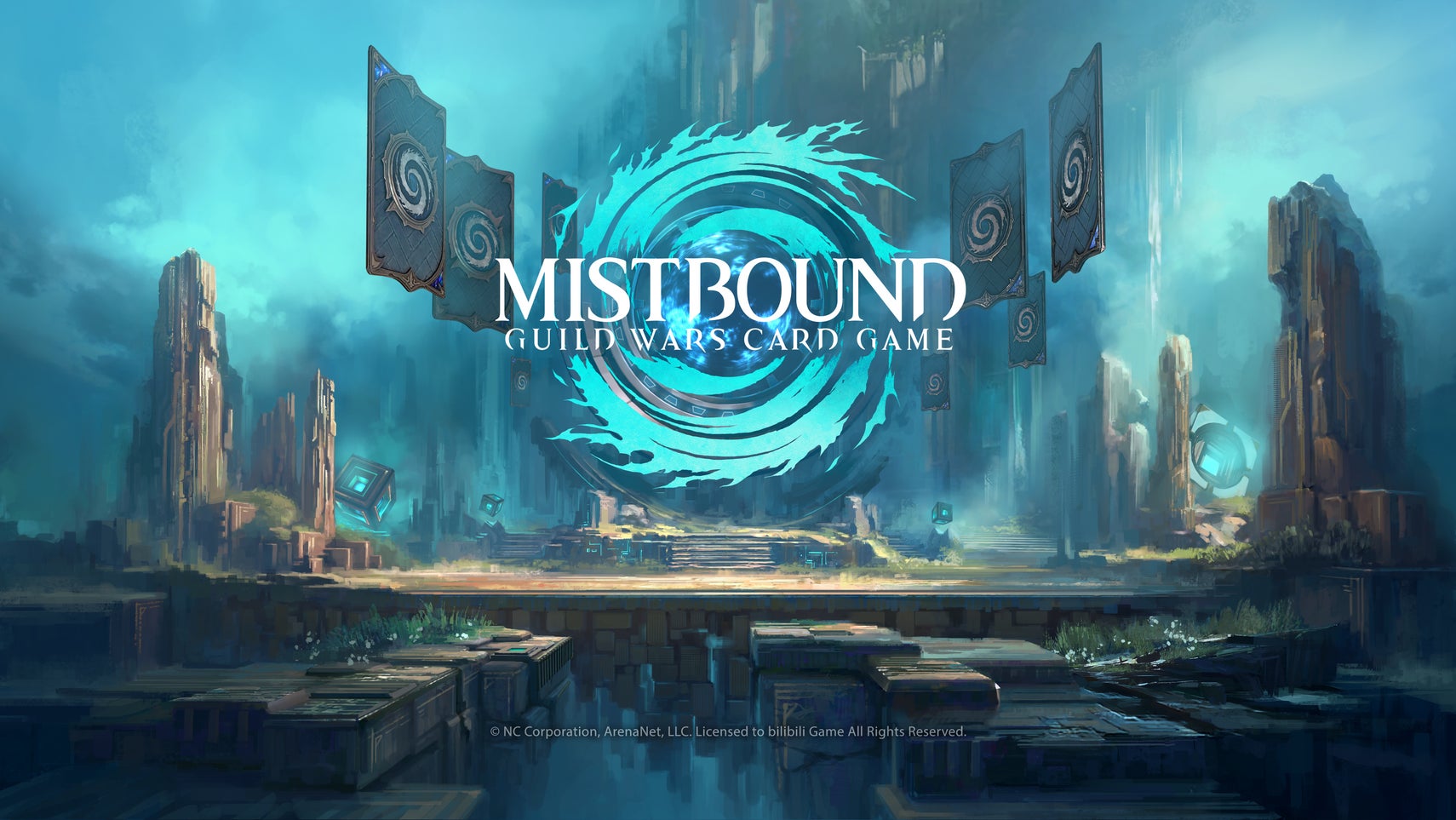
What sets Mistbound apart in a saturated market dominated by the likes of Hearthstone or Magic: The Gathering Arena is its departure from the "draw-and-play" formula. By utilizing a 5×3 grid, Mistbound shifts the focus from purely resource management to spatial awareness.
Tactical Grid Combat
In most digital card games, the board is a theater for unit health and attack power. In Mistbound, the board is a battlefield. The ability to move cards in multiple directions each turn transforms the game into a hybrid of a CCG and a tactical RPG. This allows for:
- Flanking: Positioning units behind an enemy to deal increased damage or ignore defensive buffs.
- Knockbacks: Forcing enemy units into unfavorable positions or off the board.
- Positional Synergies: Activating specific card effects that trigger based on adjacent unit placement.
The Role of Commanders
The Commander system acts as the anchor for the player’s strategy. By drawing inspiration from the eight core professions of Guild Wars 2—such as the heavy-armored Guardian or the agile Thief—the game ensures that long-time fans will find a familiar "flavor" in their gameplay experience. The design team has confirmed that these Commanders will be fully voiced and accompanied by music from the original Guild Wars composers, ensuring the atmosphere remains authentic to the source material.
Official Responses and Strategic Implications
The involvement of Bilibili as a publisher has raised questions among Western audiences unfamiliar with the company’s broader portfolio. While Western fans may primarily know Bilibili as a video-sharing platform akin to YouTube, the company has increasingly expanded into international game publishing.
Bridging the Gap
ArenaNet’s stated goal is to "bridge the gap between deck-building and the MMO experience." This is a bold claim. To succeed, the developers must ensure that the depth of the Guild Wars universe—the history of the Elder Dragons, the politics of Divinity’s Reach, and the beauty of the Mists—is not lost in the translation to a smaller-scale card game.
The Monetization Question
Perhaps the most significant shadow hanging over Mistbound is its monetization model. In the wake of the Guild Wars 3 announcement, ArenaNet took a firm stance against pay-to-win (P2W) microtransactions. Fans are naturally concerned whether Mistbound will adhere to this consumer-friendly philosophy or succumb to the predatory pack-opening mechanics that have plagued competitors.
While official statements regarding the in-game economy have not been released, the community is watching closely. The success of a CCG in the modern era is rarely decided by gameplay alone; it is dictated by the perceived fairness of its economy. If Mistbound can offer a progression system that feels rewarding without requiring a heavy financial investment, it could establish itself as a long-term staple in the genre.

Looking Forward: The Future of the Guild Wars Brand
The announcement of Mistbound comes at a time when the Guild Wars IP is undergoing a renaissance. With Guild Wars 2 continuing to see consistent content updates and Guild Wars 3 on the horizon, Mistbound functions as a bridge, keeping the audience engaged in smaller, digestible chunks of gameplay while they await the next major evolution of the MMO series.
Can It Survive the Competition?
The CCG genre is notoriously difficult to penetrate. Hearthstone and Magic have massive, entrenched player bases, and Marvel Snap has successfully captured the "quick-play" mobile market. Mistbound has two major advantages:
- The IP: Guild Wars has one of the most loyal fanbases in the industry.
- The Mechanics: The 5×3 grid movement is a distinct enough mechanical differentiator to warrant interest from players bored with traditional lane-based card games.
However, the game faces significant challenges. It must prove that it is more than just a "side project" or a brand extension. It needs to provide a deep, satisfying strategic experience that stands on its own merits, regardless of the Guild Wars name.
Next Steps for Fans
For those interested in following the development of Mistbound: Guild Wars Card Game, the official website is the primary hub for information. As the game moves toward a public beta or testing phase, players can expect more clarity on the Commander list, the specific deck-building mechanics, and, crucially, the monetization model.
In conclusion, Mistbound represents an ambitious attempt to distill the essence of a sprawling MMO into a focused, tactical card game. Whether it becomes a definitive experience or a niche curiosity depends on how effectively NC and Bilibili can balance the complexity of their grid-based combat with the accessibility required for a free-to-play title. As we await further details, one thing is certain: the world of Tyria is growing, and it is taking its most strategic turn yet.
 Nana Muazin
  Laily UPN
  Nila Kartika Wati