
 By Layla Zulfa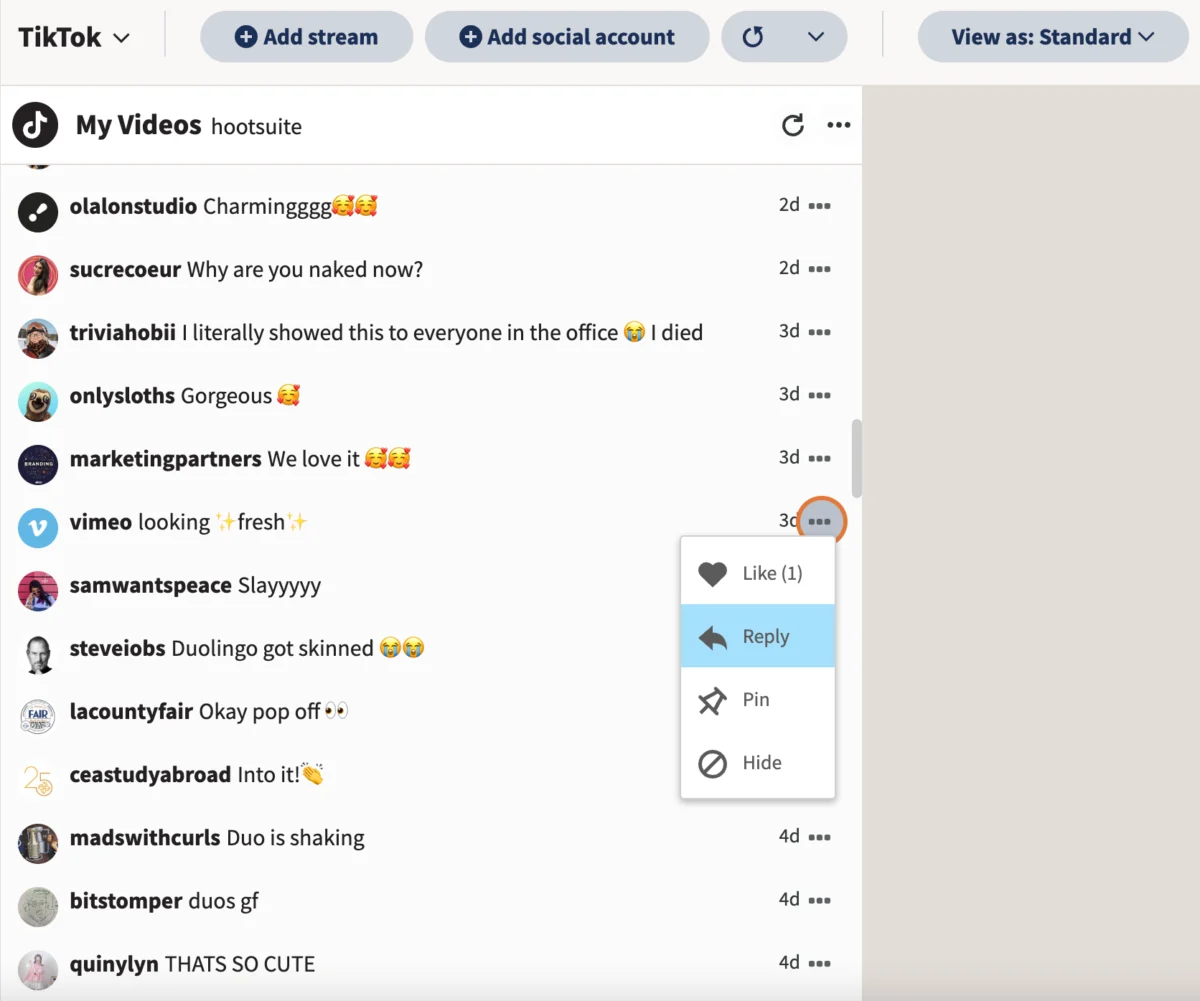
Main Facts: The Current State of the TikTok Ecosystem
As we navigate the marketing landscape of 2026, TikTok has transcended its origins as a short-form video application to become a cornerstone of global digital strategy. With a massive user base exceeding 1.59 billion active monthly participants, the platform has matured into a sophisticated "everything app" for the creator economy, blending entertainment, high-intent search, and seamless social commerce.
TikTok marketing is no longer defined merely by viral dance trends or lip-syncing. In 2026, it is a multifaceted discipline involving organic content creation, paid advertising, influencer partnerships, and the robust TikTok Shop ecosystem. For modern businesses, the platform serves as a full-funnel marketing engine: it drives brand awareness through the "For You" feed, facilitates product discovery via the TikTok Search bar, and enables instant conversion through in-app checkouts.

Key data points for 2026 indicate that the platform’s influence is particularly potent in the United States, where the average user spends approximately 44 hours per month on the app. This level of engagement has forced a paradigm shift in how brands allocate their digital spend, moving away from traditional static ads toward "native-feeling" video content that prioritizes authenticity over high-gloss production.
Chronology: From Viral Gimmicks to Commercial Dominance
The trajectory of TikTok as a marketing powerhouse has been marked by several pivotal eras:
- The Emergence (2018–2019): Following the merger with Musical.ly, TikTok was initially viewed by marketers as a niche platform for Gen Z. Marketing efforts were experimental and largely focused on hashtag challenges.
- The Global Surge (2020–2021): The pandemic accelerated TikTok’s growth, diversifying its demographics. Brands began to realize the power of the "TikTok Made Me Buy It" phenomenon, as organic product recommendations started selling out retail shelves globally.
- The Commerce Integration (2022–2024): This period saw the official launch of TikTok Shop and the refinement of TikTok Ads Manager. The platform shifted from being a "top-of-funnel" awareness tool to a "bottom-of-funnel" conversion tool.
- The Search and AI Era (2025–2026): By 2026, TikTok has solidified its position as a primary search engine for Millennials and Gen Z. The integration of advanced AI for content discovery and the maturation of the TikTok Affiliate Program have made the platform an indispensable component of the retail media landscape.
Supporting Data: Strategic Pillars for 2026
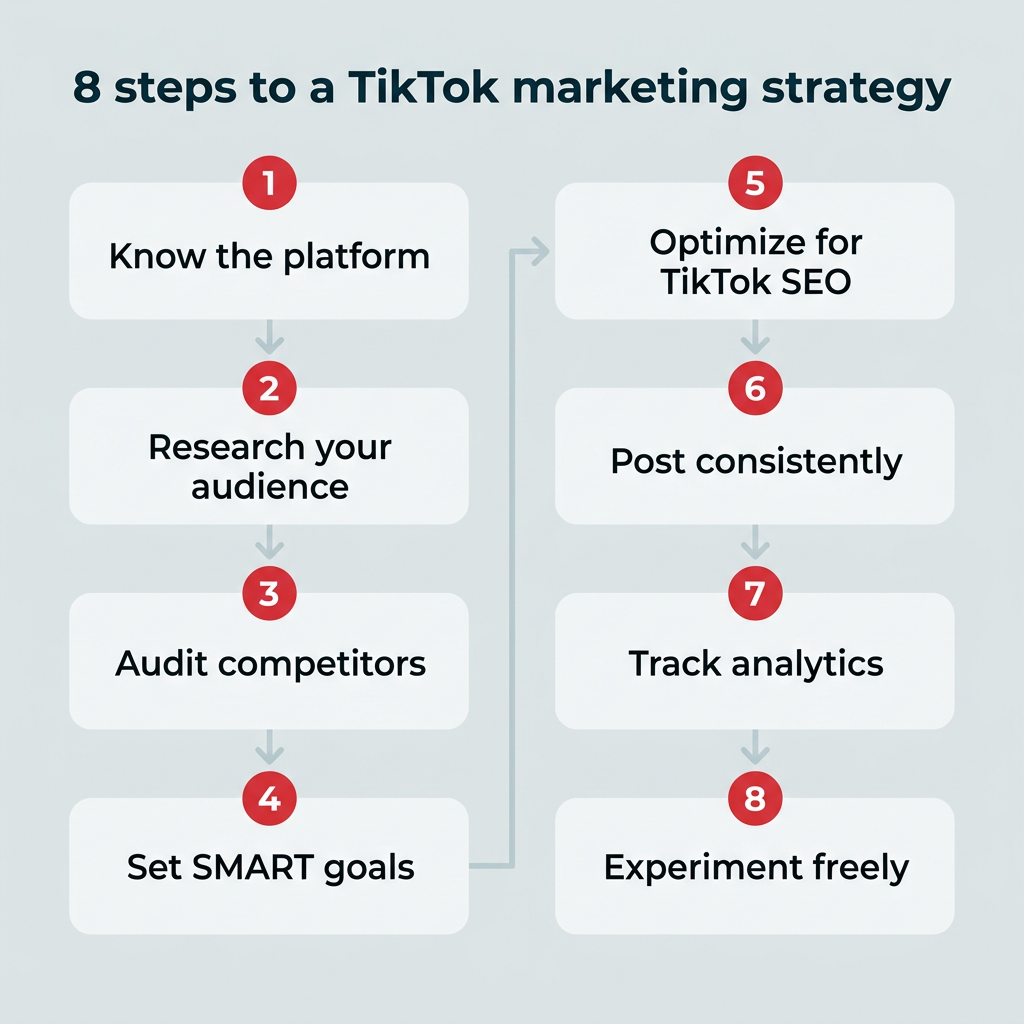
To succeed in the current environment, businesses must align their strategies with the platform’s unique algorithmic requirements and user behaviors.
Demographic Shifts and Audience Research
Contrary to the lingering stereotype that TikTok is exclusively for teenagers, 2026 data reveals that the 25–34 age bracket—Millennials with significant purchasing power—represents the platform’s most active and influential demographic. Nearly a third of the audience remains in the 18–24 Gen Z category, but the expansion into older demographics has made TikTok a viable platform for B2B services, luxury goods, and financial products.
The Rise of TikTok SEO
In 2026, "TikTok SEO" is as critical as traditional Google SEO. Users increasingly utilize the search bar to find tutorials, reviews, and recommendations. Content performance is now heavily influenced by:
- Keyword Integration: Weaving relevant terms into captions, on-screen text, and—most importantly—spoken dialogue, which the algorithm transcribes and indexes.
- Search Intent: Creating content that answers specific queries, such as "best skincare for dry skin" or "how to automate small business accounting."
Advertising Formats and Budgeting
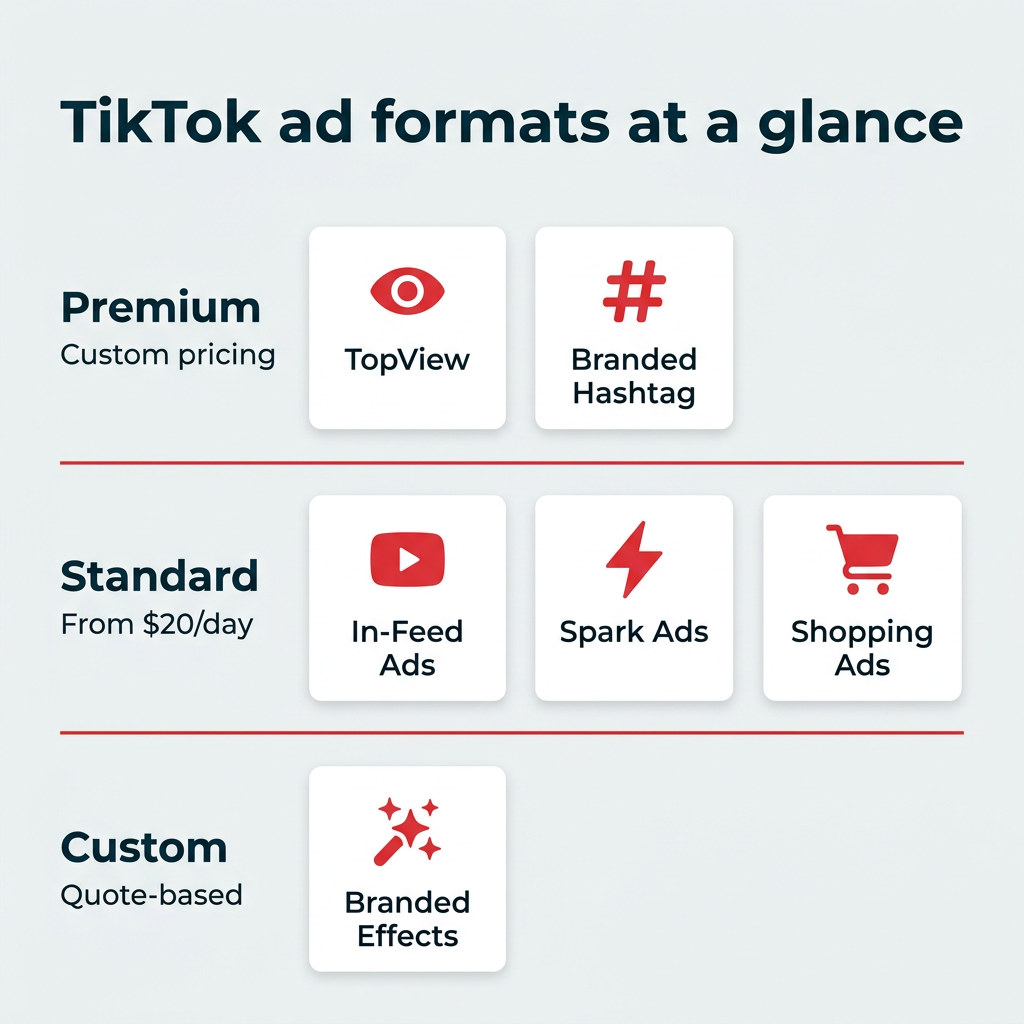
The TikTok advertising suite has evolved into a sophisticated array of options tailored to different business objectives:
- In-Feed Ads: Native videos appearing in the user’s feed, ideal for driving website traffic.
- Spark Ads: A powerful hybrid format that allows brands to boost their own organic posts or, more effectively, boost content created by influencers.
- Shopping Ads: Directly tied to TikTok Shop, these are the primary driver for social commerce sales.
- TopView: Premium placements that appear upon opening the app, used primarily by enterprise brands for major launches.
Current budgeting benchmarks suggest a minimum daily spend of $20 at the ad group level and $50 at the campaign level, though premium formats like Branded Hashtag Challenges require significantly higher, custom-quoted investments.
Official Responses and Platform Guidelines
TikTok’s official stance on content creation has remained remarkably consistent, even as the technology evolves. The platform’s leadership and "Creative Center" emphasize a "Community First" approach.
The "3-Second Rule"
TikTok’s official creative briefs emphasize that the first three seconds of a video are the most critical. If a brand fails to "hook" the viewer immediately with a compelling visual or a provocative question, the user will scroll past, signaling to the algorithm that the content is of low value.
Posting Frequency and Consistency
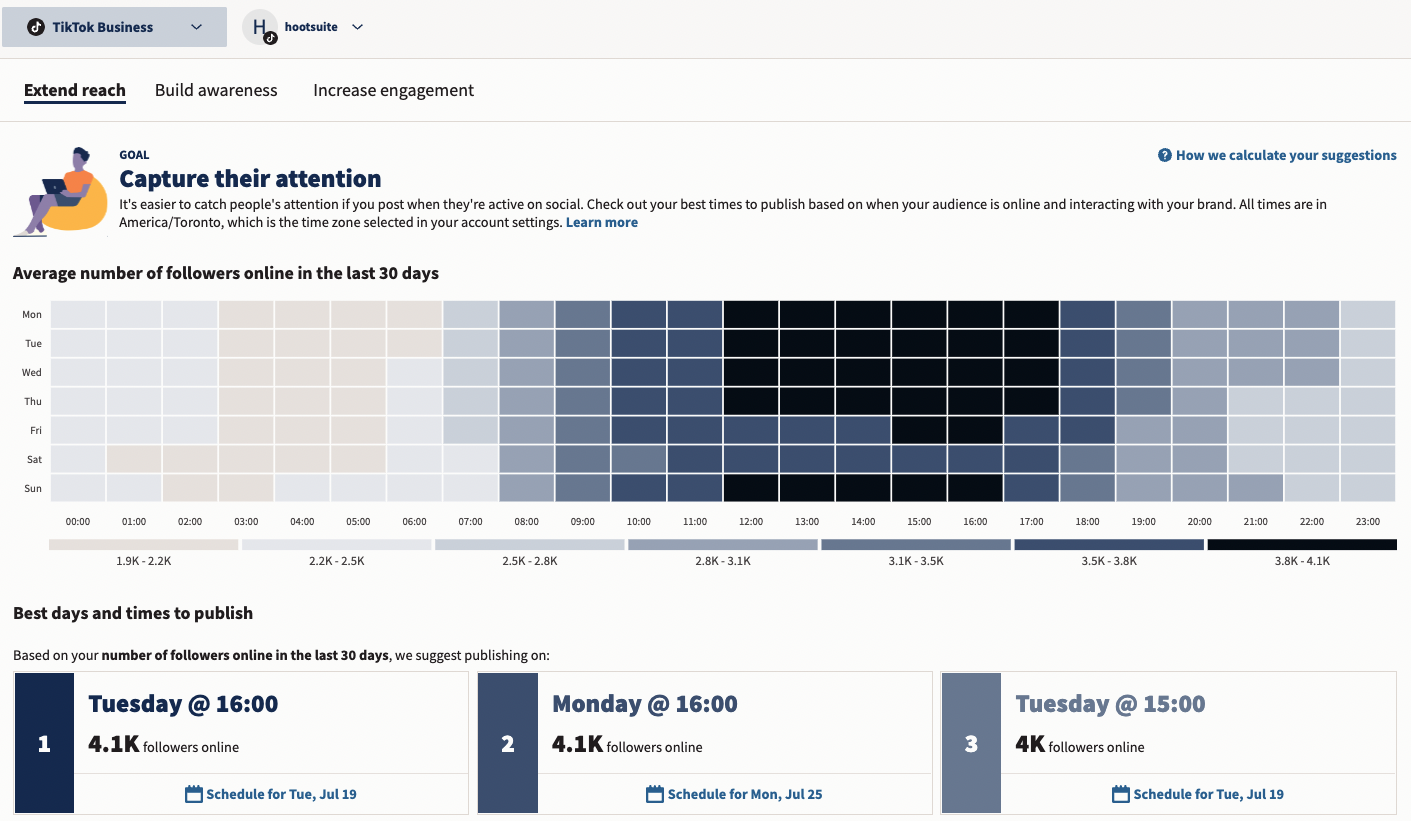
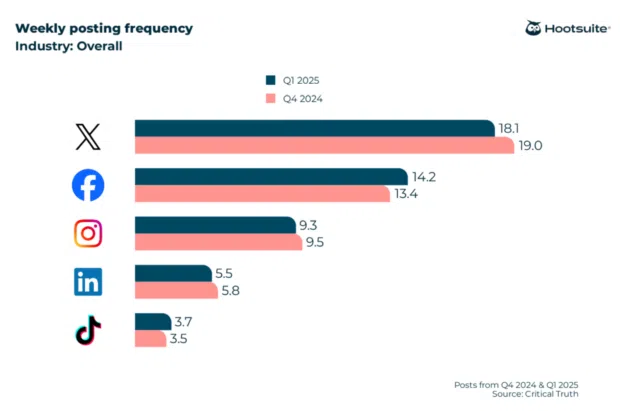
While individual results vary, TikTok’s official recommendation for brands in 2026 is to post between one and four times per day. However, industry leaders like Hootsuite suggest that for most mid-sized businesses, a frequency of three to five times per week is the "sweet spot" for maintaining growth without sacrificing content quality or burning out creative teams.
Regulatory and Safety Compliance
TikTok officials have addressed the ongoing regulatory reviews in various global markets by implementing heightened transparency tools and data privacy measures. For marketers, the official guidance is to maintain "content portability"—ensuring that video assets created for TikTok can be easily adapted for Instagram Reels or YouTube Shorts to mitigate risks associated with regional platform access changes.
Implications: The Future of Brand-Consumer Relationships
The dominance of TikTok marketing in 2026 carries profound implications for the future of the advertising industry.
The Death of the "Polished" Commercial
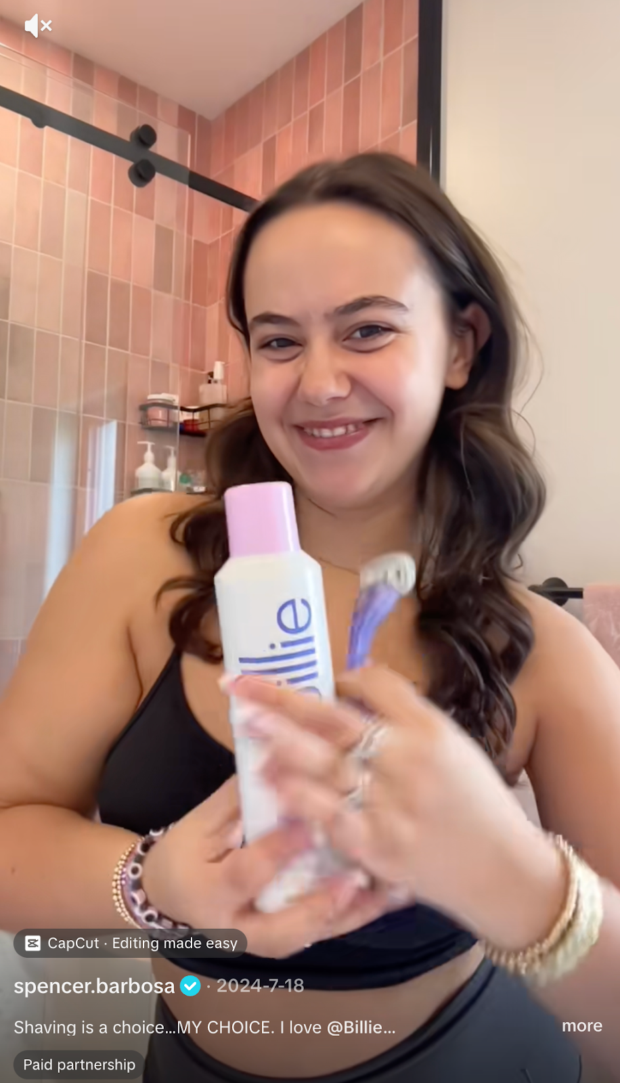
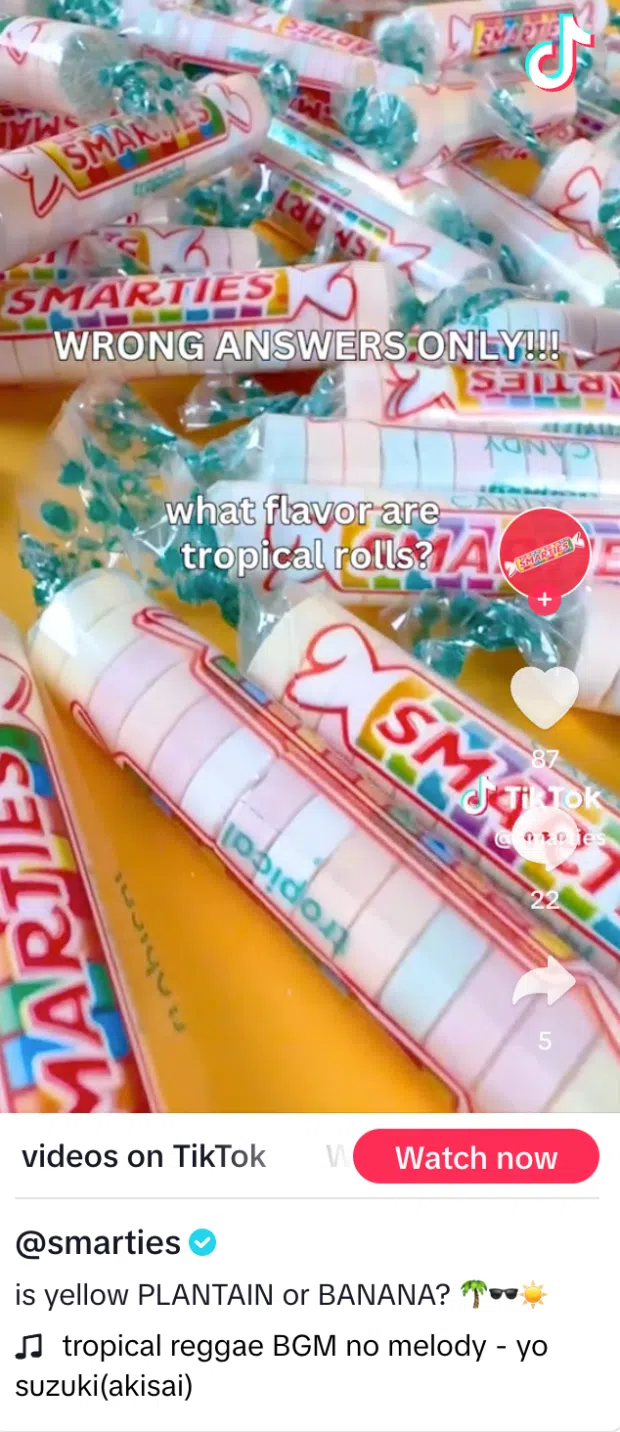
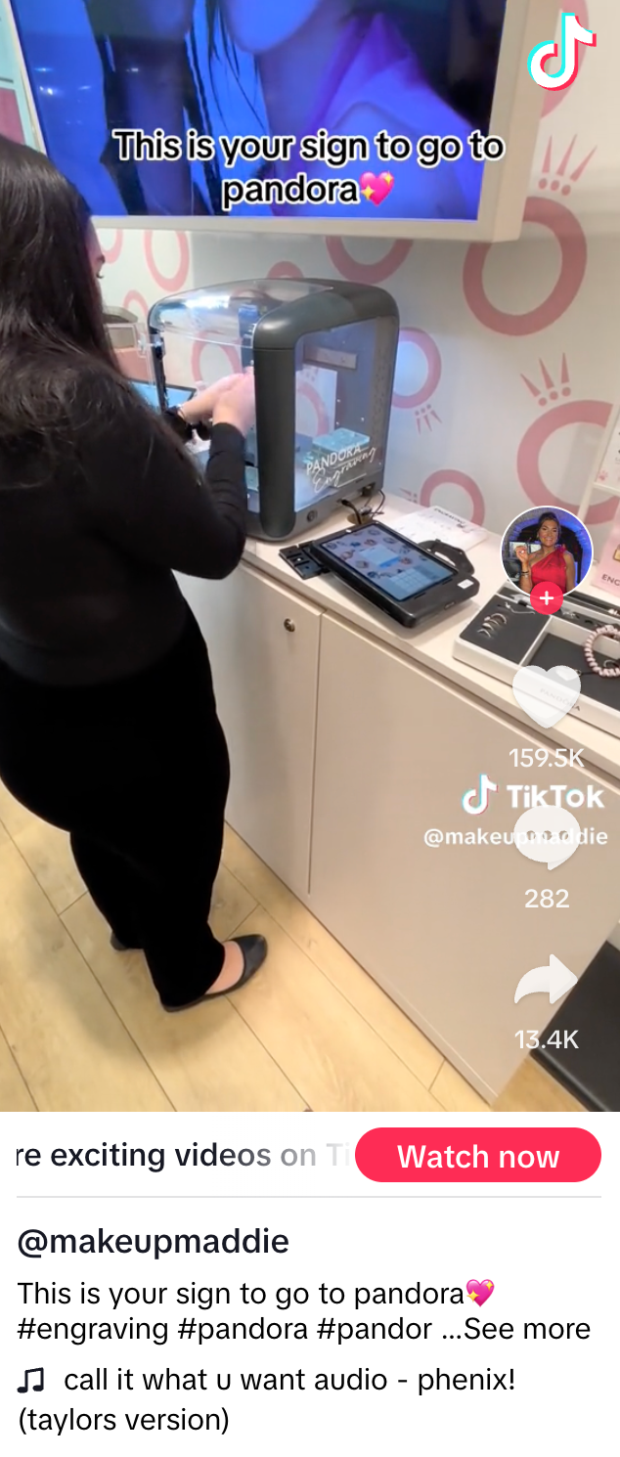
The era of the $100,000 studio-produced commercial is being supplanted by the "Lo-Fi" aesthetic. Data shows that content filmed on a smartphone, featuring real employees or creators, consistently outperforms high-budget productions. This levels the playing field, allowing small-to-medium enterprises (SMEs) to compete with global conglomerates based on the strength of their storytelling rather than the size of their production budget.
Humanizing B2B Marketing
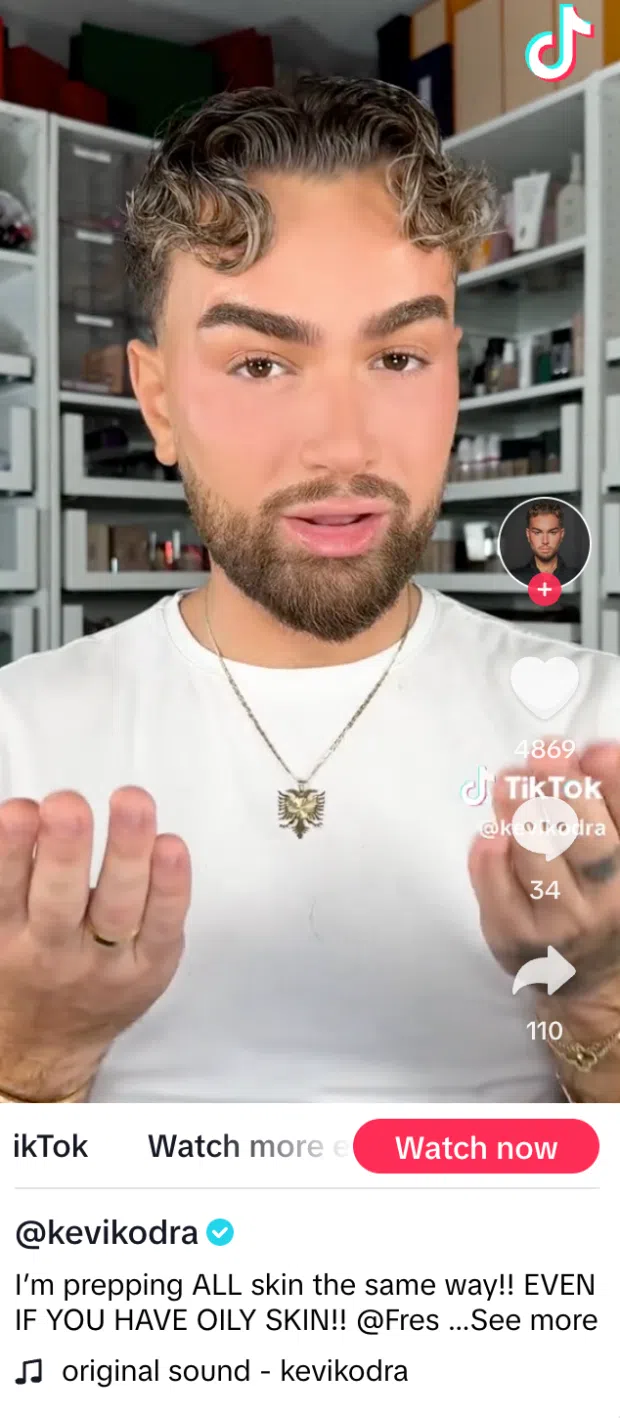
One of the most surprising shifts in 2026 is the success of B2B (business-to-business) marketing on TikTok. By leveraging behind-the-scenes content and educational "explainer" videos, B2B firms are finding success in humanizing their brands. Professional services are no longer sold through cold calls and white papers alone; they are sold through the faces and voices of the experts who work there.
The Integration of Affiliate and Influencer Marketing
The distinction between "influencer marketing" and "sales" has blurred. Through the TikTok Affiliate Program, brands can now partner with thousands of creators simultaneously on a commission-only basis. This has transformed influencer marketing from a speculative "brand awareness" expense into a trackable, performance-based sales channel.
Conclusion: A Strategic Imperative
As we look toward the remainder of 2026 and beyond, TikTok marketing has become a strategic imperative. The platform has successfully rewired how consumers discover products and how brands communicate. Success in this environment requires a delicate balance of data-driven SEO, consistent creative output, and a willingness to embrace the "unpolished" reality of modern social media. For businesses that can master this balance, TikTok offers a direct line to the most engaged consumer base in history.
Key Takeaways for Businesses in 2026:
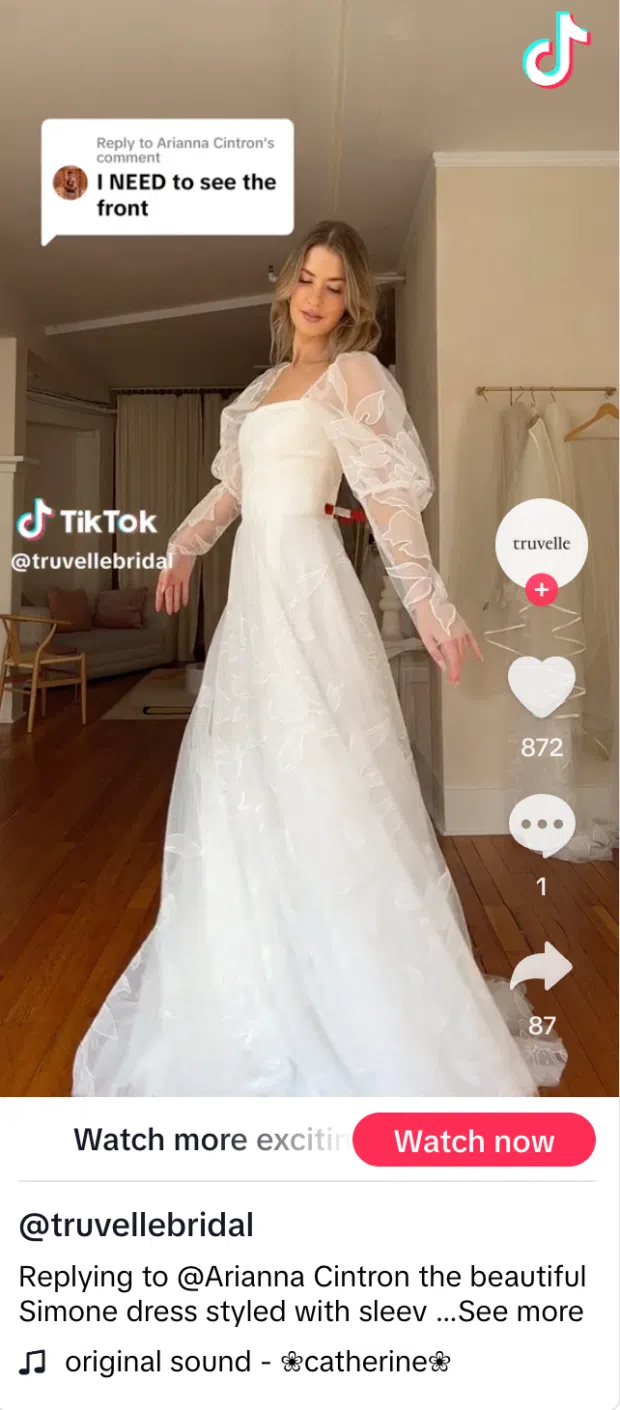
- Optimize for Search: Treat every caption and video script as a piece of SEO real estate.
- Prioritize the Hook: Master the first three seconds to survive the "scroll."
- Leverage TikTok Shop: Minimize friction by allowing users to purchase without leaving the app.
- Partner with Creators: Use Spark Ads to amplify authentic voices rather than relying solely on brand-led content.
- Monitor ROI: Use integrated tools like Hootsuite to compare TikTok performance against other social channels to ensure a balanced marketing mix.
 Raul Delapena Setiawan
  Basiran
  Asro
Asro 