
 By Lina Hope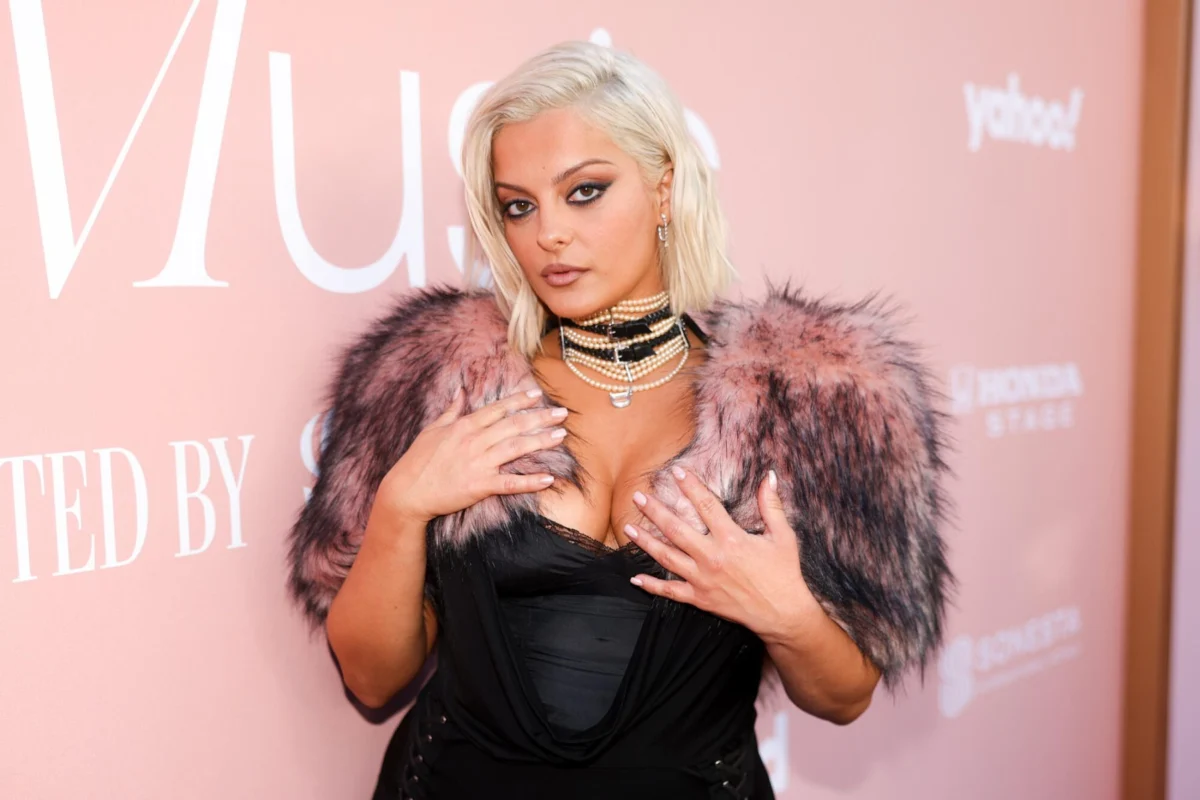
In an industry often characterized by ruthless competition and the manufactured rivalry of its stars, Bebe Rexha has emerged as a vocal advocate for solidarity. The Grammy-nominated singer-songwriter, who has long navigated the turbulent waters of the music business, recently took a definitive stand against the toxic practice of pitting female artists against one another. Her refusal to engage in a comparison narrative with fellow pop powerhouse Olivia Rodrigo serves as a poignant reminder of the evolving expectations placed upon women in the spotlight.
The Catalyst: A Tribute Overshadowed by Comparison
The incident began not with a critique of music, but with an act of grief. Following the tragic passing of experimental artist Oliver Tree, Rexha took to social media to share a heartfelt tribute. She revealed that the two had collaborated on a track intended for her latest studio album, Dirty Blonde.
"I’m in shock," Rexha wrote. "I was in the middle of my CD signing in NYC when I found the news of Oliver Tree. I can’t believe it. We recorded a record together to be on Dirty Blonde. He was so smart, passionate, talented, and kind. I’m so sad. May he rest in peace."
While the post was intended to honor a lost colleague, the digital landscape proved unforgiving. A user interjected in the comment section with a provocative, if not entirely disconnected, remark: "Olivia outsold u btw."
The comment was a reference to the massive commercial success of Olivia Rodrigo’s third studio album, You Seem Pretty Sad for a Girl So in Love, which recently debuted at No. 1 on the Billboard 200, breaking several streaming records in the process. Rather than engaging in a defensive posture or ignoring the bait, Rexha chose to dismantle the premise of the comment entirely.
"I’m actually happy for her," Rexha replied. "No need to put women against each other. Stream DIRTY BLONDE for women empowerment. Livies X Rexhars."
Chronology of a Career Under Pressure
Rexha’s response to the troll was not an isolated moment of maturity, but rather the latest installment in a career defined by her struggle against the constraints of the music industry. To understand the gravity of her recent stance, one must look at the trajectory of her career and the pressures she has navigated.
The Rise of the Songwriter-Turned-Star
Before becoming a household name, Rexha was a prolific songwriter, penning hits for artists like Eminem and Rihanna ("The Monster"). This background gave her an intimate understanding of the industry’s inner workings, often highlighting the disparity between the credit given to men and women in production and songwriting.
The "Me, Myself & I" Era
In 2015, Rexha gained global recognition through her collaboration with G-Eazy. However, the success of the track often masked the underlying tensions she felt as a female artist navigating a space dominated by male-centric branding.
The Public Breaking Point
Last year, the friction reached a boiling point when Rexha publicly criticized G-Eazy. Her candid admission on social media—"I have been UNDERMINED. I’ve been so quiet for the longest time"—sent shockwaves through the industry. She noted that when she had attempted to speak up previously, she was silenced and punished. Although the post was eventually deleted, presumably under pressure from her management, the sentiment lingered: the industry has a systemic problem with how it treats the voices of its female stars.
Supporting Data: The Commercial Landscape of 2026
The comparison between Rexha and Rodrigo is reflective of a broader "streaming-first" culture that defines modern pop success. Data from the Billboard charts highlights the intense competition for market dominance.

- Olivia Rodrigo’s Dominance: You Seem Pretty Sad for a Girl So in Love did more than just hit No. 1; it effectively captured the zeitgeist, shifting the landscape of pop-punk and balladry. Its record-breaking streaming numbers set a high bar for any artist releasing music in the same window.
- Rexha’s "Dirty Blonde" Strategy: Rexha’s latest project, Dirty Blonde, represents a pivot toward a more personal, genre-blending sound. By focusing on longevity and artistic expression rather than immediate, record-shattering metrics, she is carving out a niche that prioritizes agency over chart dominance.
- Streaming Trends: The industry data indicates that female artists currently occupy a larger percentage of the Top 10 than at any point in the last decade. However, this growth has come with the side effect of increased fan-base friction, as "stan culture" often equates chart success with moral superiority.
Official Responses and Public Sentiment
The reaction to Rexha’s refusal to engage in a "catfight" was overwhelmingly positive. Industry analysts suggest that this moment serves as a case study in modern celebrity crisis management.
"Bebe Rexha did exactly what the industry needs right now," says music critic Elena Vance. "By explicitly mentioning ‘Livies’ (Rodrigo’s fans) and ‘Rexhars’ (her own) in the same breath, she effectively de-escalated a potentially volatile situation. She turned a moment of attempted divisiveness into a moment of collective empowerment."
Fans on social media platforms mirrored this sentiment, with thousands of shares and likes bolstering her response. The consensus among the community is that the era of "catfighting" is outdated, and artists who reject it are seen as more authentic and grounded.
Implications: The Shift Toward Collective Empowerment
Rexha’s stance has profound implications for how female pop stars interact with their fan bases and the media.
1. Reclaiming the Narrative
By refusing to be a participant in her own erasure, Rexha is reclaiming the narrative. The "outsold" trope is a common weapon used by internet trolls to diminish the artistic value of a performer. By validating Rodrigo’s success, Rexha removes the power of the troll, effectively stripping the argument of its sting.
2. The End of the "Rivalry" Archetype
For decades, the music industry has thrived on the "Madonna vs. Cyndi Lauper" or "Britney vs. Christina" narratives. These rivalries often benefited record labels by driving sales through competition. Rexha’s approach suggests that modern artists are no longer willing to be pawns in these marketing strategies.
3. Mentorship and Solidarity
There is a growing movement of female artists—including Taylor Swift, Phoebe Bridgers, and now Rexha—who are actively promoting one another. This shift creates a healthier environment for younger artists entering the field. When a veteran artist like Rexha publicly supports a newer star like Rodrigo, it sets a standard for the industry.
4. The Cost of Speaking Truth
Despite the praise, Rexha’s history remains a warning. Her previous attempt to speak out against industry malpractice resulted in her being silenced by her own team. This suggests that while individual artists may want to change the culture, the corporate machinery behind them is often more conservative, prioritizing brand stability over artistic transparency.
Conclusion: A New Standard for Pop Stardom
Bebe Rexha’s career has been a testament to resilience. From her early days writing for others to her current status as a solo powerhouse, she has been a constant presence in an industry that is notoriously fickle. Her recent interaction serves as a masterclass in emotional intelligence and professional maturity.
As the music industry continues to evolve, the metrics of success will inevitably change. While streaming numbers and chart positions will remain, the cultural value of an artist will increasingly be measured by their ability to foster community rather than division. Rexha, by rejecting the role of the rival, has positioned herself as a leader in this new, more collaborative era.
Her message to her fans—and to the industry at large—is clear: There is enough room at the top for everyone, and the true measure of success is found in the empowerment of peers, not in the tearing down of those who paved the way or those currently rising to meet it. As she continues her work on Dirty Blonde, it is evident that Rexha is not just focused on her next hit; she is focused on defining a legacy built on integrity, strength, and the radical act of supporting other women.
 Ali Ikhwan
  Suro Senen
  Reynand Wu