
 By rifanmuazin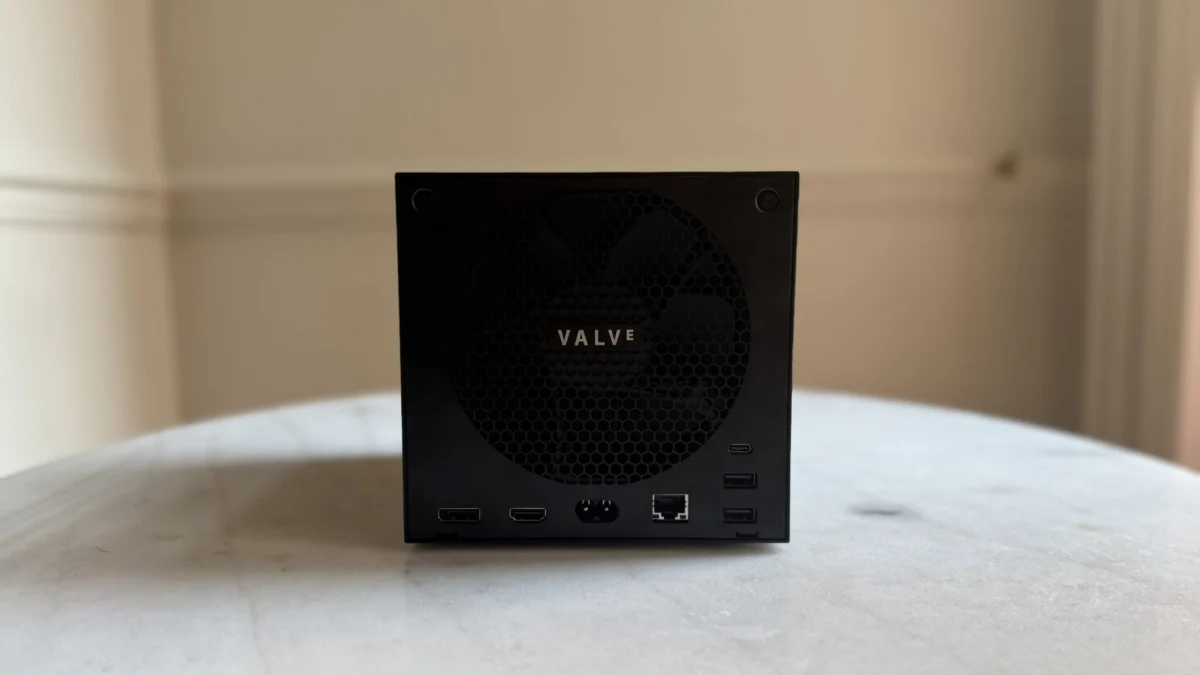
The long-awaited Steam Machine has finally arrived, marking a pivotal moment in the evolution of PC gaming hardware. As we enter the latter half of 2026, the landscape of home entertainment has become increasingly fragmented. With the industry grappling with shifting console paradigms and the soaring costs of high-end components, Valve’s latest hardware play attempts to bridge the gap between the plug-and-play simplicity of a console and the open, versatile ecosystem of the personal computer.
In this comprehensive report, we pull back the curtain on the Steam Machine, combining our own editorial evaluation with the technical expertise of James Archer, former hardware editor and current deputy editor at Rock Paper Shotgun (RPS).
The Core Proposition: Main Facts and Market Context
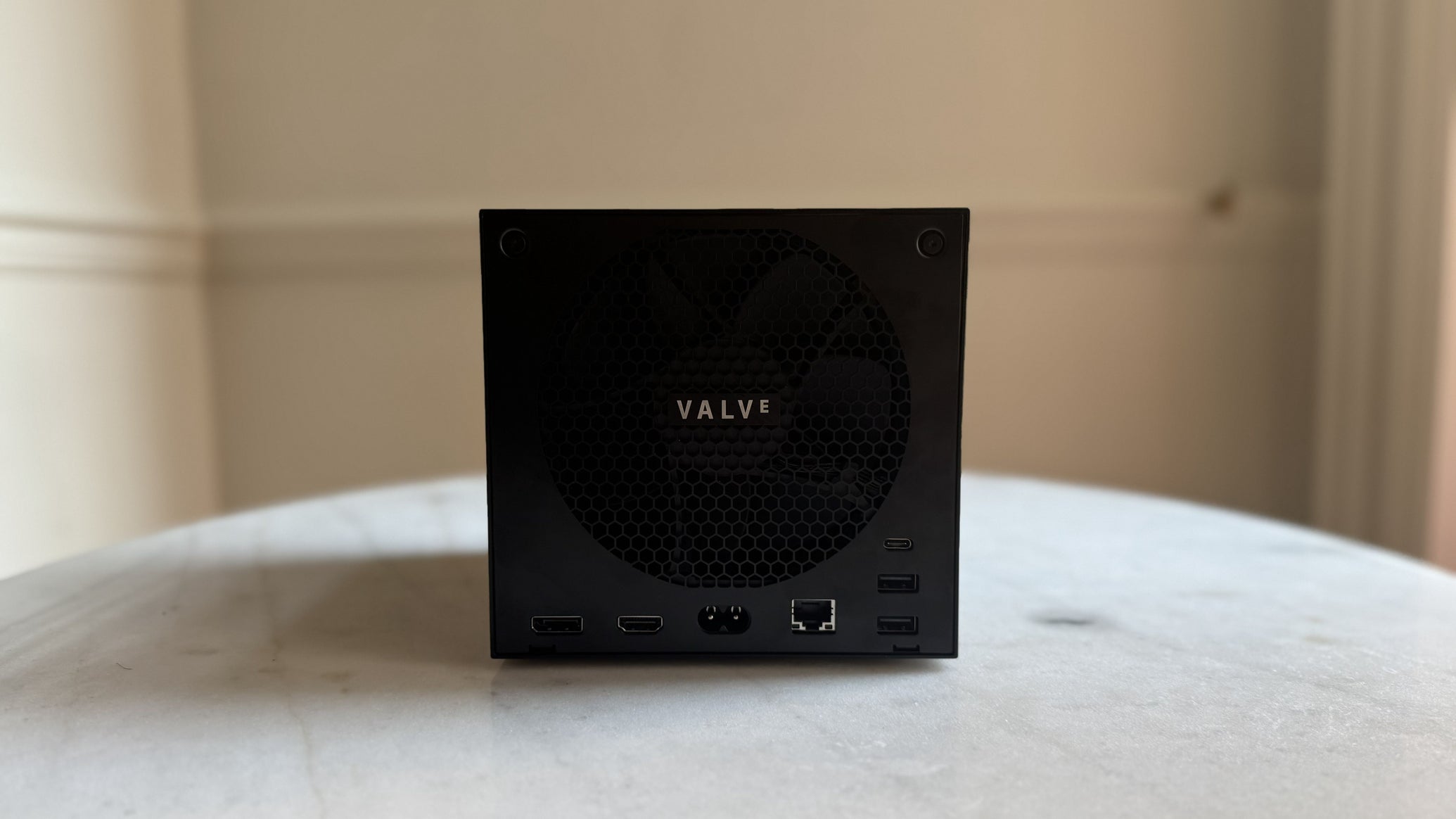
At its heart, the Steam Machine is a dedicated living room PC designed to run SteamOS. Unlike the experimental units of the mid-2010s, this version benefits from a decade of refinement, largely stemming from the technological advancements developed for the Steam Deck.
The machine is marketed as a "premium 1080p experience," capable of handling modern AAA titles at high frame rates while maintaining a footprint small enough to blend into any media console. However, this accessibility comes at a premium. As noted in our primary review, the cost of entry is significant, placing it in direct competition with the latest mid-to-high-tier consoles like the PlayStation 5 Pro and the upcoming "Project Helix" ecosystem from Microsoft.
A Chronology of the "New" Steam Machine
The road to the 2026 Steam Machine was anything but linear. Following the quiet discontinuation of the original Steam Machines in 2018, Valve pivoted its hardware strategy toward mobile form factors.
- 2022: The launch of the Steam Deck, which proved that a Linux-based, console-like interface could successfully run the vast majority of the Steam library.
- 2024: Industry rumors begin to circulate regarding "Project Galileo," Valve’s internal codename for a desktop-class successor to the Deck.
- Early 2026: Official announcements confirm the Steam Machine’s return, emphasizing custom silicon optimization and a refined version of SteamOS designed specifically for living room integration.
- Mid-2026: Pre-order reservations open, revealing a tiered pricing structure that caught many market analysts off-guard, given the current volatility of the semiconductor market.
Technical Deep-Dive: The Expert Verdict
To provide our readers with a granular understanding of the hardware, we sat down with James Archer. His insights reveal a nuanced reality: while the Steam Machine is a triumph of design, it exists within a complex economic reality.
The Value-for-Money Equation
When asked whether a DIY approach would yield better results, Archer is pragmatic. "True budget gaming PCs don’t really exist anymore," he explains. "For the price of a Steam Machine, you could certainly spec and build a more powerful mini-ITX rig using something like an Nvidia RTX 5050. If performance-per-pound is your absolute priority, the DIY route is superior. However, that custom rig will never be as quiet or as compact as the Steam Machine. You are paying a premium for the aesthetic, the form factor, and the seamless out-of-the-box experience."
Longevity and Market Positioning
The question of "future-proofing" is perhaps the most pressing for prospective buyers. Archer notes that the demands of modern gaming have hit a plateau. "Look at titles like STALKER 2 or Indiana Jones and the Great Circle. These are demanding games, and they run perfectly well on this hardware with the right settings. We aren’t seeing the same aggressive leap in system requirements we saw ten years ago. Consequently, the Steam Machine will likely remain relevant for several years, especially as it aligns with the ‘average’ hardware currently being used on Steam."

The 4K Question
While marketed as a 1080p machine, the device handles 4K through clever upscaling. Archer points to Resident Evil Requiem and Forza Horizon 6 as benchmarks. "By utilizing FSR (FidelityFX Super Resolution) on Performance mode, you can achieve playable, visually acceptable frame rates at 4K. It’s not the native 4K experience of a high-end desktop, but for living room play, it is surprisingly capable."
Supporting Data and Hardware Customization
A major concern for the PC gaming community has always been repairability and modularity. The Steam Machine attempts to strike a balance between a sealed console experience and the openness of a PC.
- Internal Access: The unit allows for relatively straightforward upgrades to RAM and internal storage (M.2 NVMe).
- External Expansion: A microSD slot provides a cost-effective way to expand the library, mimicking the functionality of the Steam Deck.
- Thermal Performance: During testing, internal components reached a maximum of 81°C—well within safe operating margins—while the chassis remained remarkably cool. The acoustic profile is equally impressive, remaining near-silent during standard operation.
Official Responses and Strategic Implications
Valve’s strategic pivot with this hardware is clearly designed to insulate their user base from the volatility of the Windows ecosystem. By pushing SteamOS, Valve is ensuring that their store remains the primary gateway for gaming, regardless of what Microsoft does with its own storefront or anti-cheat protocols.
The "anti-cheat" dilemma remains the most significant hurdle. While most games run natively, titles with aggressive kernel-level anti-cheat software often require Windows. When asked about this, Archer confirmed that while side-loading Windows is possible—and tools like the Nerdzap "Windows-to-Go" utility make it easier than ever—it remains an enthusiast-level task. "It’s not entirely free of faff," he notes, "but for those who need it, the option is there."

The Ecosystem Effect: Implications for the Industry
The launch of the Steam Machine signals a potential "Third Way" for the gaming industry. As consoles move closer to the PC model (with frequent hardware refreshes and mid-generation upgrades), and PCs move closer to the console model (with user-friendly interfaces and handheld integration), the Steam Machine sits at the intersection of both worlds.
Implications for Competitors
- Xbox: With their "Project Helix" initiative, Microsoft is attempting to create a hardware-agnostic ecosystem. The Steam Machine challenges this by offering a more open platform that doesn’t lock users into a single subscription service.
- PlayStation: Sony remains committed to the traditional closed console ecosystem. The Steam Machine acts as a counter-argument, suggesting that players are willing to pay more for hardware if it grants them ownership and freedom of choice.
Conclusion: Is the Steam Machine for You?
The Steam Machine is not a hardware revolution in the traditional sense; it is a refinement of the PC gaming experience. It is for the user who wants the power of a desktop, the convenience of a console, and the flexibility to install mods, emulators, and non-Steam launchers without the friction of a traditional Windows desktop environment.
While the price tag is undeniably steep, the value lies in the "living room experience"—a silent, cool, and compact device that avoids the clunkiness of a typical tower PC. For the gamer who values their Steam library above all else and wants to transition away from the keyboard and mouse toward a couch-based setup, the Steam Machine is a formidable, if expensive, accomplishment.
We recommend that all prospective buyers consult both our detailed review and the analysis provided by our colleagues at RPS. In an era where hardware is becoming increasingly proprietary, the Steam Machine stands as a defiant, albeit polished, reminder of the enduring power of the PC platform.
 Laily UPN
  Nila Kartika Wati
  Asro
Asro 