
 By Evan Lee Salim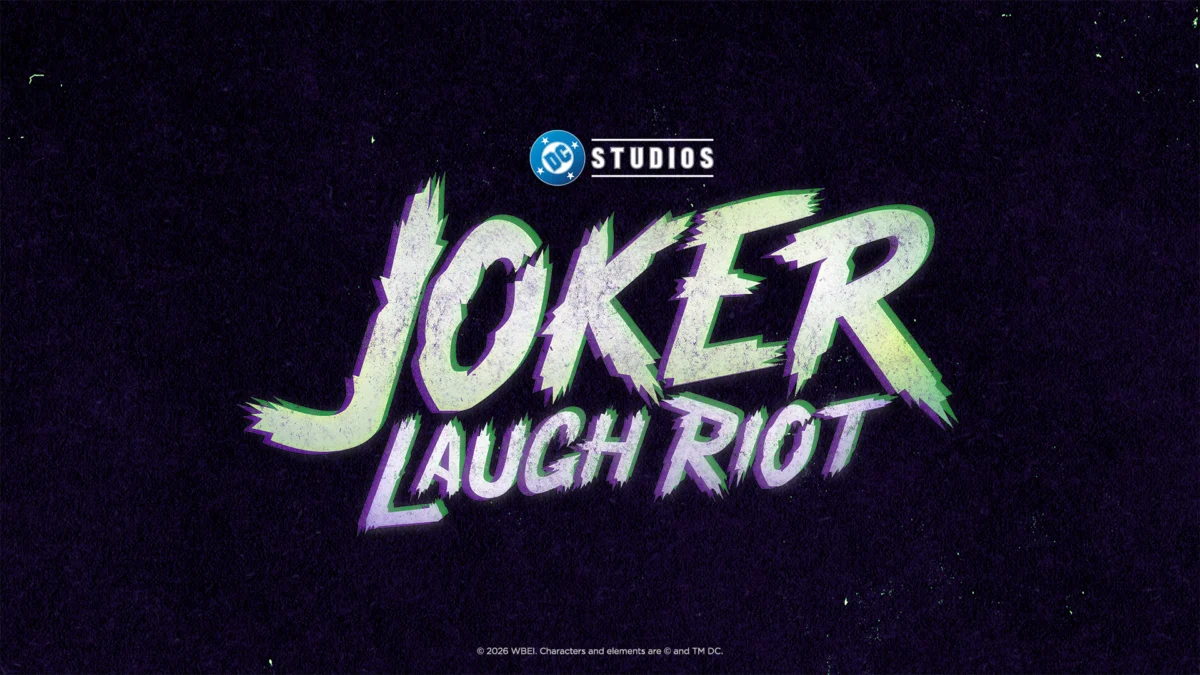
The prestigious Annecy International Animation Film Festival, held against the picturesque backdrop of the French Alps, became the epicenter of comic book history this week. In a landmark joint studio presentation at the historic Bonlieu theater, DC Studios and Warner Bros. Animation (WBA) pulled back the curtain on an ambitious, multi-faceted slate of upcoming projects. This showcase, marked by the presence of DC Studios co-chairmen Peter Safran and WBA president Sam Register, signaled a definitive shift in strategy: a deeper, more aggressive dive into adult-oriented animation, the integration of global anime aesthetics, and a continued commitment to genre-defining family content.
Main Facts: The New Slate
The announcement centered on three primary pillars that represent the diversification of the DC brand:
- Joker: Laugh Riot: In a historic first for the studio, DC is launching a standalone anime series. Developed in partnership with Sola Entertainment, this series will be helmed by Yasuhiro Aoki, the visionary director behind The Lord of the Rings: The War of the Rohirrim. The narrative follows a destabilized Joker navigating Gotham’s criminal underworld in a desperate, violent search for the person who eliminated his greatest adversary—Batman.
- Absolute Batman: Expanding on the massive success of the comic book series of the same name, DC confirmed an adult animated adaptation. Spearheaded by writer Scott Snyder and artist Nick Dragotta, the project promises to bring the gritty, high-stakes aesthetic of the "Absolute" universe to the screen, with Snyder serving as showrunner and executive producer.
- Krypto: In a stark tonal departure from the previous two, WBA announced a new series featuring Superman’s canine companion. Created by C.H. Greenblatt—the creative force behind Chowder and Jellystone—the series promises a comedic, high-energy take on the DC universe, focusing on a group of misfit criminals who find themselves inadvertently redeemed by the chaotic, destructive energy of a super-powered dog.
Chronology and Industry Trajectory
The journey to these announcements has been one of calculated patience and strategic positioning. Warner Bros. Animation has been a staple of the Annecy festival for years, using the venue as a testing ground for experimental works.
The timeline of this creative pivot began roughly three years ago, when the first whispers of the Get Jiro adaptation emerged. Since then, WBA has systematically built its "action and anime" portfolio under the guidance of Jason DeMarco, Senior VP of action and anime development. DeMarco’s influence is evident in the studio’s recent collaborations with Adult Swim, including the Rick and Morty anime, Lazarus, and Uzumaki. By bringing Joker: Laugh Riot into the fold, DC is formalizing its status as a major player in the global anime market, rather than just a licensor of Western superhero IP.

The Get Jiro project, a gritty Vertigo-imprint adaptation, has served as a cornerstone of this transition, moving from a conceptual announcement three years ago to a "work-in-progress" highlight last year, and finally to its upcoming fall premiere. This deliberate pacing demonstrates that WBA is prioritizing quality and aesthetic cohesion over the rapid-fire production cycles that often plague the genre.
Supporting Data: Why Now?
The confidence behind these greenlights is rooted in empirical success. The "Absolute" comic book line has been a commercial juggernaut, selling over 6 million copies to date. The first issue of Absolute Batman was so successful that it necessitated an eleventh printing, cementing it as one of the top 10 best-selling comics of 2025. By greenlighting an animated version of a property that has already proven its cultural and financial resonance, DC is hedging its bets in an increasingly volatile media landscape.
Furthermore, the surge in popularity of adult animation—driven by the successes of Creature Commandos and the long-anticipated Batman: Caped Crusader—has provided the studios with the data needed to justify higher budgets and more mature storytelling. The inclusion of Teen Titans Go!—now the longest-running series in DC history, with a tenth season currently in production—serves as the anchor, providing a steady revenue stream that allows for the creative risks associated with Joker: Laugh Riot and Absolute Batman.
Official Responses and Creative Vision
The atmosphere at the Bonlieu theater was electric, characterized by cheers from a crowd of industry professionals and hardcore animation enthusiasts. During the presentation, Peter Safran and Sam Register emphasized that these projects are not merely "DC content," but auteur-driven expressions of the characters.

"We are building a tapestry that spans every demographic," Safran stated, addressing the audience. "Whether it is the dark, visceral psychological thriller of the Joker or the anarchic, fun-filled world of Krypto, our goal is to treat these characters as legends that deserve distinct, high-quality visual identities."
Creative leads echoed this sentiment. Scott Snyder, discussing the transition of Absolute Batman to animation, noted that the adaptation would lean into the "visceral and raw" nature of the source material. Meanwhile, the announcement of Krypto was accompanied by early concept art that highlighted a "misfit" aesthetic, a clear departure from the traditional, polished look of DC’s previous animated features.
Implications for the Future of DC Animation
The implications of this presentation are twofold. First, DC is clearly moving away from the "unified" animation style that dominated the mid-2010s. By embracing anime styles, traditional Western comedy aesthetics, and hyper-stylized adult drama, the studio is signaling a shift toward a "multiverse" of artistic styles. This is a direct response to the success of Sony’s Spider-Verse films, which proved that audiences crave visual variety.
Second, the move to include more Vertigo-imprint and mature-themed content suggests that DC intends to capture the aging core audience of comic book readers—the same generation that grew up on Batman: The Animated Series and is now looking for stories that reflect their adult sensibilities.

The upcoming slate is a testament to the studio’s broader, long-term strategy:
- Diversification: By balancing the slate between Krypto (kids/family), Batman: Caped Crusader (young adult/adult), and Joker: Laugh Riot (niche/anime), DC is ensuring that it remains relevant across all segments of the streaming market.
- Global Reach: Partnering with Japanese studios like Sola Entertainment is a crucial tactical maneuver. As anime continues to dominate global streaming metrics, the ability to produce authentic, high-quality anime in-house—or through trusted partners—is an essential competitive advantage.
- The "Legacy" Model: By continuing to support long-running hits like Teen Titans Go! while simultaneously launching risky, new IPs, DC is attempting to build a sustainable ecosystem that values both established familiarity and creative innovation.
As the industry looks toward the fall premieres of Get Jiro and the July 31 launch of Batman: Caped Crusader on Prime Video, the energy in Annecy serves as a harbinger of things to come. DC Studios and Warner Bros. Animation are no longer just making cartoons; they are crafting a multi-generational, multi-stylistic legacy that seeks to redefine what a superhero story can look like in the modern era. Whether through the lens of a gritty anime in Gotham or the comedic misadventures of a super-dog, the message is clear: the future of DC is animated, and it is more diverse than ever.
 Asep Darmawan
  Azzam Bilal Chamdy