
 By Basiran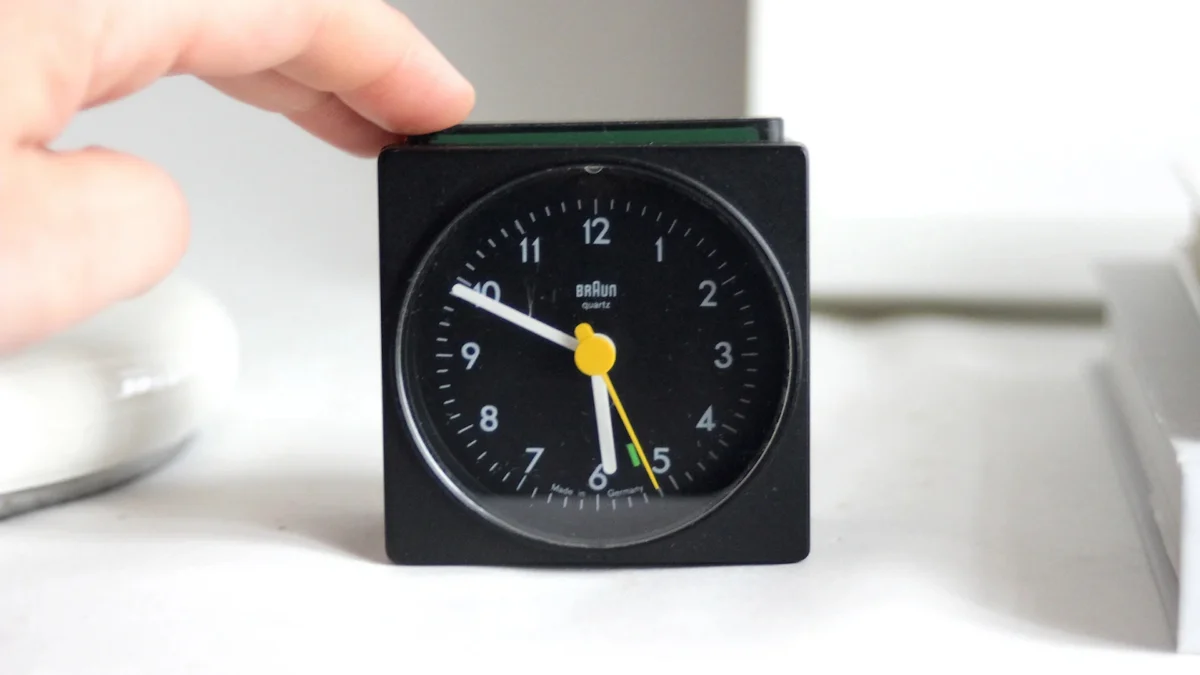
"But I need it for the alarm clock!" It is the modern refrain—the defensive shield wielded by millions who refuse to detach from their smartphones at night. For many, the smartphone is the last thing they see before sleep and the first thing they touch upon waking. However, as the digital landscape grows increasingly cluttered, a growing movement of design enthusiasts and wellness-conscious individuals are returning to the analog world.
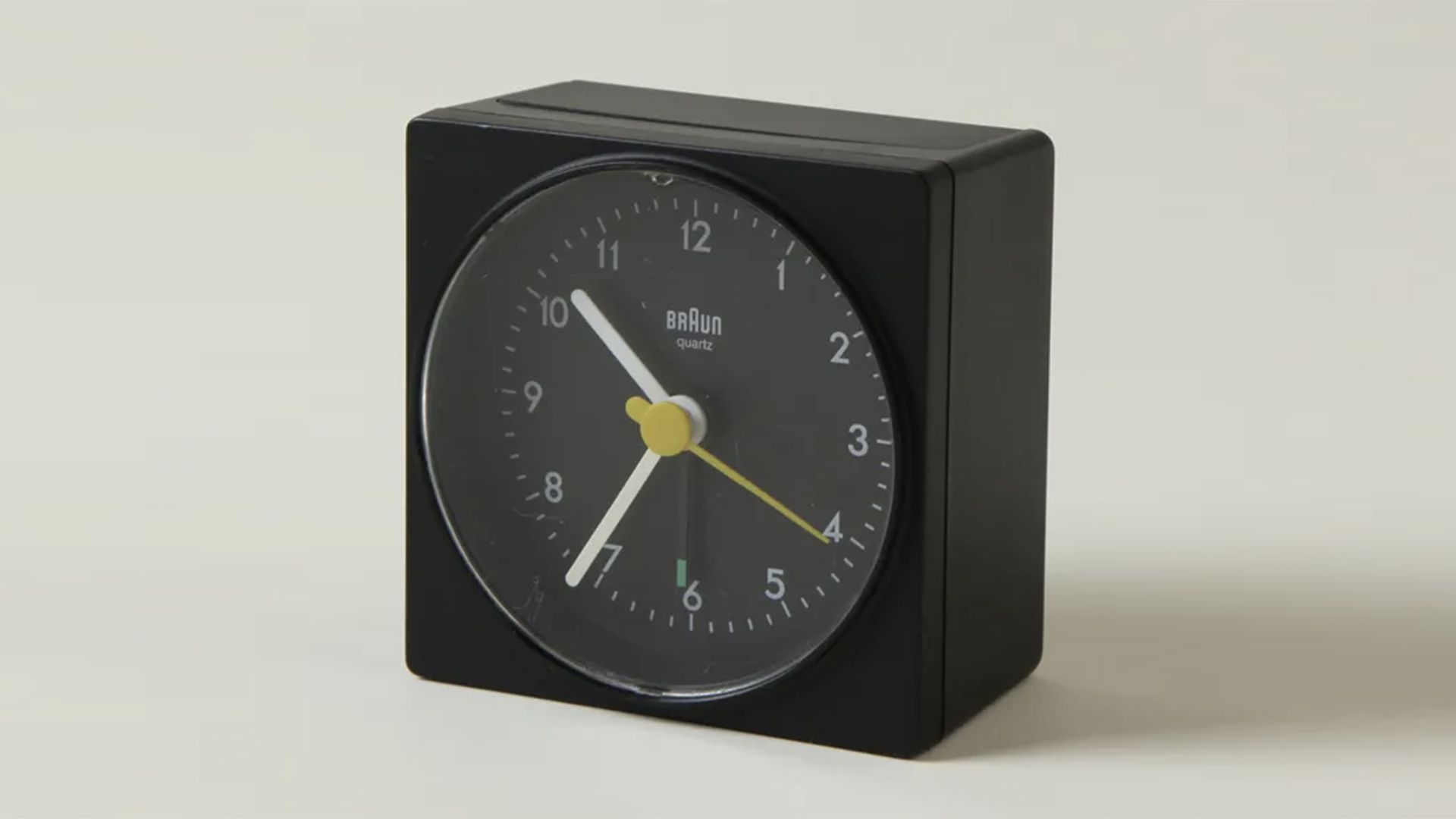
The centerpiece of this quiet revolution is the humble alarm clock. Specifically, the Braun BC03B, a modern successor to the legendary AB1 travel clock, is currently experiencing a renaissance. As part of a broader trend of design-led living, this functional icon is currently available on Amazon at a 24% discount, dropping from £26 to £20.
The Main Facts: A Masterpiece of Functionalist Design
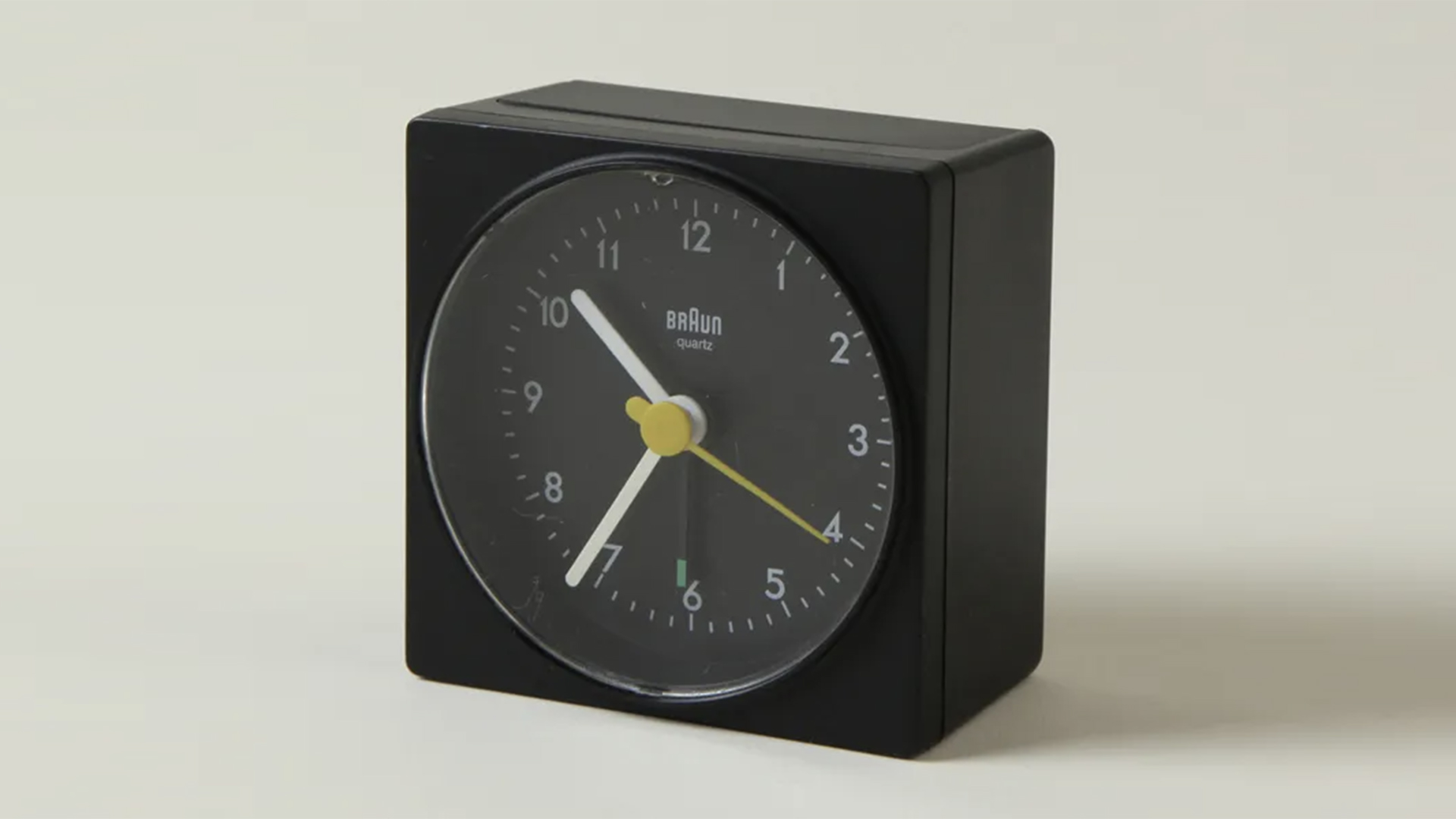
The Braun BC03B is not merely a timepiece; it is a manifestation of the "less but better" philosophy championed by Dieter Rams, the legendary head of design at Braun from 1961 to 1995. The BC03B maintains the minimalist integrity of the original 1971 AB1, featuring a clean, round face, high-contrast markers, and that unmistakable yellow second hand that has become a hallmark of 20th-century industrial design.
While the aesthetic remains true to its mid-century roots, the BC03B incorporates necessary modern conveniences. It features an integrated light-up face for nighttime legibility and a reliable snooze function, ensuring that while it honors the past, it serves the needs of a contemporary user. This intersection of historical prestige and modern utility makes it a standout piece in a market otherwise saturated with disposable, plastic smart-gadgets.
A Chronology of Design: From 1971 to the Digital Age
To understand why the Braun alarm clock holds such cultural weight, one must look back at the trajectory of Braun’s design language.
- 1971: The original AB1 travel clock is introduced. It becomes an instant success, lauded for its portability and its adherence to the principles of simplicity.
- The 1980s and 90s: Dieter Rams’ influence reaches its peak. His "Ten Principles of Good Design" become the gold standard for industrial designers worldwide, influencing everyone from Jony Ive at Apple to the engineers behind the modern smart home.
- The Early 2000s: The rise of the smartphone effectively "kills" the standalone alarm clock market. As the iPhone and its competitors subsume the functionality of clocks, cameras, and music players, the bedside alarm clock becomes an endangered species.
- 2020-Present: A post-pandemic shift toward "digital minimalism." As users grapple with the mental health impacts of "doomscrolling"—the habit of consuming negative news feeds late into the night—the demand for analog alternatives surges.
Supporting Data: The Science of Sleep and Digital Hygiene
The decision to replace a phone with a dedicated alarm clock is supported by a growing body of research into digital hygiene. According to sleep specialists, the blue light emitted by smartphone screens suppresses melatonin, the hormone responsible for regulating the sleep-wake cycle.
Furthermore, the psychological impact of constant connectivity cannot be overstated. A study by the American Psychological Association found that individuals who check their devices immediately upon waking report significantly higher levels of cortisol—the stress hormone—compared to those who have a "buffer" period in the morning. By removing the phone from the bedside, users are effectively creating a boundary, reclaiming the sanctity of their sleep environment.
The commercial data supports this trend as well. During major sales events like Amazon Prime Day, there has been a notable uptick in searches for "analog home decor" and "minimalist clocks." Retailers are finding that consumers are willing to pay a premium for objects that serve a singular purpose effectively, rather than devices that do everything poorly.
The Implications: Why Design Icons Matter in a Smart World
The resurgence of the Braun clock is not just about timekeeping; it is about intentional living. When we choose to buy a design icon, we are rejecting the "planned obsolescence" that characterizes much of modern consumer tech.
The Philosophy of "Less But Better"
Dieter Rams once noted that good design should be as little design as possible. In a world of IoT (Internet of Things) devices that require firmware updates, Wi-Fi connections, and constant charging, the Braun BC03B is an act of rebellion. It works because it is mechanical and simple. It doesn’t need to be paired with an app, it doesn’t collect your data, and it doesn’t ping you with notifications at 3:00 AM.
The Rise of "Analog Productivity"
There is a rising movement of professionals, writers, and creatives who are actively "de-smarting" their lives. By moving the alarm clock to a dedicated device, the bedroom becomes a sanctuary for rest rather than a satellite office. This shift, often dubbed "analog productivity," suggests that by stripping away the distractions of the digital world, we actually increase our focus and mental clarity.
Official Responses and Industry Perspectives
Design critics and industry leaders have long pointed to Braun as the benchmark for how technology should feel. In recent years, companies like Apple have frequently paid homage to Braun’s aesthetic. While some argue that smart devices are superior due to their multi-functionality, design historians argue that the "death" of single-purpose devices was a mistake.
"We have reached peak saturation," says a design analyst familiar with the current market shifts. "Consumers are tired of devices that demand their attention. They want products that are beautiful, reliable, and subservient to the user, rather than products that demand the user’s engagement. The Braun clock is the antithesis of the notification-heavy smart-home experience."
Conclusion: A Small Change with a Big Impact
The shift back to an analog alarm clock is, at its heart, a return to control. In an era where algorithms dictate our news feeds and our schedules, keeping a simple, beautifully designed object by our bed is a way to reclaim our morning autonomy.
Whether you are a fan of Dieter Rams’ mid-century modern aesthetic or simply a sleep-deprived individual looking to break the cycle of late-night doomscrolling, the Braun BC03B offers a rare opportunity. It is a piece of history that remains perfectly functional in the 21st century.
At its current discounted price of £20, it represents one of the most cost-effective investments in personal wellness available today. It is a reminder that sometimes, the most sophisticated solution to a modern problem is the one that has been sitting right in front of us since 1971. As we continue to navigate a world of infinite digital noise, the quiet, steady ticking of a classic alarm clock is perhaps the most luxurious sound of all.
 Lina Hope
  Reynand Wu
  Pevita Pearce