
 By Lina Hope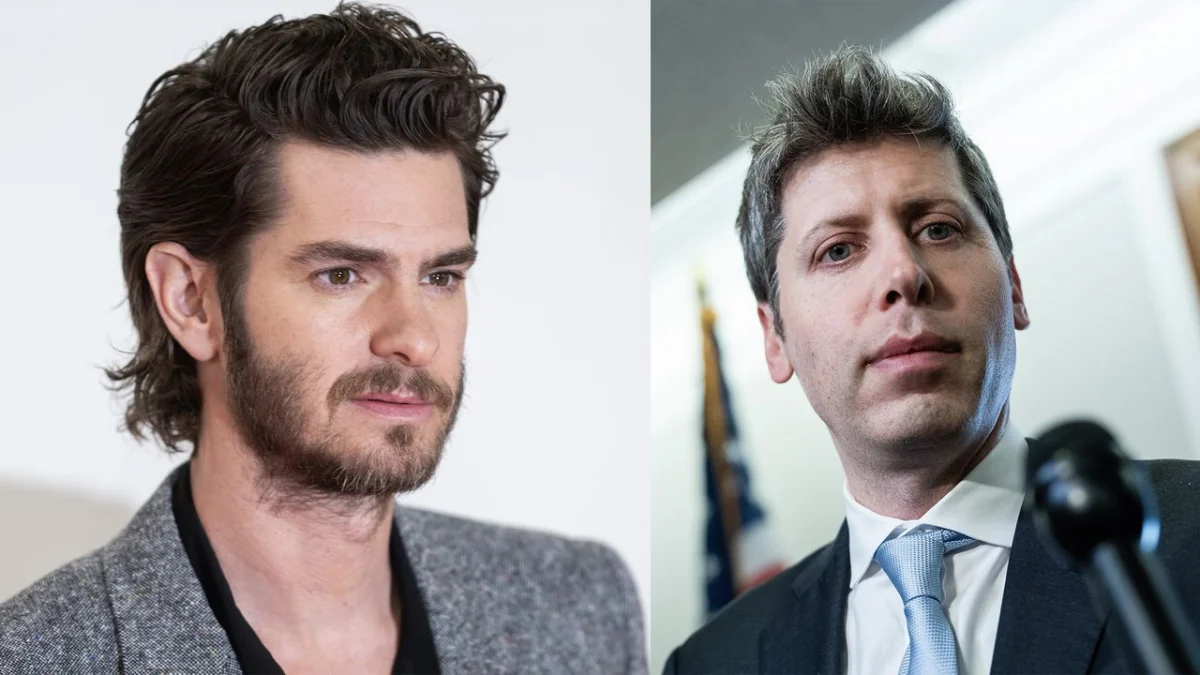
In a move that has sent shockwaves through both Hollywood and the tech industry, Amazon has abruptly severed ties with the highly anticipated film Artificial. Directed by the critically acclaimed Luca Guadagnino—known for the visual splendor of Call Me By Your Name and the kinetic energy of Challengers—the project promised a deep, unflinching look at the chaotic internal politics of OpenAI.
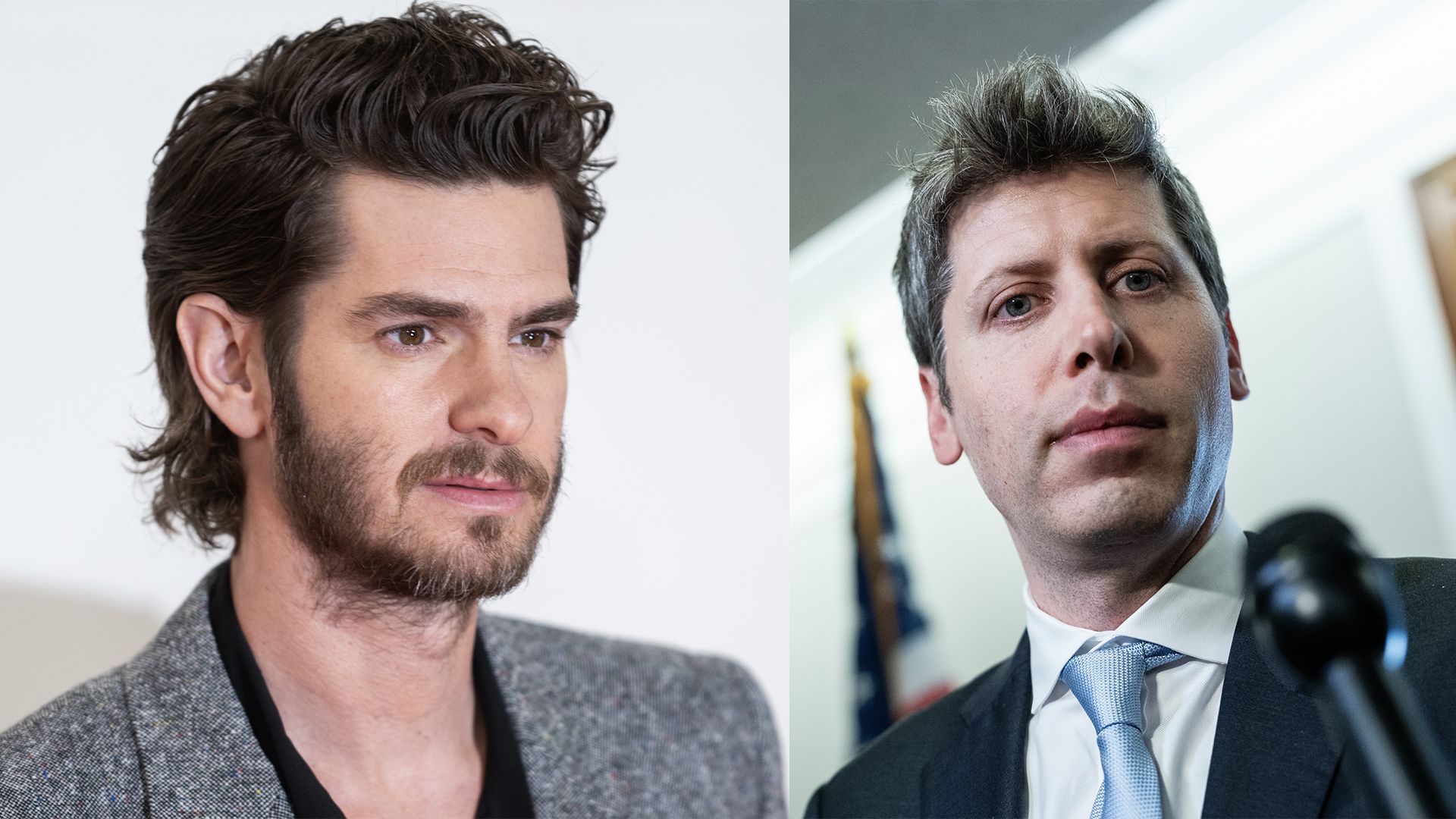
Starring Andrew Garfield as the controversial CEO Sam Altman, the film was designed to chronicle the dramatic 2023 boardroom coup that saw Altman ousted and subsequently reinstated within a tumultuous five-day window. Instead of a theatrical rollout, however, Amazon has effectively orphaned the film, leaving a finished, high-profile production without a distributor.
The decision has ignited a firestorm of speculation, with industry observers questioning whether the intersection of big tech and media distribution is beginning to erode artistic independence.
The Chronology of a Corporate Divorce
To understand the gravity of Amazon’s decision, one must look at the timeline of the film’s development. Artificial was positioned as a prestige project, moving from script to near-completion at an aggressive pace that mirrored the frantic nature of the AI race itself.
- Late 2023: Following the global fascination with the "Altman Affair," reports emerge that several studios are bidding for rights to the story.
- Early 2024: Luca Guadagnino is tapped to direct, bringing a sense of auteur-driven legitimacy to the project. Andrew Garfield is cast as Sam Altman, a role that generates significant buzz for the upcoming awards season.
- Mid-2024: Production moves forward. Test screenings in Los Angeles are reportedly met with a "warm reception," with critics praising the film’s tense pacing and Garfield’s nuanced performance.
- Early 2026: Amazon and OpenAI announce a massive $50 billion "strategic partnership," aimed at integrating advanced enterprise AI into Amazon Web Services (AWS).
- June 2026: Amazon announces it is dropping Artificial. Despite the film being essentially "in the can," the studio declares it is no longer the right fit for their distribution slate.
A Conflict of Interest? The $50 Billion Elephant in the Room
The most compelling evidence for the "conspiracy theory" surrounding the film’s cancellation is the financial entanglement between Amazon and OpenAI. When a corporation invests $50 billion into a partner, the optics of releasing a film that paints the leader of that partner company in a negative light become undeniably treacherous.
Insiders close to the production have suggested that the script, penned by a team of high-profile screenwriters, offers a "not-so-sympathetic portrait of Altman." If the film depicts the OpenAI CEO as an architect of chaos rather than a visionary hero, it creates a direct friction point with Amazon’s current corporate strategy.
In the modern landscape of conglomerates, the lines between "Studio," "Tech Giant," and "Corporate Partner" have blurred. Critics are now pointing to this incident as the latest example of "distribution-as-influence." If Amazon is paying $50 billion for a seat at the OpenAI table, does that investment include the right to bury unflattering narratives?
Official Responses and Corporate Diplomacy
Amazon’s official stance on the matter is one of polite detachment. In a statement released to Variety, a spokesperson for the studio navigated the controversy with carefully curated language:
"We have the utmost respect and admiration for Luca Guadagnino as an award-winning filmmaker—not to mention a longstanding relationship that we hope to continue. We believe that Artificial will be better served if it were released by a different studio and are working closely with the filmmaking team to find the film a new home."
While the statement emphasizes "respect" and "admiration," it conspicuously avoids addressing the elephant in the room: why dump a finished, high-quality film from an Academy Award-nominated director just months before its intended release?
By framing the decision as an act of "service" to the film—suggesting it would be "better served" elsewhere—Amazon is engaging in a classic PR maneuver known as the "good-faith exit." However, industry analysts remain skeptical. A film that is "ready for release" rarely benefits from the uncertainty of being dropped by a major studio. Finding a new distributor for a finished film is notoriously difficult, as it often suggests to competitors that the project is "damaged goods."
The Broader Implications: Art vs. Corporate Alignment
The abandonment of Artificial is not happening in a vacuum. It follows a growing pattern of skepticism regarding Amazon’s involvement in media production. Earlier in 2026, questions were raised about the fate of a documentary concerning Melania Trump, which many speculated was shelved to curry favor with the incoming political establishment.
The Erosion of Artistic Independence
When a distributor is also a massive tech player, the stakes for content creators increase. If a film threatens a major strategic partnership, does the artistic merit of that film matter?
In the 20th century, Hollywood studios were primarily in the business of making movies. Today, companies like Amazon, Apple, and Google treat media as a loss-leader or a subsidiary of a much larger ecosystem. When the movie business becomes a tiny slice of a trillion-dollar pie, the "integrity" of a project is often the first thing to be sacrificed at the altar of quarterly earnings and cloud-computing partnerships.
The "Altman" Factor
Sam Altman represents the current apex of Silicon Valley power. He is the face of the most significant technological shift of the decade. A film about him is not just entertainment; it is an investigation into the morality of the people building our future. By suppressing such a film, Amazon potentially shields its partner from public scrutiny, creating a chilling effect for future investigative or biographical storytelling.
What’s Next for Artificial?
The film is currently in a state of limbo. While the filmmakers are reportedly searching for a new home, the "stigma" of being dropped by Amazon may prove to be a significant hurdle. However, there is a silver lining. If the film is as good as the early test screenings suggest, it could find a home with a more independent distributor or a boutique streamer that thrives on controversy.
For Luca Guadagnino and Andrew Garfield, the situation is undoubtedly frustrating. Guadagnino, known for his uncompromising visual language, is not a director who typically settles for corporate sanitization. Whether he will be forced to edit the film to satisfy a potential new buyer, or whether he will stand by his vision, remains to be seen.
Conclusion: A Turning Point for Hollywood
The case of Artificial serves as a sobering reminder of the power dynamics in modern entertainment. We are witnessing a transition from the "Golden Age of Streaming," where studios were desperate for content to fuel their growth, to a "Consolidation Era," where content is evaluated based on its alignment with corporate strategy rather than its ability to provoke, educate, or entertain.
As the industry watches to see if Artificial ever makes it to the big screen, the question remains: are we entering an era where the most important stories—the ones about the people shaping our world—are the very stories that we are no longer allowed to see?
For now, Artificial sits in the vault. And in the halls of Amazon and the offices of OpenAI, it is likely that no one is in a hurry to see it come out. If you were looking forward to a deep dive into the soul of the AI revolution, you might have to wait a little longer—or hope that a studio with less to lose decides to pick up the tab.
 Reynand Wu
  Pevita Pearce