
 By Nana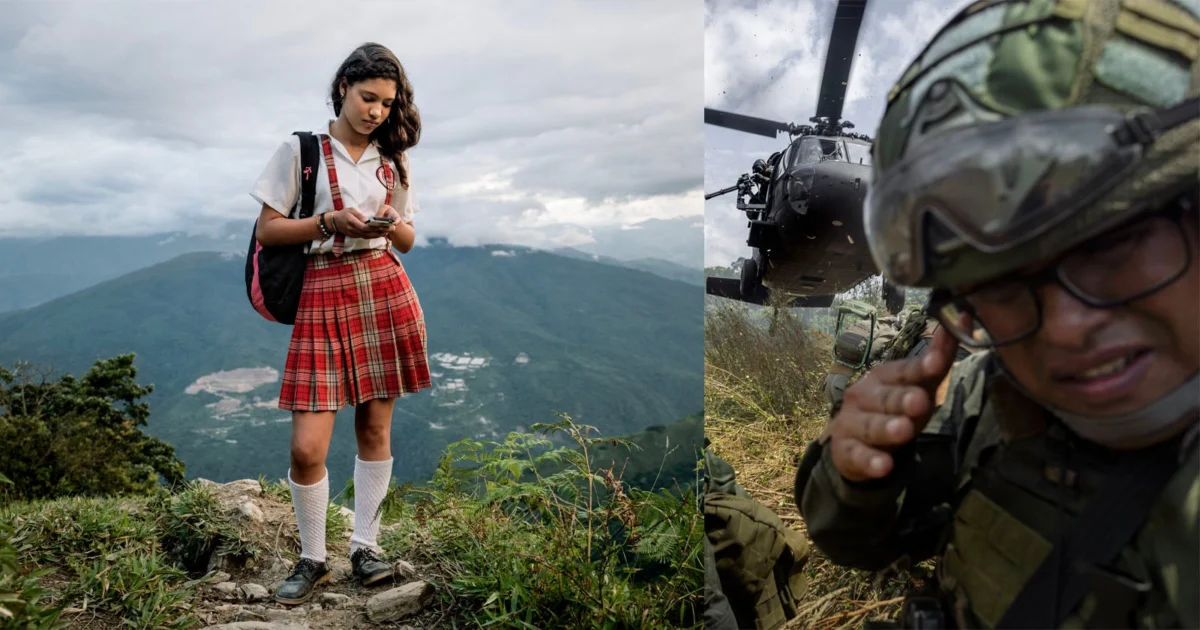
For more than half a century, the international community has waged a “War on Drugs,” a multi-billion-dollar endeavor defined by prohibition, eradication, and militarization. Yet, as of 2026, the consumption and production of cocaine have reached historic peaks. While Western markets increasingly view the substance as a casual, albeit illicit, party commodity, the reality on the ground—particularly in Latin America—is a harrowing cycle of bloodshed, systemic corruption, and societal destabilization.
Danish photographer Mads Nissen’s latest work, Sangre Blanca (White Blood), offers a profound, decade-long visual autopsy of this global industry. Through his lens, Nissen captures the entire supply chain, mapping the journey from the neglected, coca-rich countryside of Colombia to the opulent, high-demand dancefloors of Europe. This is not merely a collection of photographs; it is a seminal exploration of the human cost inherent in every gram of cocaine consumed.
The Geography of Despair: A Chronology of the Trade (2016–2025)
The narrative of Sangre Blanca is built upon nearly ten years of field research. Nissen’s project tracks the evolution of the trade, documenting how the industry has adapted to shifting geopolitical landscapes and military crackdowns.
2016–2018: The Roots of Conflict
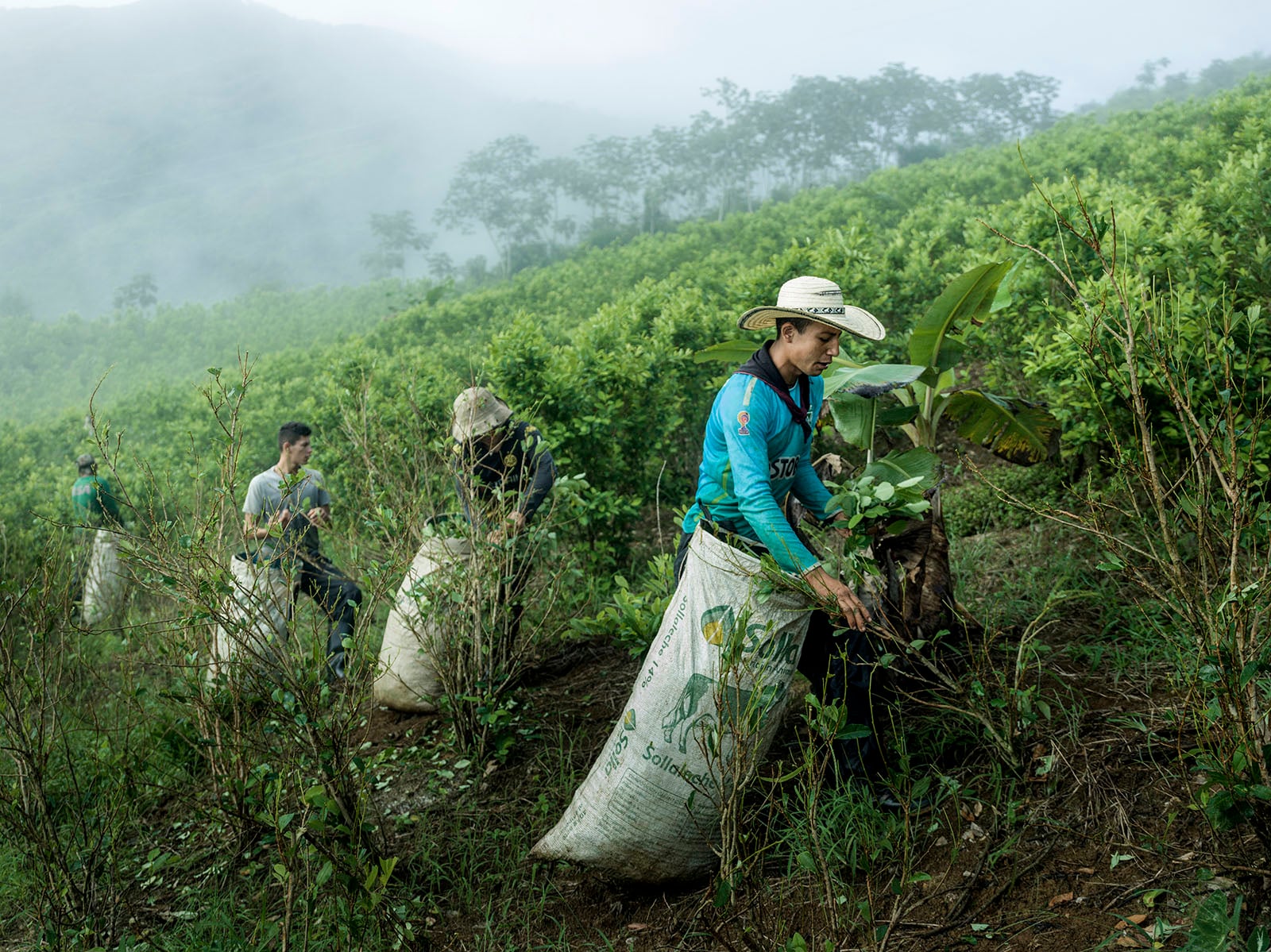
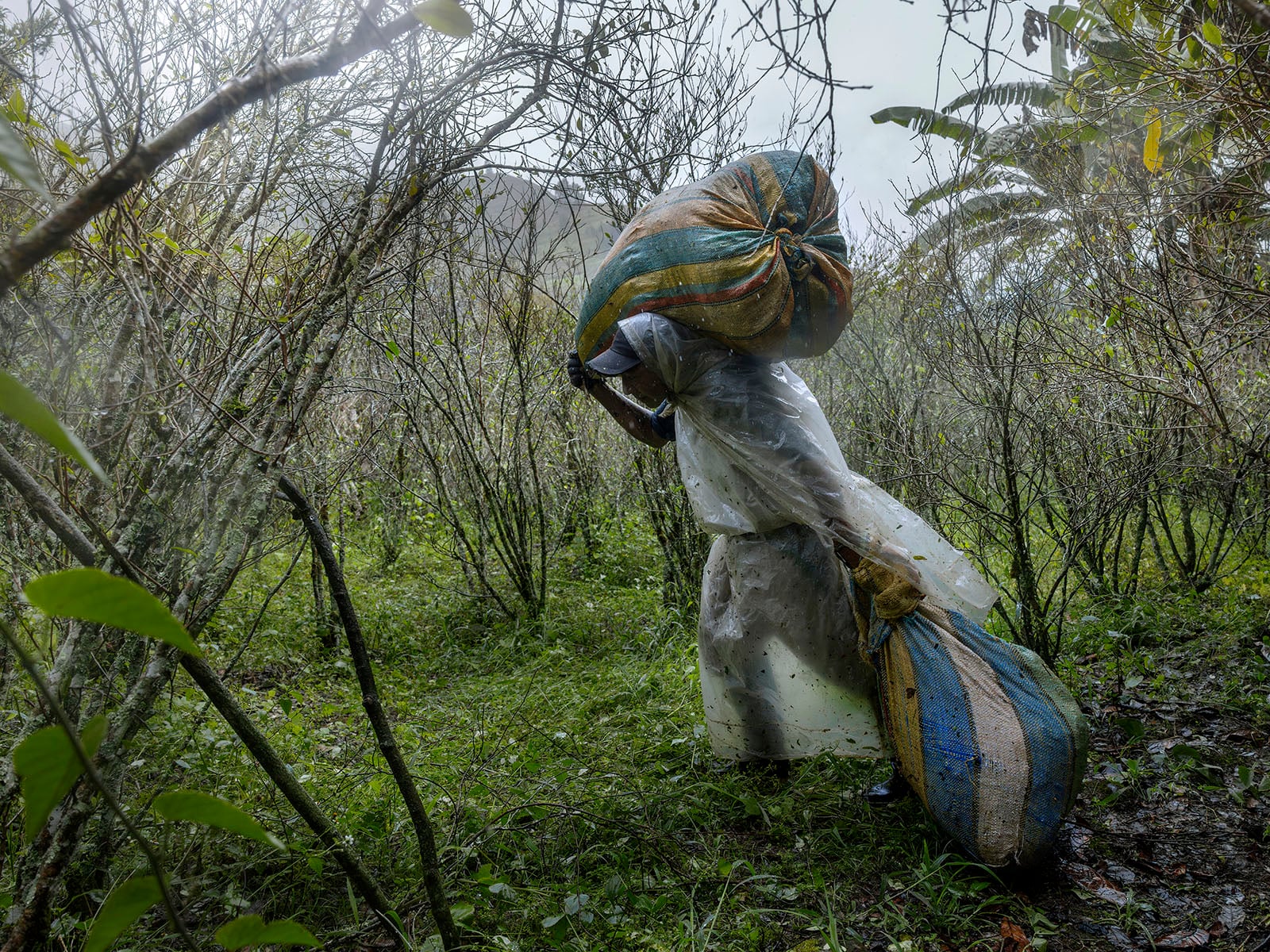
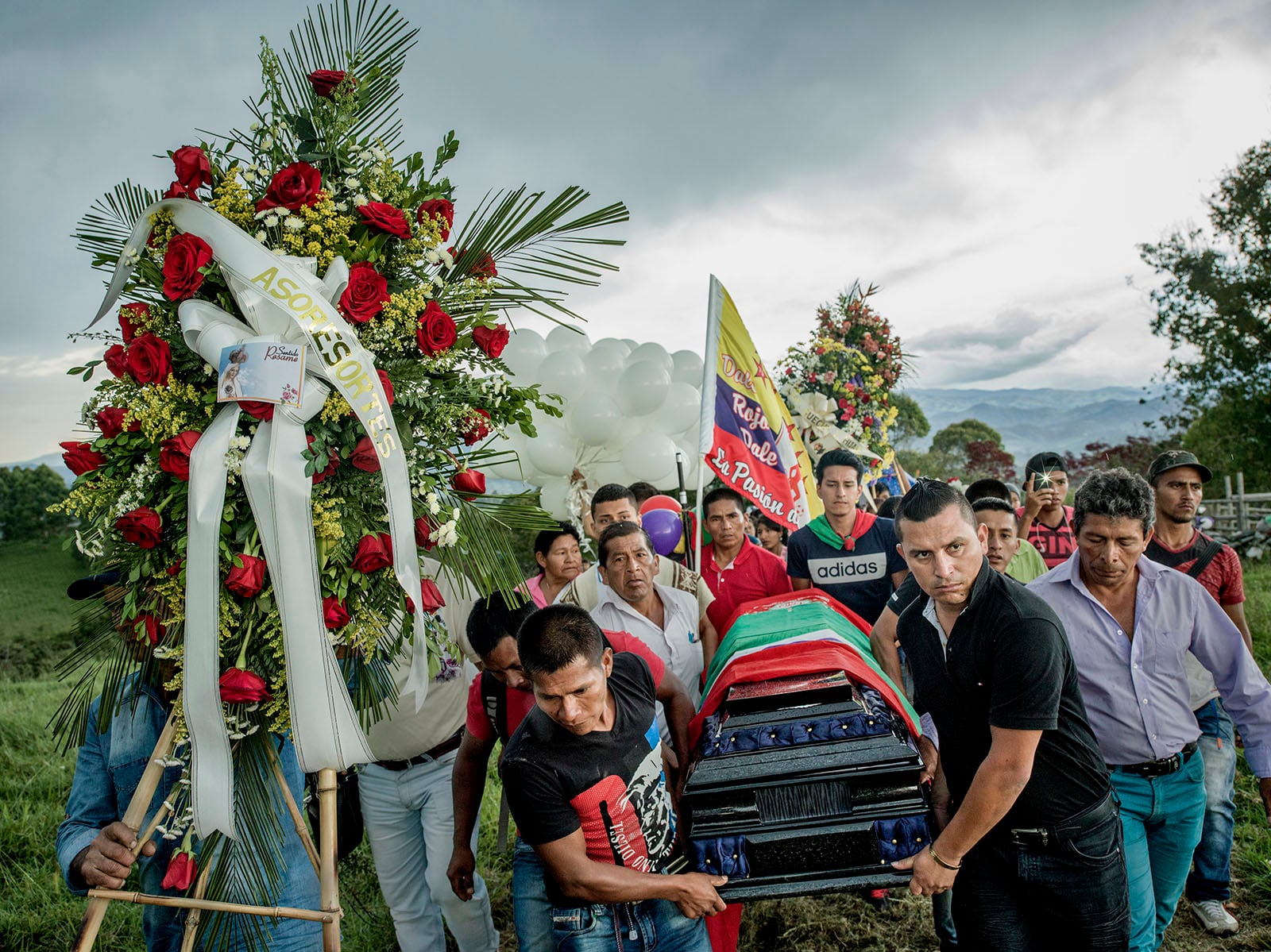
During the early years of his project, Nissen embedded himself in the rural regions of Colombia, such as Cauca and Antioquia. He documented the life of small-scale coca farmers, individuals like Ovidio, who hauls heavy sacks of coca leaves for roughly $25 a day. These images highlight the economic desperation that binds rural communities to the drug trade. This period also saw the tragic death of Gerson Acosta, an Indigenous leader and governor in Timbío, who was assassinated in 2017 for daring to oppose the armed groups attempting to seize control of ancestral lands.
2019–2022: The Militarization of the Jungle
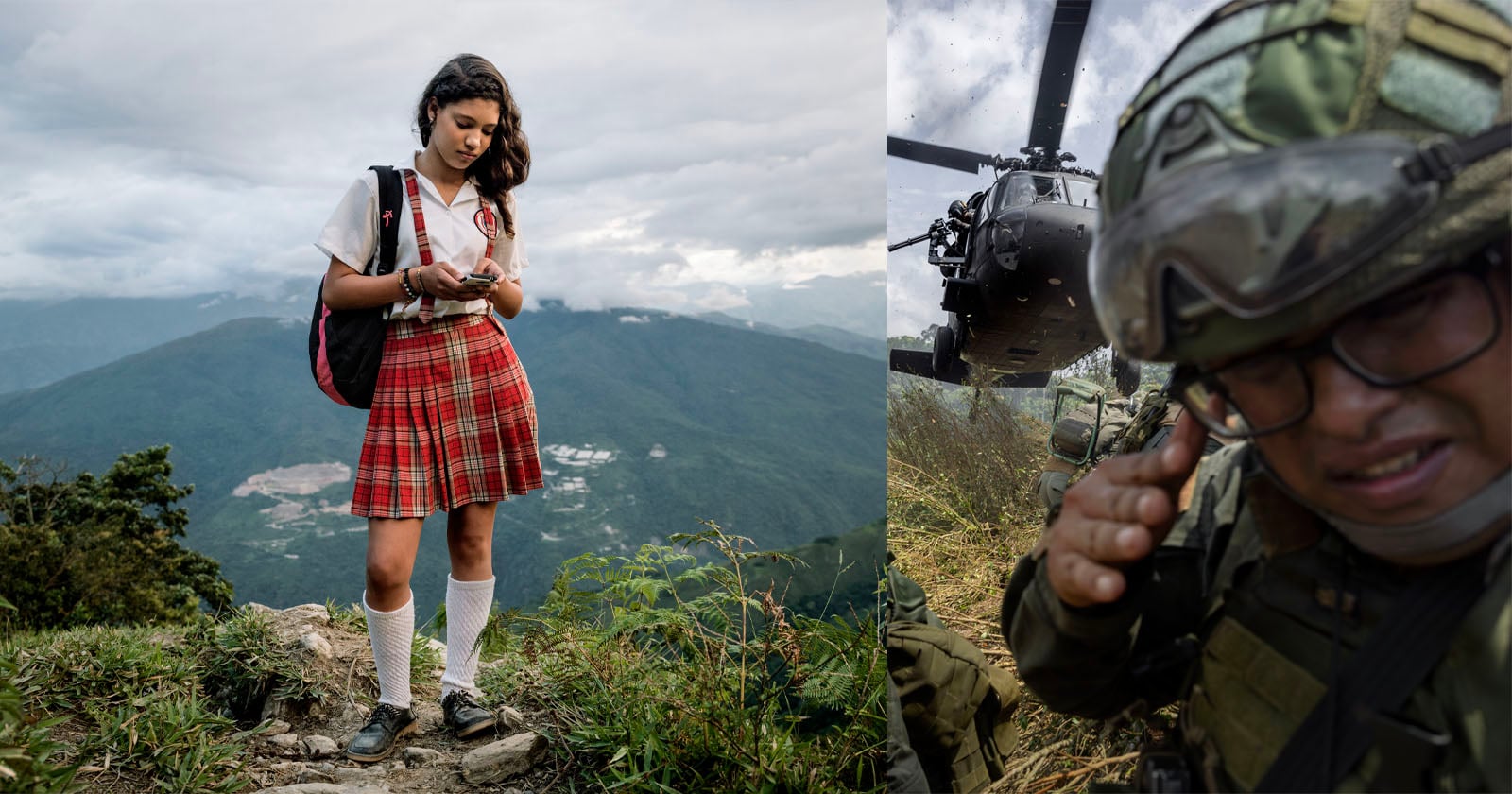
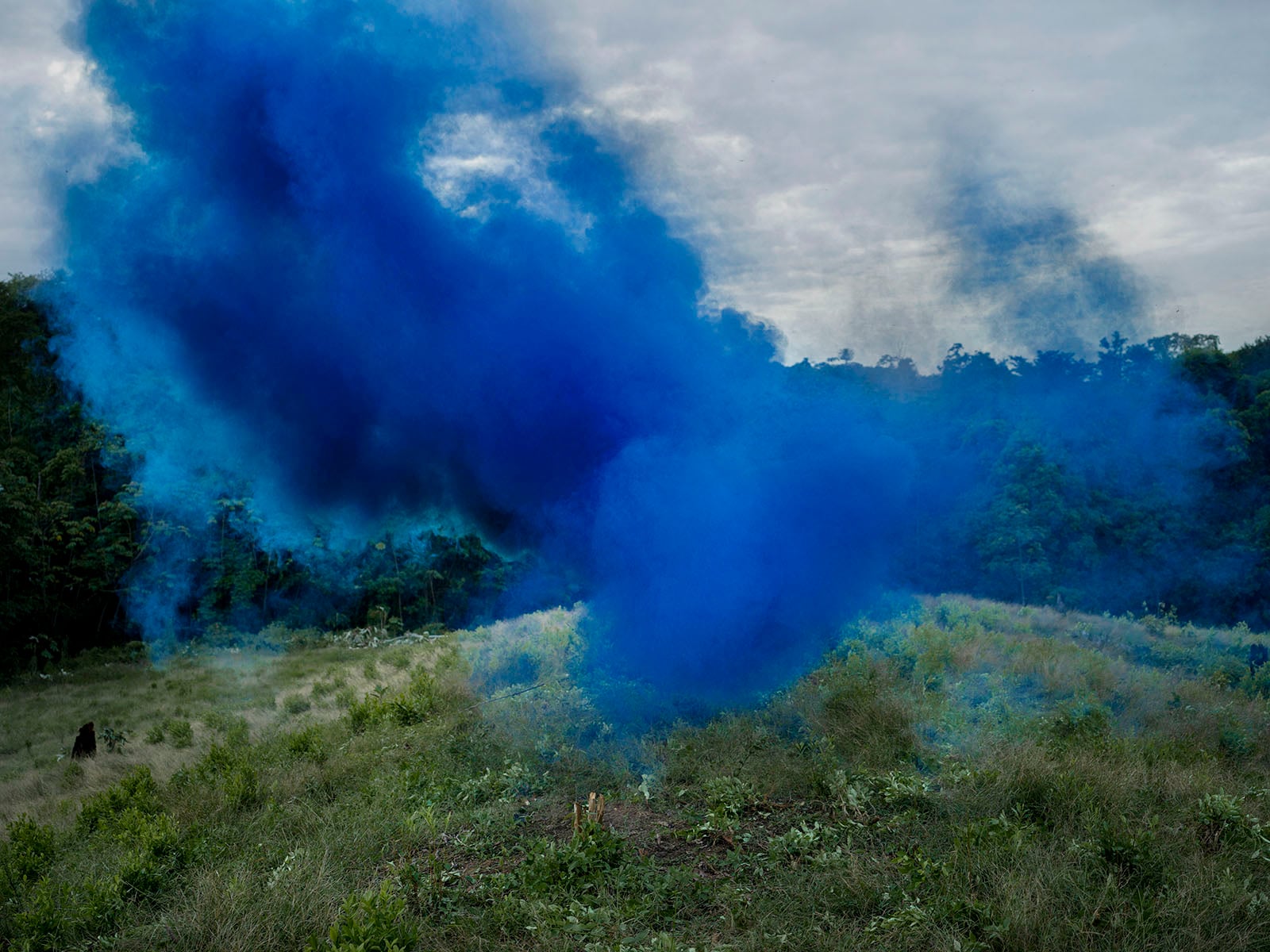
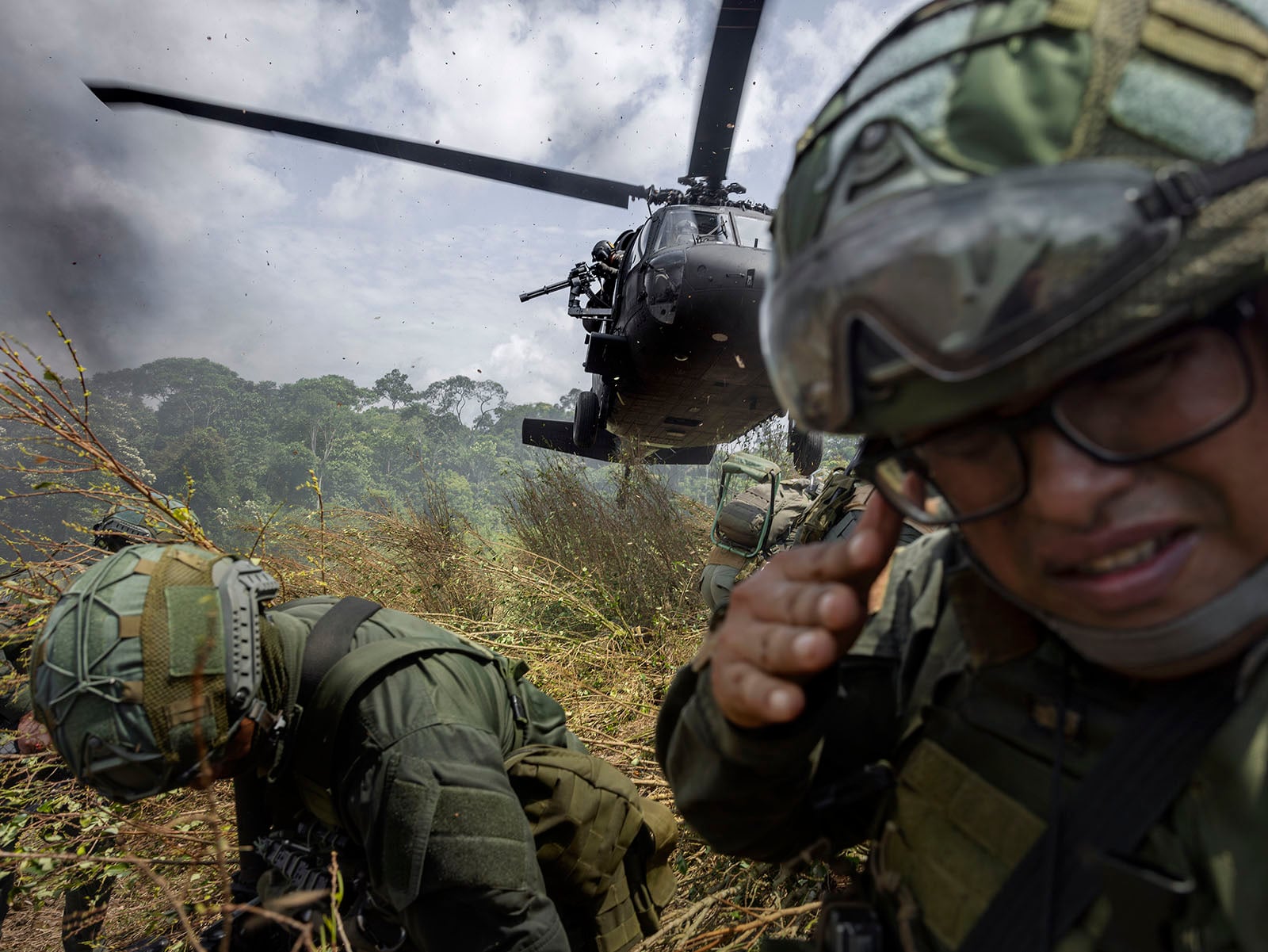
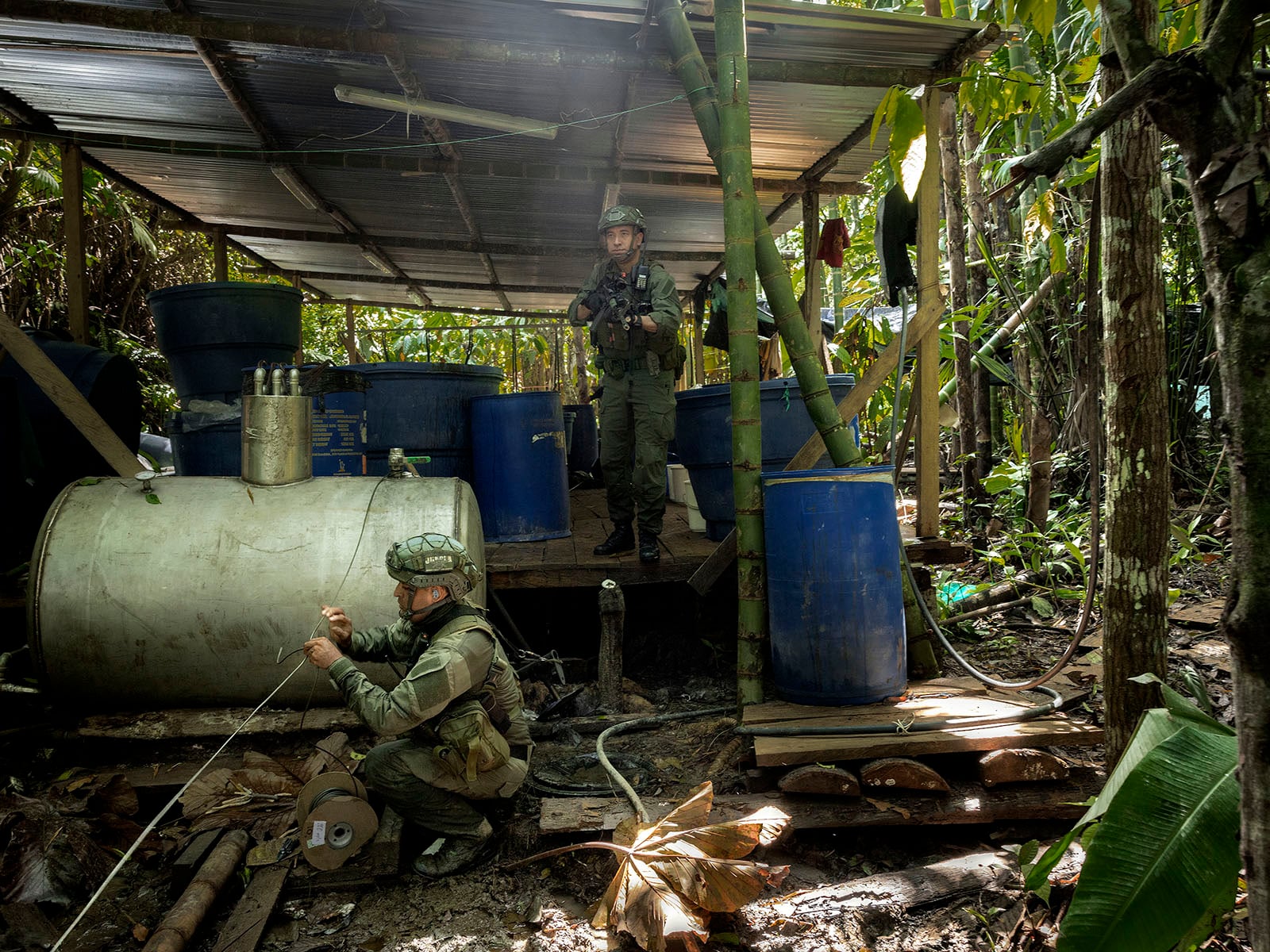
As the trade became more lucrative, the state’s response grew increasingly kinetic. Nissen photographed elite anti-narcotics units, such as Los Comandos Jungla, conducting high-stakes raids. These images, often characterized by the jarring sight of blue smoke—a signal for military helicopters—depict the precarious nature of the conflict. The soldiers, often outnumbered, navigate a landscape where every hidden laboratory represents both a tactical target and a potential site of a guerrilla ambush.
2023–2025: Consolidation and Global Integration
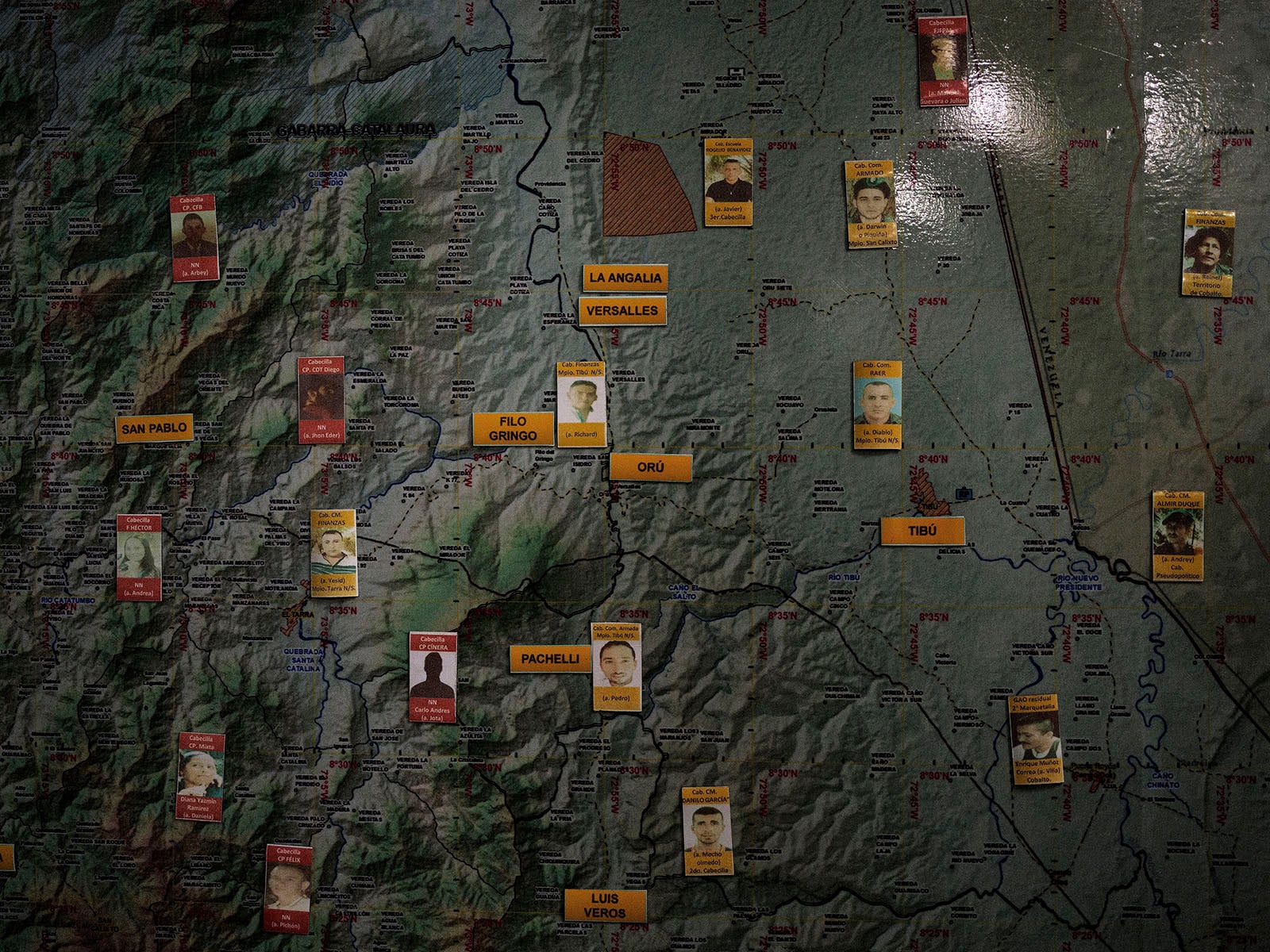
In the final years of his study, Nissen expanded his scope to the transit hubs of Mexico and the destination markets in Europe. By 2026, the trade had become more digitized and accessible. In Europe, the convenience of online ordering and doorstep delivery has created a "safe distance" for consumers, effectively sanitizing the violence required to bring the product to their homes. Meanwhile, in regions like Catatumbo, military maps are now pinned with the faces of drug lords, visualizing how territory is carved up between warring militias, such as the ELN, FARC dissidents, and the Clan del Golfo.
Supporting Data: The Anatomy of a Black Market
The statistics surrounding the cocaine trade are as staggering as the human toll. According to the United Nations Office on Drugs and Crime (UNODC), Colombia remains the undisputed epicenter of the industry, responsible for approximately two-thirds of the world’s global cocaine production.
The Production Process
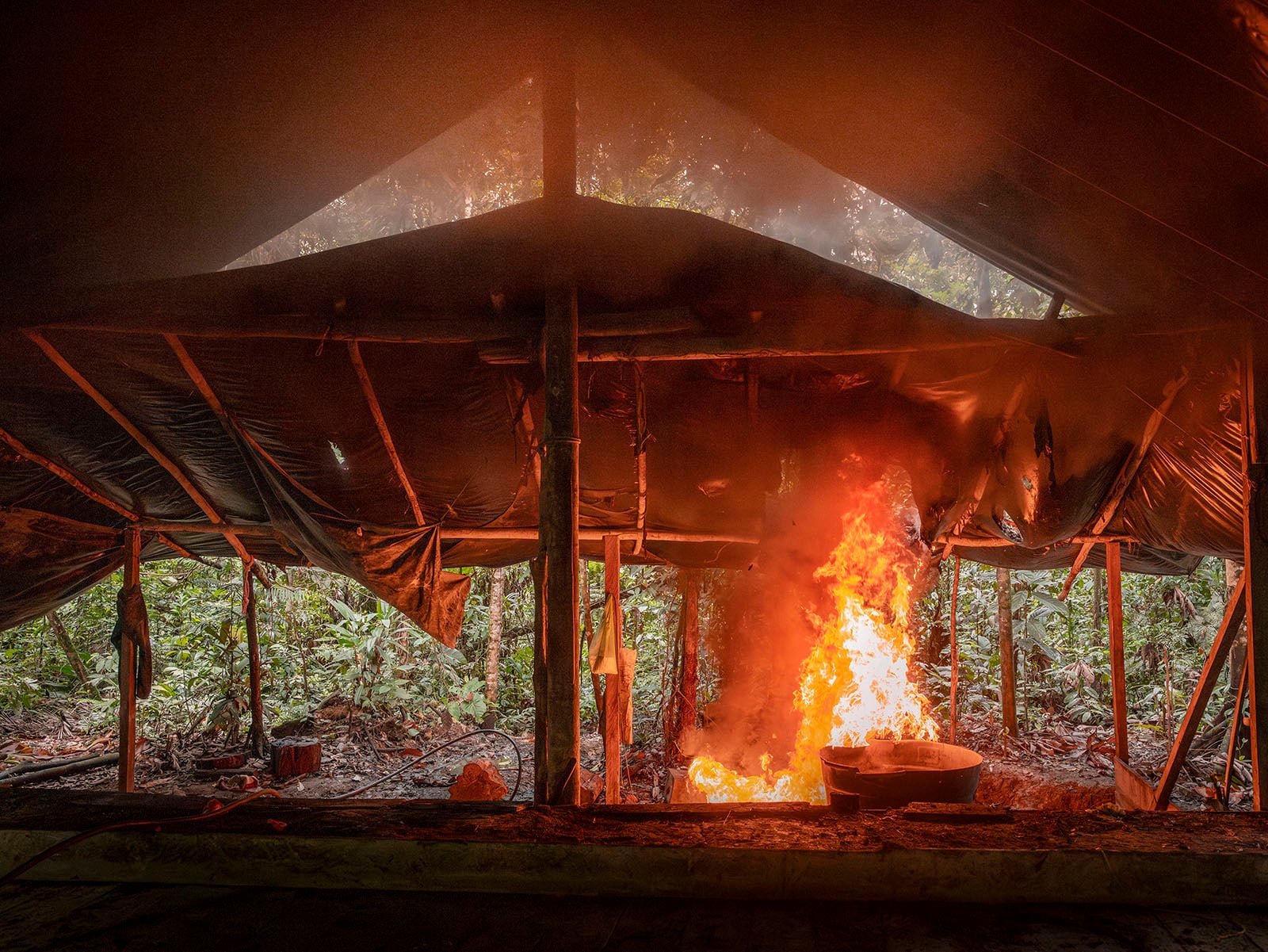
The production of cocaine is a chemical and environmental disaster. To produce a single kilogram of coca paste, processors require roughly 700 kilograms of raw leaves, mixed with a cocktail of hazardous substances: cement, ammonium, sulfuric acid, sodium permanganate, caustic soda, and massive quantities of gasoline. Nissen’s work provides a rare, intimate look at these laboratories—often rustic, open-sided structures hidden deep in the jungle—where the "cocaine alkaloid" is painstakingly isolated.
Economic and Societal Costs
- The Murder Rate: The illicit trade is the primary driver of the world’s largest black market, fueling extraordinary homicide rates in South and Central America.
- Corruption: The sheer volume of capital generated by the trade allows cartels to penetrate the highest levels of government and law enforcement, effectively creating "state-within-a-state" dynamics.
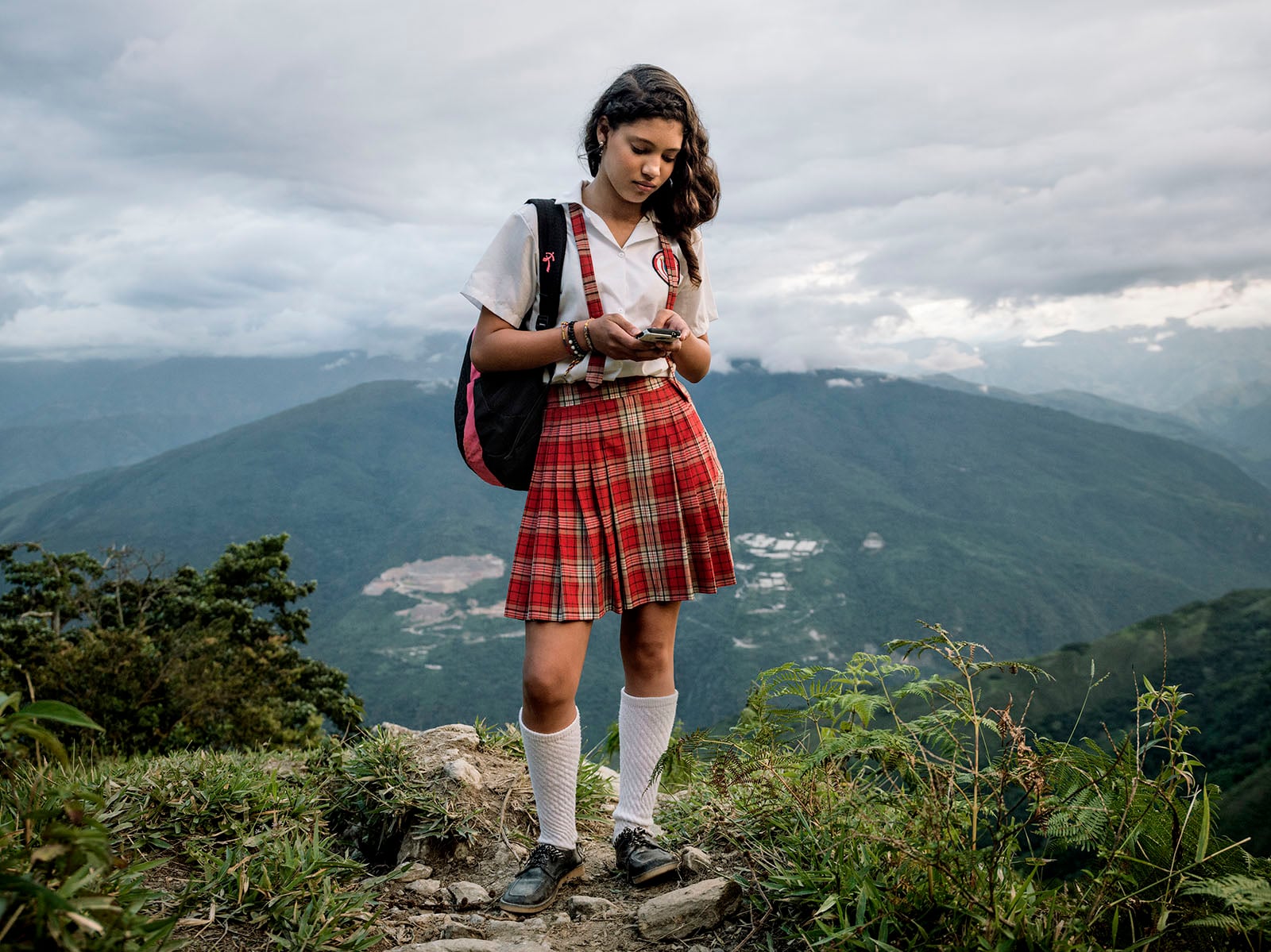
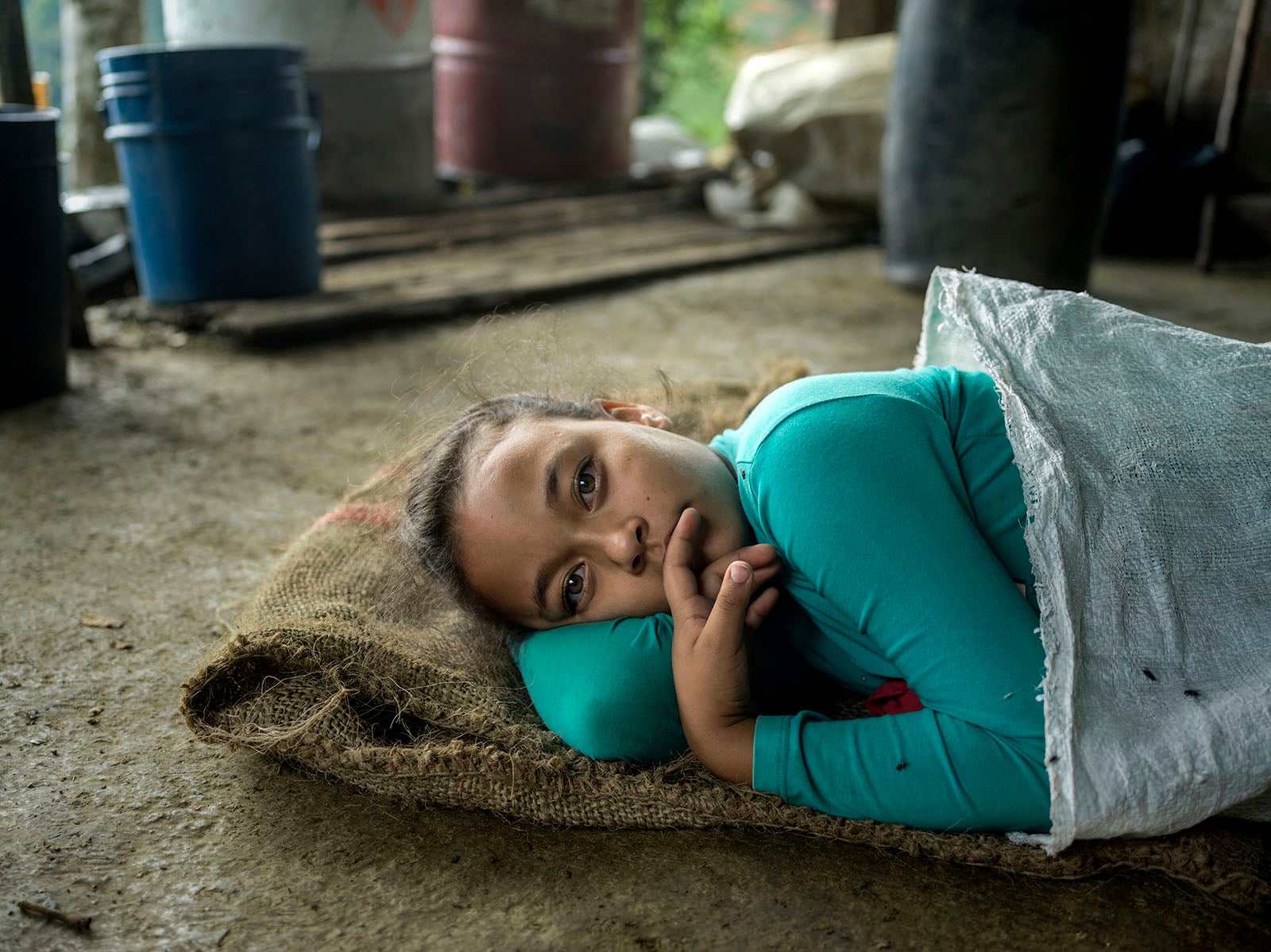
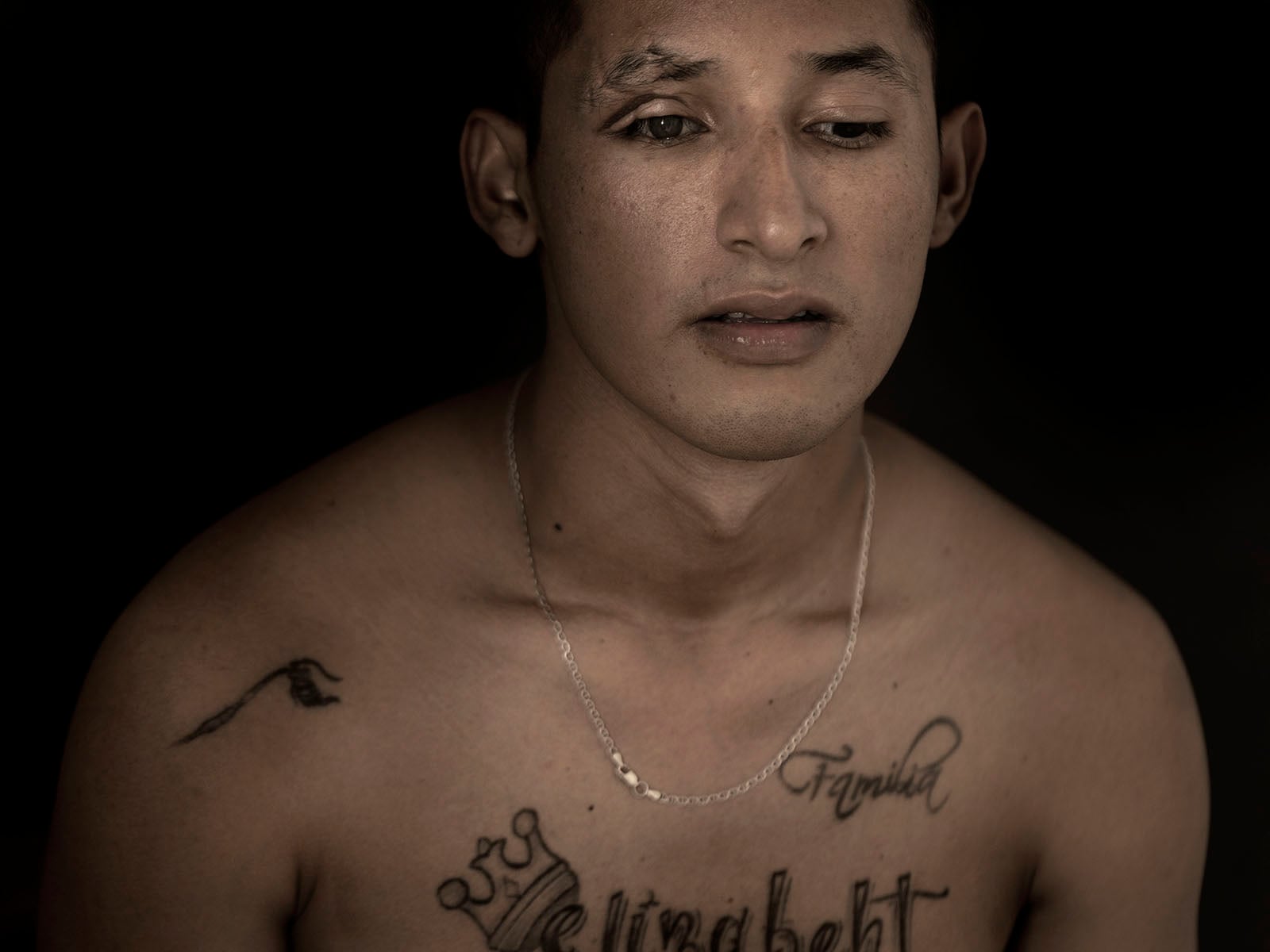
- The Human Toll: Beyond the statistics, the cost is measured in the lives of those like 12-year-old Alexandra Mazo, who walks to school in a region dominated by coca plantations and armed militias, or the detainees in Bogotá’s overcrowded Kennedy Police Station, many of whom are trapped in a cycle of addiction and street-level crime.
Official Responses and the Strategy of Failure
The "War on Drugs" has remained largely unchanged in its fundamental philosophy, even as the tactics have evolved from aerial spraying to targeted raids. However, the efficacy of this strategy is increasingly questioned by experts and the communities on the front lines.
The Colombian government, supported by international partners, continues to prioritize the destruction of labs and the forced eradication of crops. Major Herrera, a commander in the anti-narcotics police, describes the "fifteen-minute window" of his operations—a brief period where his team must secure, collect evidence, and destroy facilities before the threat of a counterattack becomes imminent.
Despite these tactical successes, critics argue that the policy is a "failing strategy." The blame for the global drug problem is disproportionately offloaded onto fragile, rural communities in the Global South, while the drivers of demand—the hunger for "intensity and instant pleasure" in the Global North—are rarely subjected to the same level of scrutiny or intervention.
Implications: A World Soaked in Blood
The most chilling realization presented by Sangre Blanca is the absolute connection between the disparate ends of the supply chain. Nissen’s collaboration with Colombian artist Juan Arreaza adds a layer of conceptual depth to the work. Arreaza, using chemicals sourced from cocaine laboratories, paints portraits of historical figures who shaped the trade. His work mirrors the irony of the nightlife scene: young people partying on a substance that is actively eroding the foundations of his homeland.
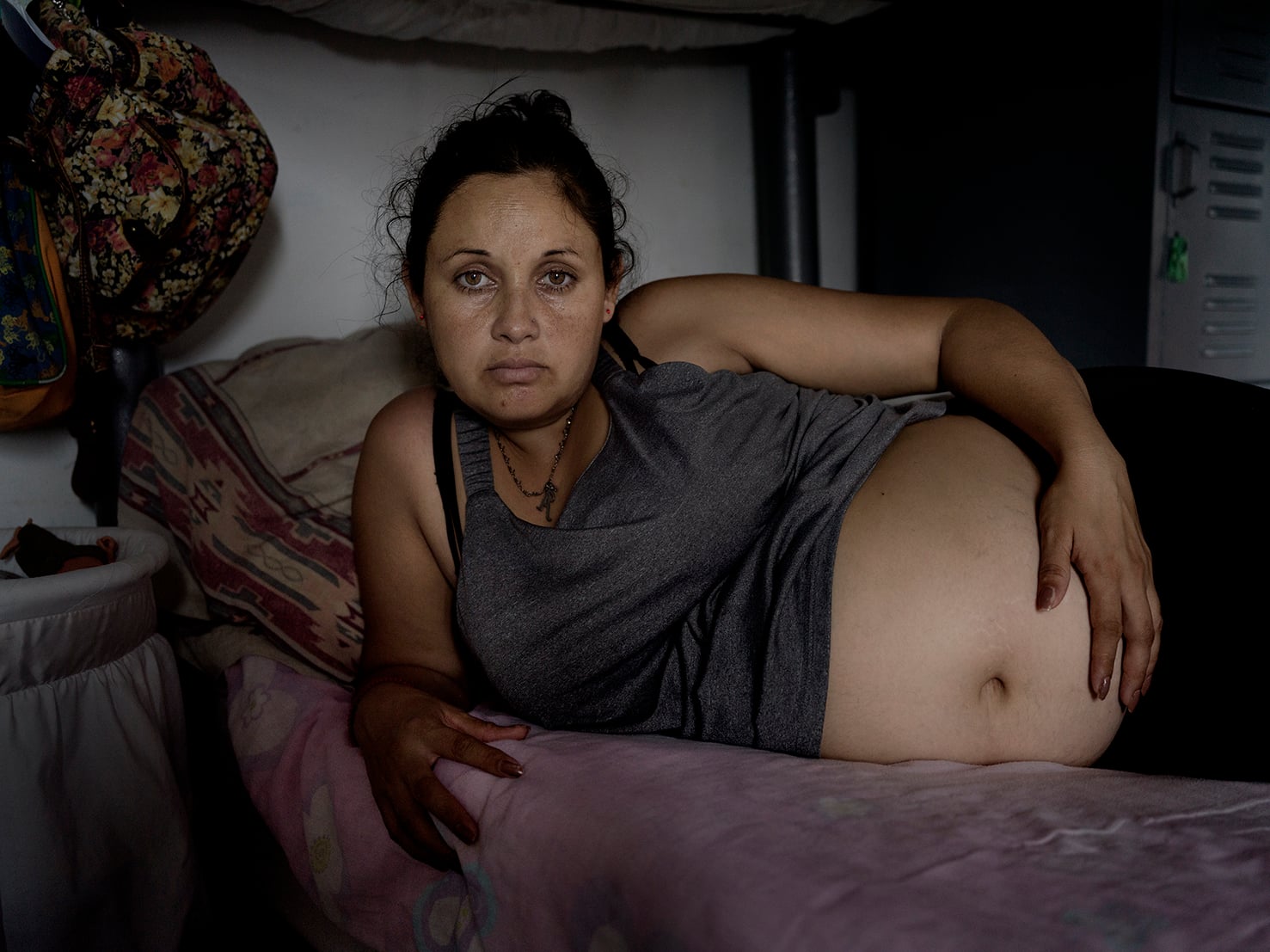
The Cycle of Violence
Nissen’s interviews with those on both sides of the conflict—from the soldiers who have lost limbs to landmines in the Catatumbo region, to the cartels’ foot soldiers who worship at the altar of Santa Muerte—reveal a shared, tragic humanity. "I realized how they all, in their own ways, are trying to break free," Nissen notes. "Free from poverty, hopelessness, or meaninglessness; from violence, or from the noise inside their own minds."
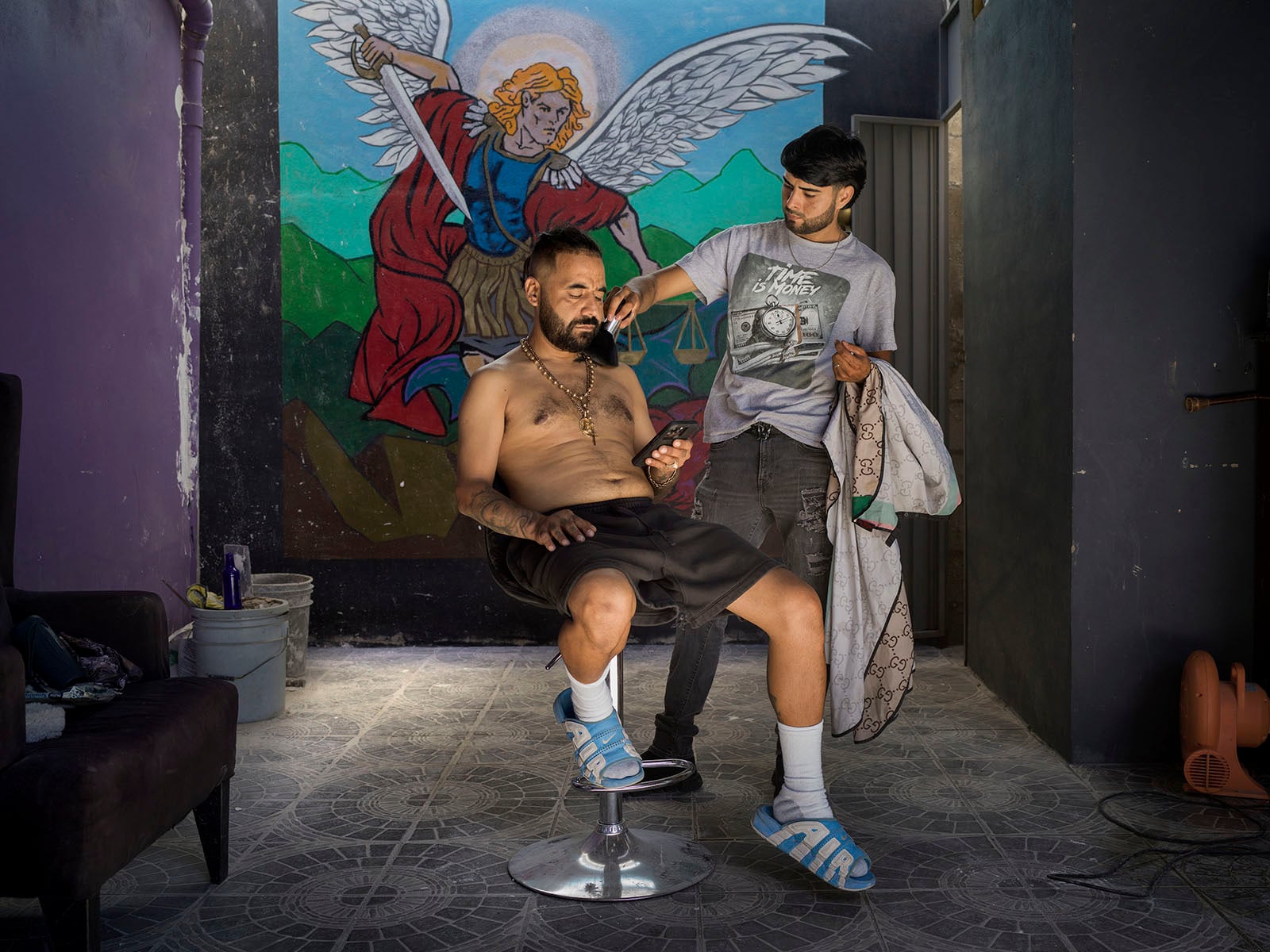
The Illusion of "Pure" Cocaine
The project ultimately serves as a moral indictment of the consumer market. There is no such thing as "pure" cocaine, Nissen argues. Every gram is inherently stained by the violence of the cartels, the corruption of the state, and the suffering of the farmers and families caught in the crossfire. As long as the demand in Europe and North America remains unchecked, the "white blood" will continue to flow through the veins of the societies that produce it.
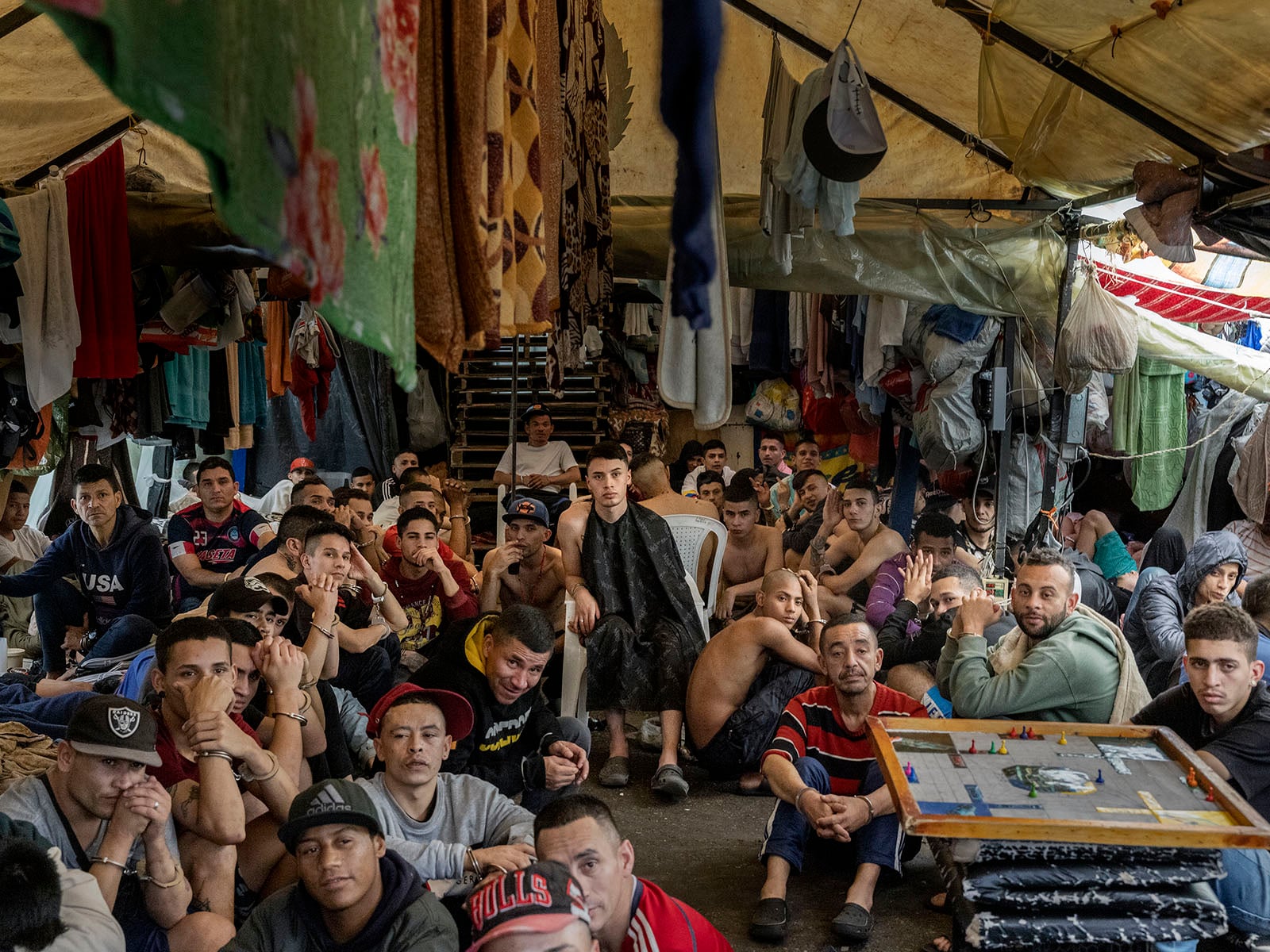
Conclusion: A Call for Reframing
Sangre Blanca does not offer easy solutions. It does not advocate for specific policy shifts or political platforms. Instead, it provides a mirror. By documenting the interconnectedness of a globalized, violent, and often confusing world, Mads Nissen forces his audience to confront the reality that the cocaine trade is not a distant problem of "other" nations. It is a shared global crisis, sustained by a disconnect between the consumer’s desire for pleasure and the producer’s fight for survival.
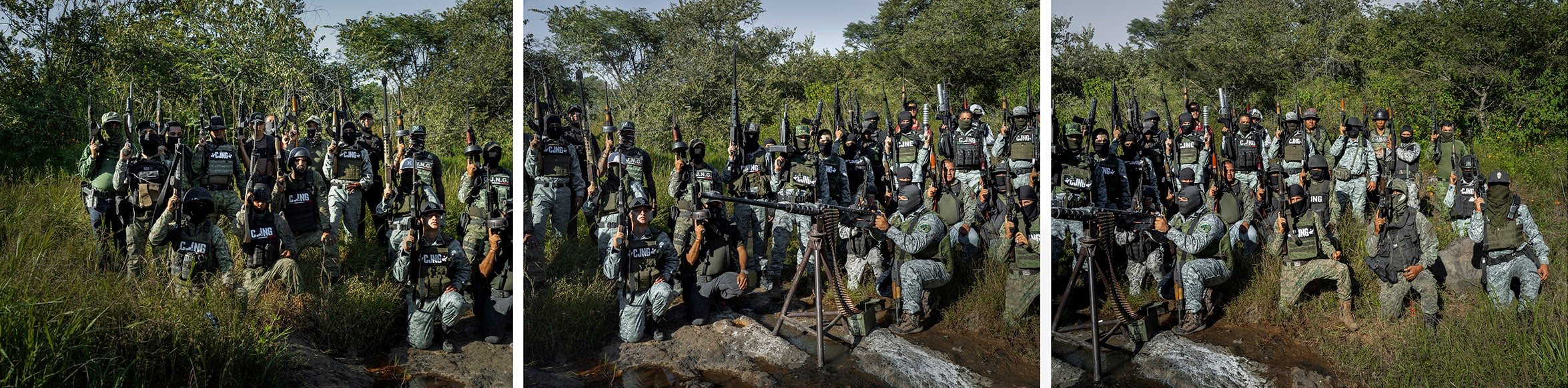
As the world continues to grapple with the fallout of the War on Drugs, Sangre Blanca stands as the most significant visual document of the era, challenging us to recognize that the true cost of the white powder is far higher than its market price.
Sangre Blanca, published by Gost, is available for purchase through the publisher’s website. The work of Mads Nissen and Juan Arreaza serves as a stark, necessary reminder of the human cost hidden behind the glamour and the grit of the global drug trade.
 Ali Ikhwan
  Laily UPN
  Reynand Wu