
 By Neng Nana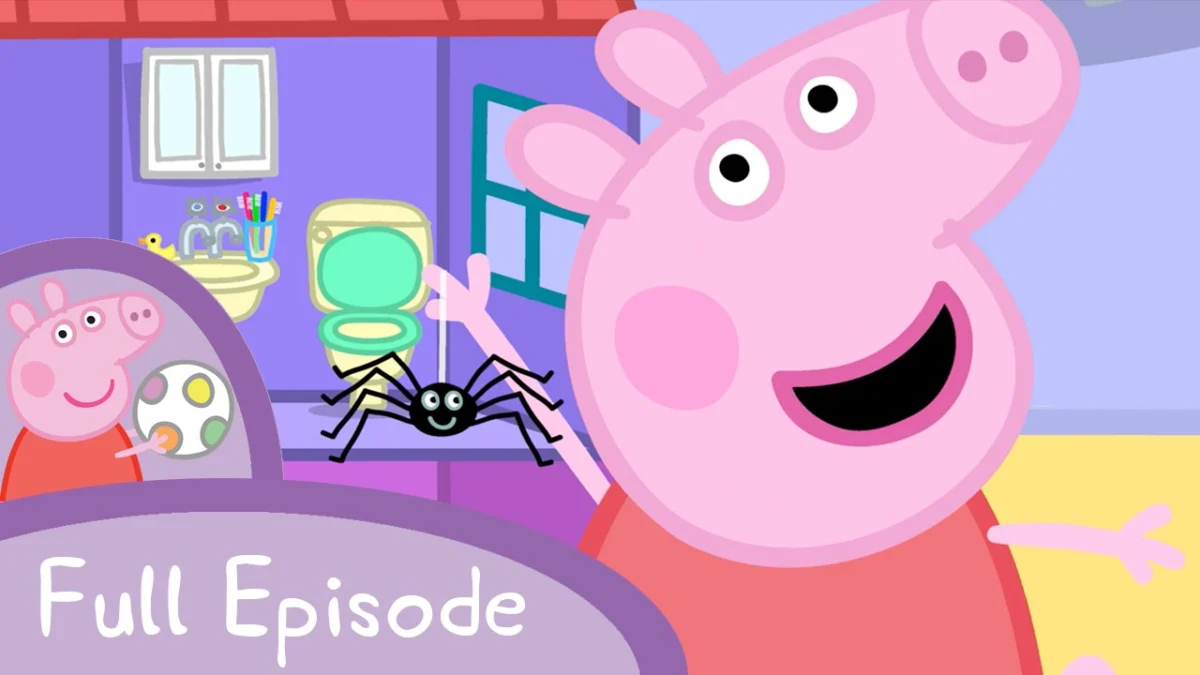
For over two decades, Peppa Pig has been a cornerstone of global children’s entertainment. A show defined by its gentle humor, bright aesthetics, and, most importantly, its human touch, it has navigated the typical growing pains of a long-running franchise—ranging from minor regional controversies, such as an Australian ban on an episode featuring a friendly spider, to evolving character arcs. However, as the series enters its 11th season, it finds itself embroiled in a conflict far more sophisticated and existential than any narrative choice.
The current controversy centers on the integration of artificial intelligence (AI) within the production pipeline. Specifically, Hasbro—the entertainment giant that acquired the Peppa Pig brand in 2019—has come under fire for introducing contract clauses that require child actors to forfeit the rights to their voices for the purposes of AI training. This development has ignited a fierce debate regarding the rights of minors in the digital age, the future of creative labor, and the moral boundaries of corporate synthetic media.
The Genesis of the Dispute: A New Frontier in Contracting
The controversy began when reports surfaced regarding the specific language embedded in updated contracts for voice performers on the Peppa Pig series. These clauses, which allow the studio to capture and utilize the vocal data of child actors to train generative AI models, have sent shockwaves through the performing arts community.
While the entertainment industry has increasingly utilized "digital doubles" and synthetic audio in big-budget adult features, the application of this technology to child performers represents a significant escalation. The Agents of Young Performers Association (AYPA) has emerged as the primary advocate for the affected families, arguing that such clauses represent an overreach that could permanently alter the professional trajectory of young actors.
The core of the issue is the concept of "perpetual digital likeness." By signing these agreements, a child performer is not just recording lines for a specific episode; they are providing the raw material for an algorithm that could theoretically replicate their voice for future commercial use, advertisements, or even entirely new projects, without the need for further input or compensation from the original performer.
Chronology of the Escalation
The timeline of this tension highlights a rapidly shifting industry landscape where legal frameworks are struggling to keep pace with technological capabilities:
- 2019: Hasbro completes its $4 billion acquisition of Entertainment One, bringing Peppa Pig under the Hasbro umbrella.
- Early 2024: As generative AI tools become more sophisticated and accessible, major studios begin standardizing AI-related clauses in performer contracts.
- Mid-2025: Industry whispers regarding "data mining" of voice talent reach a fever pitch. Agents of young actors report a spike in "take it or leave it" clauses regarding AI usage.
- June 2026: The Agents of Young Performers Association (AYPA) drafts an open letter, signed by nearly 1,000 industry professionals, condemning the normalization of AI clauses in children’s media franchises.
- Late June 2026: The controversy reaches the mainstream media, with outlets such as Deadline reporting on the specific friction between Hasbro’s new contracts and the expectations of voice talent families.
The Ethical Dilemma: Informed Consent and Childhood Identity
The most compelling argument against these clauses is one of agency. Critics, including legal scholars and child advocacy groups, argue that a minor is inherently incapable of providing "fully informed consent" to a technology that is still in its infancy and whose long-term impact on their career is unknown.
The "Clone" Problem
When a studio creates a digital clone of a child’s voice, they are essentially extracting the "essence" of that actor’s talent. If a child’s voice is used to train an AI model, that model could later be used to voice characters in a manner that mimics the child’s unique cadence and emotional resonance. The AYPA’s open letter is explicit in its condemnation: "No child should have their future professional identity shaped by an AI model created before they were old enough to understand its consequences."
The Pressure to Conform
Furthermore, the industry is seeing a chilling effect. Agents have reported that these AI clauses are frequently presented as non-negotiable. Families who decline the terms often find themselves sidelined, with their children losing out on auditions or roles to those willing to sign away their digital rights. This creates a coercive environment where parents feel forced to trade their child’s long-term digital autonomy for short-term employment.
Supporting Data: The AI Divide in Creative Labor
The Peppa Pig case is not an isolated incident; it is a symptom of a broader "AI divide" within the creative economy. Recent data from the creative industries suggests that while AI promises efficiency, it threatens the foundational value of human performance.
- Market Trends: A recent study by the Animation Guild suggests that over 60% of animation studios are either actively using or exploring generative AI for post-production and asset creation.
- The "Mockbuster" Precedent: The controversy mirrors the backlash against Amazon’s "K-Pop Demon Hunters" project, where animators expressed alarm over the use of AI tools that threatened to automate key creative roles.
- The Financial Incentive: For a company like Hasbro, the ability to synthesize voices reduces long-term dependency on recurring voice talent. By owning the data, the studio owns the character’s voice in perpetuity, significantly lowering the overhead for future seasons, merchandise, or localized dubbing.
Official Responses and Corporate Positioning
In response to the mounting pressure and the open letter from the AYPA, Hasbro has issued a statement aimed at de-escalating the public relations crisis.
"The protection of child performers is core to who Hasbro is; it is part of our DNA," the company stated. "As industry standards around AI continue to evolve, we are committed to engaging with this issue in a responsible and transparent manner."
However, for many in the creative sector, the statement is viewed as a "non-answer." The phrase "as industry standards evolve" is frequently read by labor advocates as a tactic to defer accountability. Critics point out that "responsible engagement" does not explicitly rule out the use of AI, nor does it address the specific demands of the AYPA, which is calling for a total exemption of child performers from AI data-harvesting clauses.
Implications: The Future of Entertainment
The implications of the Peppa Pig dispute extend far beyond the sandbox of British animation. We are witnessing the first major battleground of the AI era regarding the "human element" in entertainment.
Legal and Legislative Shifts
Legislators are beginning to take note. If an actor’s voice—the most personal marker of their identity—can be harvested at the age of six, what are the legal ramifications for their digital identity at age twenty-six? There is growing momentum for "right of publicity" laws to be updated to cover AI-generated synthetic replicas of a person’s voice and likeness.
The Erosion of Craft
If children are taught that their voice is simply a data point to be sold rather than a creative instrument to be developed, the craft of voice acting may suffer. The nuances of performance—the breath, the hesitation, the genuine emotional spontaneity—are often lost in synthetic reproduction. When these qualities are replicated by an algorithm, the "wholesome" nature of shows like Peppa Pig may eventually feel hollow to audiences who intuitively recognize the absence of a real, living performer.
A Turning Point for Unions
The Peppa Pig controversy is likely to force unions like SAG-AFTRA to take an even more aggressive stance on AI in children’s media. We may see a new standard of "AI-Free" certification for animation, or a mandatory opt-in/opt-out requirement that cannot be made a condition of employment.
Conclusion: A Moral Reckoning
The controversy surrounding Peppa Pig serves as a sobering reminder that the rapid adoption of AI is not just a technological challenge—it is a moral one. As corporations race to optimize production and cut costs, they are pushing into territory that concerns the fundamental rights of individuals to own their identity.
Whether Hasbro will amend its contracts remains to be seen. However, the message from the artistic community is clear: the convenience of AI cannot come at the expense of the exploitation of children. In the quest for the next generation of entertainment, the industry must decide if it values the authentic, evolving voice of a child or the static, replicable output of an algorithm. As the Peppa Pig case continues to unfold, it serves as a litmus test for the industry’s soul. The digital mirror is reflecting a version of the future that many are not yet ready to accept.
 Lina Hope
  Reynand Wu
  Pevita Pearce