
 By Iffa Jayyana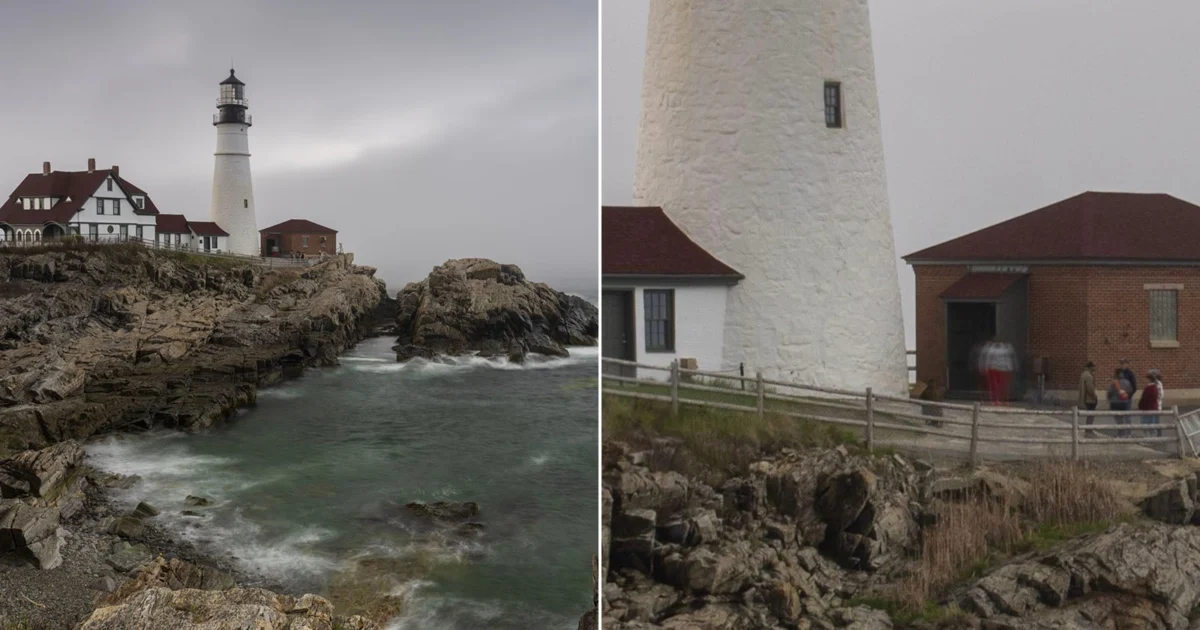
In an era where smartphone sensors are pushing 200 megapixels and professional mirrorless cameras—like the 67-megapixel Sony a7R VI—are standard-issue for working photographers, there is a glaring, uncomfortable irony: the photos we view online have never looked worse. As our cameras capture more information than ever before, the internet’s infrastructure remains tethered to the outdated philosophy of aggressive compression.
Every time a photographer uploads a meticulously edited image to a social media platform or a standard cloud-sharing service, that image is subjected to a "digital meat grinder." Banding appears in gradients, micro-contrast vanishes, and the subtle textures that distinguish a professional shot from a casual snapshot are smoothed away by server-side algorithms designed for speed rather than fidelity.
Enter Ryutaro Kiuchi, a Japanese developer and photographer who has spent years grappling with this exact problem. His solution is HiRezGo, a revolutionary web-based platform designed to treat high-resolution images as interactive, high-fidelity data streams rather than static, compressed files.
The Core Problem: Speed Over Substance
To understand why HiRezGo is a necessary disruption, one must first understand why the web is currently broken for high-end photography. The internet is built on the altar of efficiency. Platforms like Instagram, Facebook, and even traditional portfolio sites prioritize page-load speeds above all else.
As Kiuchi explains, the logic is sound from a technical standpoint: "Most services prioritize speed and scalability over image fidelity." Serving massive files—often exceeding 50 or 100 megabytes—to millions of users simultaneously would require astronomical server costs and bandwidth, leading to laggy user experiences.
"The result is a standardized, mediocre viewing experience," says Kiuchi. "For photographers, this often leads to the loss of fine detail, color degradation, and compression artifacts in shadow regions. The visual distinction between a $5,000 professional camera rig and a smartphone often evaporates the moment the file hits the web."
This phenomenon has created a "devaluation of the lens." While the hardware in our hands has evolved significantly over the last decade, the medium through which we share those images has stagnated. We are effectively viewing high-definition art through a low-resolution filter.
How HiRezGo Works: A Paradigm Shift in Image Delivery
HiRezGo does not simply host images; it streams them. Rather than serving a flat, pre-compressed JPEG, the platform employs a progressive, zoom-based streaming architecture.
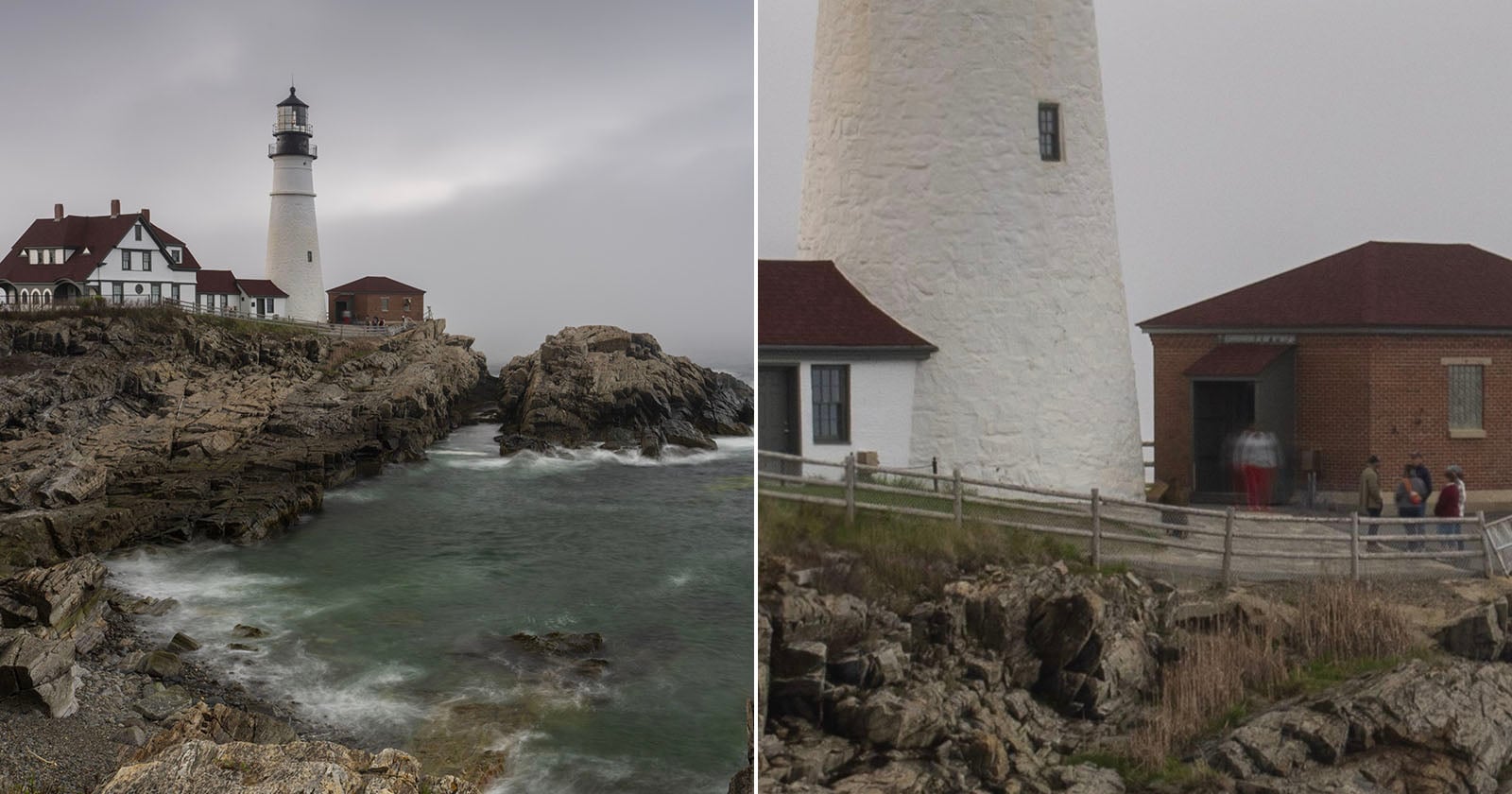
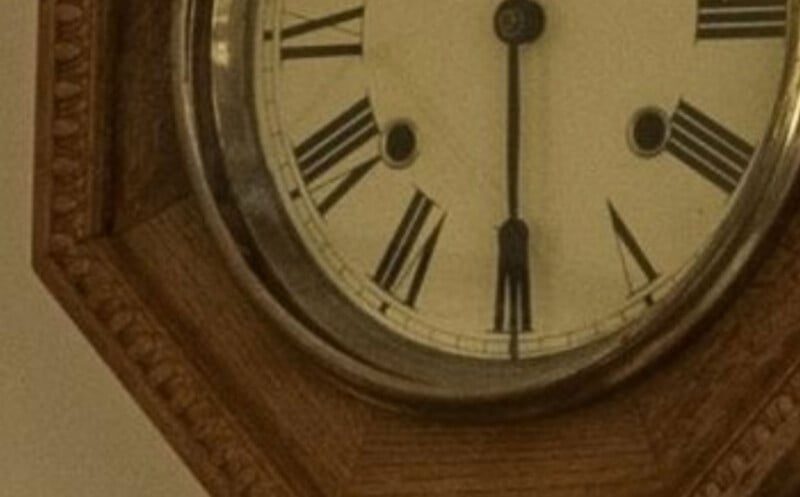
When a user opens a HiRezGo link, the platform delivers only the data necessary for the current zoom level and viewport. If the viewer is looking at the image in its entirety, the server sends a lower-resolution proxy. However, the moment the user zooms in to inspect a specific detail—a lock of hair, the texture of a brick wall, or the intricate markings on a watch—the system seamlessly streams the higher-resolution data for that specific crop.

This approach mimics how modern map applications function, where the world is essentially an infinite-resolution canvas that loads only what is necessary. By treating photos as "interactive visual data" rather than static files, Kiuchi has managed to bypass the traditional limitations of web browsers. The result is a viewing experience that feels nearly identical to inspecting a RAW file in Adobe Lightroom or Capture One.
Chronology of Development: From Frustration to Solution
The development of HiRezGo was not a linear path but a long, arduous journey of trial and error. For Kiuchi, the project began as a personal quest. Like many working professionals, he found himself frustrated that his high-end, dedicated camera work looked "somehow ordinary" once uploaded.
Phase 1: The Research and Prototyping
Kiuchi spent years researching high-end digital archives, noting that while museums and libraries have long used high-resolution streaming technology to display digitised manuscripts and paintings, these tools were never designed for the average photographer. They were clunky, inaccessible, and lacked the aesthetic polish required for a professional portfolio.
Phase 2: Solving the Compatibility Crisis
The primary challenge in building HiRezGo was the fragmentation of the web. Developing a system that runs identically on a desktop Chrome browser, a mobile Safari instance, and various tablets is a technical nightmare.
"With thousands of combinations of various factors—such as how data is held on the server side, communication methods for different devices, and internal processing methods of the viewer—I had to go through a process of trial and error," Kiuchi notes. "I was groping for which implementation method was the pinpoint optimal one."
Phase 3: Launch and Public Testing
After rigorous beta testing, HiRezGo officially launched in mid-2026. The platform now allows users to upload images, share them via direct URL or QR code, and even embed them into external websites via iframes. The reception among early adopters has been focused on the sheer "wow factor" of being able to zoom into a 67-megapixel image on a phone screen without seeing a single pixelation artifact.
Supporting Data: The Impact on Professional Workflow
The implications for professional photographers are profound, particularly in sectors where detail is paramount.
Client Reviews
In industries like architecture, product photography, and high-end portraiture, clients often need to review sharpness and focus accuracy. Previously, this required sending large file transfers (like WeTransfer or Dropbox) that the client would have to download and open in local software. With HiRezGo, a photographer can send a link that allows the client to inspect the image at 100% zoom directly in their browser.
Embedding and Portfolios
The platform’s iframe integration allows artists to showcase their work on personal websites without sacrificing quality. A photographer can now put a "zoomable" image on their portfolio site that encourages visitors to interact with the image, effectively increasing engagement time—a metric that is increasingly important for SEO and brand authority.

Performance Metrics
While HiRezGo requires more data processing than standard image hosting, its tiered architecture manages the load efficiently. The system is built to handle high-resolution files without forcing the user to download the entire file upfront, which keeps the initial page-load time competitive with traditional, compressed image galleries.
Official Responses and Philosophical Stance
Kiuchi is vocal about the state of modern digital culture. His stance is that the technology is not the villain—rather, the "place" where we share our work has become the bottleneck.
"What is important here is that it is not that the value of the camera has disappeared," Kiuchi writes in his project documentation. "Rather, the places where the camera’s value can be demonstrated have decreased—this is the essence. The viewing experience of photos is being left behind."

By creating HiRezGo, Kiuchi is taking a stand for the "meaning of shooting with a camera." He argues that if photographers continue to accept compression as an inevitable reality, the market for high-end gear will eventually collapse, as there will be no visible reason for consumers or professionals to invest in high-resolution optics and sensors.
The Road Ahead: Future Features
Despite the successful launch, Kiuchi views HiRezGo as a living project. His roadmap for the coming months includes:
- Client-Specific Galleries: Secure, password-protected portals where photographers can manage deliverables for specific clients.
- Real-Time On-Site Sharing: Tools designed for event photographers to upload and share high-resolution proofs instantly from the field.
- AI-Integrated Tools: Future plans include browser-based, AI-driven retouching tools that would allow for quick edits and enhancements without the need to export and re-upload files.
Implications: A New Standard for Image Sharing?
The launch of HiRezGo raises an interesting question for the broader tech industry: Is it time for a new web standard for high-fidelity images?

If the internet’s visual landscape is to keep pace with the massive strides in sensor technology, platforms like HiRezGo may represent the future of web-based image distribution. By moving away from the "static file" model, developers can provide a bridge between the sheer power of modern cameras and the limitations of modern bandwidth.
For the professional, the benefits are clear: control, fidelity, and the ability to present work exactly as it was intended to be seen. As users become accustomed to the clarity provided by HiRezGo, the "standard" of social media compression may eventually be viewed as unacceptable, forcing larger platforms to innovate or risk losing their status as the primary hubs for visual content.
Pricing and Accessibility
HiRezGo has launched with a tiered subscription model to accommodate different needs:
- Free Tier: 5GB of storage, 3,000 monthly page views, and 10 uploads per day. (Supported by ads).
- Lite Plan: $95.99 annually. Increased storage, higher page view limits, unlimited uploads, and an ad-free experience.
- Standard Plan: $287.99 annually. Designed for high-volume professionals requiring maximum storage and performance, with priority features and no ads.
For those curious, the platform is currently open for testing. Whether you are a professional photographer seeking to impress a client or an enthusiast who wants to show off the raw detail of a recent landscape shoot, HiRezGo offers a glimpse into a future where the web is finally, truly, high-definition.
As Kiuchi puts it: "I am building this with the desire to properly convey the meaning of shooting with a camera." In a world of blurry, compressed, and fleeting digital snapshots, that is a mission worth pursuing.
 Laily UPN
  Reynand Wu
  Lina Hope