
 By Asep Darmawan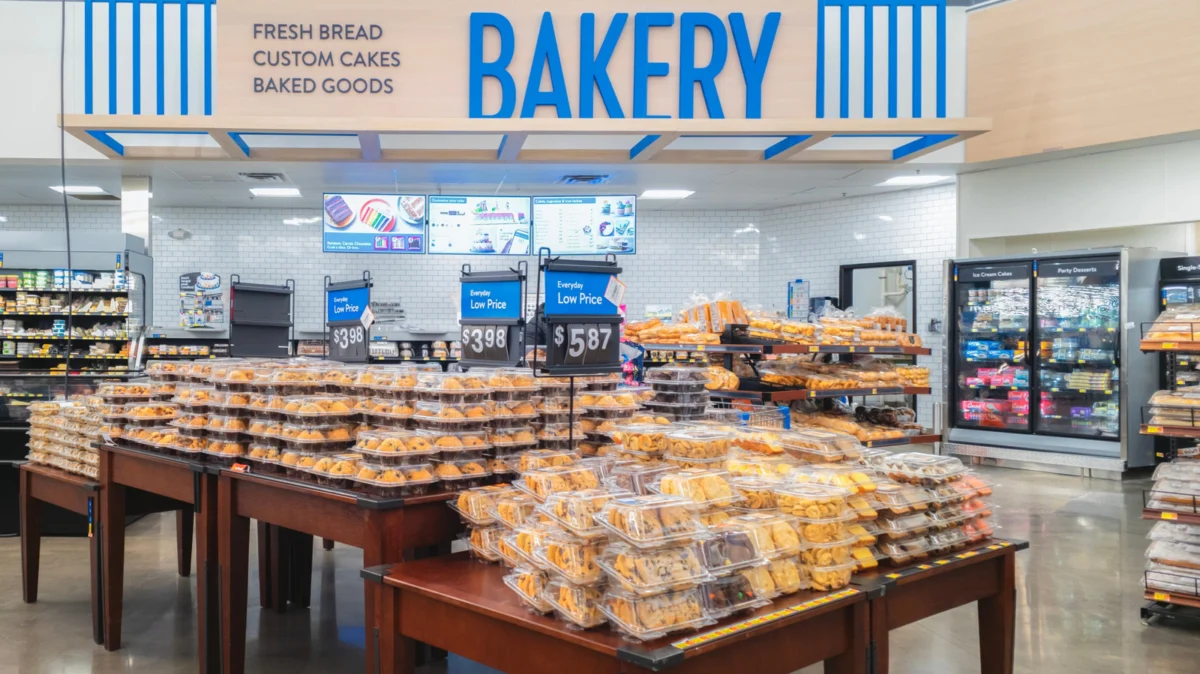
For millions of Americans, the convenience of a grocery store bakery is a cornerstone of birthday parties, office celebrations, and last-minute gatherings. Among these retailers, Walmart stands out as a titan of affordability and accessibility. However, a recent surge of transparency—fueled by social media revelations from former employees—has pulled back the curtain on how these ubiquitous cakes make their way from the production line to the display case. For the savvy consumer, understanding the lifecycle of a Walmart bakery cake is not just an exercise in curiosity; it is a lesson in modern food logistics, quality control, and the surprising science of frozen goods.
The Myth of the "Freshly Baked" Display
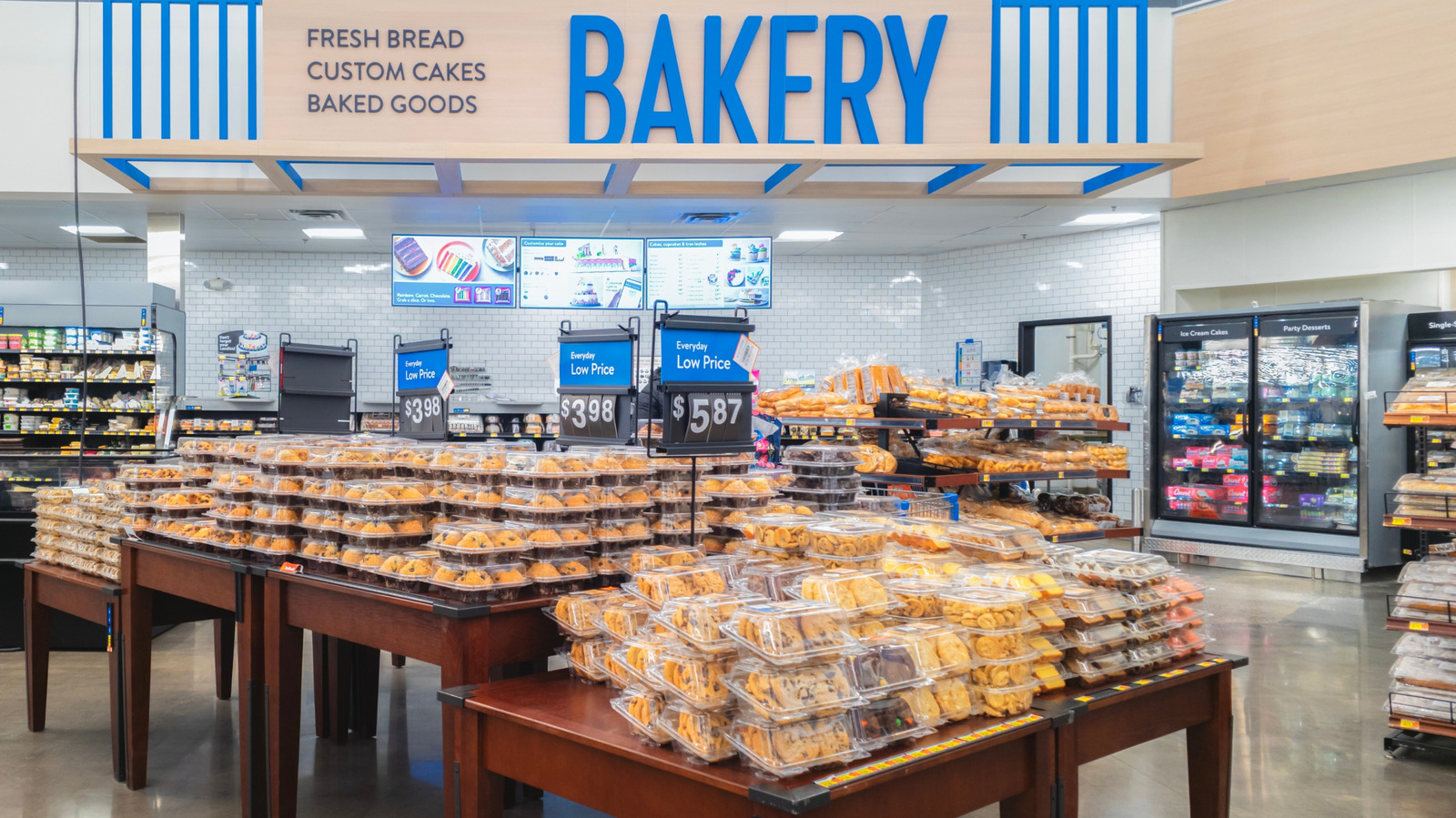
When a customer approaches the bakery counter at a local Walmart, they are often greeted by the scent of warm bread and the sight of intricately decorated cakes. It is natural to assume that these confections are prepared from scratch in the back of the store, mere hours before hitting the shelves.
However, recent discourse sparked by viral TikTok testimony has clarified that the reality is significantly different. According to former employees, the vast majority of cakes served at Walmart are not baked on-site. Instead, they arrive at the store in a frozen, pre-baked state, having been manufactured at large-scale, centralized facilities.
This revelation has shifted the narrative surrounding "ordering ahead." Many customers have long assumed that requesting a custom cake 24 to 48 hours in advance was necessary to provide the staff with time to bake, cool, and frost the item. In reality, the lead time is primarily a logistical requirement for the thawing process. The bakers on-site act more as culinary finishers—specializing in the decoration, assembly, and final presentation—rather than as traditional pastry chefs tasked with scaling recipes and managing ovens.
The Chronology of a Retail Cake
To understand why this method is standard across the industry, one must look at the lifecycle of a commercial grocery store cake.
- Industrial Production: The journey begins at a large-scale commercial bakery. These facilities operate with high-precision machinery, ensuring that every batch of cake batter is identical in composition and weight. This consistency is difficult to replicate in a small, localized store environment.
- The Flash-Freeze Phase: Once baked, the cakes are subjected to industrial "blast" or "flash" freezing. This is a critical step that distinguishes a high-quality commercial product from a cake frozen in a standard home refrigerator.
- Logistics and Distribution: The cakes are shipped via refrigerated supply chains to regional distribution centers and, eventually, to the individual Walmart locations.
- In-Store Thawing and Storage: Upon arrival, the cakes remain in a frozen state in the bakery’s walk-in freezers. When a customer places an order, the cake is pulled from the freezer.
- Decoration and Customization: Once thawed, the cake undergoes its final transformation. Staff members apply fillings, frostings, and custom lettering based on the customer’s request. This is the stage where the "store-made" quality is applied, giving the consumer a unique, personalized product.
The Science of Cold: Why Freezing Works
The skepticism surrounding frozen baked goods often stems from a misconception that "frozen" is synonymous with "stale." In reality, the science of industrial freezing suggests the opposite.
When a cake is left at room temperature, it begins to lose moisture and its crumb structure undergoes starch retrogradation—the process that makes bread and cake feel "stale." By freezing a cake immediately after it has cooled from the oven, manufacturers essentially "lock" the moisture inside the crumb.
The primary enemy of frozen food quality is the formation of large ice crystals. In a home freezer, which is subject to temperature fluctuations every time the door is opened, water molecules have time to migrate and form large, jagged ice crystals that pierce the cell walls of the cake, leading to a mushy or dry texture upon thawing. Industrial freezers operate at much lower, more consistent temperatures. This allows the cake to freeze almost instantaneously, keeping ice crystals microscopic. Consequently, when the cake is thawed in a controlled, store-level environment, the structure remains intact, resulting in a product that is often indistinguishable from one baked the same morning.
Supporting Data: Consumer Expectations vs. Reality
In various blind taste tests and editorial rankings of grocery store cakes, Walmart’s offerings are frequently cited as "decent budget options." While they may not compete with high-end boutique bakeries in terms of ingredient complexity or gourmet flavor profiles, they perform remarkably well in terms of consistency.
Data suggests that the modern consumer values speed and price over the "scratch-made" label. Walmart’s strategy leverages economies of scale to keep prices low while maintaining a standard of quality that meets the expectations of the average shopper. When compared to other major grocery chains—many of which employ the exact same "frozen-to-finish" model—Walmart’s bakery department remains competitive. The trade-off for the consumer is clear: they sacrifice the prestige of an artisanal, scratch-made product in exchange for reliable availability and a significantly lower price point.
Official Stances and Industry Implications
While Walmart has not issued a formal "confession" regarding its cake production, the company has consistently emphasized its commitment to efficiency and food safety. Industry analysts point out that this model is not a secret, but rather a standard business practice for large retailers that operate thousands of locations.
The implications for the industry are profound. By centralizing production, retailers reduce the risk of human error in baking, lower their energy costs associated with running massive ovens in every store, and ensure that every customer receives the same experience, whether they are in New York or rural Nebraska.
For the employees, this shift has changed the nature of the job. Bakery staff are now trained as decorators and customer service specialists rather than production bakers. This allows the store to focus on the aesthetic customization that customers crave, which is arguably the most labor-intensive part of the process anyway.
Implications for the Shopper: How to Order Smart
Understanding this process changes how a customer should approach the bakery counter. If you are planning a special event, here are a few takeaways:
- Respect the Thaw Time: Do not be surprised if a store refuses a same-day custom request. It is not because they are unwilling to work, but because the cake requires several hours—or even a day—to reach the proper temperature for optimal frosting and slicing.
- Ask About Ingredients: Since the cakes are pre-manufactured, the ingredients list is standardized. If you have specific dietary restrictions, the bakery staff can provide printed ingredient labels that are much more accurate than a verbal description would be.
- Customize Beyond the Cake: If you want a truly "fresh" experience, consider purchasing a plain, thawed cake from the display and adding your own fresh fruit or custom toppers at home. The base cake is merely a canvas; the personalization is what makes it a celebration.
Conclusion: The New Standard of Convenience
The revelation that Walmart bakery cakes arrive frozen should not be viewed as a negative reflection on the quality of the product. Rather, it is a testament to the sophistication of modern food technology. We live in an era where "fresh" is a relative term. By utilizing flash-freezing technology, retailers can deliver a moist, consistent, and affordable product to millions of people daily.
Next time you find yourself browsing the bakery aisle, you can appreciate the efficiency of the system. The cake in front of you is a product of high-tech logistics, designed to ensure that when you cut into it at your party, the experience is exactly what you expected: sweet, reliable, and perfectly suited for the occasion. The "baker" behind the counter may not have been the one to pull the trays out of the oven, but they are the ones who ensure that your celebration has the final, personal touch it deserves.
 Raul Delapena Setiawan
  Basiran
  Nana
Nana 