
 By Iffa Jayyana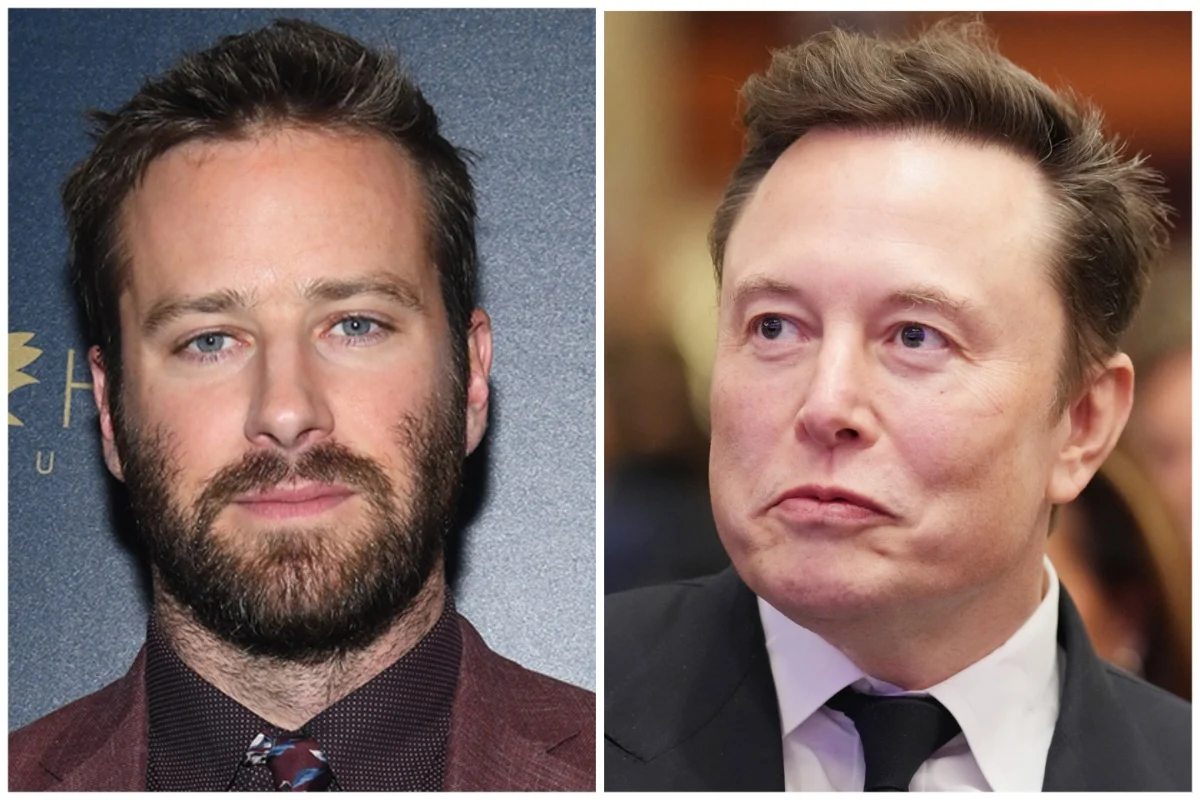
The intersection of celebrity scandal, algorithmic amplification, and fringe filmmaking reached a new, uncomfortable zenith this past weekend. On Friday, billionaire tech mogul and X (formerly Twitter) owner Elon Musk shared a link to the indie-action film Citizen Vigilante with his massive audience of 240 million followers. The film, which features a headline performance by the embattled actor Armie Hammer, has become the epicenter of a fierce cultural firestorm, pitting the boundaries of free expression on social media against the ethical responsibilities of high-profile platform owners.
The link, which directed users to a platform hosting the controversial title, remained active on Musk’s profile for approximately 48 hours before being removed on Saturday. The incident has reignited debates regarding the content moderation policies on X and the influence of Musk’s personal endorsements on the visibility of fringe media.
A Chronology of the Digital Firestorm
The events unfolded rapidly over the weekend, beginning with a surge in the film’s popularity on digital storefronts.
Friday: Elon Musk amplified the film via his X account, providing a significant boost to a title that was already climbing the ranks on Apple TV. By late Friday, Citizen Vigilante had reached the No. 2 position on the Apple TV charts, an anomaly for a low-budget independent feature.
Saturday: The situation escalated when Uwe Boll, the film’s director, took to X to announce that a sequel, Citizen Vigilante 2, is currently in production and slated for a 2027 release. Musk, doubling down on his initial promotion, replied directly to a post highlighting the film’s chart performance, writing, "‘Citizen Vigilante 2’ will be even better."
Sunday: Following intense backlash from critics and industry observers, the link on Musk’s account was taken down. However, the damage—or perhaps the intended marketing effect—had already been achieved. The film, which had been struggling for mainstream traction, saw its profile raised exponentially, forcing a broader conversation about the nature of the "comeback" narrative in modern Hollywood.
The Film and the Controversy: A Deep Dive into ‘Citizen Vigilante’
At the heart of the controversy is Citizen Vigilante, a film that has been described as a "cinematic embarrassment" by professional critics. Written and directed by 60-year-old German filmmaker Uwe Boll, the movie follows an American expatriate in Europe—played by Armie Hammer—who embarks on a "blood-soaked mission" to systematically eliminate criminal migrants.
The film’s subject matter has rendered it a lightning rod for criticism. According to reports from The Telegraph, the film was banned in Germany, Boll’s home country, due to its depiction of extreme, gratuitous violence and its overtly anti-migrant themes. Critics argue that the film does not merely explore a dark narrative but actively promotes xenophobic rhetoric, masking it behind the thin veil of an "indie-actioner."
The cast, which includes Costas Mandylor, Désirée Giorgetti, Steffen Mennekes, Neb Chupin, and Mukit Abdul Hamid, has largely remained silent as the film faces a firestorm of negative reviews. The production has been characterized by its low-budget aesthetic and a narrative structure that many have deemed incoherent.
Industry Assessment: A "Morally Bankrupt" Failure
The critical reception of Citizen Vigilante has been overwhelmingly hostile. Todd Gilchrist, writing for Variety, delivered a scathing review that characterized the film as a failure on every measurable level.
"Boll, a cinematic embarrassment since the early 2000s, here delivers a violent, incoherent, morally bankrupt slice of exploitation on the same qualitative level as House of the Dead, Alone in the Dark and BloodRayne," Gilchrist wrote. He further argued that the film’s quality is so poor that it borders on professional sabotage for its lead actor. "In fact, the film is so astonishingly bad, it almost feels like the writer-director-producer is deliberately sabotaging his star, Armie Hammer, whose intended comeback can only be harmed by this project."
This assessment highlights a recurring theme in the discourse surrounding Hammer: the difficulty of a "comeback" in an era of heightened sensitivity toward the personal conduct of stars.
The Context of the Star: Armie Hammer’s Troubled Path
Armie Hammer, once a fixture of prestige cinema with acclaimed performances in The Social Network, Call Me By Your Name, and Sorry to Bother You, saw his career prospects evaporate in 2021. The actor faced a wave of allegations involving sexual assault and emotional abuse.
Though Hammer consistently denied the allegations, the public fallout was swift and total. His representation dropped him, and major studio projects were halted or recast. In 2023, after an exhaustive investigation, prosecutors in Los Angeles declined to file charges against the actor, citing insufficient evidence. Despite this legal vindication, the reputational damage remains profound. Citizen Vigilante represents one of his few attempts to return to the screen, yet industry experts suggest that aligning himself with a project of such polarizing and low-quality nature may ultimately prove detrimental to any hopes of a mainstream rehabilitation.
Official Responses and Platform Implications
The role of Elon Musk in this narrative cannot be overstated. By utilizing his account to promote a film that is widely criticized for its xenophobic themes, Musk has once again drawn sharp criticism for his curation of content on X.
Critics of the platform have long argued that Musk’s "free speech absolutism" has created a vacuum where fringe content—including extremist media—can flourish. When the world’s richest man acts as a marketing arm for a film that has been banned in European markets for its hateful content, it raises questions about the ethical boundaries of platform stewardship.
Uwe Boll, for his part, has historically thrived on controversy. Known for his combative relationship with critics and his willingness to tackle provocative subject matter, Boll appears to be leveraging the attention generated by Musk. His announcement regarding a sequel suggests that he views the negative press not as a deterrent, but as a marketing tool. By courting controversy, Boll is able to tap into a specific segment of the digital audience that feels alienated by mainstream Hollywood sensibilities.
Broader Implications for Hollywood and Tech
The Citizen Vigilante saga serves as a microcosm of the current state of the entertainment industry, where the lines between traditional gatekeeping and viral digital promotion have blurred.
- The Algorithmic Echo Chamber: The fact that a film of this nature could reach the Top 5 on a major digital platform like Apple TV—likely fueled by the sudden influx of attention from Musk’s post—demonstrates the massive power of social media to manipulate market trends.
- The "Comeback" Narrative: Hammer’s choice of projects illustrates the desperation often seen in actors attempting to re-enter the industry. When traditional studios close their doors, performers are often left with "exploitation" cinema as their only path forward, which in turn deepens the divide between their public image and their career trajectory.
- The Role of the Tech Mogul: Musk’s involvement signifies a shift in how media is consumed and validated. His endorsement acts as a shortcut to cultural relevance, bypassing the traditional critical apparatus that previously served as the gatekeeper for "quality" cinema.
Conclusion: A Dangerous Precedent
As we look toward 2027 and the promised release of Citizen Vigilante 2, the industry is forced to reckon with a new reality. The collaboration between controversial filmmakers and high-profile tech figures creates a feedback loop that rewards inflammatory content.
Whether Citizen Vigilante is viewed as a misguided attempt at an action movie or a dangerous piece of xenophobic propaganda, its impact on the cultural conversation is undeniable. For Armie Hammer, the project serves as a grim reminder that in the modern era, the path to redemption is rarely found through the lens of exploitation. For Elon Musk, the event serves as a warning of the immense power—and the immense responsibility—inherent in holding the megaphone of the world.
The film may eventually fade from the Apple TV charts, but the questions raised by its promotion remain. In an era where digital amplification is the ultimate currency, who is responsible for the quality, ethics, and social impact of the content that reaches our screens? As the lines between tech, politics, and pop culture continue to dissolve, the answer to that question becomes increasingly critical.
 Asep Darmawan
  Azzam Bilal Chamdy