
 By Asro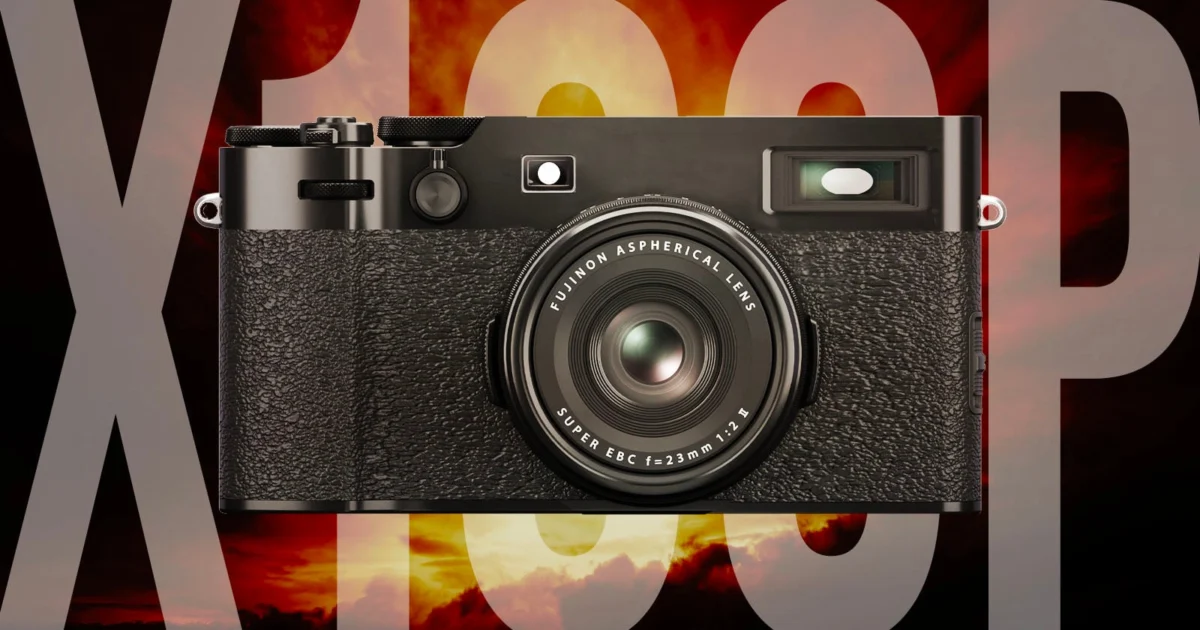
In the modern digital landscape, the act of photography has become increasingly homogenized. Despite the rapid advancement of sensor technology and computational photography, the industry has largely settled into a comfort zone of standard aspect ratios. Yet, for a dedicated cohort of photographers, there remains a gaping void—a longing for the cinematic, immersive vistas once defined by the legendary Hasselblad XPan and its Japanese sibling, the Fujifilm TX-1.
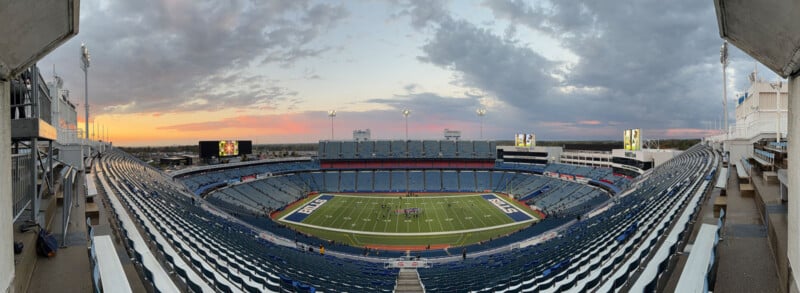
For the past year, my own creative journey has been deeply rooted in the world of panoramic photography. It began with the XPan, led me to the acquisition of a Fujifilm TX-1, and ultimately drew me into the experimental realm of 3D-printed 120-format cameras. But while analog enthusiasts have these tools, digital photographers are left with only one alternative: the smartphone panorama. It is a tool that, frankly, falls short. The inherent perspective distortion and stitching artifacts of mobile devices are a poor substitute for the deliberate, wide-angle artistry of a true panoramic system.
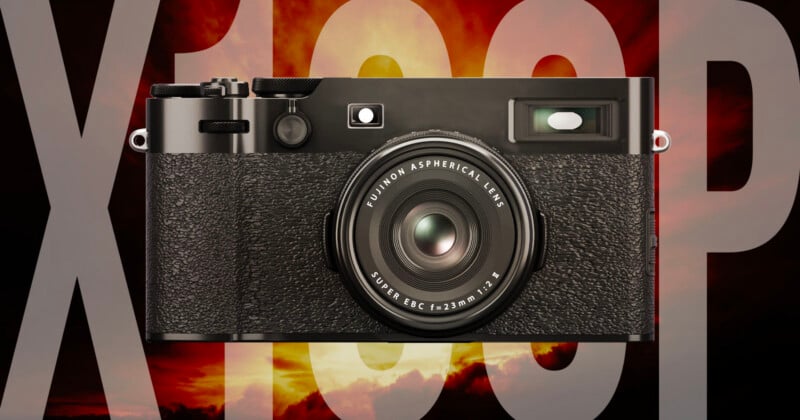
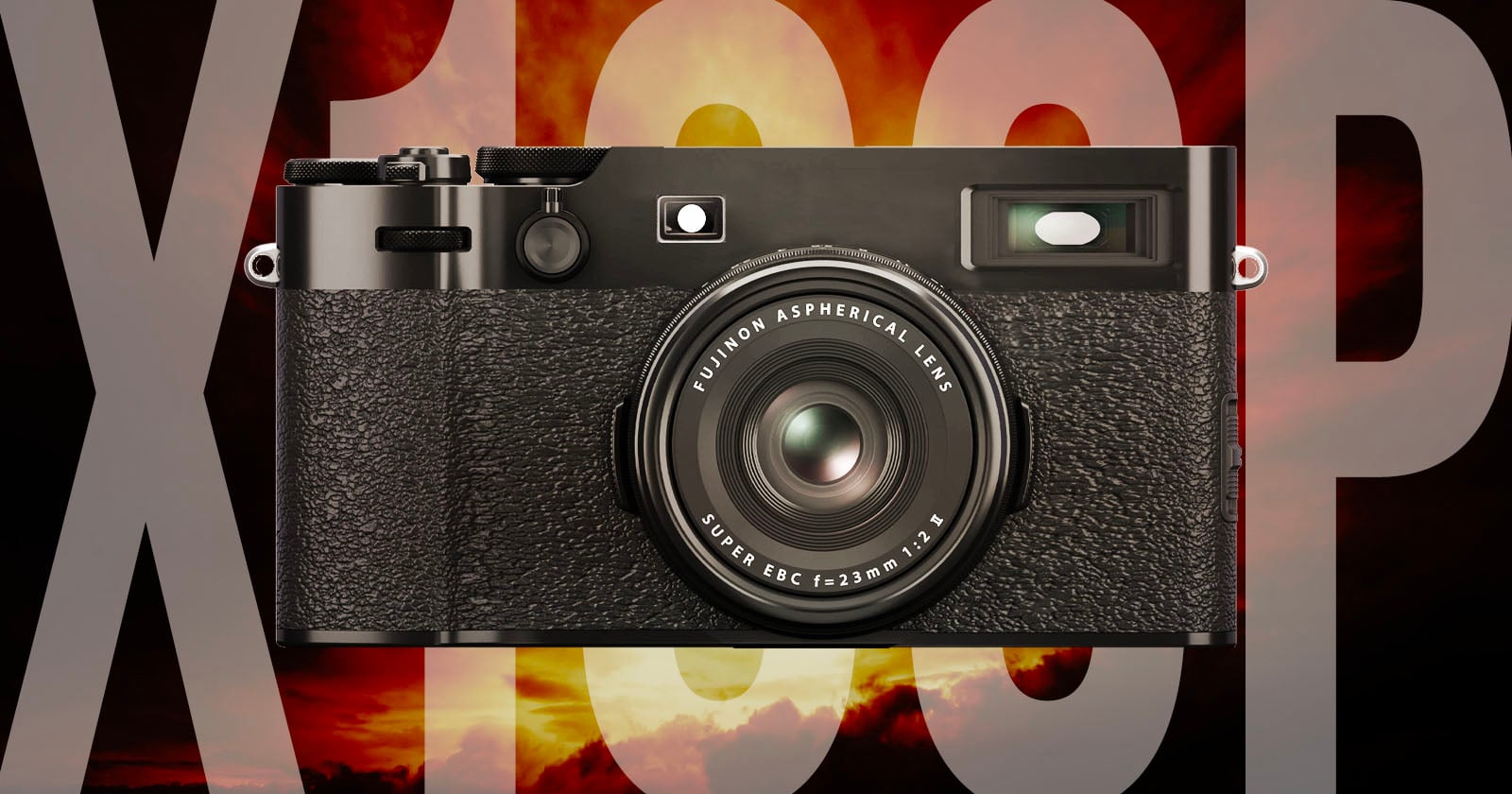
It is time for this to change. It is time for the Fujifilm X100P.
A Chronology of a Lost Format
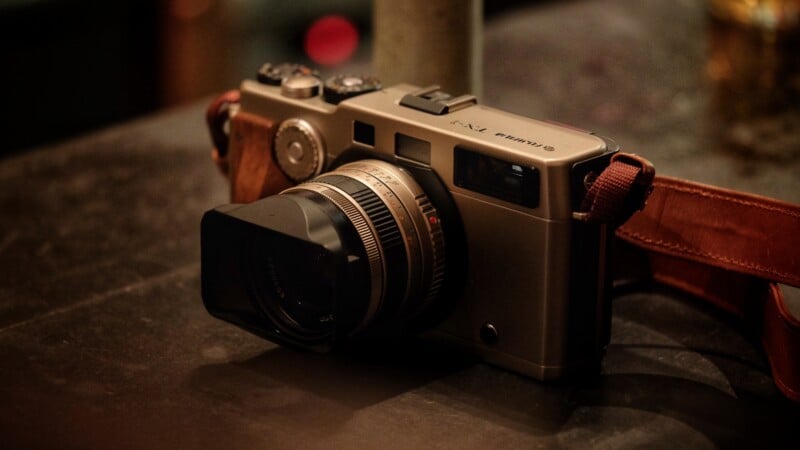
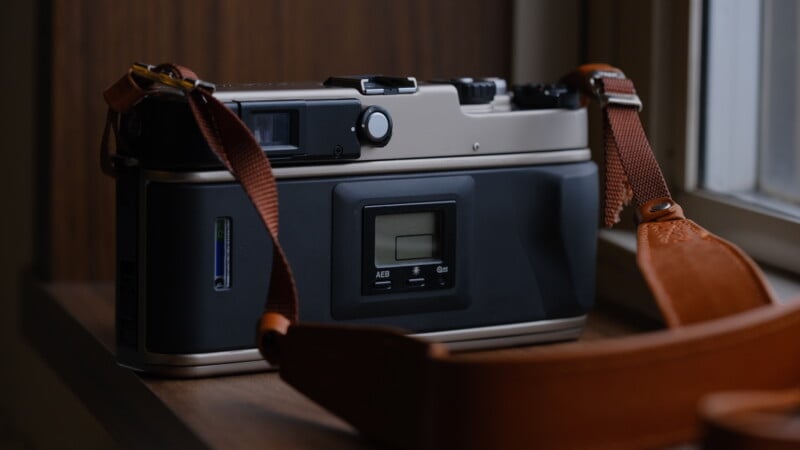
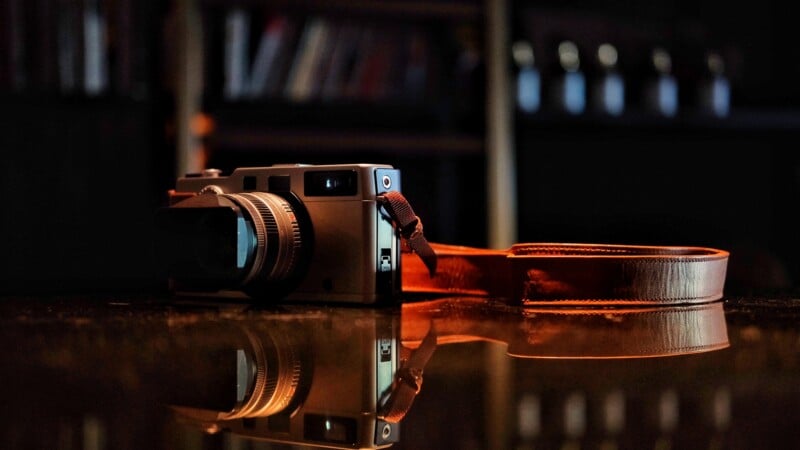
To understand why the market is desperate for a digital panoramic camera, one must look at the history of the Hasselblad XPan and the Fujifilm TX-1. Released in 1998, the XPan was a revolutionary dual-format 35mm camera. Through a unique manufacturing partnership, Hasselblad handled the international distribution, while Fujifilm—the engineering powerhouse behind the design—marketed the camera as the TX-1 exclusively in Japan.

The TX-1 was not merely a camera; it was a masterclass in industrial design. Finished in a sophisticated blend of titanium and wood accents, it felt more like a precision instrument than a mass-produced consumer electronic. It allowed photographers to switch between a standard 24x36mm frame and a 24x65mm panoramic frame on the same roll of film, without the need to swap lenses or adjust the back of the camera.

When the system was discontinued in 2006, it left a vacuum that no digital manufacturer has dared to fill. While digital sensors have evolved to offer incredible resolution and dynamic range, they remain tethered to the constraints of traditional 4:3 or 3:2 ratios. We have seen sensors of every size imaginable, yet the wide, sweeping cinematic canvas of the panoramic format has been relegated to a "crop mode" in post-processing.

The Philosophical Argument: Why "Cropping" Isn’t Enough
The most common rebuttal to the proposal of a dedicated panoramic camera is: "Why not just shoot with a high-resolution sensor and crop the image?"

This argument fundamentally misses the point of the photographic experience. Photography is not just about the final image; it is about the process of composition. When a photographer looks through a viewfinder at a wide-angle scene, they are training their eye to see in a specific perspective.
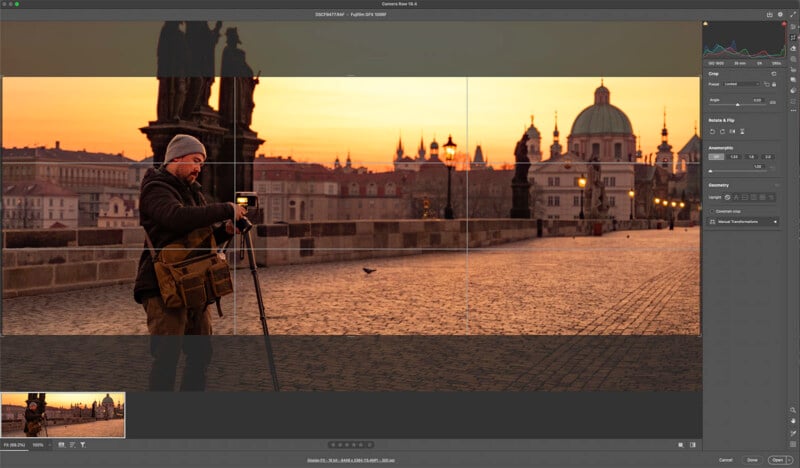
When you use a standard sensor and crop it, you are effectively throwing away data and ignoring the intentionality of the frame. Mathematically, the difference is staggering.
The Data Breakdown: Side-by-Side vs. The Crop
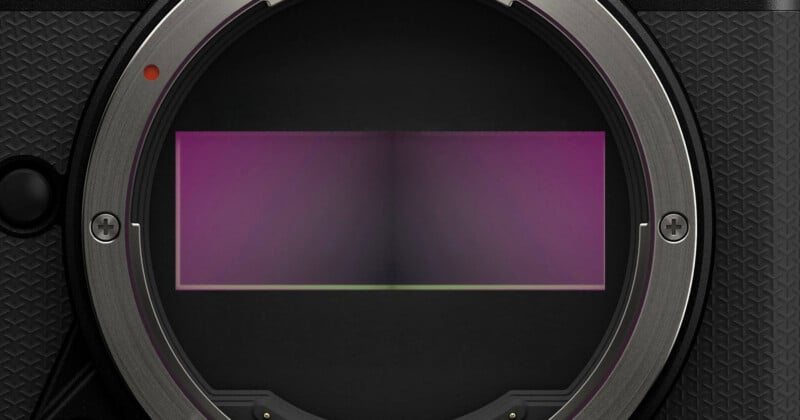
If we were to engineer a modern panoramic camera using two of Fujifilm’s existing 40-megapixel X-Trans CMOS 5 sensors placed side-by-side, we would create a massive 3:1 aspect ratio sensor. This configuration would yield a total imaging area of 733mm², producing a native resolution of approximately 79.6 megapixels (15,456 x 5,152).
In contrast, let us look at the current industry leader, the GFX100RF. With its 102-megapixel sensor, a panoramic crop (using a 65:24 ratio) results in a total imaging area of only 700mm² and a final output of roughly 50.1 megapixels.
The dedicated panoramic system not only provides higher resolution but also ensures that the lens optical path is designed specifically for that wide-angle field of view, minimizing the distortion that occurs when forcing a wide perspective onto a standard sensor mount.
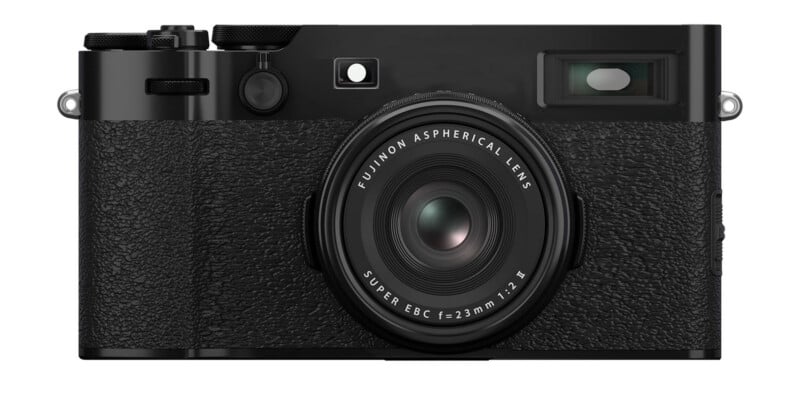
Fujifilm: The King of the Niche
Why Fujifilm? The answer is simple: they are the only manufacturer with the courage to cater to niche audiences. Fujifilm has consistently proven that they understand the intersection of "fun" and "function."

Look at their current lineup: the Instax Mini Evo Cinema, the specialized X-series bodies, the GFX100RF, and the iconic X100 series. Fujifilm has cultivated a brand identity that values the tactile joy of shooting as much as the quality of the image.

At CP+ 2026, Yuji Igarashi, General Manager of the Professional Imaging Group, told PetaPixel: "We’re trying to keep this photography world interesting… So more than experimenting, we just want to deliver the possibility for users to have fun."
The X100P is not an experiment; it is a proven success story waiting for a digital translation. By building this within the existing, beloved X100 design language, Fujifilm would bridge the gap between their heritage as the masters of the TX-1 and their status as the leaders of modern, stylish digital photography.
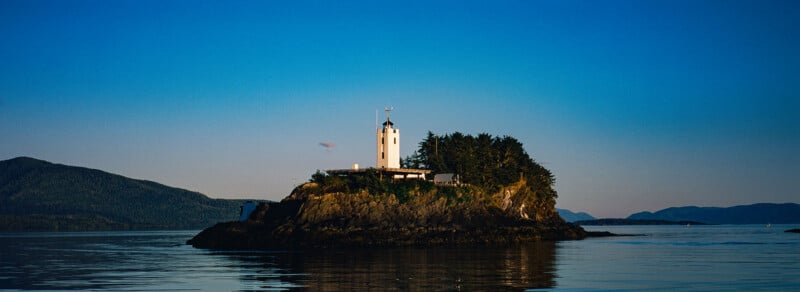
Engineering the X100P: A Proposed Specification
For the X100P to be viable, it must be a fixed-lens system. Attempting to build an interchangeable lens panoramic system in 2026 would be cost-prohibitive. However, a fixed-lens design allows for the optics to be perfectly calibrated to the dual-sensor architecture.

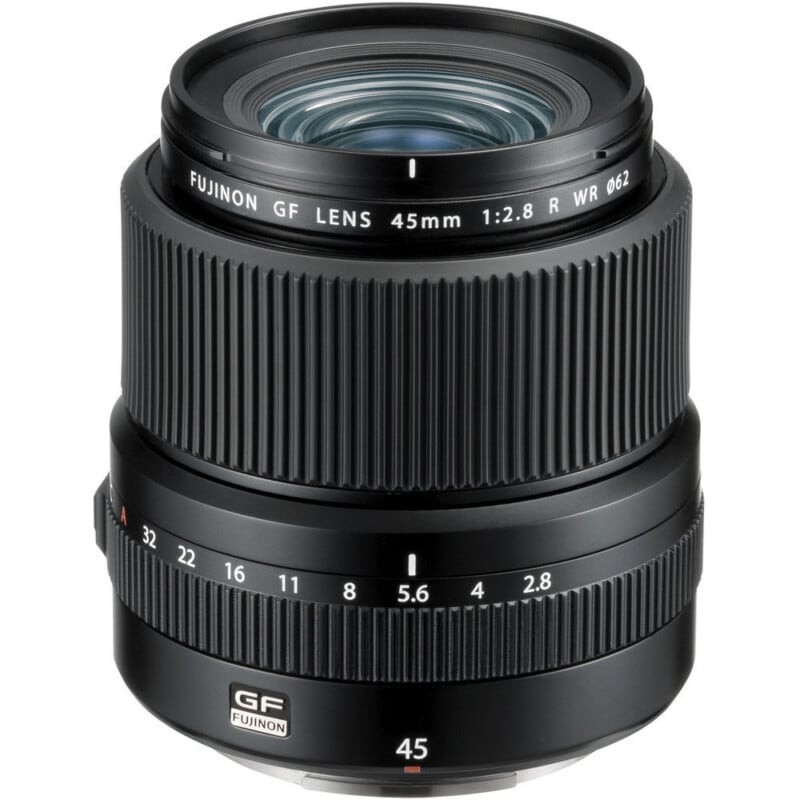
- Optics: A custom-designed prime lens, modeled after the GF45mm f/2.8, would provide a perspective equivalent to roughly 39mm in full-frame terms. By keeping the aperture at f/4—similar to the original XPan lenses—Fujifilm could reduce the size and weight of the optics while maintaining extreme sharpness.
- The Sensor: As previously noted, the dual 40-megapixel APS-C sensor configuration is the "holy grail." It provides the resolution needed for large-scale printing and the cropping flexibility that modern professionals demand.
- Versatility: The camera should retain the ability to toggle into a standard 3:2 mode. This would effectively turn the X100P into a high-end, 40-megapixel prime camera, making it an incredibly versatile travel companion.
- The Build: By omitting IBIS (which is less critical for the wide-angle, static nature of panoramic landscape work), the camera body could remain thin and balanced. Retaining the hybrid OVF/EVF system would maintain the "X100" feel, while an ISO dial on the front of the body—mimicking the iconic TX-1—would provide that essential, tactile connection to the past.
The Economic Implications: Is the Price Justified?
When I have presented this concept to Fujifilm designers, the primary concern has always been cost. Using two sensors effectively doubles the cost of the most expensive component in the camera.
However, we must look at the market trajectory. We are living in an era of premium, high-priced camera bodies. The Sony a1 II and the entire Leica M-series demonstrate that there is a robust, affluent market for specialized tools that offer a unique shooting experience.

If Fujifilm were to price the X100P at a premium—perhaps double the cost of an X100 VI—it would still find a dedicated audience. The target demographic is not the casual hobbyist; it is the fine-art photographer, the landscape specialist, and the dedicated enthusiast who currently spends thousands of dollars hunting for and maintaining vintage XPan systems.

Conclusion: A Call to Create
The art of photography is stagnant when we only use the tools we are given. By ignoring the panoramic format, we are ignoring a fundamental way of seeing the world. The Fujifilm TX-1 is widely regarded as one of the most beautiful cameras ever made, not just because of its aesthetics, but because of what it allowed photographers to achieve.

Fujifilm has the history, the technical expertise, and the brand culture to make the X100P a reality. It is a project that would define the next decade of their innovation. It would be a testament to the idea that photography is not just about capturing light—it is about capturing the world in a way that feels expansive, cinematic, and profoundly human.

It is time to give us the X100P. The world is wide; our cameras should be, too.
 Laily UPN
  Reynand Wu
  Lina Hope