
 By Lina Irawan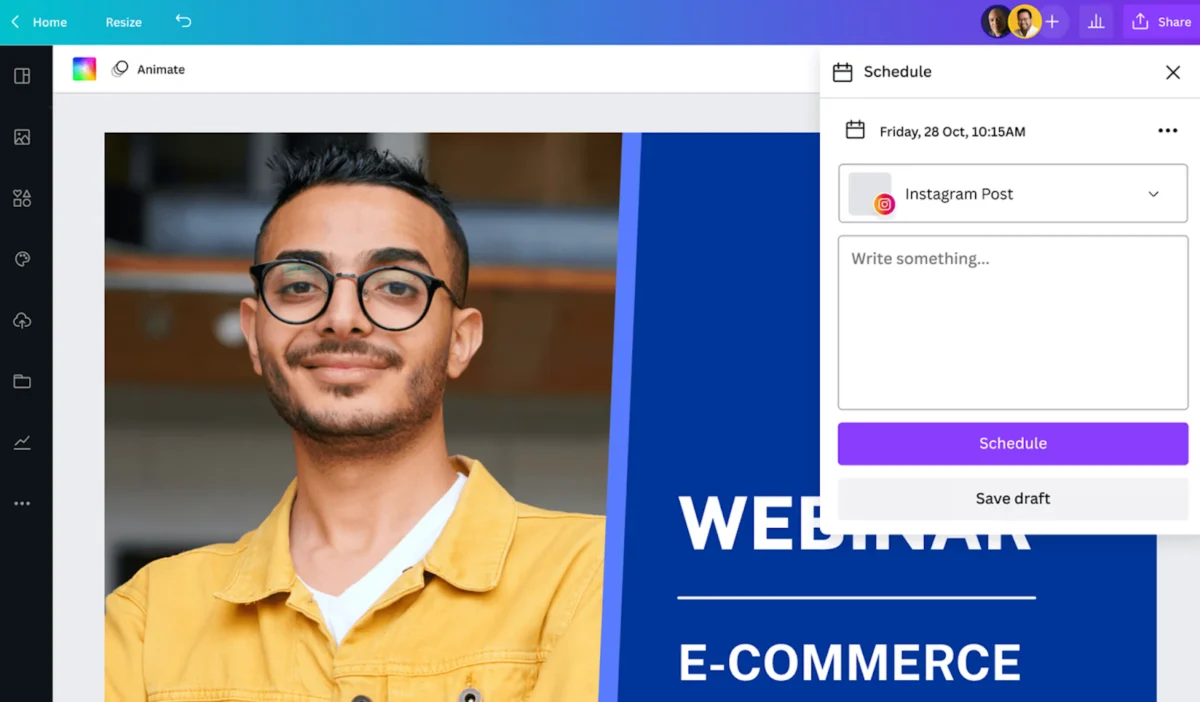
The digital marketing ecosystem in 2025 has reached a critical inflection point. As social media platforms multiply and algorithm complexities deepen, the ability to maintain a consistent, high-quality presence has moved beyond the capacity of manual effort. Social media scheduling tools, once considered a luxury for high-end agencies, have become the essential infrastructure for creators, small businesses, and global enterprises alike.
This report explores the current state of social media automation, analyzing the top-tier tools available for the 2025–2026 cycle and the strategic implications of moving toward an automation-first content model.

I. Main Facts: The Centralization of the Social Workflow
Social media scheduling tools are no longer merely "post-and-forget" platforms. In the current market, they function as centralized command centers that integrate content creation, team collaboration, multi-channel distribution, and advanced data analytics.
The primary utility of these platforms lies in their use of Application Programming Interfaces (APIs). By establishing a "secure handshake" with networks like Meta, X, LinkedIn, and TikTok, these tools allow marketers to batch-process content weeks or even months in advance. This shift from real-time posting to strategic scheduling addresses the three primary challenges of modern digital marketing: consistency, time management, and platform-specific optimization.

Market Leaders at a Glance
As of 2025, the market is segmented by organizational needs:
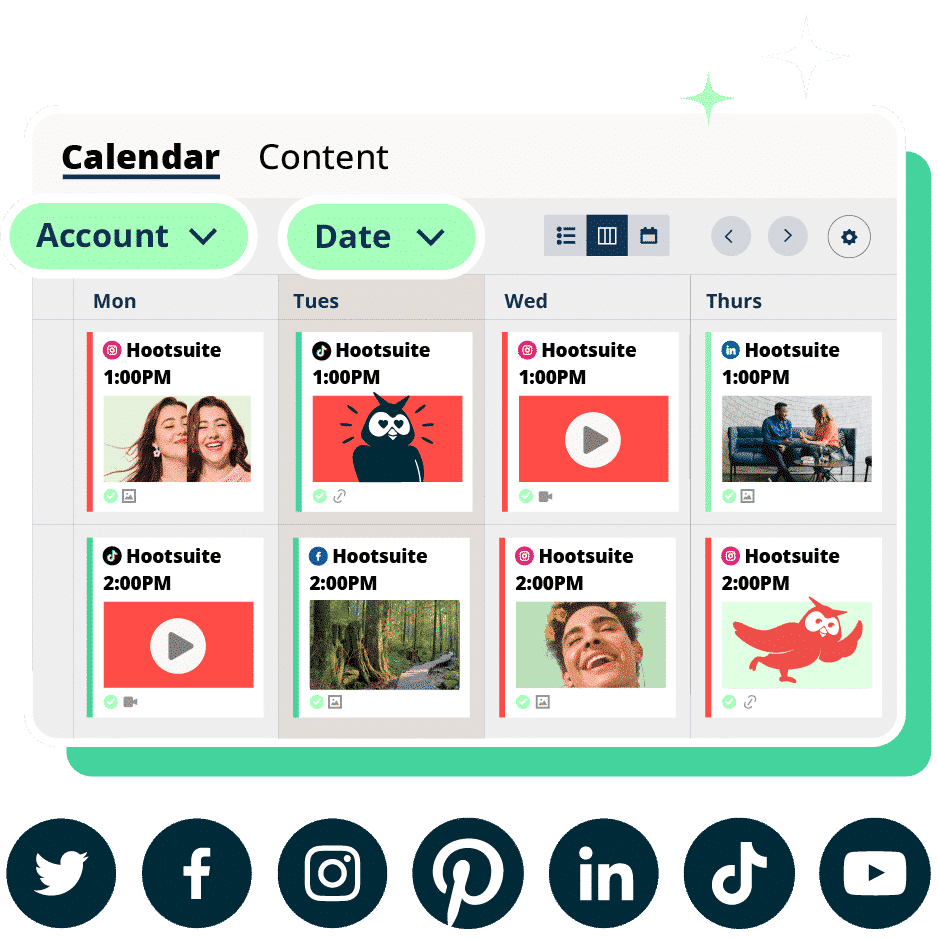
- Enterprise Powerhouses: Hootsuite and HubSpot dominate the high-end market, offering robust security, approval workflows, and CRM integration.
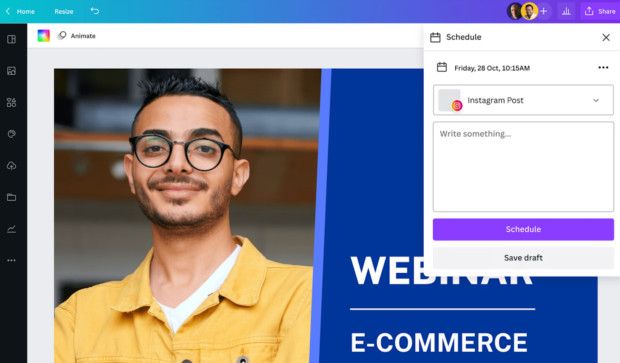
- Visual Specialists: Later and Canva cater to aesthetic-driven brands, focusing on grid previews and design-to-publish workflows.
- Niche & Regional Solutions: Tools like KAWO (Chinese social media) and Tailwind (Pinterest) provide deep-dive optimization for specific markets and platforms.
II. Chronology: From Manual Posting to Predictive Automation
To understand the 2025 landscape, one must look at the evolution of social media management over the last two decades.
- The Manual Era (2004–2010): In the early days of Facebook and Twitter, posting was done in real-time. Brands acted like individuals, often resulting in erratic posting schedules and a lack of data-driven strategy.
- The Rise of the Dashboard (2010–2015): Hootsuite and early competitors introduced the concept of the "social dashboard." For the first time, managers could view multiple feeds in one window, though scheduling was still rudimentary.
- The Visual Revolution (2015–2020): With the explosion of Instagram and Pinterest, tools like Later and Tailwind emerged to help brands "visualize" their presence before publishing. The focus shifted from text to aesthetic cohesion.
- The Integration & AI Era (2021–2025): The current era is defined by deep integration. Scheduling is no longer a siloed task; it is tied to CRM data (HubSpot), design software (Canva), and email marketing (Mailchimp). Furthermore, AI-driven "best time to post" recommendations have replaced manual guesswork.
III. Supporting Data: A Comparative Analysis of 2025 Toolsets
The effectiveness of a scheduling tool is measured by its ability to save labor hours while increasing engagement. Below is a detailed analysis of the leading tools based on their 2025–2026 feature sets and pricing structures.
1. Enterprise-Grade Management: Hootsuite and HubSpot
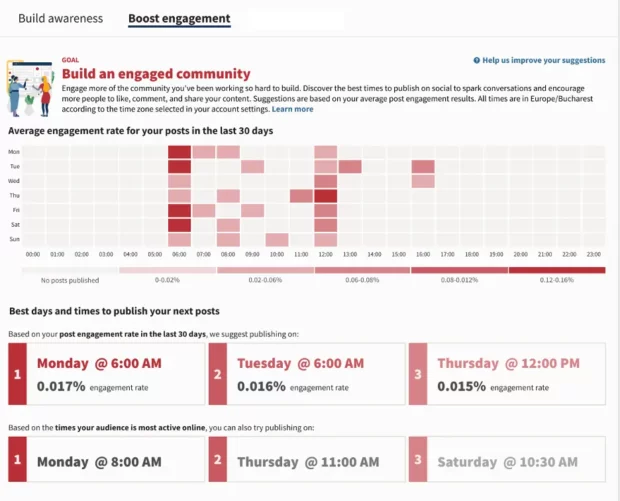
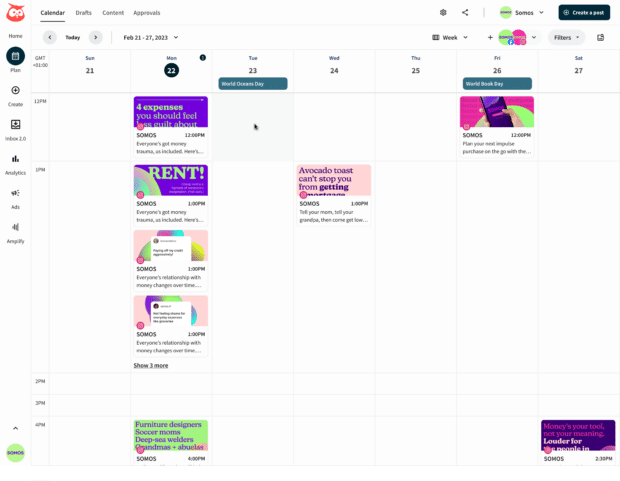
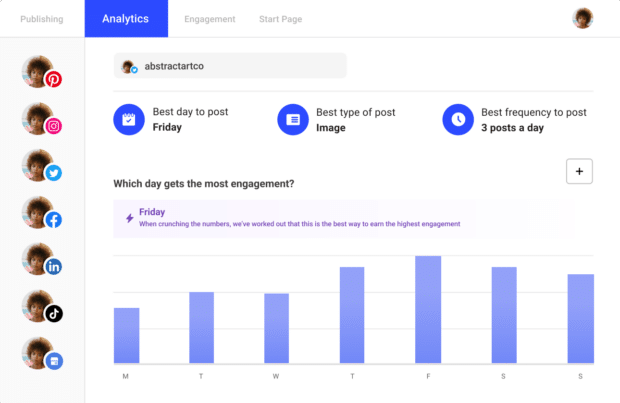
Hootsuite remains the industry standard for large teams. Starting at $99/month, it supports a vast array of platforms, including Threads and TikTok. Its standout feature is "Best Time to Post" recommendations, which analyze an account’s specific audience history to maximize reach.
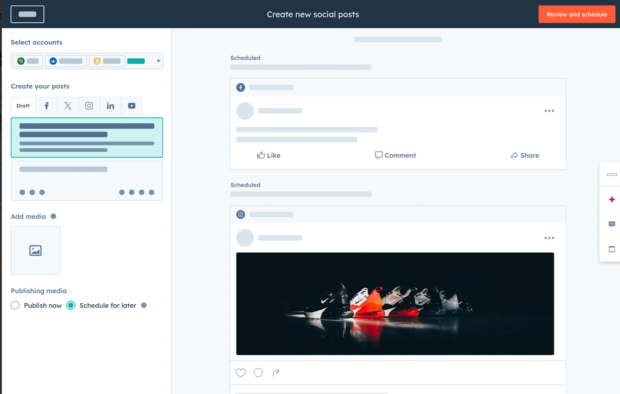
HubSpot, conversely, is the tool of choice for B2B organizations. At $890/month for its Marketing Hub Professional tier, it justifies its cost by tying social media engagement directly to CRM leads. This allows marketers to see exactly which LinkedIn post or Facebook ad contributed to a closed-won deal.
2. The Mid-Market and Creator Tier: Later and Buffer
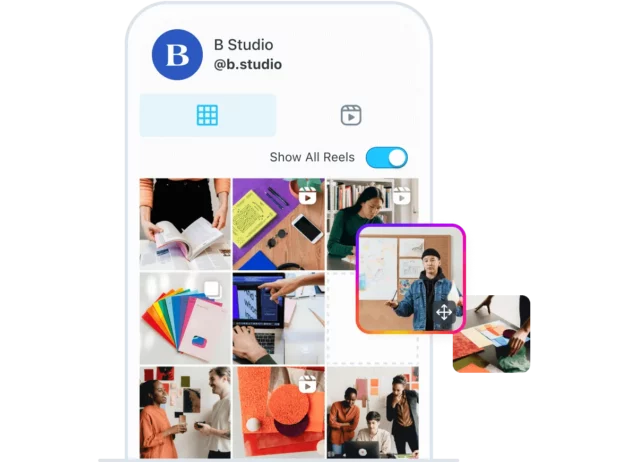
Later (starting at $25/month) has secured its position as the premier tool for visual brands. Its "Visual Instagram Feed Planner" allows creators to drag and drop posts to ensure a perfect aesthetic grid—a feature that remains a high priority for fashion and lifestyle brands.
Buffer offers a "no-frills" alternative. With a starting price of $5/month per channel, it is the most accessible tool for freelancers. While it lacks the deep listening and analytics of Hootsuite, its simplicity and ease of use result in a near-zero learning curve.
3. Specialized Automation: MeetEdgar and RSS Autopublisher
For businesses with limited content production capacity, MeetEdgar ($499/year) introduces "Evergreen Content Recycling." Instead of a post dying after 24 hours, the tool automatically re-adds high-performing posts back into the queue, ensuring the feed never goes dark.
For news outlets and podcasters, RSS Autopublisher ($6.99/month) automates the link between a website and social channels. As soon as a blog post or episode goes live, the tool detects the RSS update and pushes it to LinkedIn, X, and Facebook without human intervention.
4. Navigating the Chinese Market: KAWO
Global brands targeting the Chinese market face unique technical hurdles due to the "Great Firewall" and the dominance of platforms like WeChat, Weibo, and Douyin. KAWO (starting at $4,000/year) is the essential bridge, providing a western-style scheduling interface for these complex, state-regulated platforms.
IV. Technical Framework: The Mechanics of the API Handshake
A critical component of social media scheduling is the technical execution of the post. Journalistic investigation into these tools reveals that not all platforms are treated equally by APIs.
The YouTube Anomaly
Unlike Meta or LinkedIn, the YouTube API requires a two-step process for third-party scheduling. Most tools require the video to be uploaded as "Private." The scheduling tool then triggers a status change to "Public" at the designated time. This technical workaround is necessary to maintain the integrity of YouTube’s internal processing and monetization checks.
Bulk Scheduling and Efficiency
The primary ROI of these tools is found in "Bulk Scheduling." By using CSV or Excel file uploads, a social media manager can schedule up to 350 posts in a single upload. Data suggests that this method can reduce the time spent on social distribution by up to 80%, allowing teams to focus on community management and strategy rather than the mechanics of clicking "Publish."
V. Official Responses and Expert Perspectives
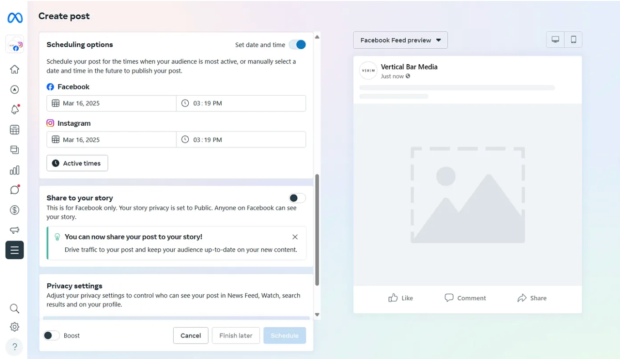
Industry analysts suggest that the choice between "native" scheduling (using Meta Business Suite) and "third-party" tools (Hootsuite, Later) is a matter of scale versus cost.
The Case for Native Tools:
Meta Business Suite is free and provides the most stable connection to Facebook and Instagram. However, experts warn that relying solely on native tools creates a fragmented workflow. A manager would need to log into Meta for Instagram, then LinkedIn for professional posts, then TikTok for video—leading to "dashboard fatigue" and inconsistent reporting.
The Case for Third-Party Platforms:
Marketing executives argue that the cost of a tool like Hootsuite or HubSpot is offset by the "unified analytics" they provide. Having a single report that compares engagement across five different networks is essential for quarterly business reviews and proving ROI to stakeholders.
VI. Implications: The Future of Social Media Management
As we look toward 2026, the implications of these tools on the marketing profession are profound.
1. The Death of the "24/7" Social Media Manager
The ability to schedule content and automate responses means that the role of the social media manager is shifting from a "manual operator" to a "strategic director." Automation handles the distribution, leaving humans to handle high-level creative direction and crisis management.

2. Content Saturation and the Algorithm
With tools making it easier to post, the volume of content on social networks is reaching an all-time high. The implication for brands is that "consistency" is no longer enough. The next frontier for scheduling tools will be "Predictive Performance"—using AI to tell a brand not just when to post, but what specific type of content is likely to break through the noise based on real-time trend analysis.
3. Governance and Compliance
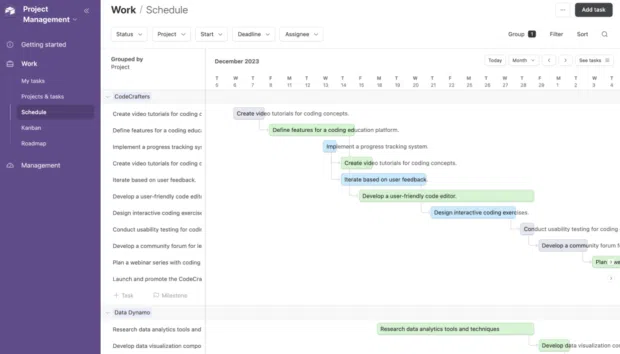
For enterprises, the implication of scheduling tools is one of security. By using a centralized platform, companies can grant access to social accounts without sharing passwords. Features like "Approval Workflows" ensure that no post goes live without being vetted by legal or senior management—a critical safeguard in an era of heightened brand sensitivity.
In conclusion, the social media scheduling landscape of 2025 is a sophisticated machinery of APIs, AI, and integrated workflows. Whether a business is a solo Shopify store using Post Studio or a global conglomerate using Hootsuite, the mandate is clear: automate the routine to liberate the creative.
 Raul Delapena Setiawan
  Basiran
  Asro
Asro 