
 By Ammar Sabilarrohman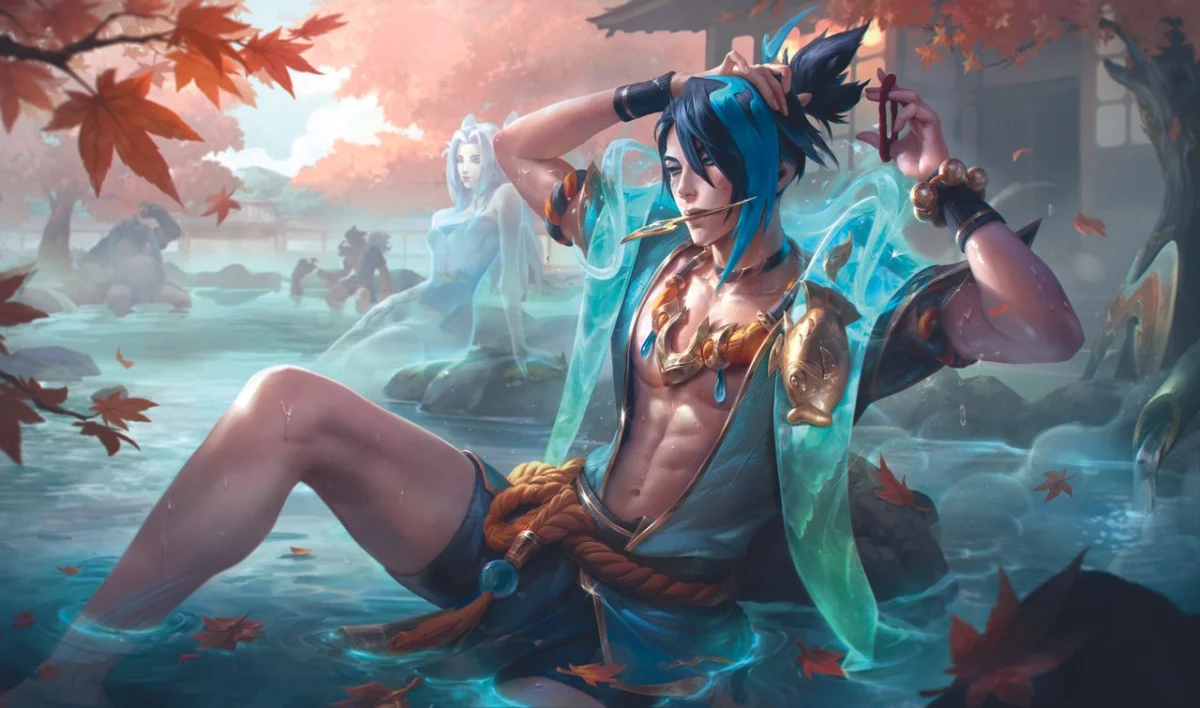
In the hyper-competitive world of digital illustration, where thousands of artists vie for recognition, South Korean illustrator Blake Byun has carved out a distinct niche. Her work is characterized not merely by technical proficiency in Adobe Photoshop, but by a profound commitment to "narrative-driven" art. Byun’s ability to imbue static digital canvases with cinematic lighting, complex character psychology, and high-stakes tension has made her a standout figure in the industry, particularly in the realm of high-end splash art.
Byun’s approach transcends traditional digital painting. She treats every commission—whether fan art or professional work for global giants like Riot Games—as a storytelling exercise. By leveraging dynamic compositions and atmospheric depth, she invites the viewer to look beyond the surface of the image and into the history of the character depicted.
The Foundation: Digital Tools and Creative Philosophy
Before diving into the specific mechanics of her work, it is essential to understand the workflow that sustains Byun’s output. Working primarily within the Adobe Creative Cloud ecosystem, Byun utilizes Photoshop to bridge the gap between traditional painterly aesthetics and modern digital precision.
Her philosophy is rooted in the belief that an illustration must "breathe." For Byun, a successful piece is one that captures a fleeting moment of vulnerability or extreme action, framed by lighting that dictates the emotional tempo of the scene. Her mastery of drawing tablets—the essential hardware for any professional digital artist—allows her to achieve a level of brushwork control that mirrors the organic feel of traditional media, providing her with the agility needed for complex lighting scenarios.
Chronology of Craft: A Career Built on Character
Byun’s ascent in the art world is a testament to the power of fan-driven passion meeting professional discipline. While many artists focus on generic tropes, Byun’s portfolio reflects a journey of deepening her engagement with complex character designs.
Masque of the Black Rose: Defining the Moody Aesthetic
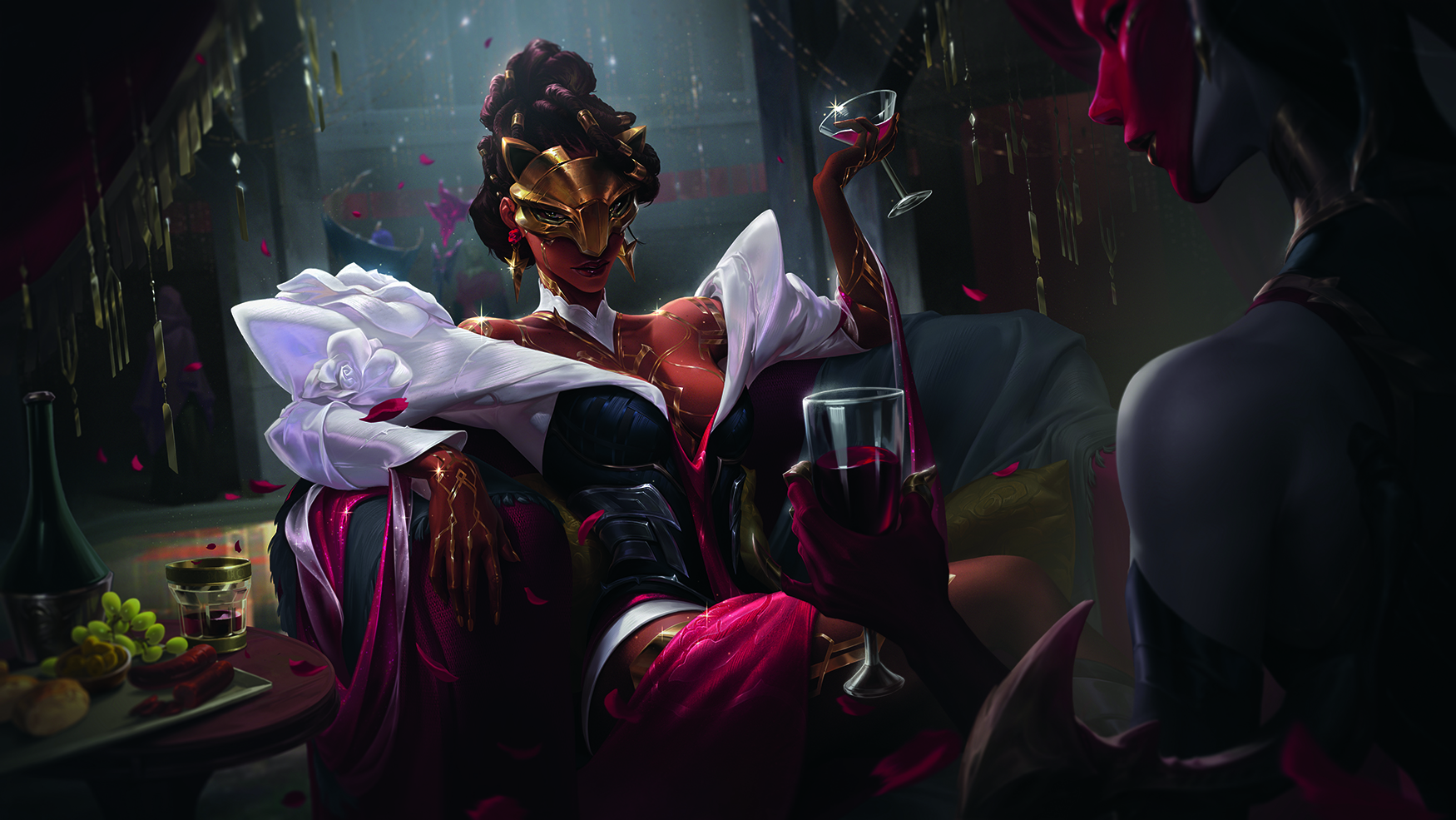
One of her most compelling personal projects, the "Masque of the Black Rose" fan splash art, serves as a masterclass in atmospheric framing. Inspired by the hit series Arcane, the piece features the character Mel.
"I used moody lighting and atmospheric framing to highlight her fierce resolve beneath a graceful exterior," Byun explains. The piece is a study in juxtaposition; the soft, opulent environment of the character’s surroundings is pierced by a harsh, searching light that hints at her underlying agenda. It was through this project that Byun solidified her ability to tell a story through shadow rather than just form.
Nightbringer Hecarim: The Mastery of Kinetic Energy
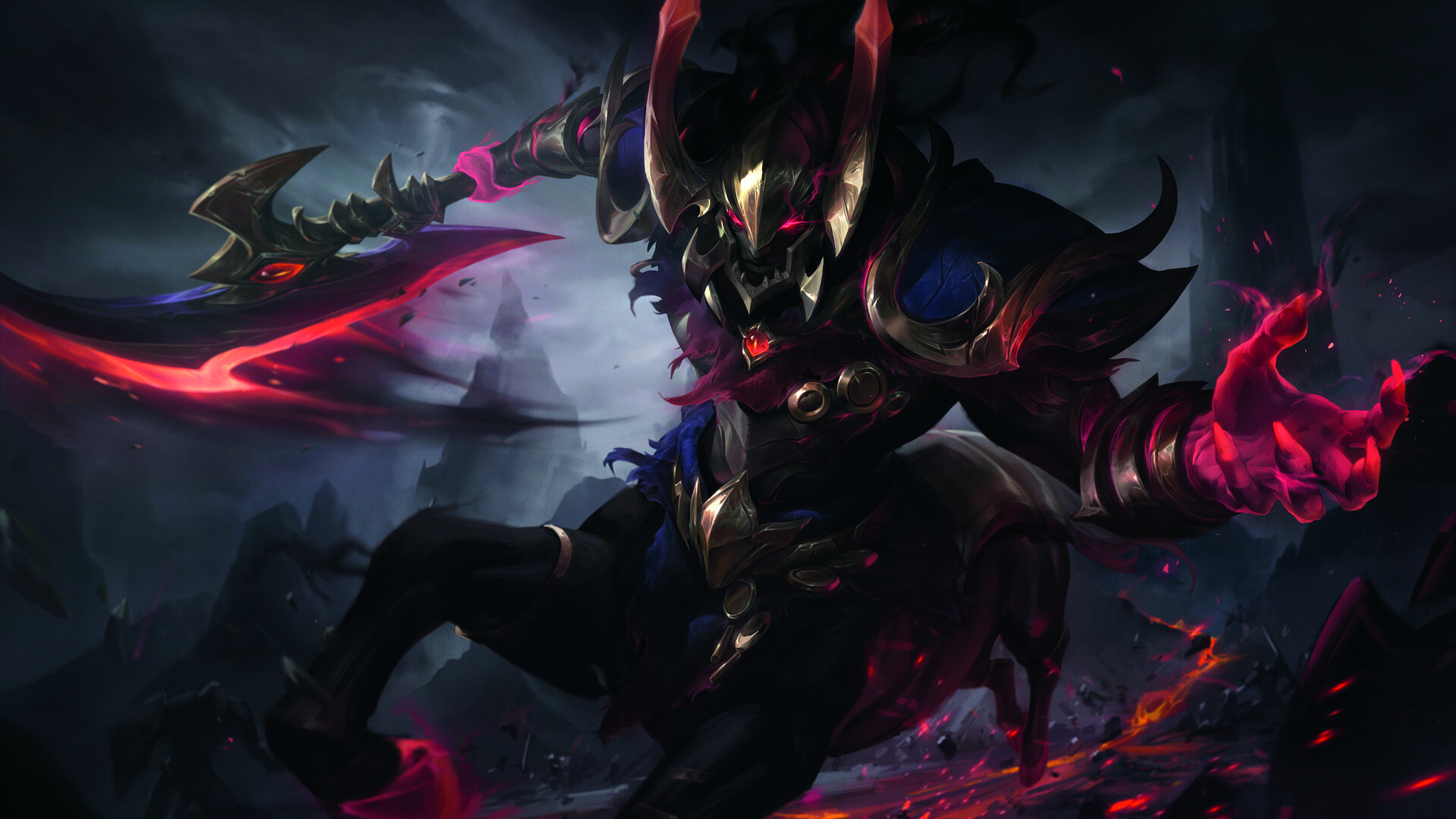
Byun’s transition to professional, high-profile splash art—specifically her work on League of Legends—marked a significant pivot toward high-intensity, action-oriented compositions. Her work on "Nightbringer Hecarim," created in partnership with West Studio and the League Splash Team, demonstrates her capability to handle scale and raw aggression.
"I wanted to convey Hecarim’s relentless momentum and dark, aggressive energy," says Byun. The success of this piece hinges on the use of dynamic angles and a high-contrast color palette. By focusing on "clearly delineated cast shadows," she was able to ground a chaotic, mythological creature in a way that felt physically present and threatening.
Tranquil Dissonance: The Art of Subtlety
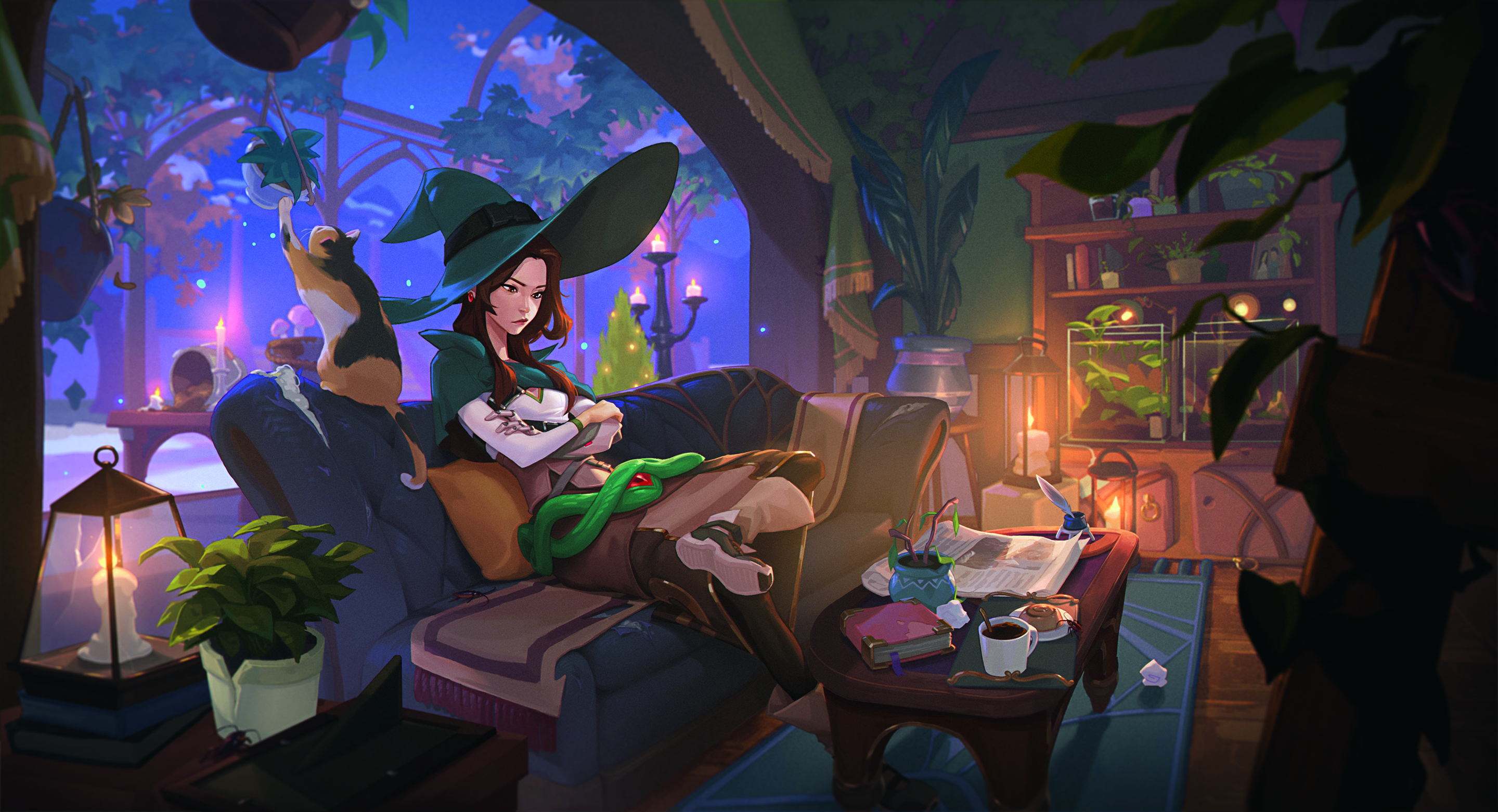
Proving that she is as adept at stillness as she is at violence, Byun’s piece "Tranquil Dissonance" highlights her growth as an artist interested in the "uncomfortable truth." The illustration functions as a visual dichotomy, where a cozy, inviting atmosphere serves as a facade for a character’s internal grumpiness. This ability to visualize internal states through external environment is a hallmark of her evolving style.
Prestige Spirit Blossom Aphelios: A Technical Milestone
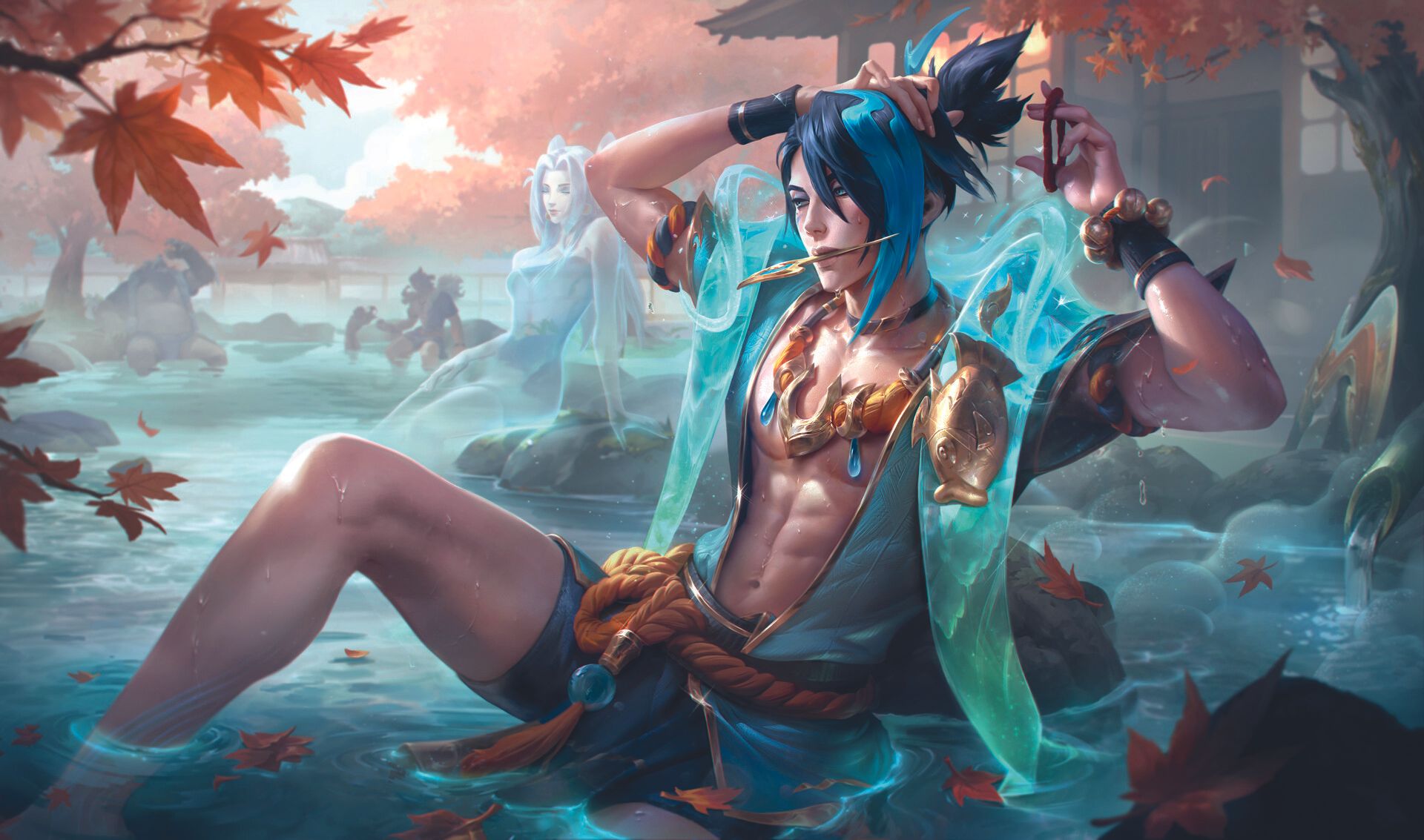
Perhaps the most significant project in her recent career is the "Prestige Spirit Blossom Aphelios" splash art. For Byun, this was not just a job; it was a deeply personal engagement with a character and universe she had long admired.
The challenge here was technical: capturing the humidity and physical reality of a hot spring environment. "I spent a lot of time rendering the gentle water ripples and adding layers of steam and water droplets to create a convincingly hot, humid, and grounded atmosphere," she notes. The resulting piece is a testament to her attention to detail, specifically in how light refracts through steam and water to create a sense of intimacy between the characters, Aphelios and Alune.
Supporting Data: The Anatomy of a Splash Art Workflow
The creation of professional-grade splash art, such as that commissioned for Riot Games, is an exhaustive, collaborative process. It typically involves:
- Ideation and Thumbnailing: The initial phase where the artist explores various compositions to maximize the visual impact of the character’s "moment."
- Color Scripting: Establishing the emotional arc of the piece through a controlled palette.
- Rendering: The labor-intensive phase where textures, light, and atmospheric effects are applied.
- The Polish Phase: As Byun noted regarding her work on the Aphelios piece, "Riot’s final polish added so much clarity and depth, and it helped me realize areas I still need to grow in." This acknowledgement of the collaborative nature of industry art is crucial; it reflects a professional maturity that balances individual artistic vision with the requirements of a larger, established brand.
Official Perspectives and Industry Implications
The intersection of freelance creative vision and large-scale corporate IP is a unique space. For artists like Byun, the ability to maintain a signature style while adhering to the strict visual language of a franchise like League of Legends is a high-wire act.
Industry experts observe that artists who can bridge this gap—those who can bring their own "narrative-driven" sensibilities to a pre-existing character—are the most sought-after in the current market. Byun’s work suggests a shift in the industry toward favoring artists who act as storytellers rather than mere technicians. Her willingness to share her process on platforms like ArtStation has also made her a reference point for emerging artists, effectively creating a feedback loop where she is both a practitioner and an educator.
The Future of Narrative Illustration
As we look toward the future of digital art, the role of the illustrator is expanding. With the rise of AI-generated imagery, the "human touch"—the specific, intentional choices made by an artist to convey a character’s soul or a specific emotional beat—becomes more valuable than ever.
Blake Byun’s career trajectory is a perfect case study for the modern illustrator. By grounding her work in rigorous technical training, but refusing to let that technicality stifle her narrative intent, she has remained relevant and highly influential. Whether she is painting a chaotic battlefield or a quiet moment in a hot spring, her primary goal remains consistent: to ensure that the viewer feels the weight of the character’s existence.
For those inspired to follow in her footsteps, the path is clear: master your tools, but never prioritize the tool over the story. As Byun continues to refine her craft, her work stands as a reminder that the most compelling art is that which suggests a world beyond the frame—a world that the viewer is invited to inhabit, even if only for a fleeting moment.
For more insights into the world of digital art, industry trends, and professional artist spotlights, subscribe to ImagineFX magazine. Whether you are a hobbyist or an industry veteran, the magazine provides the essential tools, techniques, and inspiration to elevate your creative practice. Creative Bloq also offers a streamlined mobile experience for those looking to stay updated on the go—download the app on iOS or Android today.
 Lina Hope
  Reynand Wu
  Pevita Pearce