The landscape of sports consumption is undergoing a seismic shift. For decades, the fan experience has been mediated by the flat rectangle of a television screen—a window that, while informative, keeps the viewer at a distinct, passive distance. However, recent breakthroughs in spatial computing and high-fidelity cinematography are dismantling that barrier.
Following the successful application of immersive technology to capture the sheer scale of a rocket launch, filmmakers in Japan have taken a bold step into the world of professional athletics. By utilizing the Blackmagic URSA Cine Immersive camera system, a production team led by the immersive platform provider Amplium has successfully captured a professional basketball game featuring the Kawasaki Brave Thunders. This project, produced in collaboration with Concent, Inc., marks a significant milestone in the evolution of "Apple Immersive Video," promising to transport fans from their couches directly onto the hardwood floor of the arena.
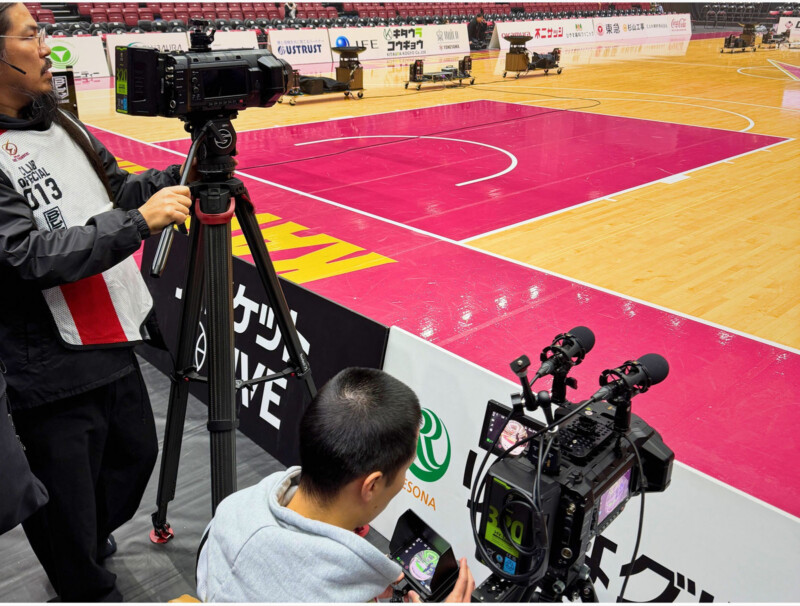
The project represents a high-water mark for independent production teams aiming to compete with the broadcast quality of major sports networks. By deploying a pair of Blackmagic URSA Cine Immersive digital film cameras, the crew was able to record stereoscopic, 8K-per-eye footage designed specifically for the Apple Vision Pro headset.
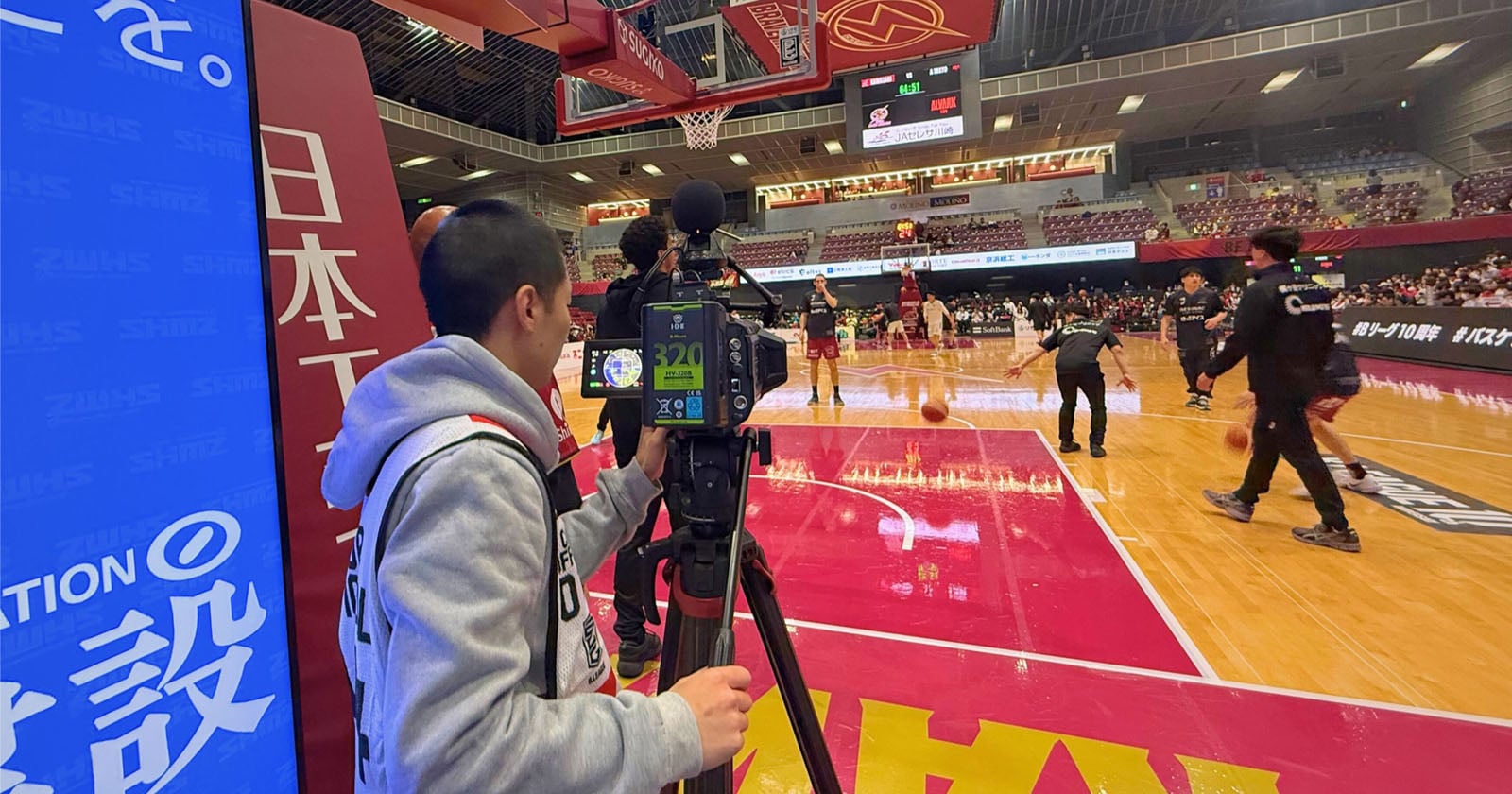
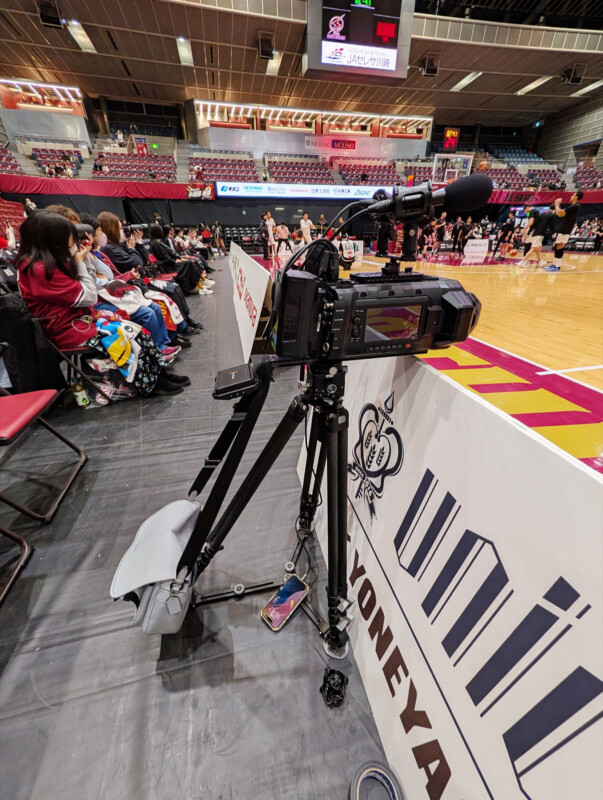
Unlike traditional broadcast setups that rely on heavy, cumbersome rigs and extensive rigging teams, the URSA Cine Immersive system offers a compact, high-mobility solution. This allowed the production team to place cameras in locations previously deemed too intrusive or logistically difficult, such as directly adjacent to the team benches or beneath the basket stanchions. The resulting footage provides a 180-degree stereoscopic view, capturing the visceral intensity of a professional basketball game—the squeak of sneakers, the shouted instructions of the coach, and the explosive energy of the players’ pre-game introductions.
The integration of immersive technology into the Kawasaki Brave Thunders’ promotional strategy was not an overnight endeavor. The project followed a meticulous production schedule that prioritized both technical excellence and the authentic atmosphere of the sport.
Phase 1: Strategic Planning
Amplium, led by CEO Hibiki Sato, identified a unique opportunity to elevate the Brave Thunders’ brand identity. By positioning the team as pioneers in Apple Immersive Video, they sought to create a "digital twin" of the stadium experience. The planning phase involved scouting the arena to determine the optimal "sweet spots" for the immersive cameras, ensuring the stereoscopic depth would be maximized without obstructing the view of paying spectators.
Phase 2: The Production Run
During the game, the crew executed a dynamic shooting schedule. Rather than relying on a static, "set it and forget it" approach, the team moved the camera rigs throughout the four quarters of the game.
The Opening: Cameras were placed on the court during player entrances, allowing viewers to stand virtually among the athletes as they stepped into the arena lights.
The Mid-Game: Cameras were relocated to the sidelines and near the basket to capture the raw physicality of the game.
The Closing: The cameras captured post-game interactions, providing an intimate look at the players’ reactions and the emotional aftermath of the competition.
Phase 3: Post-Production
Following the live shoot, the data was processed through DaVinci Resolve Studio. The editing team, led by Shota Iwami, focused on maintaining the integrity of the footage. Avoiding the temptation to apply heavy, distracting visual filters, the team focused on naturalistic color grading, precise white balance, and noise reduction to ensure that the final result felt like a genuine human perspective rather than a manufactured digital construct.
Technical Superiority and Supporting Data
The choice of the Blackmagic URSA Cine Immersive was dictated by the specific requirements of spatial video. Standard cinema cameras, while powerful, often struggle with the precise synchronization required for high-quality stereoscopic capture.
Mobility as a Core Feature
One of the most significant hurdles in live sports production is the time required to calibrate equipment. As Creative Director Toru Watanabe noted, the URSA Cine system is designed for rapid deployment. Its ability to function without constant fine-tuning of parameters meant that the production team could move from the bench to the court in minutes.
Minimalist Logistics
A major pain point for immersive production is the "crew footprint." In a professional arena, space is a premium commodity. The URSA Cine system’s ability to operate with a minimal accessory setup meant that a single operator could manage the transport and positioning of the camera. Battery changes were infrequent and seamless, ensuring that the production rhythm was never interrupted by technical downtime.
Data Fidelity
By recording at 8K per eye, the system captures a level of detail that standard broadcast cameras—often compressed heavily for satellite and cable transmission—simply cannot match. This high-fidelity data ensures that when viewed through a high-resolution display like the Vision Pro, the "screen door effect" is minimized, and the depth perception remains sharp and convincing.
Official Responses: Visionaries Speak
The collaboration between Amplium, Concent, Inc., and the Kawasaki Brave Thunders has drawn significant praise from those at the heart of the project.
Hibiki Sato, CEO of Amplium:
"When we introduced the Kawasaki Brave Thunders to sports in Apple Immersive Video, they immediately recognized the potential. We wanted to deliver a compelling experience in Japan, one that feels as real as being in the arena. Apple Vision Pro and URSA Cine Immersive enabled that level of realism."
Sato remains bullish on the future of this medium, stating, "I’m confident that the day will come when many people can enjoy an immersive, electrifying viewing experience from home, as if they were actually in the stadium. And essential to making that vision a reality is URSA Cine Immersive."
Toru Watanabe, Creative Director:
"Rather than shooting continuously from fixed positions, we changed the camera positions each quarter to capture different viewpoints. This allowed us to record close-up bench action, including coaching direction, as well as on-court opening moments where viewers can stand virtually among the players."
Shota Iwami, Editor at Concent:
"To preserve the authentic atmosphere of the game, we avoided heavy stylization and focused on natural white balance, contrast adjustment, and noise reduction."
Implications: The Future of Fan Engagement
The success of the Kawasaki Brave Thunders project carries profound implications for the sports broadcasting industry. While Apple has already dabbled in immersive sports with highlights from Major League Soccer (MLS) and select NBA broadcasts, this project demonstrates that smaller, agile production teams can produce high-quality immersive content without the backing of a major network.
The Democratization of Immersive Content
The ease of use provided by the URSA Cine system could lower the barrier to entry for teams in secondary markets, collegiate athletics, and niche sports. If local production teams can achieve this level of quality, the potential for a global, on-demand library of immersive sports content becomes a realistic goal.
The Shift in Viewing Habits
As the cost of spatial computing hardware decreases and the comfort of headsets improves, the "livingroom stadium" will likely become a primary revenue stream for professional franchises. This isn’t just about watching a game; it is about "attending" it. Fans will be able to choose their virtual seats, follow their favorite players with unprecedented proximity, and feel the energy of the crowd in a way that 2D television can never replicate.
Technical Challenges Ahead
Despite the success, challenges remain. Bandwidth requirements for streaming 8K-per-eye immersive video are immense, and the ubiquity of high-end VR/AR hardware is still in its infancy. Furthermore, the physical safety of operators and equipment on the sidelines of a fast-paced basketball game remains a constant consideration.
Conclusion
The project at the Kawasaki Brave Thunders’ arena is more than a technical experiment; it is a glimpse into the future of human connection through technology. By blending the artistic vision of directors like Toru Watanabe with the raw technical power of Blackmagic’s hardware, we are witnessing the birth of a new era in sports media. The distance between the athlete and the fan is shrinking, and if these early results are any indication, the future of sports is not just something we will watch—it is something we will inhabit.

 By Ammar Sabilarrohman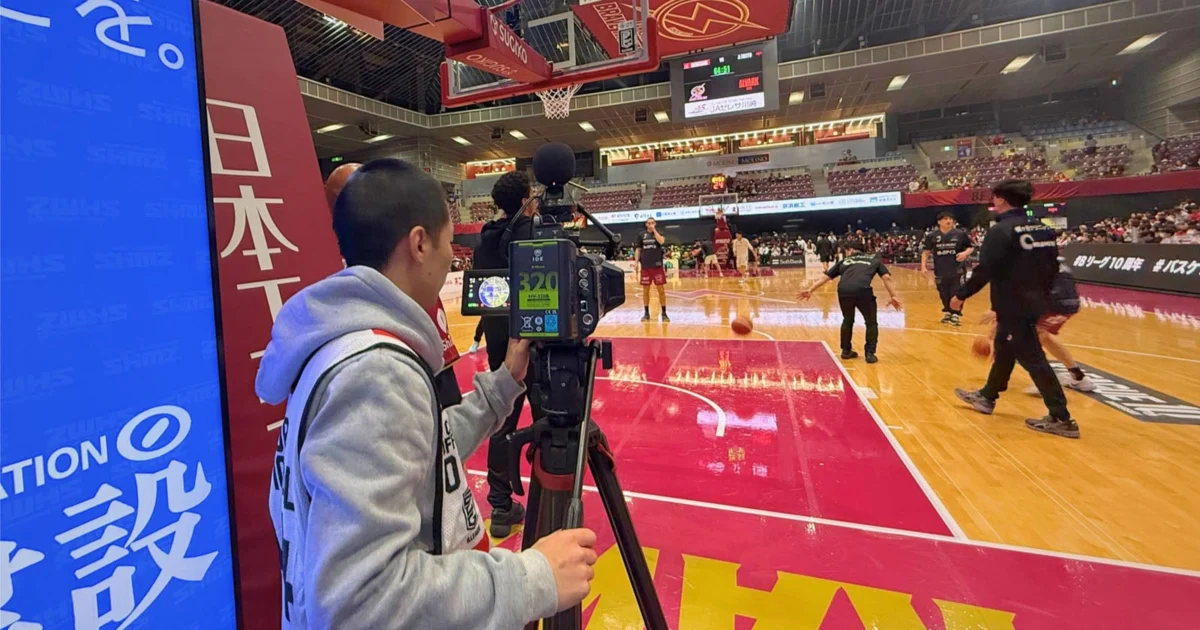
 Laily UPN
  Reynand Wu
  Lina Hope