
 By Lina Hope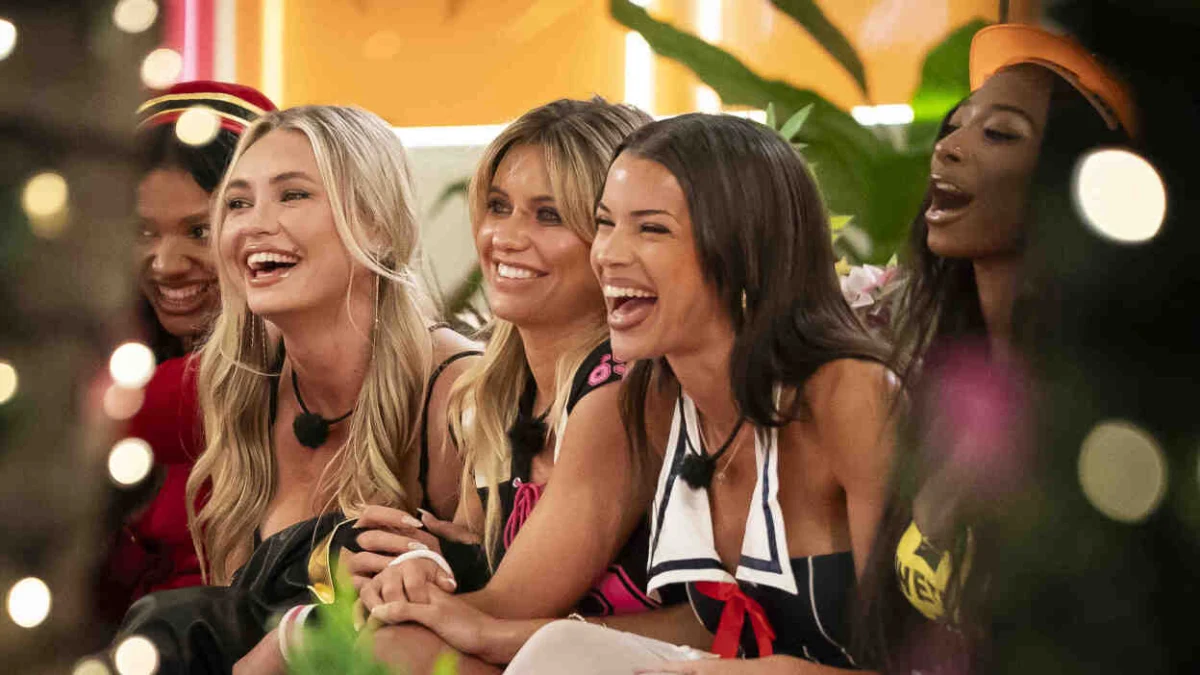
Main Facts
As Love Island USA Season 8 progresses on Peacock, a distinct shift in audience engagement has emerged. While the reality television franchise is fundamentally structured around romantic coupling, bombshell arrivals, and the pursuit of a cash prize for the ultimate "power couple," viewers are increasingly redirecting their attention. According to digital culture metrics and social media sentiment, the defining narrative of Season 8 is not the romantic connections—many of which have suffered dramatic collapses—but rather the deep, resilient platonic friendships formed within the villa.
This phenomenon, colloquially dubbed "Friendship Island" by the show’s dedicated fanbase, has transformed how the audience consumes the nightly broadcasts. Rather than championing traditional romantic pairings, viewers are celebrating moments of mutual support, emotional solidarity, and platonic chemistry.
The shift comes amid a series of highly criticized behaviors from several male contestants, which have alienated audiences and accelerated the breakdown of core couples. From dismissive behavior during the infamous "Casa Amor" recoupling to condescending assessments of the female islanders, the season’s romantic arcs have frequently devolved into sources of frustration for viewers. In contrast, the genuine bonds among the women—and a highly publicized "bromance" between two male contestants—have provided the emotional anchor that keeps audiences returning to the screen.
Chronology of Season 8’s Platonic Milestones
The trajectory of Season 8 has been defined by a sequence of key events where platonic relationships repeatedly overshadowed romantic drama.
The Paradise Cove Catalyst (Early Season)
The groundwork for the season’s most celebrated male friendship was laid in Episode 2 during the "Paradise Cove" twist. Contestants Kayda, Zach, and Bryce were isolated in a separate beach hut for 24 hours, a scenario production designed to spark a high-stakes love triangle. However, as the episode unfolded, viewers noted that the most compelling chemistry was not romantic, but platonic. The immediate, easy camaraderie that developed between Zach and Bryce quickly became a focal point for the audience, establishing a "bromance" that would yield highly shared fan edits and memes across social media platforms for the remainder of the season.
The Departure of Beatriz (June 12, 2026)
On June 12, 2026, contestant Beatriz was dumped from the island. Her exit recontextualized a prior conflict with fellow islander Melanie, which had featured Melanie’s now-viral "give me 10" departure line. Rather than harboring post-show resentment, Beatriz clarified that their disagreement was merely a realistic depiction of close friendship, highlighting the deep emotional ties that formed behind the scenes away from the primary romantic narrative.
The Post-Heart Rate Challenge Reprieve
Following the high-tension "Heart Rate Challenge," the female contestants were granted a rare morning and night to themselves without the male islanders. This brief separation altered the villa’s emotional climate. Viewers highly praised the softer, collaborative dynamic that emerged as the women cooked grilled cheese together, practiced choreographed dances, and engaged in mutual, confidence-boosting speeches.
The Casa Amor Fallout (Late June 2026)
The defining test of the season’s relationships occurred during the Casa Amor segment, where couples are separated and tempted by a new roster of singles. The recoupling ceremony saw contestant KC return to the main villa with a new partner, Tierra (affectionately known as "Titi"), effectively leaving his original partner, Aniya, single and vulnerable.

When Aniya broke down, expressing her loyalty and devastation, KC responded defensively. He referenced her prominent family background—Aniya is the daughter of former NBA player Donnell Harvey—in a manner viewers widely interpreted as dismissive and strategic.
During this highly charged confrontation, the audience’s focus shifted from the betrayal itself to the immediate intervention of Melanie. Melanie physically supported Aniya, guided her away from the fire pit, and actively worked to de-escalate her emotional distress. Melanie’s reassurance—reminding Aniya of her self-worth and declaring that even if they left the villa without romantic partners, they had successfully found each other—became the most discussed and praised moment of the episode.
The Trinity and Bryce Milestone (June 30, 2026)
On June 30, 2026, Trinity and Bryce reached a romantic milestone by officially becoming boyfriend and girlfriend. While the moment was a victory for the couple, the viral sensation surrounding the episode focused heavily on the unbridled, ecstatic reactions of the other female islanders when Trinity shared the news, reinforcing the narrative of collective female joy over individual romantic success.
Supporting Data: The ‘Friendship Island’ Phenomenon
The concept of "Friendship Island" is not entirely unprecedented, but its prominence in Season 8 represents a cultural peak for the franchise.
Historical Context of the Term
The phrase "Friendship Island" first entered the Love Island USA lexicon during Season 6. In a pivotal elimination ceremony, popular islander JaNa was saved from departure by her fellow contestants despite lacking a viable romantic connection at the time. This decision drew the ire of fellow islander Aaron, who famously complained, "This isn’t ‘Friendship Island,’ this is ‘Love Island.’"
Since that season, the term has functioned as a double-edged sword within the fandom:
- As a Criticism: Used when contestants play the game "too safe," refusing to pursue romantic connections with coupled-up islanders out of fear of upsetting their friends, thereby stalling the show’s signature drama.
- As a Compliment: Used to celebrate the authentic, protective, and non-toxic relationships that offer viewers emotional satisfaction when the romantic pairings fail to deliver.
Audience Sentiment and Critique of Male Behavior
The intense pivot toward celebrating platonic relationships in Season 8 is directly correlated with viewer dissatisfaction regarding the behavior of several male contestants. This dissatisfaction is supported by widespread social media analysis across platforms such as X (formerly Twitter) and TikTok:
| Contestant | Key Behavior Criticized by Audience | Impact on Viewer Sentiment |
|---|---|---|
| KC | Dismissive attitude toward Aniya; referencing her father (Donnell Harvey) during an emotional argument. | Widely condemned as manipulative and emotionally cold; solidified Melanie as Aniya’s true protector. |
| Corbin | Describing the new women in Casa Amor as "college girls" while labeling the original women in the villa as "high school." | Criticized as condescending, ageist, and derogatory toward the original female cast. |
| Sincere | Continuously testing the patience and boundaries of Melanie throughout their coupling. | Led to viewer fatigue and demands for Melanie to prioritize her own well-being over the relationship. |
Official Responses and Cast Perspectives
In the wake of their departures, cast members have offered valuable context regarding how the pressure-cooker environment of the villa fosters these deep platonic connections.

Beatriz on the Reality of Villa Friendships
Following her elimination, Beatriz spoke with Variety to address the online discourse surrounding her brief conflict with Melanie. She emphasized that the highly edited, one-hour daily episodes omit significant portions of the contestants’ daily interactions:
"Friends go through their own little discussions or quarrels. But at the end of the day, we squash it."
Beatriz further revealed that her closest bonds in the villa were with Trinity and Kayda, admitting that she felt far more grief over leaving her friends than she did over losing her place on a dating show. Her comments underscore a growing sentiment among the cast that the platonic networks built inside the villa are often more durable and meaningful than the forced romantic pairings.
Implications for the Reality Television Landscape
The audience’s embrace of "Friendship Island" in Season 8 carries broader implications for the production, casting, and cultural consumption of reality dating formats.
The Demand for Emotional Authenticity
Modern reality television audiences are increasingly media-literate and fatigued by predictable, highly produced romantic drama. The enthusiastic reception of Melanie comforting Aniya, or the genuine joy of the women celebrating Trinity’s relationship, suggests that viewers value emotional authenticity over manufactured conflict. In an era where "toxic" behavior on dating shows is heavily scrutinized and dissected online, wholesome, supportive friendships offer a highly marketable and comforting alternative.
Re-evaluating the Dating Show Formula
The success of Season 8’s platonic storylines challenges the traditional mechanics of dating game shows. When the most compelling content of a dating show is platonic solidarity, producers must reckon with how they edit and structure future seasons. While conflict and betrayal will always remain staple ingredients of reality television, the enduring popularity of "Friendship Island" proves that viewers do not just want to watch people fall in love—they want to watch people support each other through the process of being hurt.
Ultimately, Season 8 of Love Island USA suggests a evolving truth about the format: in a villa defined by fleeting romances and strategic gameplay, the most reliable love stories may simply be the friendships the contestants make along the way.
 Asro
Asro  Nila Kartika Wati
  Siti Muinah