
 By Raul Delapena Setiawan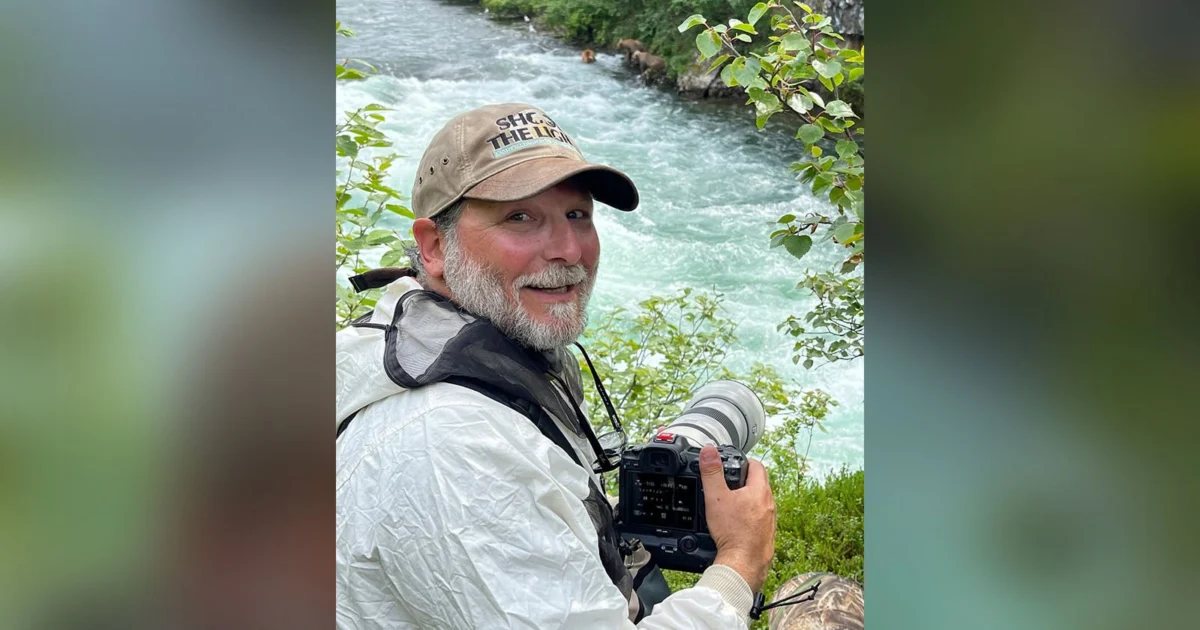
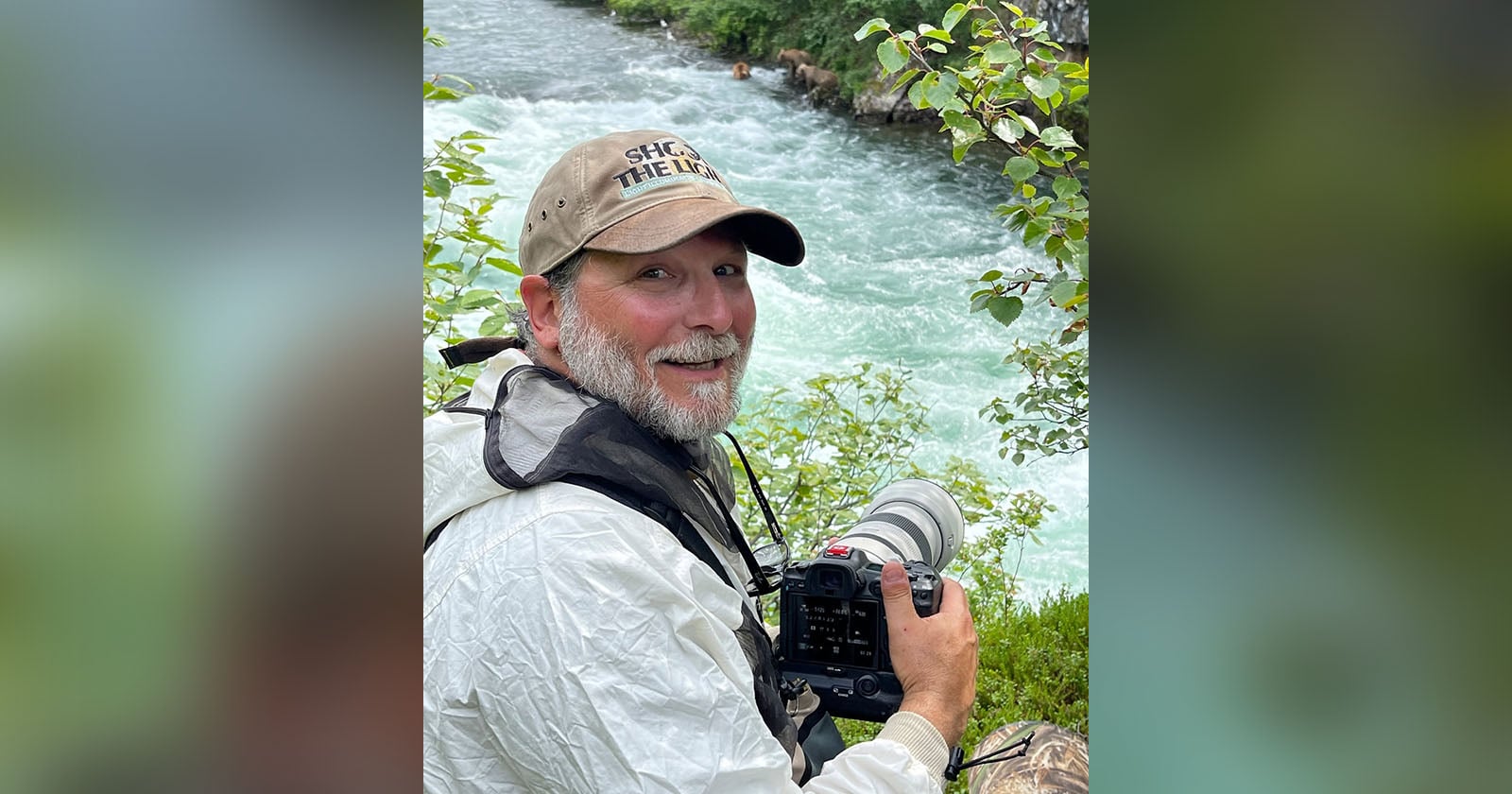
The photography world is in mourning following the tragic passing of Charles “Chas” Glatzer, a titan of wildlife photography, a dedicated conservationist, and a beloved educator whose influence spanned over four decades. Glatzer, a long-standing Canon Explorer of Light, died last week following a fatal, multi-vehicle accident in South Carolina. His death marks the end of an era for thousands of photographers who looked to him not just for technical mastery, but for a moral compass regarding our relationship with the natural world.
The Life and Career of a Master
Born with an innate curiosity for the wilderness, Glatzer transformed a passion for the outdoors into a globally recognized career. For over 40 years, his lens captured the raw, untamed beauty of the planet, from the high-altitude peaks of the Rockies to the sweeping plains of the Serengeti.
Glatzer was not merely a photographer who observed; he was a storyteller who immersed himself in the lives of his subjects. His work frequently graced the pages of the world’s most prestigious publications, including National Geographic, Outdoor Photographer, and Popular Photography. His ability to render wildlife in intimate, high-definition detail made him a household name among nature enthusiasts and a gold standard for professional photographers worldwide.
The Architect of "Shoot the Light"
While his portfolio was vast, perhaps his most enduring contribution to the medium was his educational platform, Shoot the Light. Through this initiative, Glatzer bridged the gap between professional-grade artistry and amateur curiosity. He didn’t just teach shutter speeds and aperture settings; he taught the philosophy of patience, the ethics of wildlife photography, and the deep, spiritual connection required to capture a truly honest image.
His workshops were legendary, attracting students from every corner of the globe. Colleagues often described him as a man who was as generous with his technical secrets as he was with his time. Whether mentoring a novice in the field or debating the nuances of light with industry peers, Glatzer was defined by a selflessness that is rare in the high-stakes world of professional photography.
A Chronology of Dedication
Glatzer’s trajectory was marked by a steady evolution from a passionate observer to an influential voice in global conservation.
- 1980s–1990s: Building the Foundation. Glatzer began his career, honing his technical skills in challenging environments. His early work established a reputation for precision and a "get the shot" mentality that would define his professional style.
- The Canon Partnership: His designation as a Canon Explorer of Light solidified his status within the industry. This elite group, composed of the most influential photographers in the world, provided him with a platform to share his vision on a global scale.
- The Shift to Conservation. In the latter half of his career, Glatzer transitioned from being a documentarian of beauty to an active participant in environmental stewardship. He realized that the camera was a tool for preservation, not just documentation.
- 2024: The Yellowstone Initiative. His recent collaboration with PetaPixel and Canon USA regarding the "Eyes on Yellowstone" program highlighted his belief that photography must serve a higher purpose: the protection of the ecosystems he so loved.
The Philosophy of Stewardship
During an interview with PetaPixel in 2024, Glatzer articulated the ethos that guided his final years. When asked about his work in Yellowstone, he spoke with a fervor that moved everyone in the room.
"I believe part of my role as a wildlife photographer is to be a steward for the park and wildlife, helping to educate others and provide more information that will protect nature and wildlife," Glatzer said. "I strive to provide that through my work."
This was not a platitude; it was his professional directive. Glatzer understood that in an age of climate uncertainty and habitat loss, the photographer’s role is to act as a witness. By bringing the viewer face-to-face with the eyes of a grizzly or the grace of an eagle, he forced a societal connection to nature that statistics and news reports often fail to generate.
Official Responses and Industry Impact
The outpouring of grief from the photography community has been instantaneous and profound. Major industry players and long-time collaborators have issued statements acknowledging the massive void his departure leaves.
Canon U.S.A., Inc. released a statement summarizing the sentiment of the industry: "We are deeply saddened by the passing of Charles (Chas) Glatzer. His remarkable artistry as a photographer and dedication to wildlife throughout the world as a Canon Explorer of Light will leave a lasting legacy. Our heartfelt condolences go out to his family and loved ones during this difficult time."
Beyond corporate tributes, social media has been flooded with testimonials from former students. For many, Glatzer was the person who convinced them to pick up a camera; for others, he was the mentor who kept them going during the difficult years of trying to establish a professional career. His legacy is etched not just in the millions of pixels he stored on hard drives, but in the thousands of photographers currently working in the field who carry his lessons with them.
The Lasting Implications for Wildlife Photography
The death of Chas Glatzer invites a moment of reflection on the future of the field he helped shape. As the industry moves toward AI-generated imagery and digital manipulation, Glatzer’s commitment to "the real" becomes even more poignant.
1. The Ethical Standard
Glatzer was a fierce proponent of ethical photography. He believed in minimizing the human footprint and never compromising the safety or behavior of an animal for the sake of a frame. As we move forward, the "Glatzer standard"—which prioritizes the subject’s welfare over the photographer’s ego—must remain the North Star for the industry.
2. The Educational Gap
With Shoot the Light, Glatzer created a pipeline for excellence. The industry now faces the challenge of filling the educational void he leaves behind. His teaching style, which balanced technical rigor with artistic intuition, is a rare combination that the next generation of educators will find difficult to replicate.
3. Conservation through Imagery
Perhaps the most critical implication of his passing is the challenge he left to his peers: What are you doing to protect the world you are photographing? Glatzer proved that a photographer could be a catalyst for change. Whether through the "Eyes on Yellowstone" program or his various advocacy projects, he showed that the camera is a tool of influence. His peers are now tasked with ensuring that this mission continues, using the visual medium to push back against the degradation of our natural world.
A Final Farewell
Chas Glatzer was more than his accolades, more than his awards, and more than his gear. He was a man who found joy in the dawn, who understood the language of the wilderness, and who believed that if he could just capture the right moment, he could change the way people see the world.
He often told his students that the light is always changing, and that a photographer must be ready to adapt to whatever the day brings. Today, the world of photography is adjusting to a dimmer light, but the warmth of his influence will continue to illuminate the work of generations to come.
As we look at his portfolio—the stunning, crisp, and emotionally resonant images of wildlife in their natural habitat—we are reminded of the fragility of the life he fought to protect. Charles “Chas” Glatzer leaves behind a world that is better seen because he was here to look at it. He will be deeply missed, but his vision, his passion, and his advocacy will live on in every frame taken by those who follow in his footsteps.
Rest in peace, Chas. You showed us the light, and you taught us how to hold onto it.
 Laily UPN
  Reynand Wu
  Lina Hope