
 By Neng Nana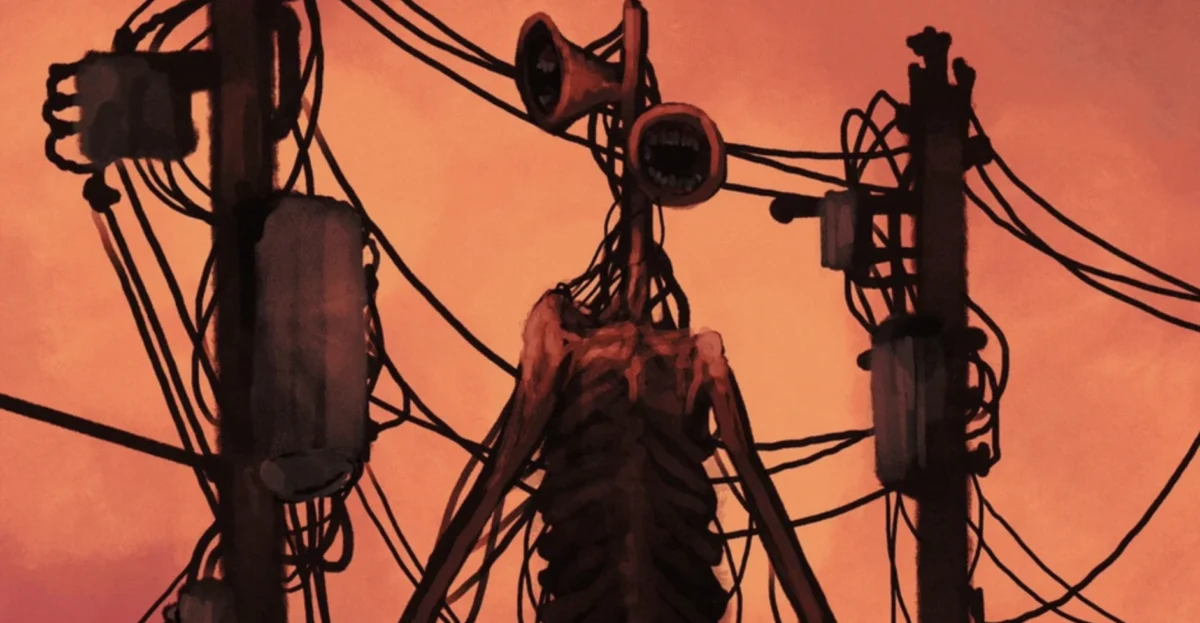
In a landscape where intellectual property is the lifeblood of major studios, Hollywood has officially pivoted toward the digital frontier. Following the staggering success of viral-born horror projects like A24’s Backrooms, Warner Bros. has emerged victorious in a high-stakes bidding war to secure the rights to "Siren Head." The project promises to bring Trevor Henderson’s haunting, internet-born urban legend to life, marking a significant milestone in the ongoing integration of digital folklore into mainstream cinema.
The film is set to be a collaborative powerhouse, with Brian Duffield—the visionary behind the acclaimed sci-fi horror No One Will Save You—slated to direct from a screenplay he is co-writing with Zach Cregger. This partnership combines two of the most sought-after voices in modern genre filmmaking, signaling that Warner Bros. intends to treat the source material with the same prestige usually reserved for established literary franchises.
The Genesis of a Modern Monster: Understanding Siren Head
To understand the weight of this acquisition, one must first understand the cultural footprint of Siren Head. Created by Canadian artist and illustrator Trevor Henderson, Siren Head first surfaced on the internet in 2018. The creature is an enigmatic, gargantuan predator standing roughly 40 feet tall, characterized by an impossibly thin, desiccated frame and a head consisting of two rusted, weathered sirens.
Henderson’s creation did not simply exist as an image; it evolved into an interactive mythos. Through a series of "found footage" style images and viral short films, Siren Head became a staple of internet horror—a "creepypasta" of the digital age. The creature is known for emitting radio broadcasts, emergency sirens, and the distorted voices of its victims, blending auditory dread with visual surrealism. By leveraging the ambiguity of the digital space, Henderson built a lore that resonated with millions of Gen Z viewers, making the transition to a feature-length film a logical, if highly anticipated, evolution.
The Creative Architects: Duffield and Cregger
The decision to pair Brian Duffield and Zach Cregger is a calculated move to ensure the film balances high-concept horror with emotional resonance.
Brian Duffield has established himself as a master of atmospheric tension. His work on No One Will Save You—a film defined by its minimal dialogue and relentless pacing—demonstrated his ability to build a world that feels both expansive and claustrophobic. Currently, anticipation is mounting for his upcoming survival thriller, Whalefall, an adaptation of the bestseller involving a scuba diver trapped in the stomach of a whale. With stars like Josh Brolin and Austin Abrams attached to Whalefall, Duffield has proven he can command top-tier talent, a skill he will undoubtedly bring to the production of Siren Head.
Zach Cregger, meanwhile, has become a juggernaut of the horror genre. His breakout hit Barbarian (2022) was lauded for its subversion of tropes and its unpredictable narrative structure. Cregger’s momentum has only accelerated; his recent project, Weapons, garnered critical acclaim, including a Best Supporting Actress Oscar for Amy Madigan. With a reboot of Resident Evil on the horizon—also featuring Austin Abrams—Cregger is currently defining the aesthetic of contemporary horror. The synergy between Duffield’s technical precision and Cregger’s narrative unpredictability makes Siren Head one of the most promising horror prospects in recent memory.
Chronology of the Digital-to-Film Pipeline
The acquisition of Siren Head is not an isolated incident; it represents a shifting strategy in how studios source content.
- 2018: Trevor Henderson introduces Siren Head to the digital world, sparking an immediate grassroots following on platforms like Tumblr and YouTube.
- 2020: Siren Head sees a massive resurgence in popularity via independent video games and viral TikTok trends, solidifying its place in internet culture.
- 2022: The massive success of Barbarian and Backrooms (the latter directed by 20-year-old YouTube sensation Kane Parsons) forces studios to reconsider the commercial viability of digital-native creators.
- 2023-2024: The industry sees a wave of "Internet-to-Cinema" successes, including Curry Barker’s Obsession, which further validated the market appeal of YouTube-bred horror.
- Late 2024: Warner Bros. initiates and wins the bidding war for Siren Head, formalizing the development process with Duffield and Cregger.
Supporting Data: The Gen Z Shift in Cinema Attendance
The move toward Siren Head is driven by hard data regarding demographic consumption. Industry analysts have noted a stark shift in cinema attendance patterns: while older generations have been slower to return to theaters post-pandemic, Gen Z has become the backbone of the theatrical experience.
According to recent box office analytics, Gen Z moviegoers are currently the most frequent visitors to cinemas. They are statistically more likely to support horror films—a genre that traditionally performs well with younger demographics due to its social, communal nature. This "eventization" of horror, where viewers flock to theaters to experience a film that has already achieved "meme status" online, is a key metric.
Studios are increasingly realizing that they no longer need to build a brand from scratch; they can acquire brands that have already been vetted by millions of hours of online interaction. Backrooms and Obsession proved that an audience is already waiting, effectively de-risking the marketing budget.
Implications for the Film Industry
The implications of this deal are twofold. First, it suggests a permanent change in how "intellectual property" is defined. In the 2000s, studios looked to comic books and YA novels. Today, they look to YouTube creators and independent digital artists. This transition lowers the barrier to entry for creators like Henderson and Barker, who can now bypass traditional gatekeepers to build an audience before ever setting foot on a studio lot.
Second, the involvement of major studios like Warner Bros. implies a higher standard of production for internet-born stories. While fans of the original Siren Head lore might worry about "Hollywoodization," the involvement of directors like Duffield and Cregger suggests a respect for the source material. By treating the project as a serious film rather than a cynical cash-grab, the studio hopes to avoid the "video game movie" curse that plagued the industry for decades.
Official Stances and Production Details
While Warner Bros. has kept the specific narrative beats of Siren Head under wraps, the production team has confirmed a robust support structure. Roy Lee, Andrew Childs, and Scott Glassgold will join Duffield and Cregger as producers, ensuring that the logistical complexities of bringing a 40-foot creature to life remain grounded. Crucially, Trevor Henderson is set to serve as an executive producer, ensuring that the "spirit" of the creature—its eerie silence and desolate presence—is maintained through the transition to the big screen.
The Hollywood Reporter, which initially broke the news of the acquisition, noted that the deal was competitive, reflecting the desperation of studios to secure "sticky" IP that appeals to younger audiences.
Conclusion: A New Era of Horror
As the project moves into development, the industry will be watching closely. Siren Head serves as a litmus test for the future of horror cinema. Can a cryptid born in the digital shadows retain its terror when placed under the bright lights of a Hollywood soundstage?
If the track record of its creative team and the shifting habits of the modern audience are any indication, the answer is a resounding yes. By merging the unpredictable, viral nature of internet folklore with the professional craftsmanship of seasoned genre directors, Warner Bros. is betting that the next great movie monster isn’t coming from a comic book or a classic novel, but from the collective imagination of the internet. As we await further news on casting and release dates, one thing is certain: the era of the digital urban legend has officially arrived, and it has a very loud, very long-limbed herald.
 Lina Irawan
  Asep Darmawan