
 By Nana Wu
Welcome back to our weekly deep dive into the digital experiences consuming our free time. This week, our team navigates the shifting sands of modern live-service updates, the bittersweet sting of hardware loss, and the ever-present, siren-like call of long-form RPGs. Whether it’s testing the balance of virtual warfare or rediscovering the joys of a well-worn save file, we’ve been busy.
The State of the Virtual Front: Battlefield 6’s Season 3 Balance
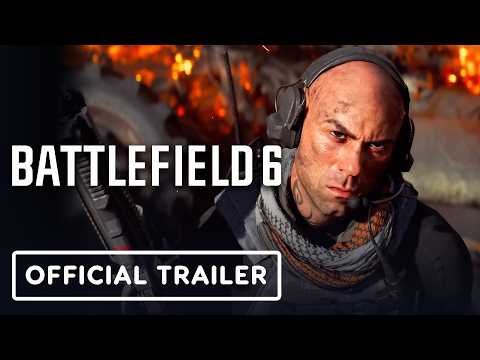
The landscape of Battlefield 6 has undergone a subtle but significant tectonic shift. As we approach the tail end of Season 3, the development team has rolled out a comprehensive patch designed to recalibrate the game’s core gunplay. While the community’s eyes are firmly fixed on the horizon—specifically the much-anticipated introduction of naval combat in Season 4—this current update serves as a critical bridge.
The Methodology of the Patch
The objective of this recent iteration was clear: mitigate the lethality of long-range engagements to evoke the tactical pacing of the franchise’s golden years, specifically Battlefield 4. By tweaking weapon variables and damage drop-off ranges, the developers hoped to force players to reconsider their loadouts.
However, the practical application suggests that player behavior is remarkably resilient. While the patch successfully enforces stricter weapon archetypes—effectively preventing submachine guns from performing the role of designated marksman rifles at 100+ meters—the overall "feel" of combat remains largely unchanged. Veteran players have simply adapted their recoil management and positioning, proving that in a mature meta, player skill often overrides balance adjustments. The takeaway? The game feels more specialized, even if it doesn’t necessarily feel "slower."
Hardware Woes and the Frictionless Future: A Switch 2 Post-Mortem
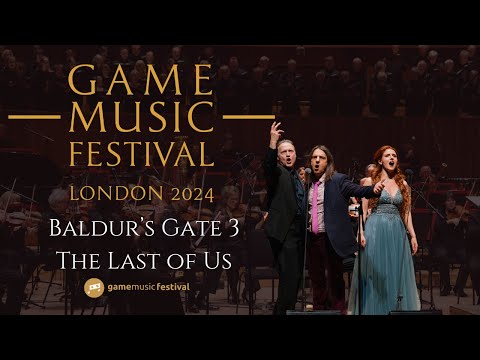
For our editor Dom, this week was a tale of two realities: the high-fidelity euphoria of the Game Music Festival in London and the stark, immediate loss of his belongings at Waterloo Station. Among the stolen items was his Switch 2, a device that had become a repository for hundreds of hours of progress.

The Cost of Convenience
The incident serves as a poignant reminder of the vulnerability of local save data in an era of optional cloud backups. The loss of a fully populated Pokémon FireRed Pokédex and comprehensive completionist files for the Final Fantasy series is, frankly, a gut punch. Yet, the ordeal highlighted an unexpected silver lining: the efficiency of the Switch 2’s operating system.
Procuring a replacement unit revealed that the UI is exceptionally adept at handling bulk library downloads. While the pain of lost progress is acute, the frictionless nature of the ecosystem allowed for a swift return to the games that matter. It is a bittersweet testament to modern hardware—the device is easily replaced, but the time invested remains tethered to the stolen hardware.
The Resurgence of Roguelikes: Hades 2 at the Royal Festival Hall
The recent Game Music Festival at London’s Royal Festival Hall served as a powerful reminder of the artistic legitimacy of our medium. Witnessing the orchestral arrangements of Hades 2 and Persona series scores performed live to a sold-out crowd is more than just a concert; it is a cultural milestone.
Skill and Persistence
Inspired by the event, our team revisited the roguelike genre with renewed vigor. The experience of returning to Hades 2 after a hiatus reinforced the core philosophy of the genre: the "learning curve" is not just a trope, but a tangible reward. After a grueling session that saw a deep run against Chronos, the realization set in that the skills honed over months of play are not perishable. Even when muscle memory fades, the strategic intuition remains, ready to be ignited by the right soundtrack and a little friendly competition.
The Siren Call of Night City: Why We Keep Returning to Cyberpunk 2077
The release of a new trailer for Cyberpunk: Edgerunners Season 2 has once again triggered a mass exodus from the Steam library back to the neon-soaked streets of Night City. For many, Cyberpunk 2077 has transitioned from a launch-day cautionary tale to a masterclass in post-launch redemption.
The Anatomy of a Second (or Fourth) Playthrough
Why do we return? It is a combination of the setting’s unrivaled atmosphere and the community-driven discovery that continues to yield secrets years later. From hunting down iconic gear like the sword hidden in the Konpeki Plaza helipad—an item easily missed by the uninitiated—to experimenting with builds that were non-viable at launch, the game offers a depth that rewards persistence. It is a reminder that the "back catalogue" is not just a list of games to finish, but a living, breathing space to inhabit.
Indie Persistence: The Steam Machine and Sektori
The Steam Machine continues to prove its worth as a specialized tool for the "in-between" moments. While it is capable of running high-end, hardware-intensive titles, its greatest utility lies in its accessibility.
Take Sektori, for example. It is a title that demands repetition and mastery. There is a universal truth in gaming: the boss that seems impossible after fifty attempts will almost certainly fall on the first try after a night of sleep. By utilizing the Steam Machine to dip into these challenging encounters without the friction of a desktop setup, the experience becomes less about "grinding" and more about focused, high-intensity play. It is a compelling argument for the "pick-up-and-play" versatility that modern handheld-adjacent hardware provides.
The Persona Dilemma: A Balancing Act of Time and Quality
Finally, we address the Persona conundrum. As we look toward the potential release of a Persona 4 remake and the eventual arrival of Persona 6, the burden of the "gargantuan" RPG becomes apparent.
Kelsey’s current struggle with Persona 5 Royal on the Switch 2 is emblematic of the modern gamer’s plight: the clash between graphical expectations and narrative longevity. While the jump from the crisp, high-definition visuals of Persona 3 Reload to the 540p handheld resolution of Persona 5 Royal is jarring, the "vibes"—the jazz-infused soundtrack, the stylish UI, and the surreal social links—remain potent.
Implications for the Future
This highlights a growing trend: as game sizes balloon into the 100+ hour mark, players are becoming increasingly selective about where they invest their time. We are reaching a point where the "quality of life" features of a port—resolution, load times, and save-state management—are just as critical as the story itself. If we are to dedicate years to a franchise, we demand a seamless experience.
What have you been playing this week?
The cycle of gaming is endless, and as we look at our own backlogs, we invite you to look at yours. Whether you are climbing the ranks in a competitive shooter or losing yourself in the sprawling narrative of a JRPG, the act of play is the only constant. For those who need a refresher on the games that occupied our time last week, our What We’ve Been Playing archive remains open for your perusal.
Until next week, keep playing, keep exploring, and perhaps—if you’re like us—keep reinstalling that one game you swore you were done with.
 Lina Irawan
  Asep Darmawan