
 By Asro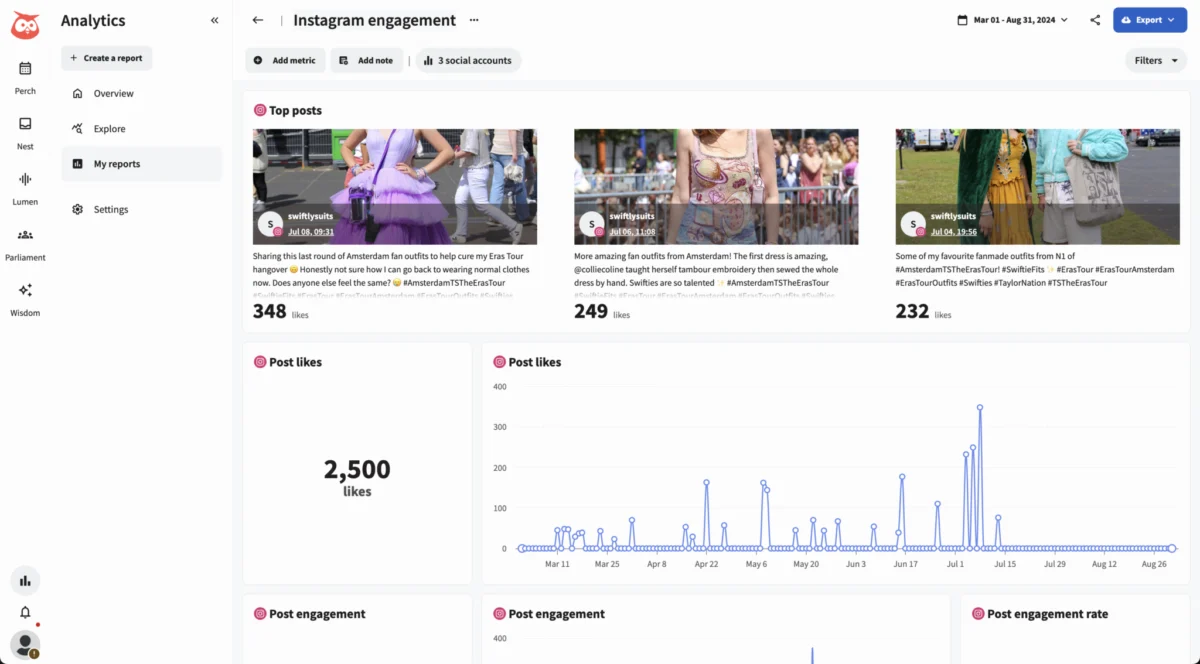
In the hyper-competitive digital landscape of 2026, the difference between a brand that thrives and one that merely exists on social media is measured in data points. With Instagram’s user base stabilizing at a staggering 1.39 billion active participants, the platform has evolved from a simple photo-sharing app into a complex, algorithm-driven marketplace. Recent industry data reveals that users now spend an average of 11.7 hours per month on the app, with 62.3% utilizing the interface specifically to research brands and products.
For social media strategists, these numbers represent both an unparalleled opportunity and a daunting challenge. As the volume of content explodes, the reliance on "intuition-based" posting has become a relic of the past. To capture the attention of a global audience, marketers are turning to sophisticated analytics tools to transform raw data into actionable intelligence.

Main Facts: The State of Instagram Analytics in 2026
The primary objective of modern Instagram analytics is no longer just counting "likes." In 2026, sophisticated tools focus on "Intent Metrics"—data that indicates how likely a user is to convert from a passive viewer into a loyal customer. The current market for analytics tools is divided into three sectors: native platform insights, third-party management suites, and specialized "micro-data" tools.
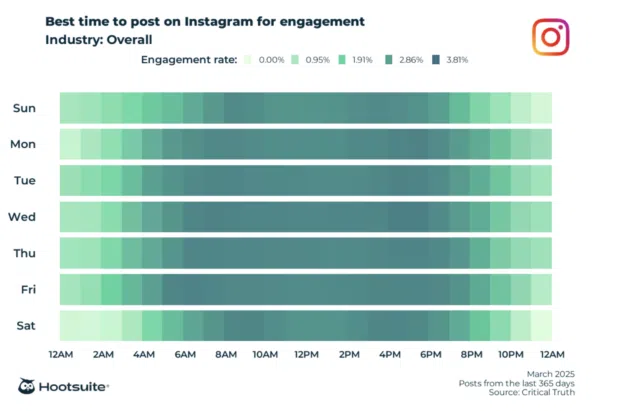
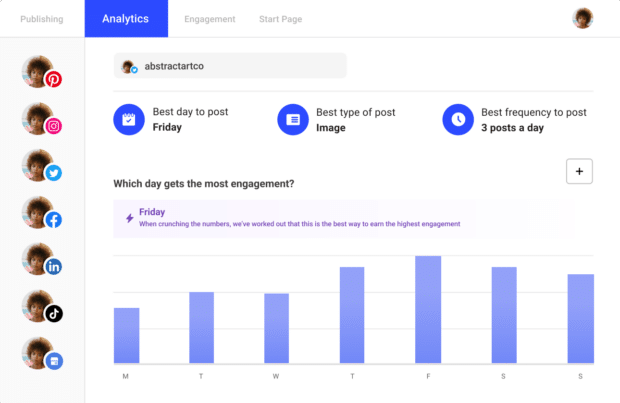
According to research from Hootsuite, the universal "golden hours" for engagement have shifted. As of mid-2026, the most effective windows for publishing content are:

- Mondays: 3:00 PM to 9:00 PM
- Tuesdays: 5:00 AM to 8:00 AM and 3:00 PM to 7:00 PM
- Thursdays: 5:00 PM to 7:00 PM
However, experts warn that these universal benchmarks are merely a starting point. The true value of analytics tools lies in their ability to pinpoint "brand-specific" peak times, which often deviate significantly from global averages based on industry, geography, and follower demographics.
Chronology: From Vanity Metrics to Predictive Intelligence
To understand the necessity of today’s tools, one must look at the evolution of social media measurement over the last decade.
- 2010–2016: The Era of Vanity. In Instagram’s infancy, success was measured by follower counts and likes. Strategy was rudimentary, often revolving around high-frequency posting without regard for audience sentiment.
- 2017–2021: The Algorithmic Shift. As Instagram introduced its algorithmic feed, engagement rates (comments and shares) became the primary currency. Brands began utilizing early third-party tools to schedule posts and track basic growth.
- 2022–2025: The Rise of Short-Form Video. The explosion of Reels necessitated a new type of analytics. Marketers needed to track "watch time," "re-watch rates," and "audio trend lifecycle."
- 2026: The Predictive Era. Today, analytics tools do more than report what happened; they use historical data to predict future performance. Modern tools now integrate cross-platform data, allowing a brand to see how a Story on Instagram influences a search query on Google or a purchase on an e-commerce site.
Supporting Data: Top 9 Analytics Tools for 2026
The following tools have been identified as the industry leaders for 2026, categorized by their specific utility and the skill level required to operate them.
1. Perch by Hootsuite: The Omnichannel Giant
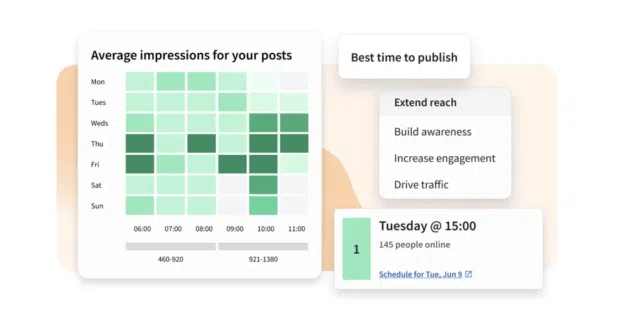
Perch has emerged as the premier choice for organizations requiring a macro-view of their digital footprint. Its primary advantage is the consolidation of performance data from Instagram alongside all other major social networks into a singular, unified dashboard.
- Key Features: Automated performance reports, "Best Time to Publish" recommendations based on unique historical data, and comprehensive tracking of Reels and Stories.
- Best For: Marketing teams at medium-to-large organizations who need to justify ROI to stakeholders.
2. Instagram Insights: The Essential Baseline
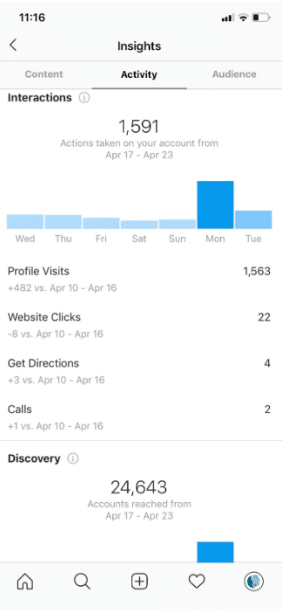
For small businesses and creators, the native Insights tool remains a powerful, free resource. Available directly within the mobile app for business profiles, it provides immediate data on follower activity and content popularity.
- Limitation: Data visibility is often capped at 90 days, making it insufficient for long-term historical analysis.
3. Later: The Visual Strategist’s Choice
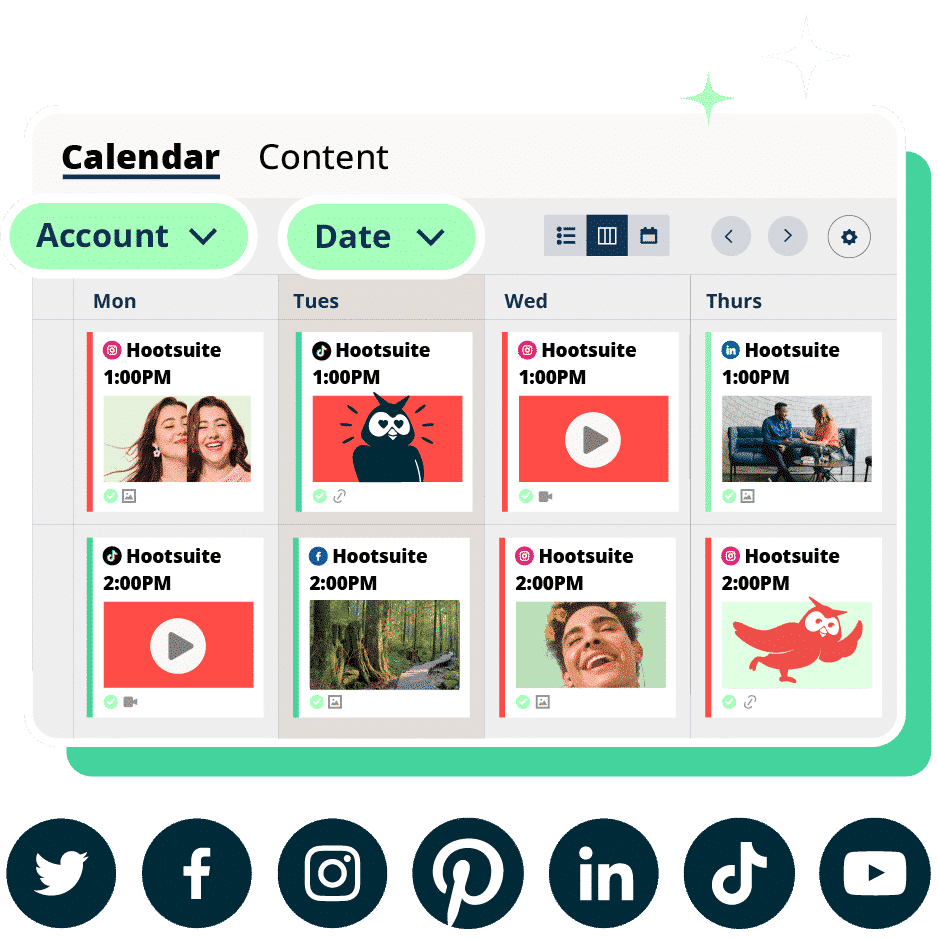
Later continues to dominate the "aesthetic" market. It is specifically designed for brands where the visual grid is the primary selling point.
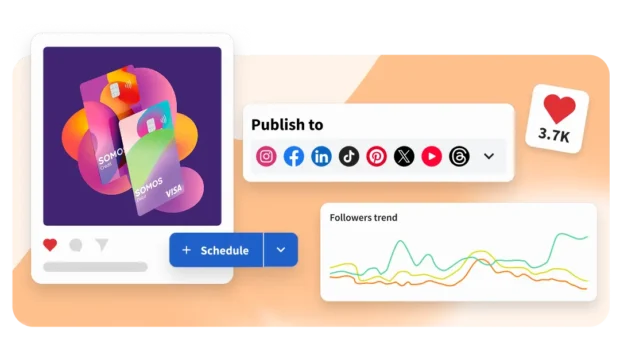
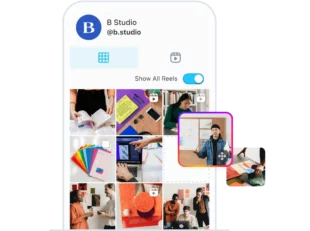
- Key Benefit: A visual planner that allows users to preview their feed before posting, combined with simplified analytics for tracking basic engagement.
4. Buffer: Lean and Efficient
Buffer remains the go-to for solo entrepreneurs. Its user-friendly interface focuses on the "schedule and measure" workflow without the complexity of enterprise-level features.
- Best For: Those who prioritize a "get in, get out" approach to social media management.
5. Sprout Social: The Enterprise Standard
Sprout Social offers a deep-dive into social listening and competitive benchmarking. While more expensive than its competitors, its ability to generate "white-label" reports makes it a favorite for high-end agencies.
6. Panoramiq Insights and Multiview
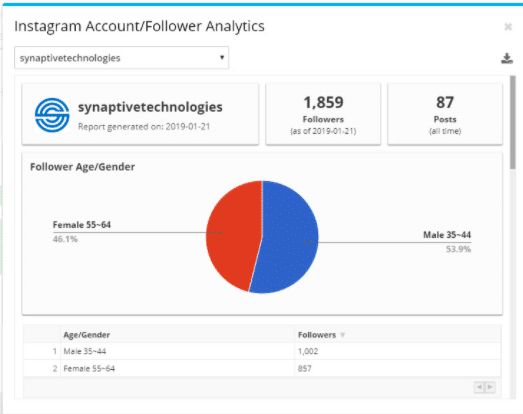
These tools function as specialized "add-ons" for the Hootsuite ecosystem. Insights focuses on granular follower demographics (vital for targeted ad spend), while Multiview allows managers to monitor mentions and tags across multiple profiles in a single, streamlined feed.
7. Mentionlytics: The Reputation Guardian
In 2026, what people say about you in the comments or on their own profiles is as important as your own posts. Mentionlytics automates the tracking of brand mentions and keywords across Instagram and the wider web, providing a "sentiment analysis" that warns brands of potential PR crises before they escalate.
8. Phlanx: The Influencer Auditor
As influencer marketing spend reaches record highs, Phlanx provides a necessary "vibe check." It calculates the engagement rates of any public account, helping brands identify which influencers have genuine reach versus those with inflated follower counts.
Official Responses: Insights from Industry Experts
Digital marketing analysts suggest that the shift toward these tools is a response to the "Data Privacy Era." As third-party cookies have been phased out, "first-party data"—the information brands collect directly from their own social media interactions—has become the most valuable asset in a marketer’s toolkit.
"We are seeing a move away from ‘aggregate’ data toward ‘identity’ data," says Christina Newberry, a veteran digital marketing researcher. "In 2026, it’s not enough to know that 1,000 people liked a post. You need to know which of those 1,000 are repeat customers, which are new prospects, and which are likely to churn. The tools we use now, like Perch and Sprout Social, are essentially becoming mini-CRMs (Customer Relationship Management systems)."
Furthermore, experts at Hootsuite emphasize that the "Best Time to Publish" tool is no longer a luxury. "With the 2026 algorithm being so heavily weighted toward ‘early-onset engagement,’ if your post doesn’t gain traction in the first fifteen minutes, it’s effectively dead. Analytics tools that predict those fifteen-minute windows are the only way to ensure a return on content investment."
Implications: The Future of Instagram Strategy
The widespread adoption of these analytics tools has several profound implications for the future of the industry:
The Death of the "Generalist"
The role of the Social Media Manager is splitting into two distinct paths: the "Creative," who focuses on content production, and the "Analyst," who manages the tools and interprets the data. Brands that fail to hire for analytical literacy will find themselves unable to compete with data-backed competitors.
Budget Efficiency
By using tools like Phlanx and Mentionlytics, brands can significantly reduce "wasted" ad spend. Instead of broad-spectrum targeting, analytics allow for "surgical" marketing—placing content in front of the right people at the exact moment they are most likely to engage.
Content Longevity vs. Viral Volatility
Analytics are helping brands move away from the "viral lottery." By understanding "Historical Performance Macro-trends," brands can create "evergreen" content that provides steady engagement over months, rather than relying on the fleeting success of a single viral Reel.
Ethical Considerations and Data Privacy
As tools become more powerful, the ethical use of follower data will come under increased scrutiny. Brands in 2026 must balance their hunger for data with a commitment to user privacy, ensuring that their use of analytics tools complies with evolving global regulations like the GDPR and its successors.
Conclusion: The Path Forward
As we move deeper into 2026, the message for Instagram marketers is clear: Data is the only defense against irrelevance. The 1.39 billion users on the platform are signaling their preferences every second through taps, swipes, and comments. The tools listed above—from the comprehensive dashboards of Perch to the specialized calculators of Phlanx—are the only way to hear what the audience is saying.
For brands looking to refine their strategy, the first step is a shift in mindset. Analytics should not be viewed as a "post-mortem" report on what went wrong, but as a roadmap for what to do next. In the high-stakes environment of 2026, the most successful brands will be those that stop guessing and start measuring.
 Basiran
  Nana Muazin
  Nila Kartika Wati