
 By Sagoh
In the fast-paced world of consumer electronics, twenty-three years is an eternity. Technologies that once defined the cutting edge are often relegated to the status of "e-waste" or relegated to the back of a dusty gear closet. When the idea of revisiting the Canon EOS Digital Rebel 300D was first floated to our editorial team, the initial reaction was one of skepticism. Why, in an era of high-speed mirrorless autofocus and 45-megapixel sensors, would any professional spend time with what some critics have labeled "one of the worst DSLRs of all time"?
The answer lies not in the camera’s performance metrics, but in its historical significance. To judge the 300D by modern standards is to fundamentally misunderstand its role in the industry. It was not merely a camera; it was a catalyst. It was the device that effectively signaled the end of the film era for the average consumer, breaking the "psychological barrier" of the $1,000 price point and handing the power of creative digital control to the masses.
Main Facts: The Genesis of the Rebel
Released in 2003, the Canon EOS Digital Rebel 300D—known as the EOS Kiss Digital in Japan—was a masterclass in market disruption. At its core, the 300D featured a 6.2-megapixel APS-C CMOS sensor. While modest by today’s standards, at the time, it offered a level of image quality that made the transition from 35mm film a viable, if slightly daunting, proposition.
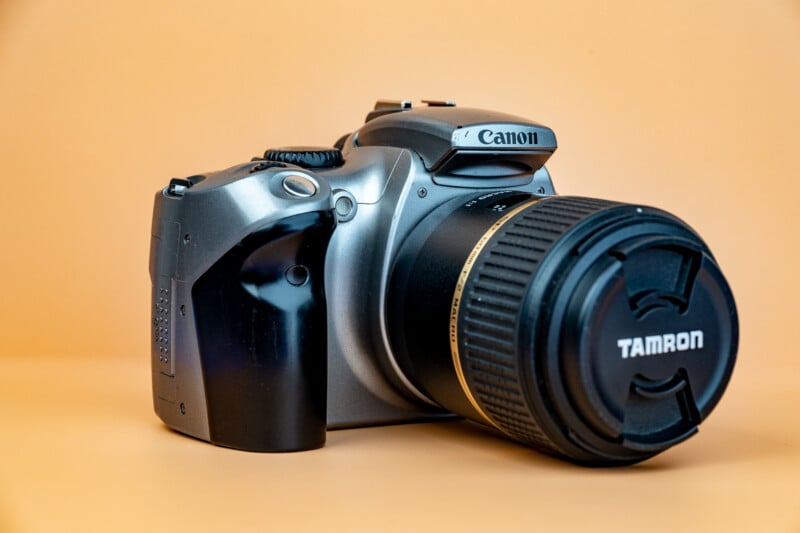
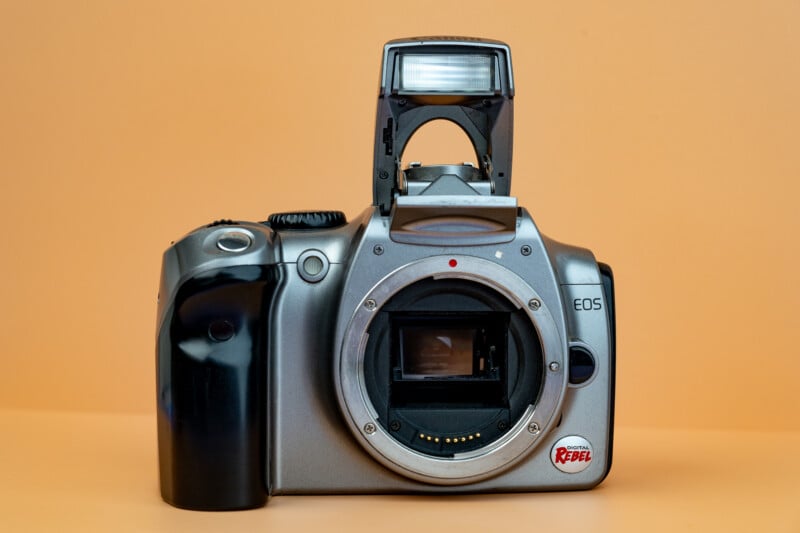
The camera was housed in a utilitarian, somewhat creaky plastic shell. While a limited-edition black version offered a more professional aesthetic, the ubiquitous silver body remains the enduring symbol of the era. It was a scaled-down iteration of the more robust, semi-professional Canon EOS 10D. By stripping away some of the more advanced control ergonomics and focusing on a simplified interface, Canon successfully squeezed the technology into a package that the average hobbyist could afford.
A Chronology of Disruption
The path to the 300D was paved by the rapid, often volatile evolution of the digital imaging market.
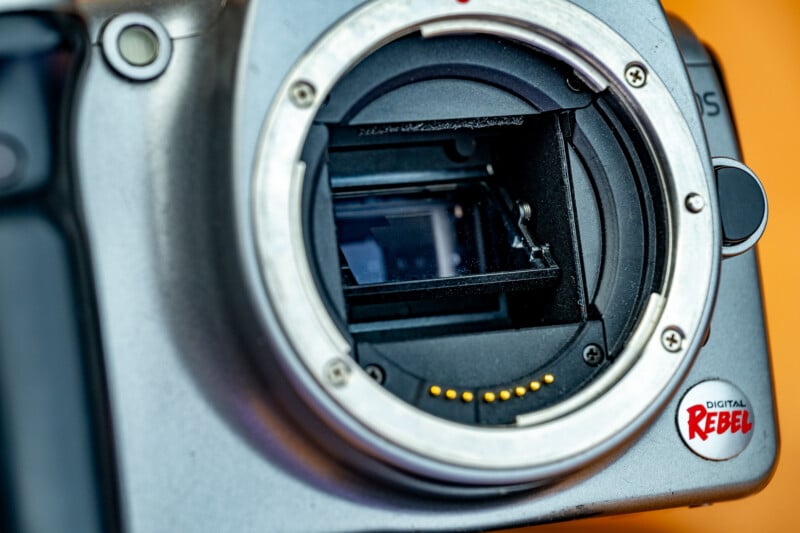
- Pre-2003: Digital SLR photography was an expensive, exclusive domain. Professionals and wealthy enthusiasts were forced to spend several thousand dollars for bodies that were often bulky and slow.
- September 2003: Canon officially announces the EOS 300D. By launching it under the "Rebel" brand—already a household name in the analog world—Canon leveraged brand loyalty to bridge the gap between film and digital.
- 2003–2005: The "Rebel Effect" takes hold. The 300D dominates market share, forcing competitors like Nikon to scramble, leading to the development of the D70 and subsequent entry-level models.
- 2005–2006: The market shifts toward higher resolution and more robust build quality. The release of the full-frame Canon 5D creates a new tier for enthusiasts, cementing the DSLR as the standard for serious photography for the next decade.
- 2026: Twenty-three years later, the 300D is viewed as a relic, yet it remains a functional piece of equipment that provides a unique, meditative shooting experience that contrasts sharply with the "spray and pray" nature of modern mirrorless cameras.
The Shooting Experience: A Return to Basics
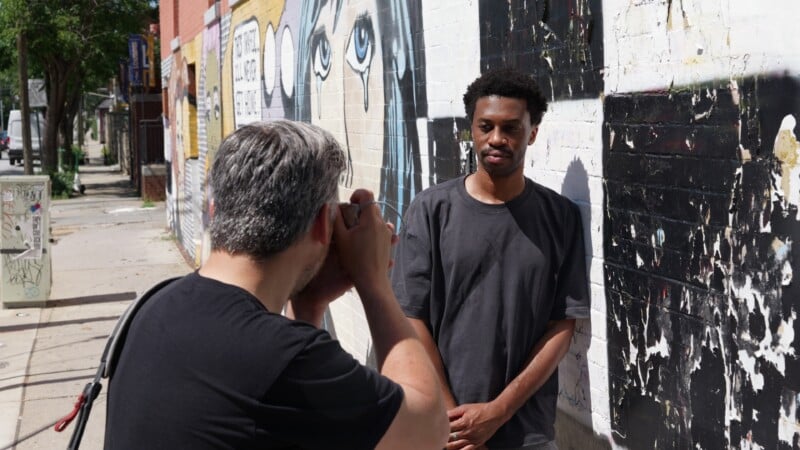
Revisiting the 300D in the streets of Atlanta, Georgia, provided a stark lesson in the evolution of workflow. Paired with a modern Tamron SP 60mm f/2 macro lens, the camera’s limitations were immediately apparent. The penta-mirror viewfinder, while bright enough for composition, felt like looking down a tunnel compared to the expansive, high-resolution electronic viewfinders of 2026.
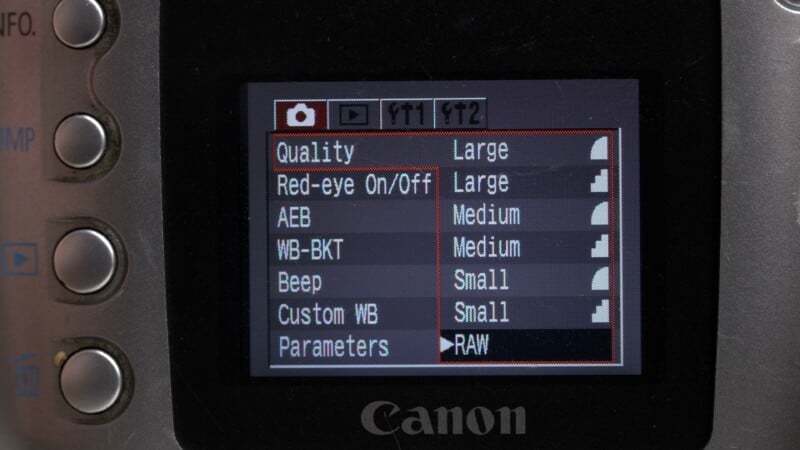
The autofocus system, which relies on a seven-point array, often required the "focus and recompose" technique. In 2003, this was standard practice. In 2026, it feels laborious. The camera’s tendency to "hunt" for focus, particularly in low-contrast environments, served as a reminder of how much we have come to rely on modern subject-detection algorithms.
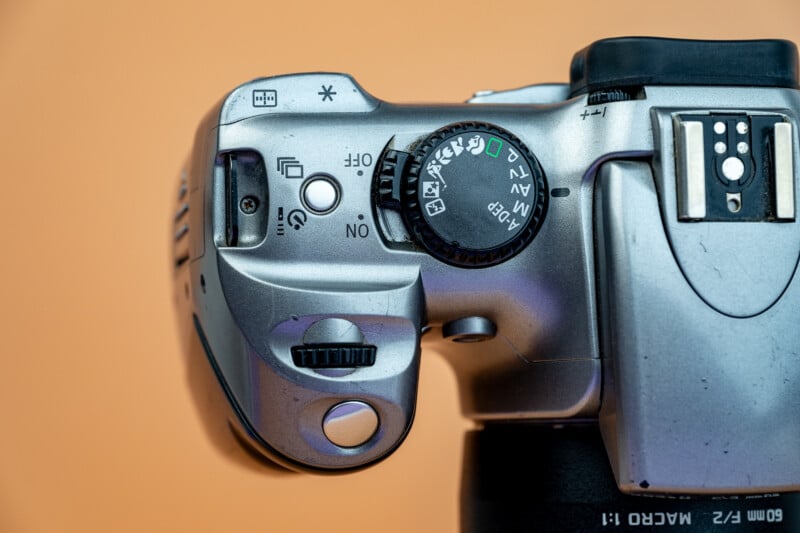
Perhaps the most jarring aspect of the experience was the latency. The 1.8-inch rear LCD, with its meager 118K-dot resolution, is functionally useless for critical focus checking. Furthermore, the 300D is a slow camera by any metric. With a burst rate of just 2.5 frames per second and a shallow buffer that requires significant "cool down" time after a few shots, the 300D forces the photographer to slow down. It is not a tool for sports or rapid-fire street photography; it is a tool for deliberate, methodical image-making.
Supporting Data: Technical Constraints
The technical limitations of the 300D are best understood through the lens of its sensor technology:
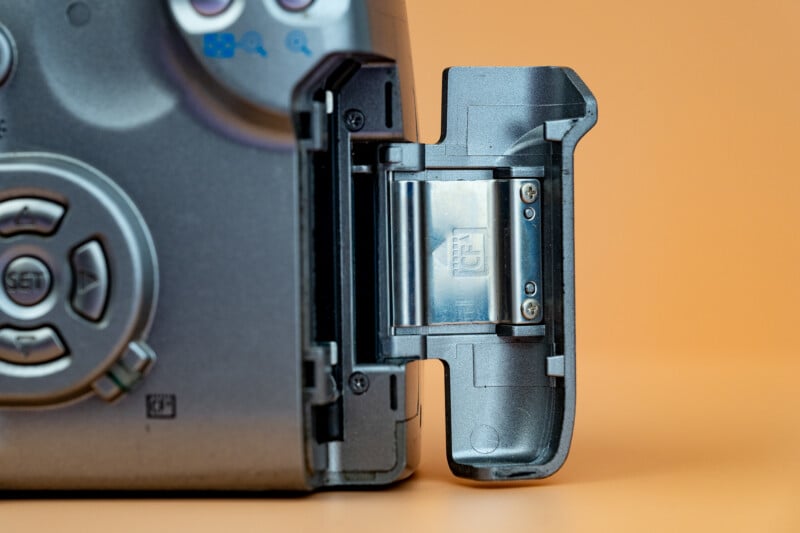
- ISO Sensitivity: With a maximum native setting of 1600, the 300D is not a low-light performer. Noise is visible as early as ISO 400. Unlike modern sensors, where shadow recovery is near-limitless, the 300D’s raw files have very little "latitude." Pushing shadows results in significant, ugly color noise.
- Dynamic Range: The sensor has a tendency to "blow out" highlights. Pinks, violets, and bright reds, in particular, lose detail and block up into solid, flat patches of color.
- Color Science: Despite these limitations, the 300D possesses the "Canon look." The skin tones and natural color reproduction are surprisingly pleasing. Even today, the files retain a warmth and character that many photographers find more organic than the clinical, sharp files produced by modern computational photography.
Official Responses and Industry Impact
At the time of its release, the industry was divided. Some traditionalists argued that the 300D’s plastic build would "cheapen" the professional brand of the Canon EOS line. However, the sales data told a different story. The 300D became the best-selling DSLR of its time, fundamentally changing the business model for camera manufacturers.
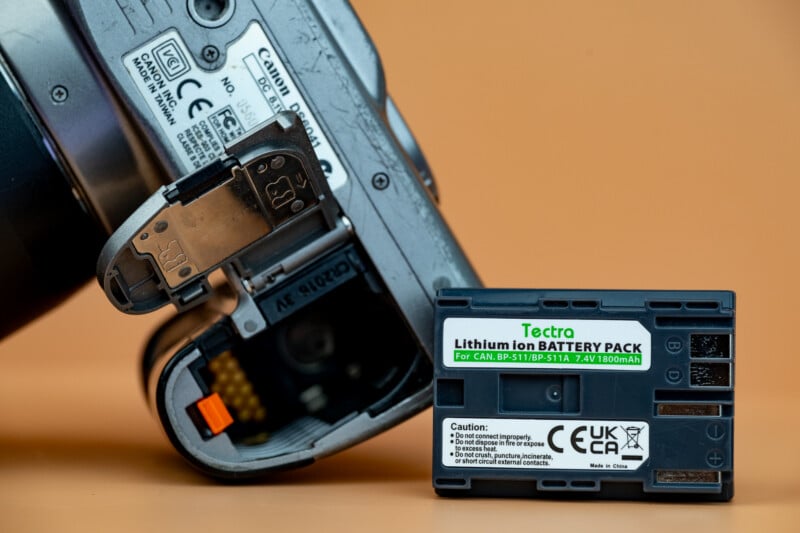
Canon’s strategy was clear: create an entry-level gateway that would lock consumers into their proprietary EF lens ecosystem. It worked. Millions of users who started with a 300D eventually upgraded to the 400D, the 60D, and eventually the 5D or 1D series. The "Rebel" line became the most successful camera franchise in history, and the 300D was the cornerstone.
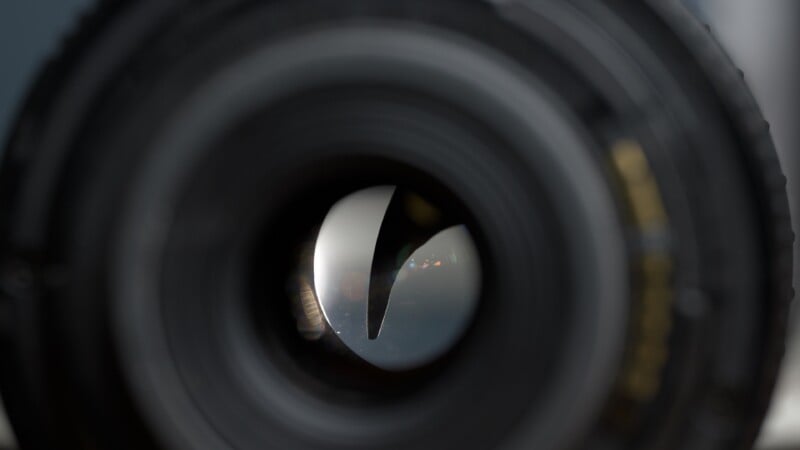
The Implications: A Renewed Appreciation
Why does the 300D matter today? It represents the first time the average person could own a camera that didn’t feel like a toy. It was the first time that the "digital vs. film" debate could be settled in favor of digital for the masses.

When we look back at the 300D, we aren’t looking at a "bad" camera; we are looking at the "first" camera of the modern age. It was the training ground for a generation of photographers. Every person who learned the exposure triangle on a 300D carries that knowledge into their work with modern gear.
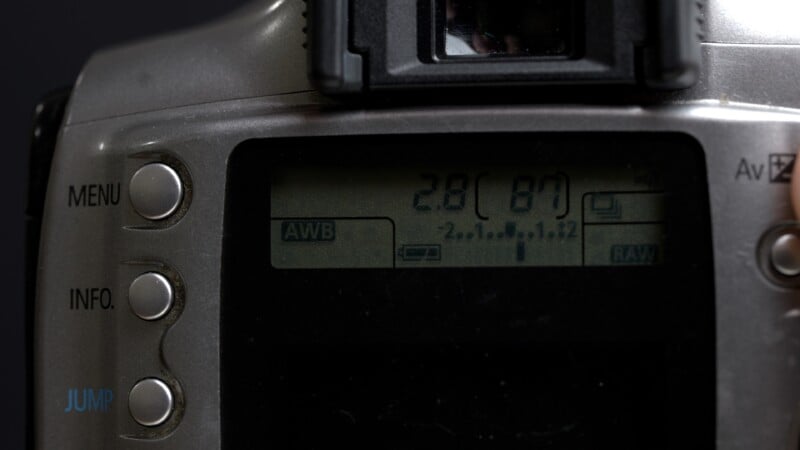
The experience of shooting with the 300D today is inherently nostalgic, but it is also instructional. It reminds us that technology is a tool, not a crutch. Modern cameras give us a massive "safety blanket"—we can shoot in near-total darkness, track eyes with pinpoint accuracy, and recover shadows that would have been lost to the void in 2003. Yet, the 300D proves that when you strip away the automation, the result is a more intimate relationship with the act of photography.

As I wandered through the gardens of Atlanta, hunting for the perfect shot of a flower or a portrait, I found myself ignoring the low-resolution screen and the slow buffer. I was forced to look at the light, to understand the subject, and to make the exposure count.

The Canon EOS 300D was never the most capable camera, but it was the most important. It taught us to see. In an era of infinite resolution and artificial intelligence, the humble, creaky, silver-bodied Rebel remains a testament to the fact that the most important part of any camera—no matter the year—is the photographer behind it. While the 300D may be outdated, its legacy is foundational, reminding us that every innovation in our field is built upon the lessons learned from those early, imperfect, but revolutionary days.
 Raul Delapena Setiawan
  rifanmuazin
  Ammar Sabilarrohman