
 By Nila Kartika Wati
In the world of animation and gaming, the characters often steal the spotlight, but the world they inhabit acts as the silent protagonist. Background artists are the architects of emotion, tasked with constructing the atmosphere, history, and physical reality of a scene before a single frame of action is animated. To understand the depth required for this discipline, we spoke with industry professionals whose work defines the visual language of modern media.
The Foundation: Building Worlds with Intent
Background art is rarely just "decoration." According to Morgan Noll, a visual development artist whose portfolio includes work on Digman! and Star Trek: Lower Decks, the design process is rooted in a rigorous three-tier philosophy.
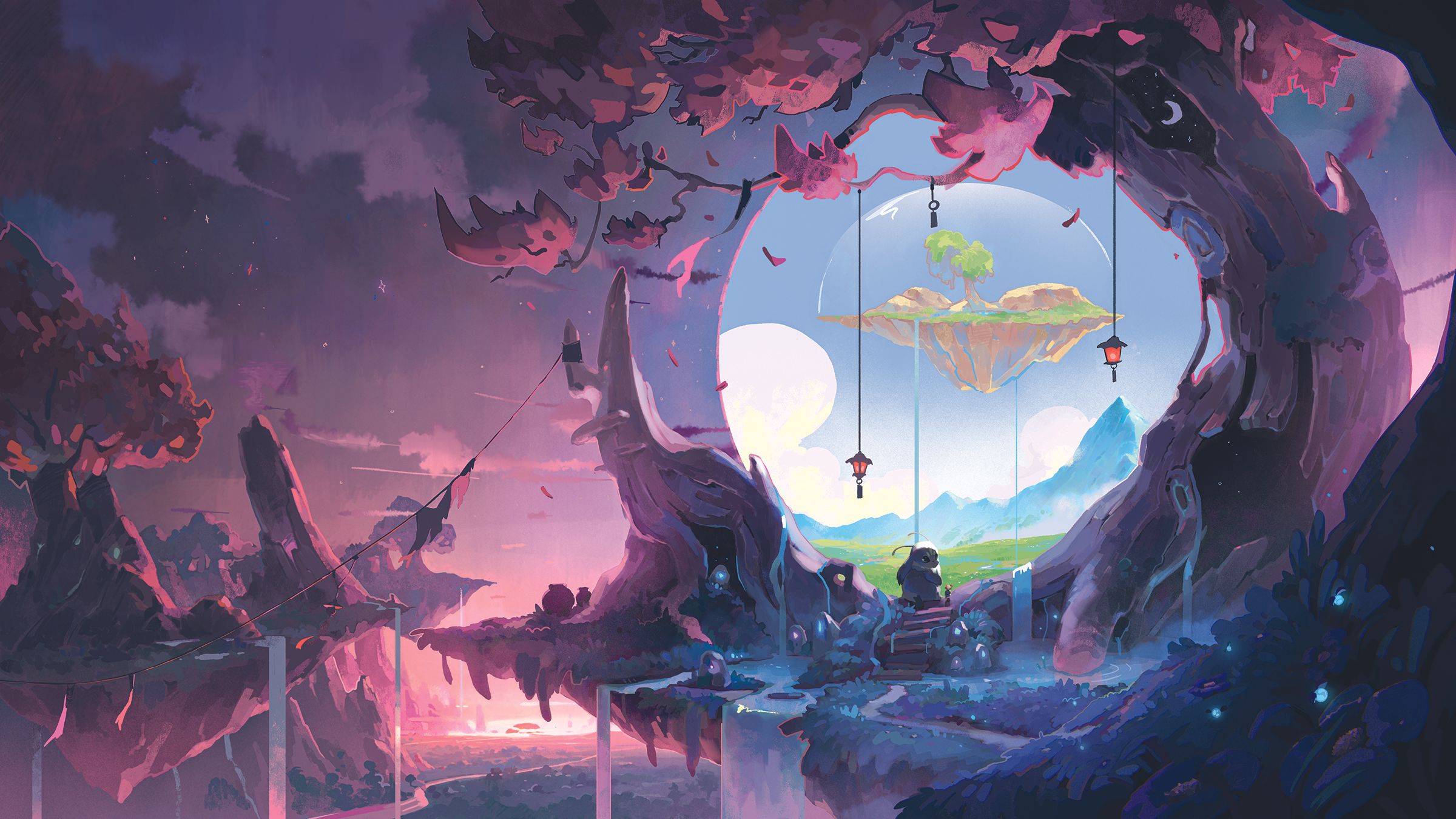
"One: what do I want an audience to feel while engaging with this piece? Two: what narrative elements do I want to inform the design of the scene? And three: what visual language works best for supporting those choices?" Noll explains.
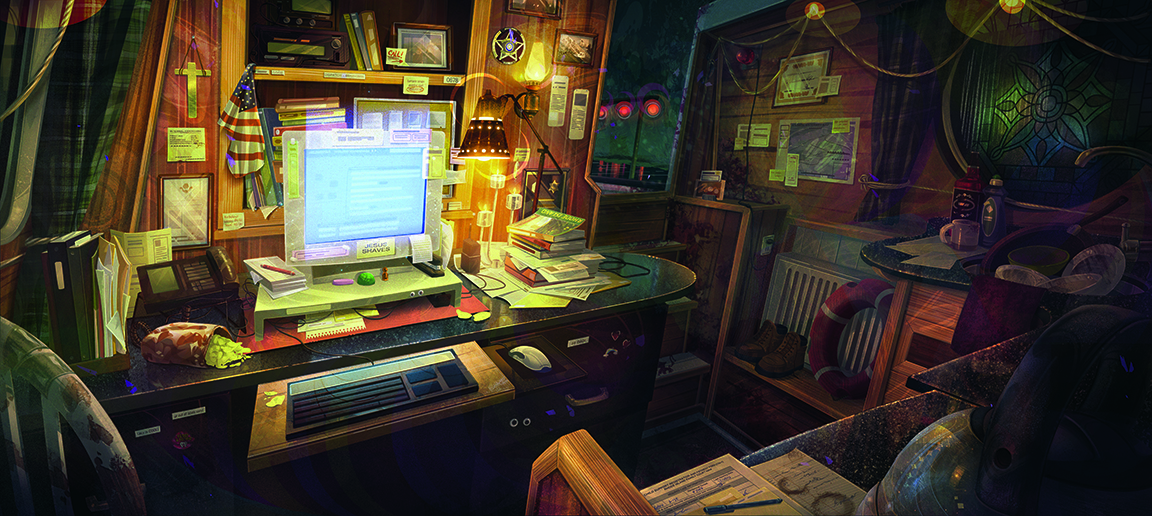
For Noll, the "tangibility" of a space is paramount. She believes that a room should feel lived-in, independent of the story taking place within it. By adding scuffs, cracks, dust, and discarded notes, artists can suggest a history that predates the scene. This "detritus of habitation" is what elevates a static image into a breathing environment.
Chronology of a Career: From Novice to Professional
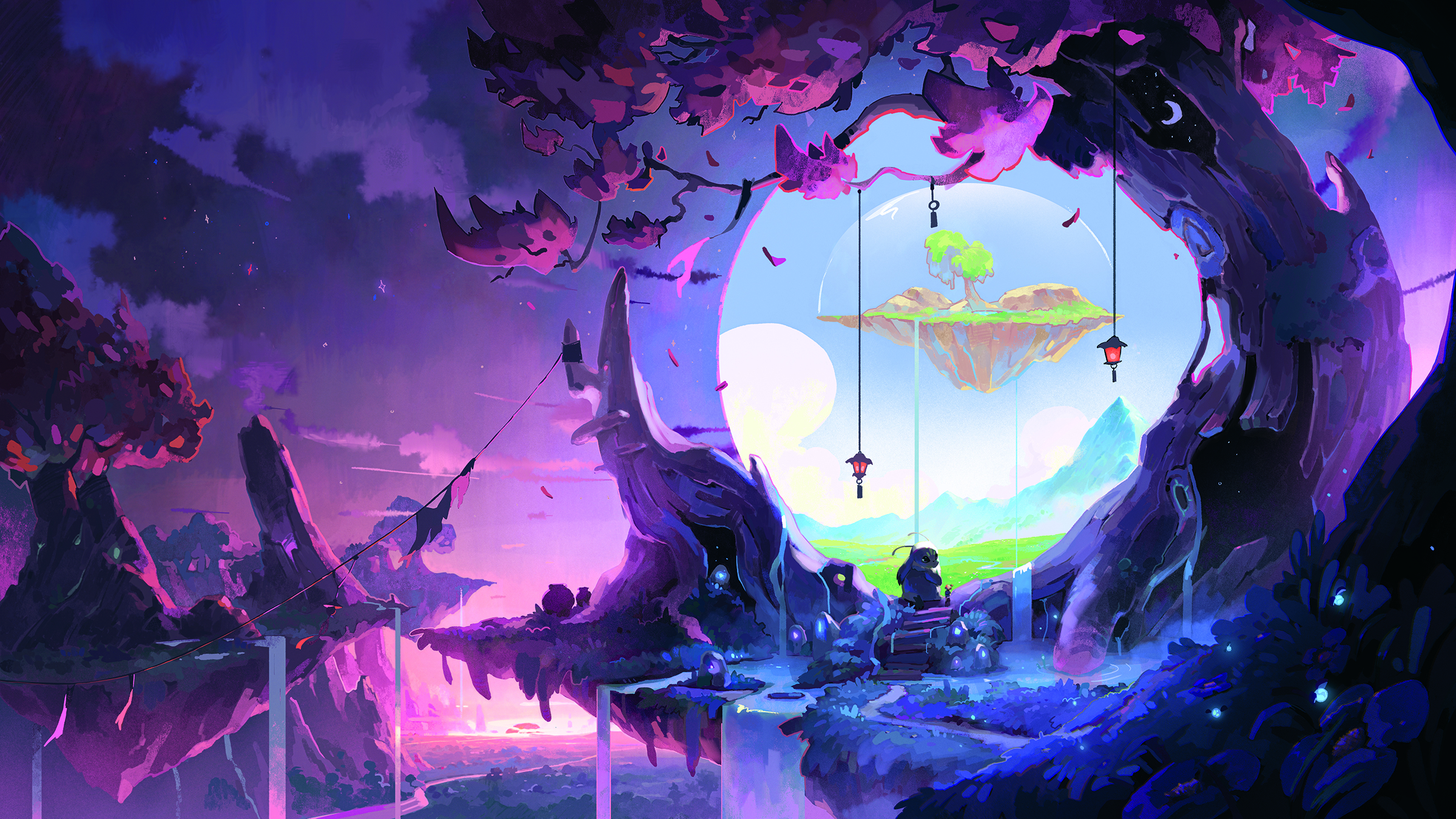
The path to becoming a professional background artist is rarely linear. Many current industry leaders began with little to no formal training, relying instead on a rapid, intense period of self-study. Morgan Noll, for instance, transitioned from a total novice to a professional industry artist in just three years.
This rapid ascent is common in the digital art space, where accessibility to tools like high-end drawing tablets and powerful laptops has lowered the barrier to entry. However, as artists like Edwige Stoll—who has contributed to high-profile projects like Arcane S2—note, the speed of your progression is less important than the "intention" behind your work.
"Try to use a brush that’s as big as it can be, to the point that it’s uncomfortable to paint with, to make more expressive strokes," Stoll advises. "If the shape you want to achieve can be made with one brushstroke, try to do it, and put intention in every stroke."
The Strategic Role of Backgrounds in the Pipeline
The technical side of background art is as demanding as the creative side. Because these artists often work at the intersection of various departments, from layout to compositing, file management is an unspoken but critical skill.
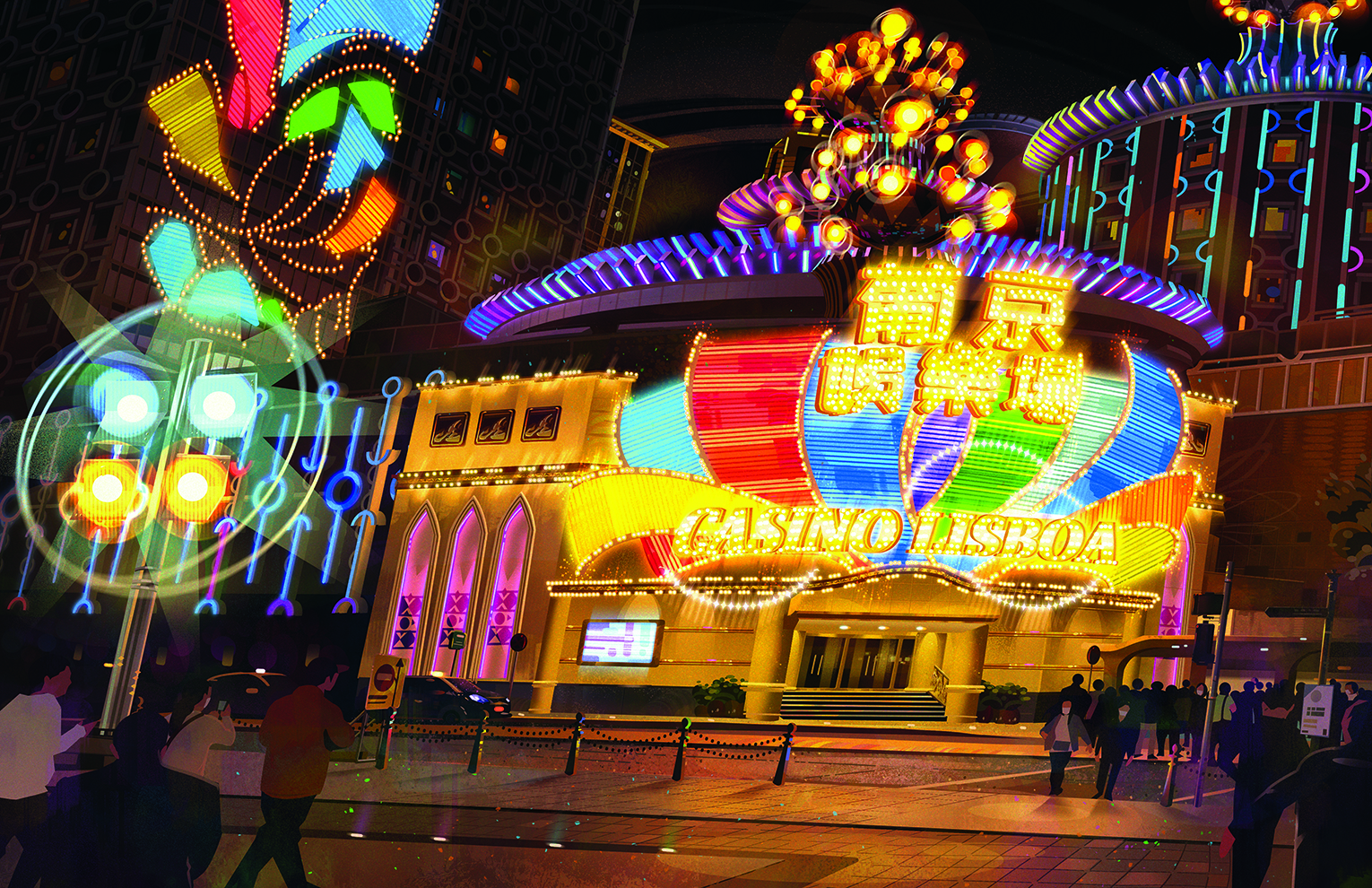
"When you’re a background artist, often you’ll be managing hundreds of layers," Noll explains. "It’s good practice to ensure that all of your layers are named, grouped in accordance with your foreground, middleground, and background, and clearly separated for compositing teams down the pipeline."
Eduardo Vargas, a visual development artist known for his work on The Legend of Vox Machina, emphasizes that the background artist’s role is uniquely vulnerable because they "inherit the boons and flaws" of everyone who worked before them in the pipeline.
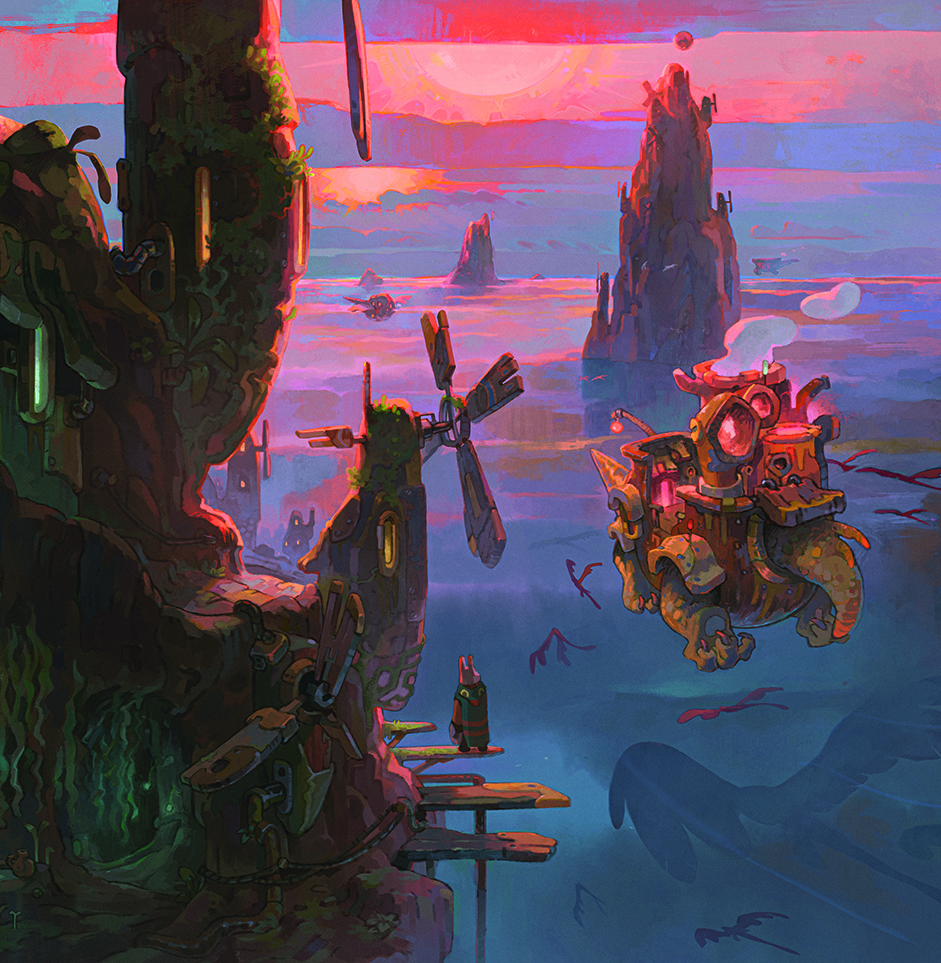
"What’s most important is to understand that every mistake we commit and every mistake we don’t deal with will be equally inherited by the next team, which in most cases will be compositing," Vargas says. "If everyone in the pipeline is aware of how what they do affects everyone else, then productions flow much more smoothly."
Supporting Data: The Psychology of Shape and Light
Why do some backgrounds feel "right" while others feel off? The answer often lies in graphic structure. Both Noll and Vargas advocate for breaking complex environments down into simple, geometric shapes before adding detail.
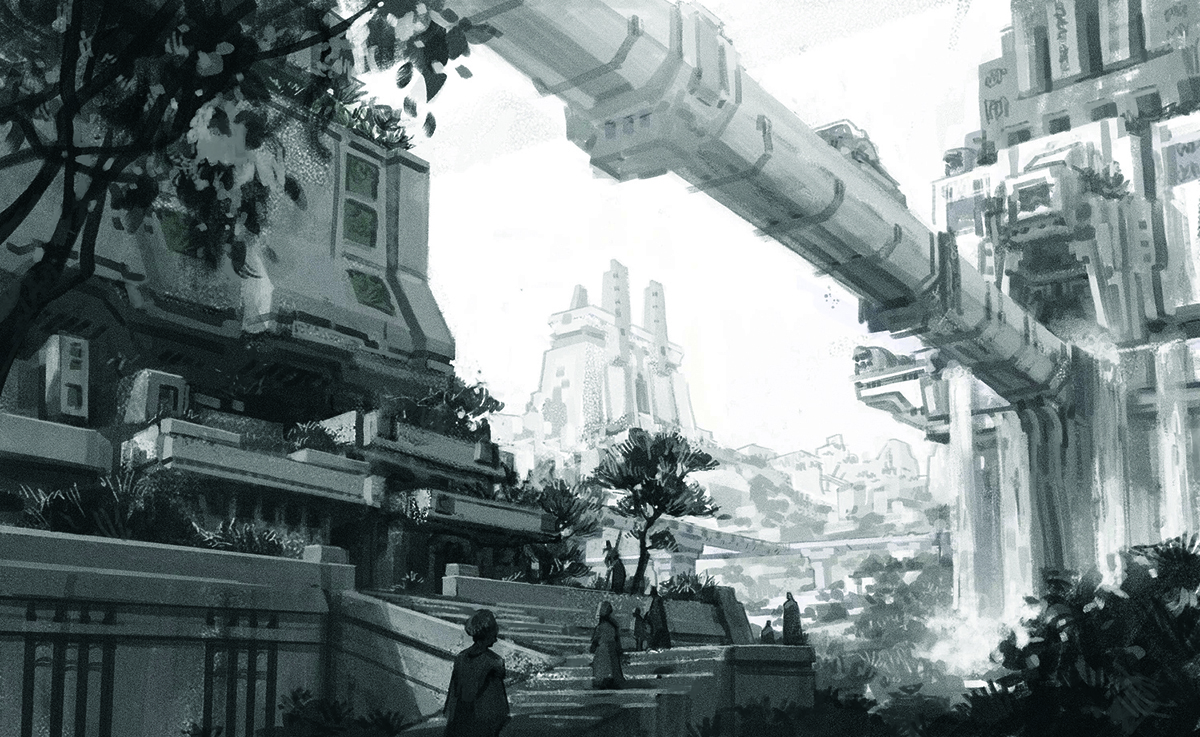
"I like to break things down into simple shapes and graphic impressions and then build them back up into semi-realism through these repeated graphic patterns," Noll says.
Vargas adds a musical analogy to this process: "Value structure is similar to intervals in music: often the values you don’t use matter more than the ones you do." This restraint is key to creating a composition that doesn’t overwhelm the viewer, ensuring the background supports, rather than competes with, the character animation.
Official Perspectives: Navigating Established Intellectual Property
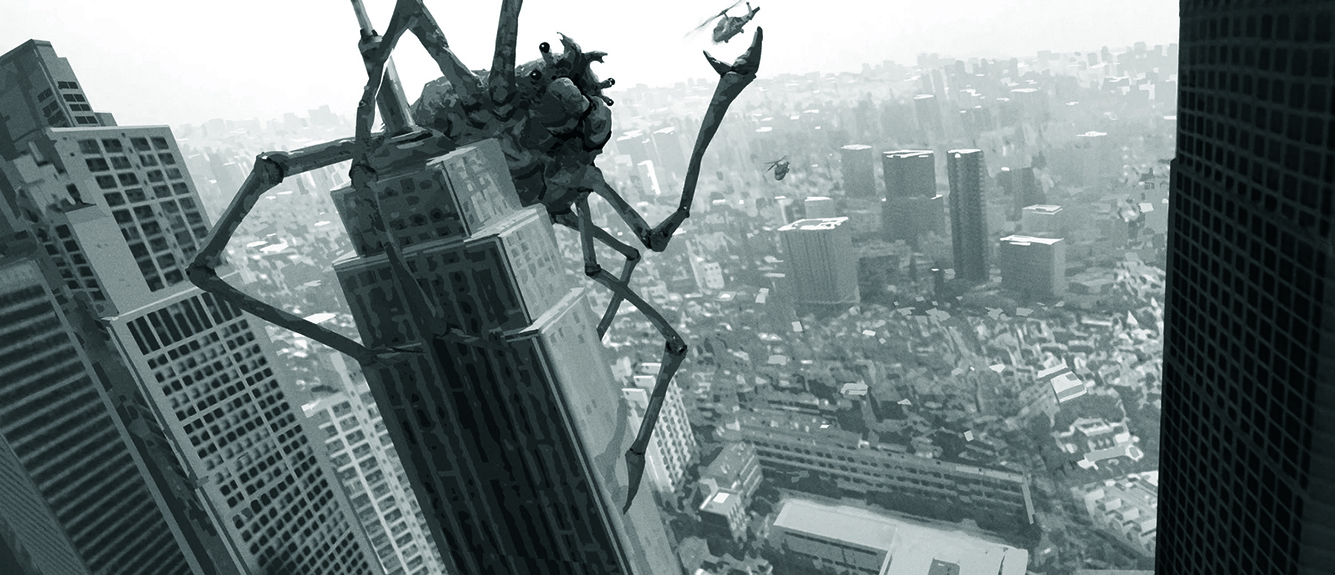
One of the most daunting tasks for an artist is working within an established franchise, such as Dungeons & Dragons or Teenage Mutant Ninja Turtles. In these scenarios, the artist is not just creating a world; they are acting as a custodian of an existing lore.
Bastien Grivet, an Emmy Award-winning designer for Star Trek: Prodigy, explains that the secret is intensive research. "When Dungeons & Dragons asked me to join their projects, I had to spend the first two weeks learning 50 years of art history," Grivet shares. "You have to do your homework to truly capture the essence of the stories your environments must convey."
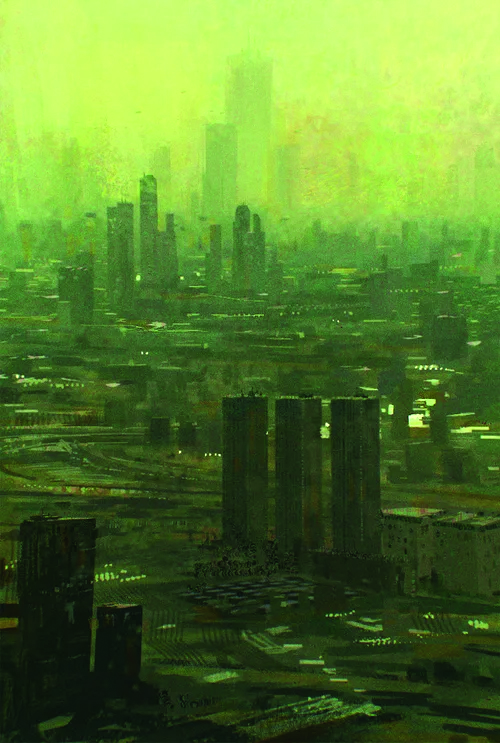
This process often involves creating extensive "PureRef" boards—visual databases of the style, lighting, and textures found in previous iterations of the franchise. By metabolizing these nuances, an artist proves they can "solve the studio’s problems" rather than just providing a generic aesthetic.
Implications for Future Artists: Tools and Techniques
The tools of the trade are evolving. Grivet, for instance, has integrated virtual reality into his workflow. "When I added Gravity Sketch on Oculus to my toolkit, I was able to rediscover the joy of sculpting my stories," he notes. By building sets in 3D space, he can solve perspective and lighting issues before a single pixel is painted in Photoshop or Clip Studio Paint.
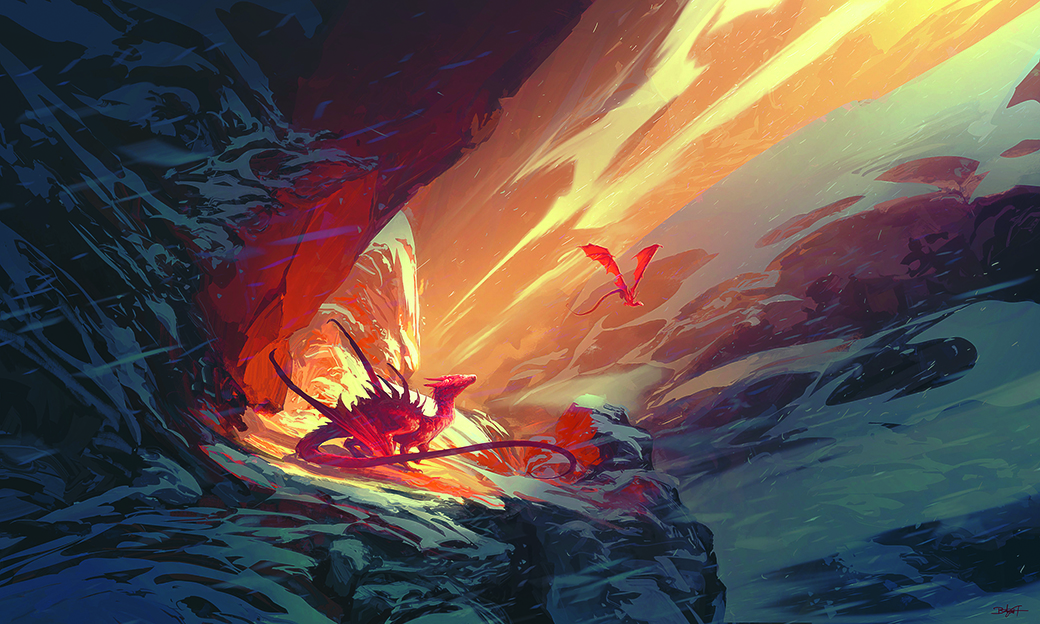
Meanwhile, Cassie Jacobsen, a specialist in background painting, offers a different, highly effective workflow tip: painting in neutral light first.
"This was a game changer for me," Jacobsen explains. "Rendering each object without a specific light or color scenario made the task much more manageable. I then add light and shadow via layer blending modes like overlay and multiply."
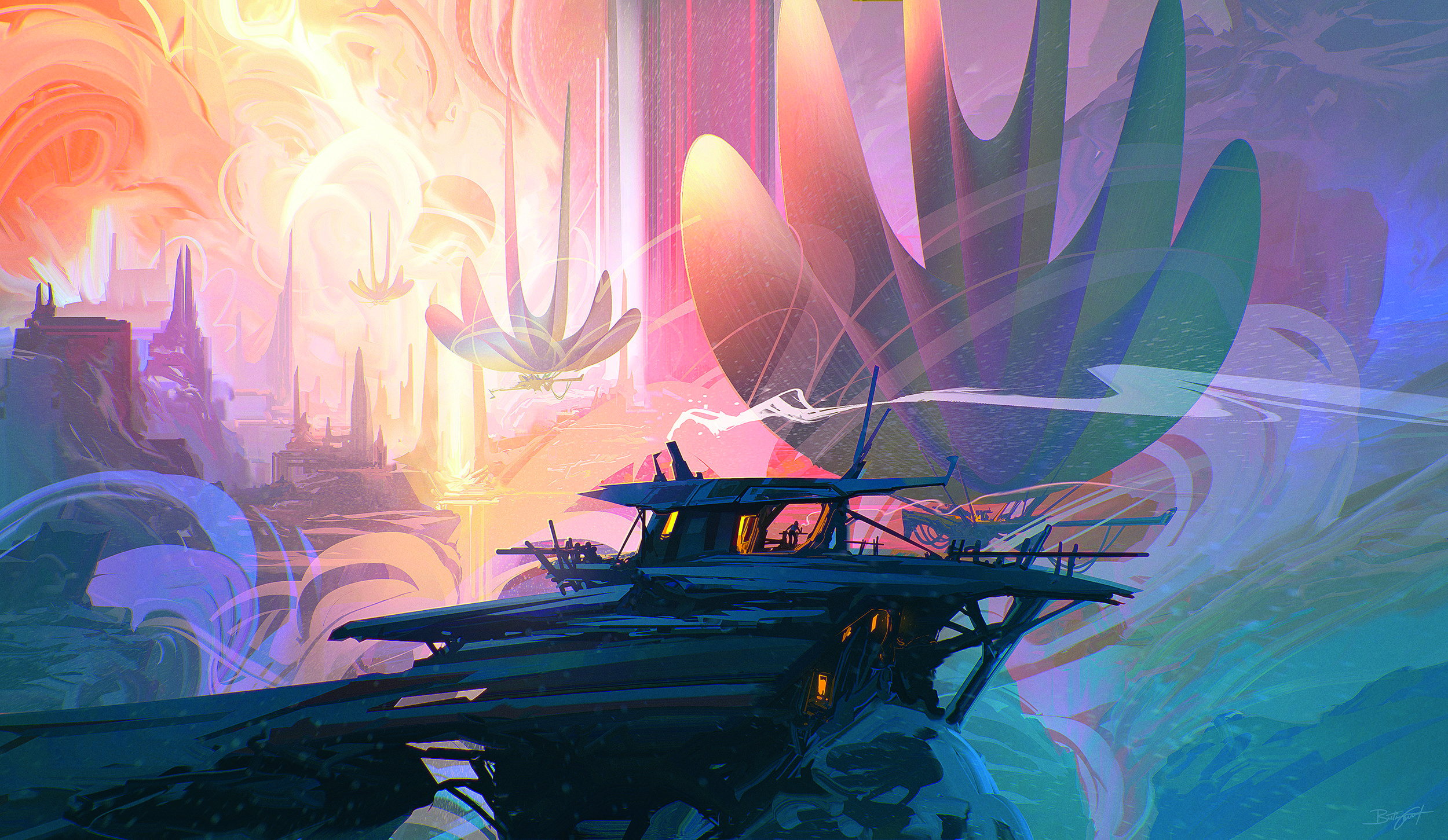
For those struggling to find their "style," Jacobsen offers a word of caution: "The biggest error is focusing on the outcome of finding a style over experimenting with tools and processes. When you allow yourself to experiment, try new methods, and get inspired by the things or artists you like, your style will naturally develop."
Conclusion: Environment as Character
Perhaps the most profound takeaway from these industry veterans is that background design is, at its core, character design. Every scuff on a floorboard, every half-empty cup, and every patch of peeling wallpaper is a narrative clue.
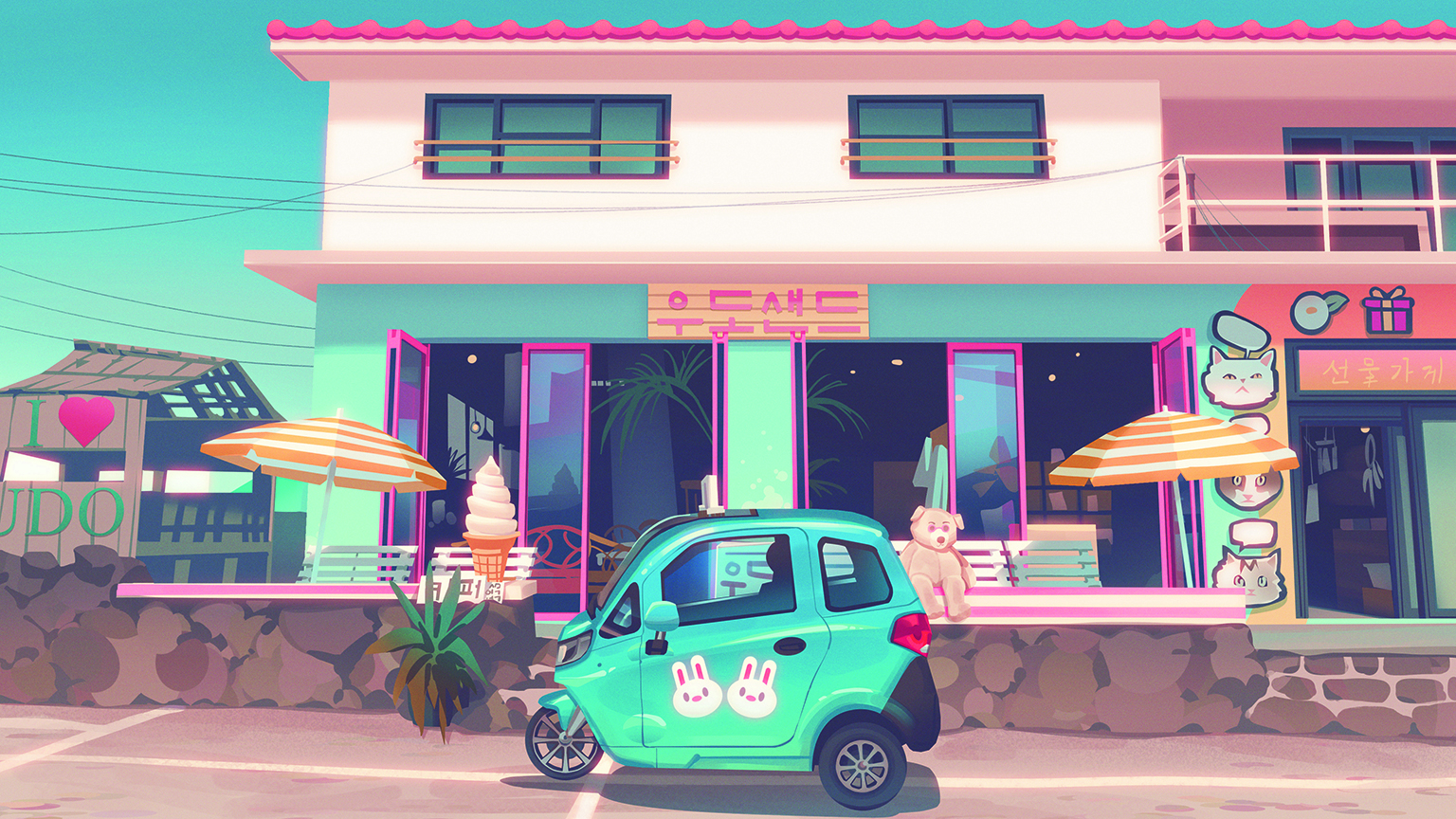
"We’re all products of our environments, and our environments also reflect a lot of our interiority back at us," Noll says. "This should be especially true for the worlds we craft."
As the animation and gaming industries continue to demand higher levels of immersion and storytelling, the role of the background artist remains more vital than ever. They are the ones who turn a blank digital canvas into a place where a story can live, breathe, and linger in the mind of the audience long after the screen goes dark. Whether through 3D sculpting, rigorous thumbnailing, or the careful application of "human" messiness, these artists ensure that the world is always ready for the story to unfold.
 Nana Muazin
  Raul Delapena Setiawan
  Ammar Sabilarrohman