
 By Lina Irawan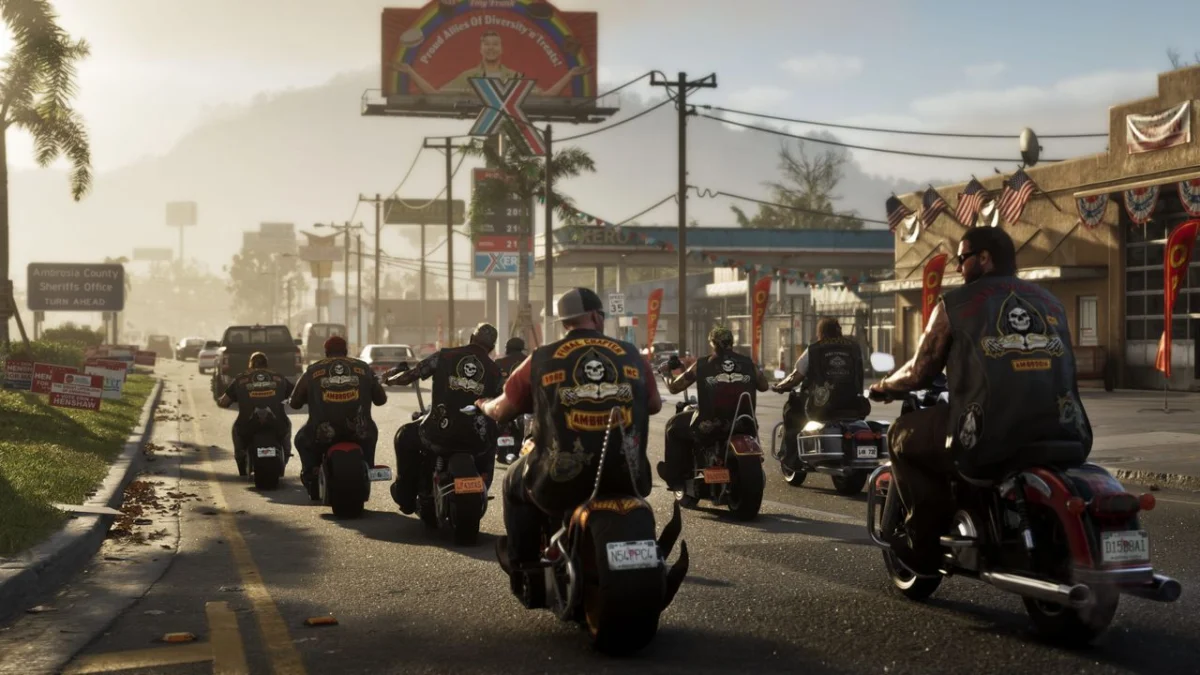
For two decades, the evolution of digital artistry has been defined by the pursuit of the "impossible." From the blocky, stylized streets of Grand Theft Auto III to the sprawling, hyper-detailed vistas of Red Dead Redemption 2, Rockstar Games has consistently acted as the industry’s North Star. However, with the upcoming release of Grand Theft Auto VI, that pursuit of graphical perfection has reached a fever pitch—and for some industry veterans, the implications are becoming increasingly complex.
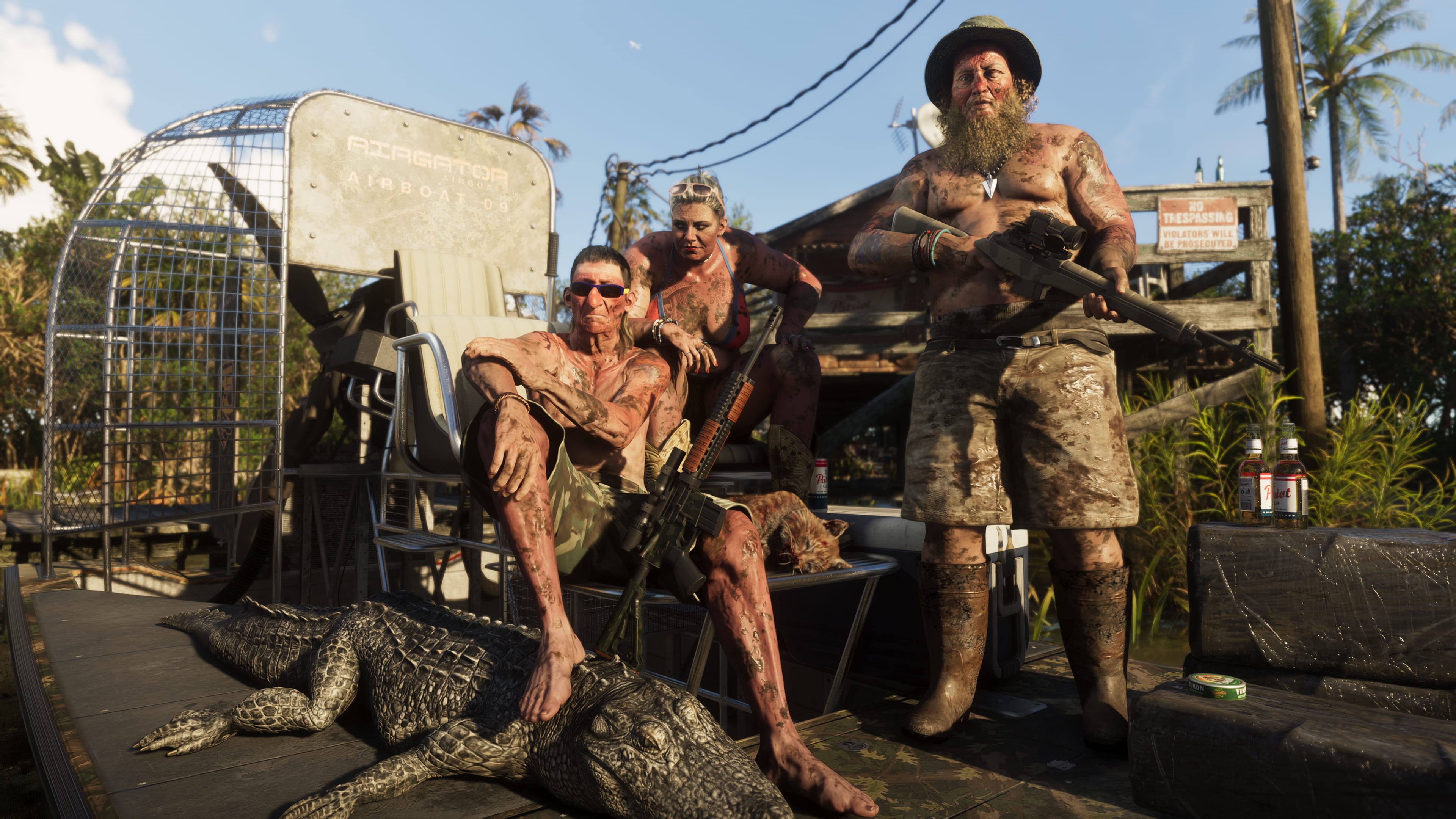
While the latest in-game screenshots and trailers showcase lighting, textures, and atmospheric density that mirror high-budget Hollywood cinema, a pressing question emerges: at what point does the pursuit of photorealism begin to cannibalize the very spirit of the Grand Theft Auto franchise?
The Main Facts: A Leap in Visual Fidelity
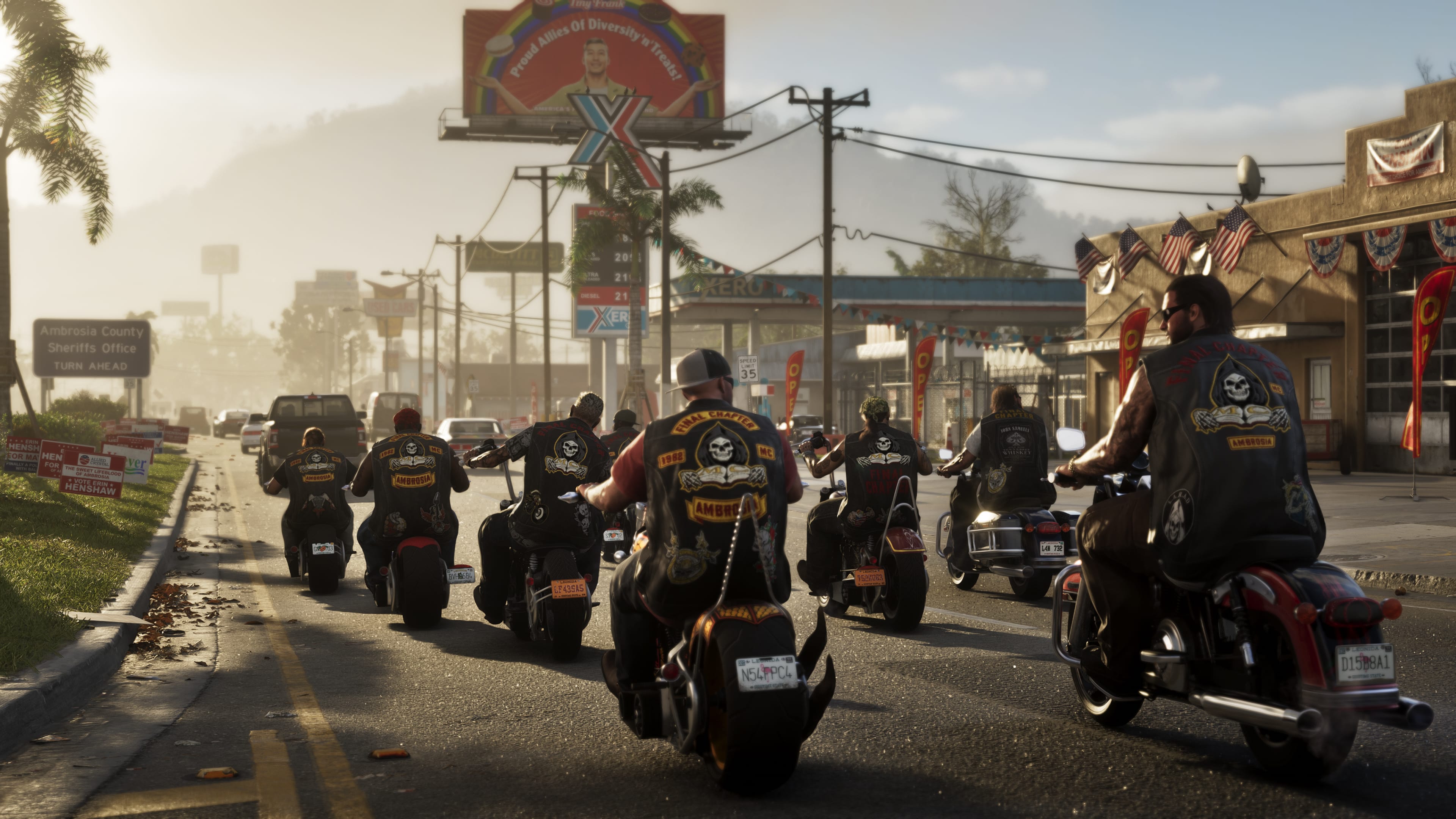
The consensus among digital designers and 3D animators is that GTA VI represents a watershed moment for real-time rendering. The current promotional materials released by Rockstar suggest a level of environmental fidelity that blurs the line between pre-rendered cutscenes and actual gameplay.
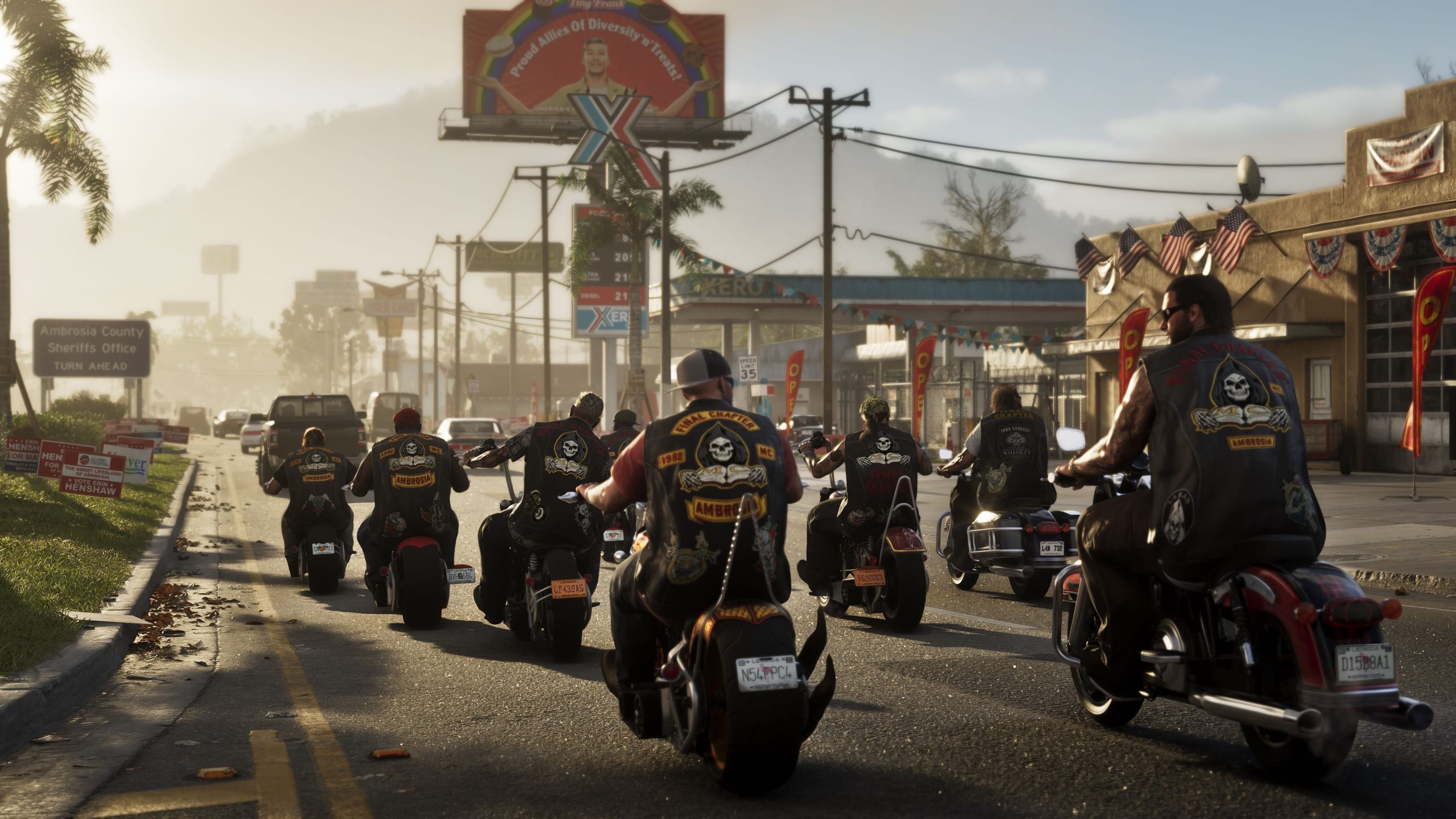
The game’s lighting engine, character skin shaders, and the sheer density of the urban environment of Vice City suggest a push for total immersion. Yet, this ambition carries weight. As the visual fidelity moves closer to reality, the "vibe" of the game—traditionally defined by a blend of satire, arcade-style chaos, and over-the-top action—faces a potential identity crisis. When a game looks indistinguishable from reality, the psychological reaction to the violence inherent in the series changes. The "comic book" safety net is dissolving, replaced by a visual language that feels significantly more visceral and, perhaps, more jarring.
Chronology of Anticipation
The road to GTA VI has been a masterclass in controlled information release.
- The Early Years (2013–2018): Following the massive success of GTA V, rumors of a successor began almost immediately. Rockstar focused its efforts on Red Dead Redemption 2, which served as a technical testing ground for the open-world physics and lighting systems we are seeing today.
- The Leak (2022): A significant security breach saw early, unfinished development footage leaked to the public. While Rockstar condemned the theft of intellectual property, the leak confirmed that the game was targeting a level of environmental detail unseen in modern gaming.
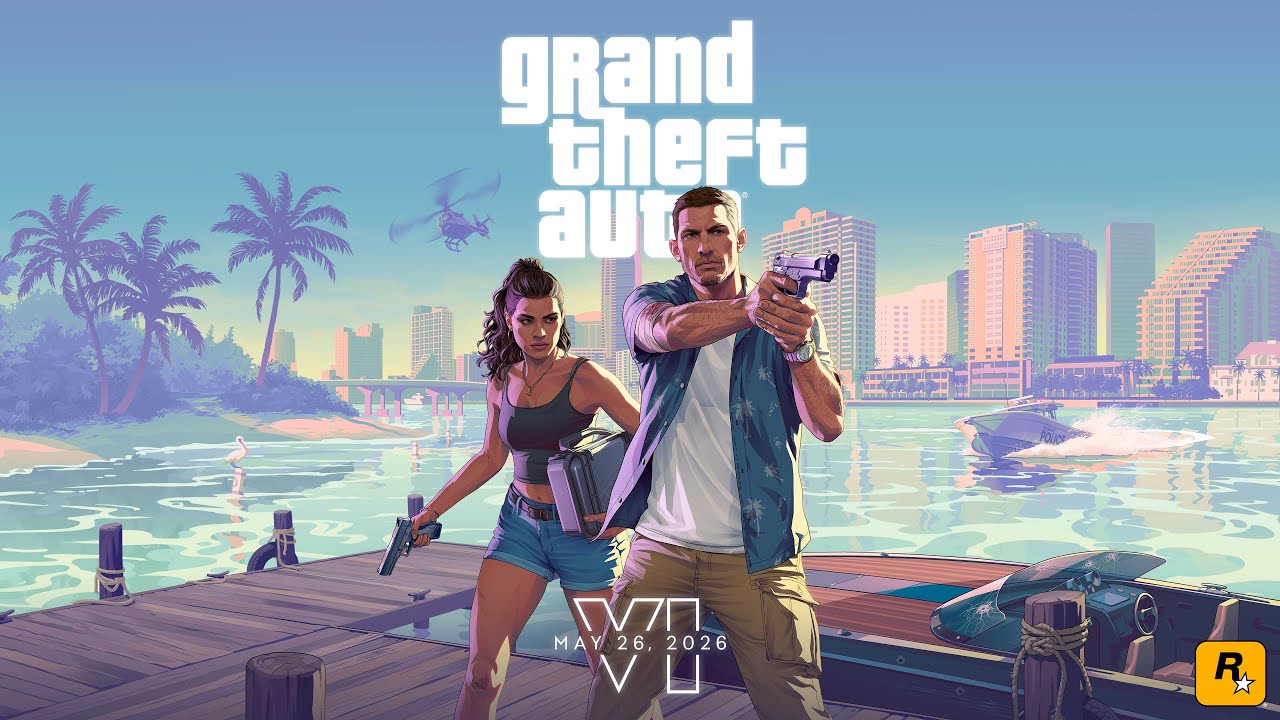
- The Reveal (2023–2024): The official trailer launch confirmed the return to a modern-day Vice City, setting the internet ablaze with frame-by-frame analysis of the graphical improvements.
- The Pricing Controversy (Present): With the confirmation of a $100 price point for the Ultimate Edition, the conversation has shifted from purely artistic praise to the broader economic sustainability of the medium.
Supporting Data: The Technical Bottleneck
While graphical beauty is a selling point, the practical reality of running such a massive, detailed simulation is daunting. Performance data from industry insiders suggests that achieving a consistent 60 frames per second (fps) on current-generation consoles remains a significant hurdle.
The primary bottleneck is not necessarily the GPU’s ability to render pixels, but the CPU’s capacity to handle the "living" world. GTA VI aims to simulate dense NPC (Non-Player Character) crowds, complex traffic AI, and dynamic environmental physics. These systems are processor-intensive. Consequently, many analysts predict that the game will launch with a 30fps cap or a 40fps performance mode, even on high-end hardware like the PS5 Pro.
For the average player, this creates a performance gap. While 30fps is functional, it lacks the responsiveness required for high-speed driving and precision shooting, potentially hampering the "fun factor" that has defined the series for generations. Furthermore, as the hardware requirements climb, the barrier to entry rises. The Xbox Series S, for example, will likely require significant graphical scaling to run the game, and PC players will need top-tier, expensive hardware to experience the game as intended by the developers.
Official Responses and Industry Context
Rockstar Games has maintained a policy of silence regarding specific performance metrics, focusing their public messaging instead on the "ambition" of the project. By labeling the current screenshots as representative of both gameplay and cinematic sequences, they are signaling a new era where the distinction between "playing" and "watching" is intentionally minimized.
Industry experts point out that this trend is consistent with the "AAA" (Triple-A) business model. As development costs for games like GTA VI balloon into the hundreds of millions—or even billions—of dollars, publishers are forced to chase "prestige" visuals to justify the premium price tag. This "blockbuster-ization" of gaming ensures that games become more expensive to produce, which in turn leads to the higher MSRPs (Manufacturer’s Suggested Retail Prices) we are seeing today.
The Implications: A New Normal for Gaming?
The shift toward hyper-realism in GTA VI has three major long-term implications for the industry:
1. The Erosion of Stylistic Flexibility
If GTA VI succeeds, it sets a standard that other studios will feel pressured to meet. This could stifle stylized, artistic, or indie-leaning projects that prioritize gameplay mechanics over raw graphical power. The industry risks falling into a "photorealism trap" where every game looks the same, regardless of whether that aesthetic suits the story.
2. The Economic Divide
The move toward $100 price points, coupled with the need for high-end hardware, risks creating a two-tier gaming society. Those who can afford the latest consoles and high-end PCs will get the full, polished experience, while those on budget hardware or in developing markets may be left with compromised versions of the game, or priced out of the experience entirely.
3. The Tonal Shift
Finally, there is the question of the "vibe." The history of Grand Theft Auto is one of absurdity. If the game’s world becomes too realistic, the suspension of disbelief required to accept the game’s inherent, satirical violence becomes harder to maintain. The game may find itself in an "uncanny valley" where the visuals are too grounded to support the chaotic, arcade-style gameplay the franchise is famous for.
Final Thoughts: A High-Stakes Bet
As a journalist who has spent nearly two decades watching the intersection of art, design, and technology, I find GTA VI to be a fascinating, albeit slightly nerve-wracking, case study. There is no doubt that the talent at Rockstar Games is capable of pulling off a technical miracle.
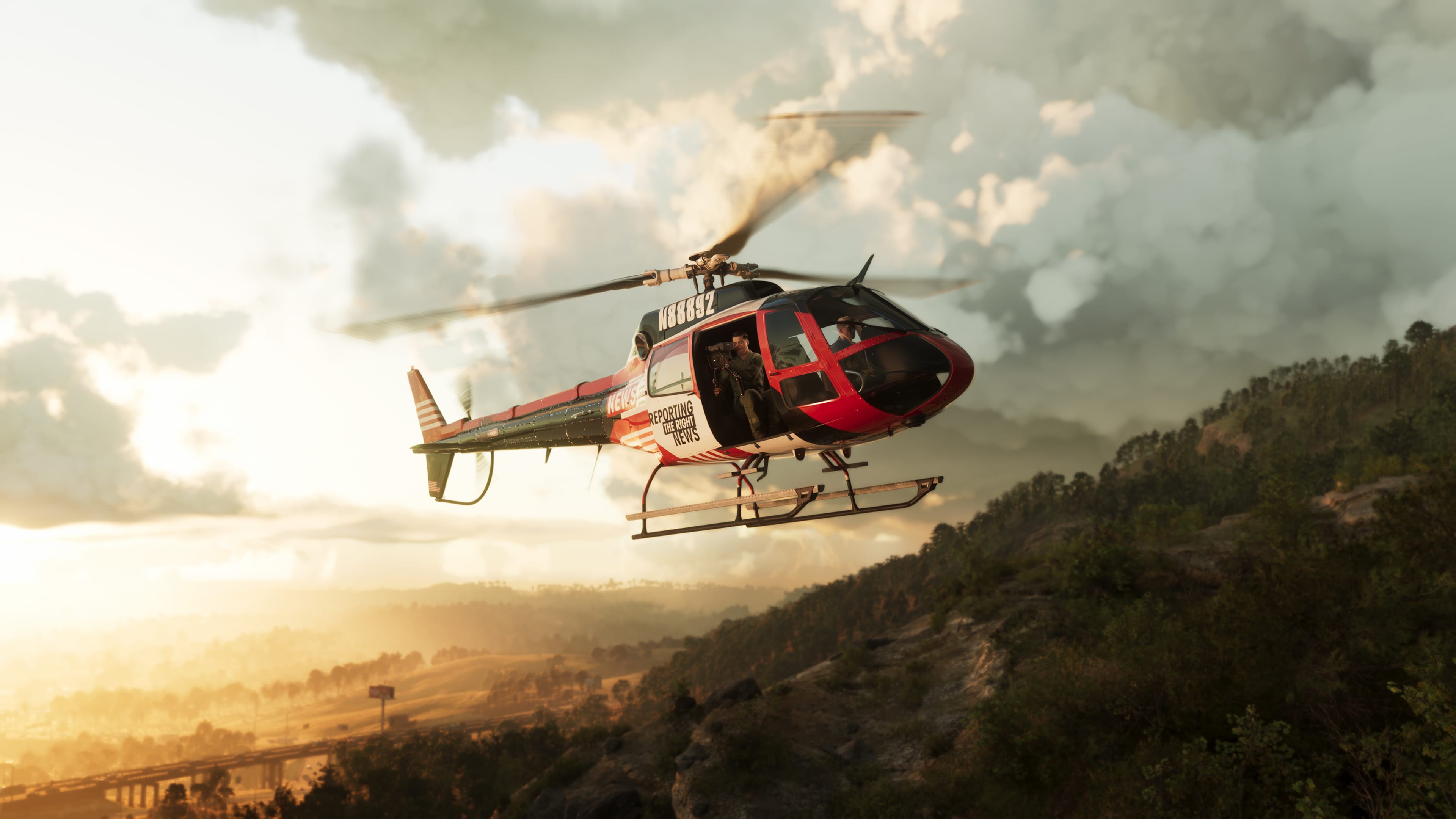
However, we must ask ourselves: what are we gaining, and what are we losing? If we reach a point where games look like movies but become too expensive to buy and too demanding to run smoothly, have we actually moved the medium forward?
I suspect GTA VI will be an incredible, record-breaking, and visually stunning achievement. But as I prepare to be first in the queue to play it, I find myself hoping that underneath the ray-traced reflections and the high-resolution textures, the "vibe"—that special, chaotic, fun-loving, satirical soul of the franchise—is still there to be found. Only time will tell if the cost of this level of realism is worth the price of admission.
 Raul Delapena Setiawan
  Ammar Sabilarrohman
  Muslim