
 By Dwi Wanna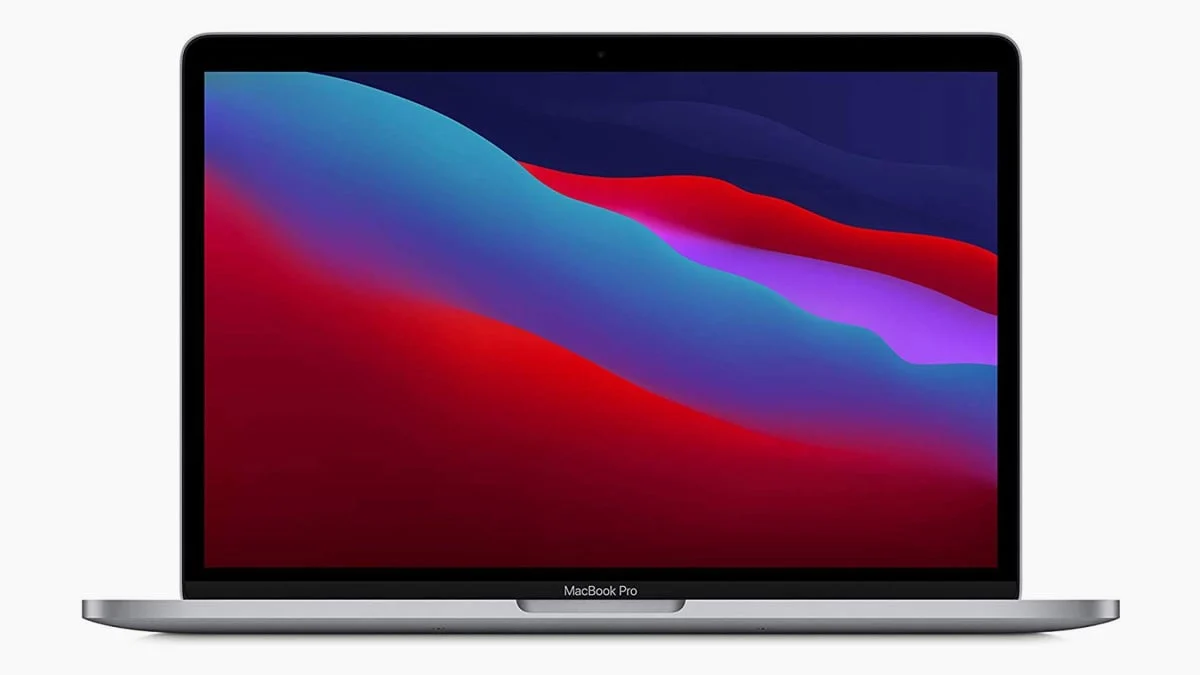
The consumer electronics industry is undergoing a quiet revolution. As the prices of flagship laptops continue to climb amidst persistent inflation and supply chain complexities, a growing segment of consumers is turning away from brand-new retail models. Instead, they are looking toward high-quality, professionally refurbished hardware.
Nowhere is this trend more visible than in the market for Apple hardware. Long regarded as premium status symbols with price tags to match, MacBooks have traditionally maintained exceptionally high resale values. However, a major promotional event running through July 19 has highlighted how dramatically the secondary market can disrupt traditional retail pricing.
A Grade A refurbished 2020 13.3-inch Apple MacBook Pro—originally retailing for $1,799—has been positioned on the market for just $394.97 via retail aggregator StackSocial. Representing a massive price reduction of over $1,400 (approximately 78% off its original MSRP), this offer serves as an ideal case study for examining the economic, environmental, and technological implications of the refurbished tech sector.
1. Main Facts: The Anatomy of the Deal
To understand the scale of this market disruption, it is necessary to analyze the exact specifications of the hardware being offered and the logistics of the sale.
The Hardware Specifications
The device in question is a high-tier configuration of the 13.3-inch Apple MacBook Pro released in mid-2020. Unlike entry-level models of its era, which often shipped with 8GB of RAM and 256GB of storage, this specific unit features upgraded specifications designed for sustained professional workloads:
- Processor: 2.0GHz Quad-Core Intel Core i5 (10th Generation), featuring Turbo Boost capabilities up to 3.8GHz.
- Memory: 16GB of LPDDR4X RAM, allowing for robust multitasking, coding, and moderate creative workloads.
- Storage: A high-speed 512GB Solid State Drive (SSD), offering ample space for local files, applications, and system cache.
- Display: 13.3-inch Retina Display with True Tone technology, featuring a native resolution of 2560 x 1600.
- Input & Interface: The refined Magic Keyboard (scissor-switch mechanism), the Apple Touch Bar, and a Touch ID sensor for biometric authentication.
- Connectivity: Four physical Thunderbolt 3 (USB-C) ports, offering high-speed data transfer, external display support, and versatile charging options.
- Portability: A lightweight aluminum unibody chassis weighing 3.1 pounds.
Pricing and Availability Dynamics
The promotional price of $394.97 is a time-sensitive offer scheduled to run through July 19, or until remaining warehouse inventory is depleted. The retail logistics are handled via StackSocial, a prominent third-party digital marketplace that partners with certified hardware refurbishers to liquidate off-lease and open-box corporate inventory.
Understanding "Grade A" Refurbishment
A critical component of this offer is the "Grade A" refurbishment rating. In the secondary electronics market, aesthetic and functional grading standards are vital for establishing consumer trust. A Grade A rating indicates that the laptop has undergone rigorous diagnostic testing, cleaning, and restoration.
Physically, a Grade A device is in near-mint condition. Consumers can expect the aluminum casing and the glass display to exhibit minimal to zero visible scuffing, scratches, or dents. Functionally, the internal components—including the logic board, cooling fans, and keyboard switches—must perform up to original factory specifications, and the battery is verified to hold a robust charge.
2. Chronology: The Journey from Premium Workstation to Budget Alternative
To comprehend how an $1,799 premium machine depreciated to under $400, we must trace the chronological evolution of Apple’s laptop lineup over the last four years.
[May 2020] -------------------> [Nov 2020] --------------------> [2021 - 2023] --------------> [Present Day]
Apple releases 13" Intel        Apple introduces M1             Corporate leases expire;     Remaining Intel stock
MacBook Pro ($1,799 MSRP)       Apple Silicon architecture      mass inventory enters        liquidated at deep discount
                                                                secondary market             ($394.97 promotion)
May 2020: The Launch of the Refined Intel 13-Inch MacBook Pro
In early 2020, Apple refreshed its 13-inch MacBook Pro lineup. This release was highly anticipated because it officially retired the controversial "butterfly" keyboard mechanism, replacing it with the much more reliable and comfortable scissor-switch Magic Keyboard. Equipped with 10th-generation Intel Core processors, 16GB of RAM, and four Thunderbolt 3 ports, this specific configuration was marketed to software developers, writers, students, and creative professionals who needed a portable powerhouse. It debuted at a premium retail price of $1,799.
November 2020: The Apple Silicon Paradigm Shift
Only six months after the release of this Intel-based MacBook Pro, Apple executed one of the most significant transitions in modern computing history. During its November 2020 keynote, the company introduced the proprietary M1 system-on-a-chip (SoC), marking the beginning of the end for Intel-powered Macs. The M1 chip delivered unprecedented power efficiency and performance-per-watt, immediately shifting consumer attention and developer priorities toward Apple Silicon.
2021–2023: Corporate Lifecycle Expirations and the Secondary Market Influx
Many high-end 2020 Intel MacBook Pros were purchased by enterprise clients, corporate offices, and educational institutions under three-year leasing agreements. As these corporate leases expired between late 2023 and mid-2024, thousands of these premium machines were returned to leasing companies.
Simultaneously, IT departments across the globe upgraded their staff to M-series MacBooks. This created a massive, sudden influx of high-spec, well-maintained Intel MacBooks into the wholesale secondary market.
Mid-2024: Strategic Liquidation
Because authorized refurbishers and liquidators acquired these off-lease corporate machines in bulk, they were able to refurbish, certify, and price them aggressively. The current promotion represents the tail end of this inventory wave, where retailers are slashing prices to clear out remaining Intel-based inventory to make room for incoming waves of early-generation Apple Silicon refurbishments.
3. Supporting Data: Technical and Financial Value Assessment
For consumers evaluating this offer, a data-driven comparison between this refurbished MacBook Pro and modern budget alternatives is essential.
Performance Benchmark and Architecture Comparison
While Apple Silicon (M1, M2, M3) is undeniably more efficient than Intel architecture, the 2.0GHz quad-core Intel Core i5 still holds its ground for standard productivity tasks. When compared to brand-new entry-level laptops in the sub-$400 price bracket—which are typically populated by budget Windows machines and Chromebooks—the 2020 MacBook Pro presents a compelling hardware profile:
| Feature / Spec | 2020 MacBook Pro (Refurbished – $395) | Typical New Windows Laptop ($350 – $400) |
|---|---|---|
| Processor | Intel Core i5 (Quad-Core, up to 3.8GHz) | Intel Core i3 or Intel Celeron (Dual/Quad-Core) |
| RAM | 16GB LPDDR4X | 4GB or 8GB DDR4 |
| Storage | 512GB PCIe NVMe SSD | 128GB or 256GB eMMC / Budget SSD |
| Display | 13.3" Retina (2560 x 1600, True Tone) | 15.6" HD or Full HD (1920 x 1080, low contrast) |
| Chassis | Precision Aluminum Unibody (3.1 lbs) | Molded Plastic / Composite (4.0+ lbs) |
| Ports | 4x Thunderbolt 3 (USB-C, 40Gbps) | USB-A, HDMI, slow USB-C (no Thunderbolt) |
The Critical Importance of 16GB RAM and 512GB SSD
In 2024, operating systems and web browsers have become incredibly resource-intensive. A standard Google Chrome session with multiple active tabs, running alongside workplace communication tools like Slack and Zoom, can easily exhaust 8GB of RAM. By offering 16GB of RAM, this MacBook Pro ensures that the system will not suffer from memory-induced slowdowns during multitasking.
Furthermore, the 512GB SSD offers twice the capacity of standard entry-level laptops, ensuring that users do not have to rely constantly on external hard drives or expensive cloud storage subscriptions to house their local media, documents, and application libraries.
4. Official Responses and Expert Perspectives
The sale of refurbished Intel-based Macs at deep discounts has sparked a wider conversation among technology analysts, consumer advocates, and environmental experts.
Tech Analysts on Hardware Longevity and Software Support
Industry analysts point out that while Intel Macs are older technology, they remain highly functional tools. However, they urge buyers to keep software support cycles in mind.
"Apple is gradually shifting its macOS focus entirely to Apple Silicon," notes technology analyst Sarah Jenkins. "While the 2020 Intel MacBook Pro is still fully compatible with current macOS releases and will receive critical security patches for years to come, it may not support some of the latest on-device AI features introduced in upcoming operating systems. For everyday productivity, office tasks, and student workloads, however, the hardware is more than capable."
The "Grade A" Industry Standards
Quality control experts emphasize the importance of buying from reputable sources when purchasing refurbished tech. Representative statements from major consumer electronics refurbishment associations highlight that certified refurbishers must adhere to strict protocols:
"A true Grade A certification requires a multi-point inspection process. This includes battery health diagnostics, display pixel checks, keyboard responsiveness testing, and port functionality validation. Consumers purchasing Grade A products are receiving a device that functions identically to a brand-new unit, even if the silicon inside belongs to a previous generation."
5. Implications: The Environmental and Societal Impact
The proliferation of high-quality refurbished computers at highly accessible price points has far-reaching implications that extend beyond individual cost savings.
Combating the Global E-Waste Crisis
According to the United Nations Global E-waste Monitor, the world generates over 50 million metric tons of electronic waste annually. Laptops and computers represent a significant portion of this waste, often containing hazardous materials like lead and mercury alongside precious metals like gold and copper.
By extending the operational lifespan of a premium machine like the MacBook Pro, the refurbishment industry directly combats this crisis. Reusing existing hardware prevents functional devices from prematurely entering landfills and reduces the carbon footprint associated with manufacturing entirely new computers—a process that is highly resource- and energy-intensive.
                  [Manufacturing Phase]
             High carbon footprint & raw materials
                           │
                           ▼
                  [Initial 3-Year Use]
                     Corporate Office
                           │
                           ▼
               [Refurbishment Process] ◄─── Extends lifespan,
             Diagnostic testing & cleaning   prevents landfill entry
                           │
                           ▼
                 [Secondary Life Cycle]
               Student / Freelancer / Remote Work
Bridging the Digital Divide
Access to reliable, high-speed computing is no longer a luxury; it is a fundamental requirement for education, career advancement, and daily life. However, the high cost of quality hardware has historically created a "digital divide," locking lower-income families and students out of the modern digital economy.
A promotion that places a premium, highly durable aluminum MacBook Pro with 16GB of RAM into the sub-$400 price bracket represents a democratization of technology. It allows students, freelancers, and remote workers to access hardware that can reliably run professional software—such as coding environments, creative suites, and data analysis tools—at a price point comparable to low-end, plastic-chassis Chromebooks.
Conclusion
The promotional sale of the refurbished 2020 13.3-inch MacBook Pro for $394.97 is a striking example of the value currently available in the secondary technology market. While tech enthusiasts will always chase the latest silicon innovations, the vast majority of computer users require a reliable, well-built machine that handles everyday tasks with speed and stability.
By offering premium build quality, upgraded internal specifications, and a highly accessible price point, this deal showcases how the refurbished sector can simultaneously benefit the consumer’s wallet, expand access to high-quality education and work tools, and support global sustainability initiatives. As the July 19 deadline approaches, this offering stands as a testament to the enduring value of well-engineered hardware in a rapidly changing digital landscape.
 Raul Delapena Setiawan
  Ali Ikhwan