
 By Ammar Sabilarrohman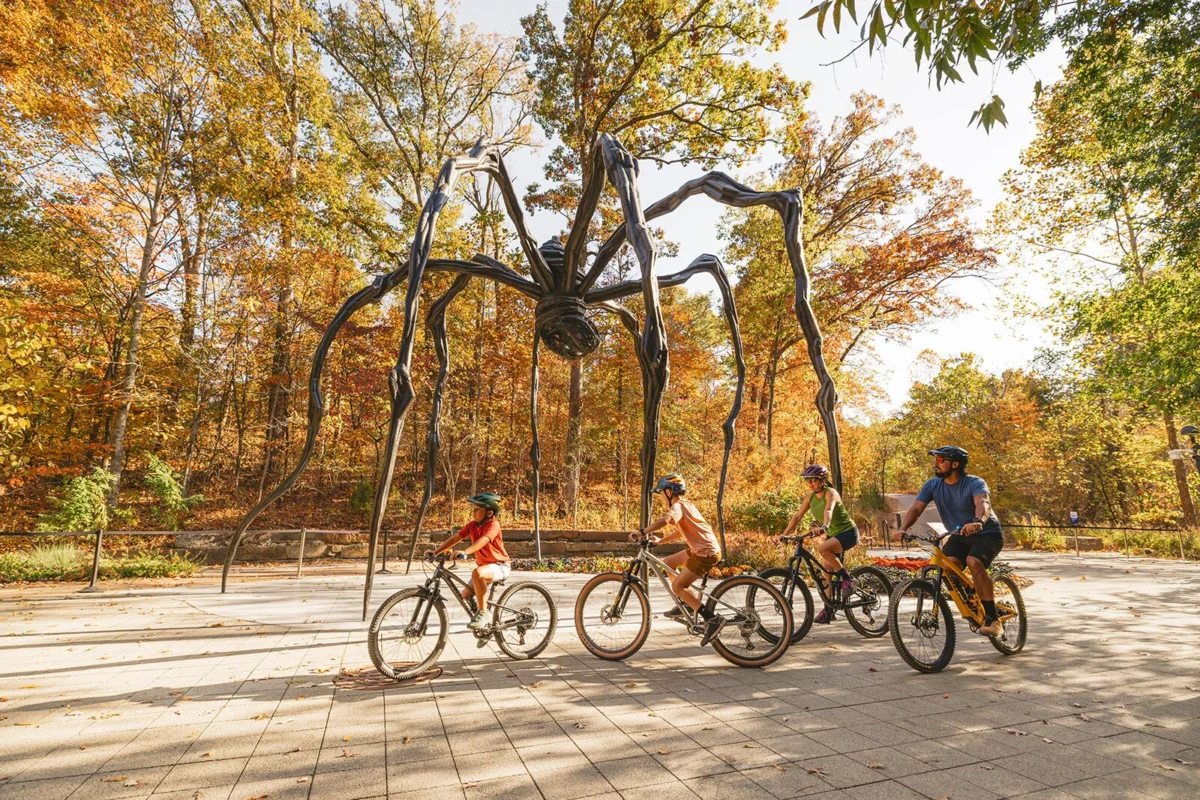
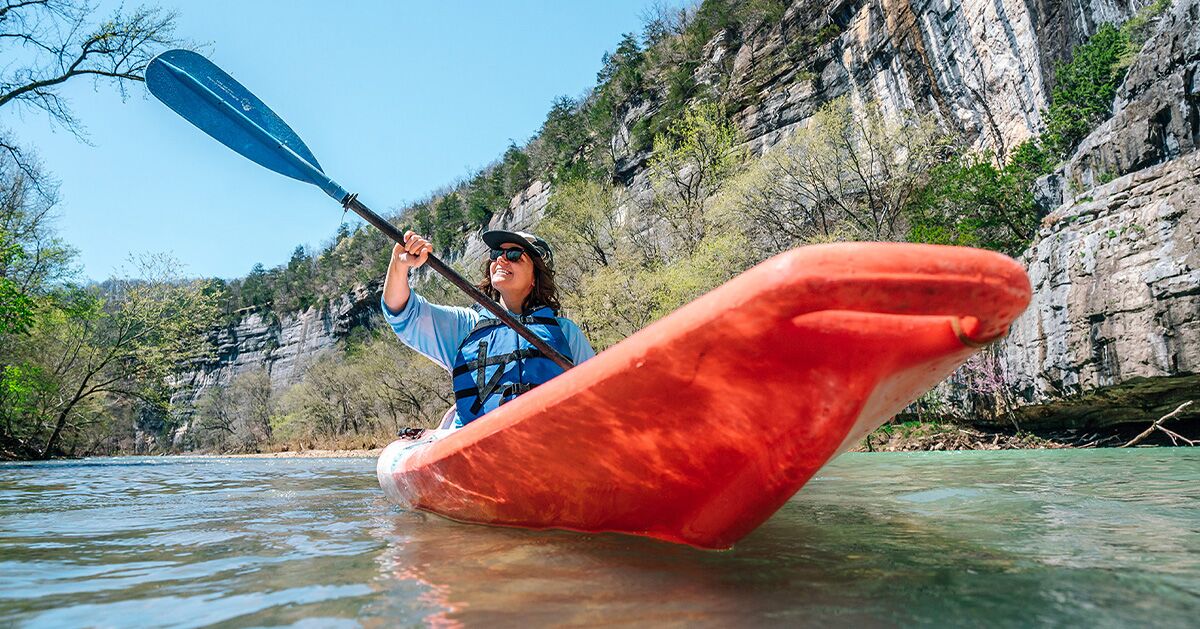
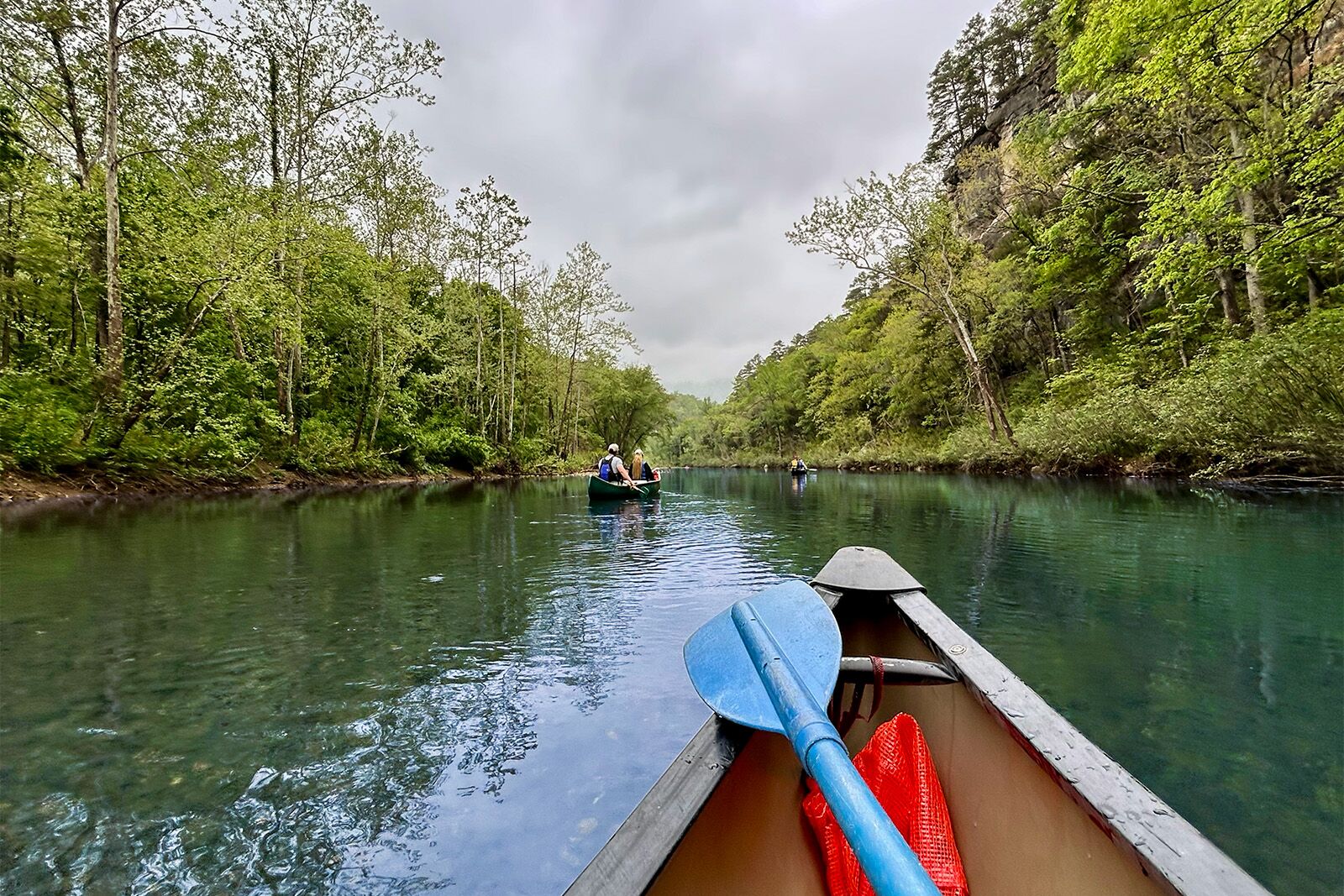
The silence of the Buffalo National River is not truly silent. It is a symphony of moving water, the rustle of river birch, and the distant, haunting bugle of an elk. As you paddle through the winding channel, passing beneath towering limestone and sandstone bluffs carved over millions of years, it is easy to feel as though you have stepped back into a pristine, pre-industrial age. Yet, just a short drive away, the region’s primary urban hub, Bentonville, is pulsating with a modern, sophisticated energy that is rapidly redefining the American Midwest.
Northwest Arkansas (NWA) has emerged as a rare paradox: a place where rugged, untamed wilderness and cutting-edge cultural infrastructure exist not in competition, but in a symbiotic embrace.
Main Facts: A Region Rooted in Preservation and Innovation
The centerpiece of the region’s ecological identity is the Buffalo National River. In 1972, President Richard Nixon signed an Act of Congress designating it the country’s first National River. Today, it remains one of the few undammed, free-flowing waterways in the Lower 48 states. This success is not accidental; it is the legacy of Dr. Neil Compton, a local physician and conservationist who, in 1962, founded the Ozark Society to successfully oppose the U.S. Army Corps of Engineers’ plans to dam the river.
The result is a pristine corridor that serves as a sanctuary for biodiversity. The Buffalo is home to 50 species of mammals, including robust elk herds, and over 250 species of birds, ranging from the colorful Yellow-throated Vireo to elusive raptors.
In contrast to this wilderness, Bentonville has transformed from a sleepy town into a global destination for art, cycling, and gastronomy. Bolstered by the presence of Walmart’s corporate headquarters, the city has utilized private philanthropy and visionary urban planning to create a lifestyle destination that punches far above its weight class.
Chronology: The Evolution of a Destination
The transformation of Northwest Arkansas did not happen overnight. It is the result of a decades-long trajectory of development and preservation.
- 1962: Dr. Neil Compton founds the Ozark Society, initiating a decade-long battle to save the Buffalo River from industrial damming.
- 1972: The Buffalo is officially designated a National River, setting a regional precedent for environmental stewardship.
- 2011: Crystal Bridges Museum of American Art opens its doors, signaling a shift in the region’s cultural gravity.
- 2022: The USA Cycling National Mountain Bike Team selects Bentonville as its official home, cementing the region’s status as a global cycling capital.
- 2025: The Compton Hotel opens, named in honor of the river’s savior, bridging the gap between luxury hospitality and the Ozark aesthetic.
- 2026: A major 114,000-square-foot expansion of Crystal Bridges is unveiled, reinforcing the region’s commitment to high-level arts programming.
Supporting Data: The Infrastructure of Growth
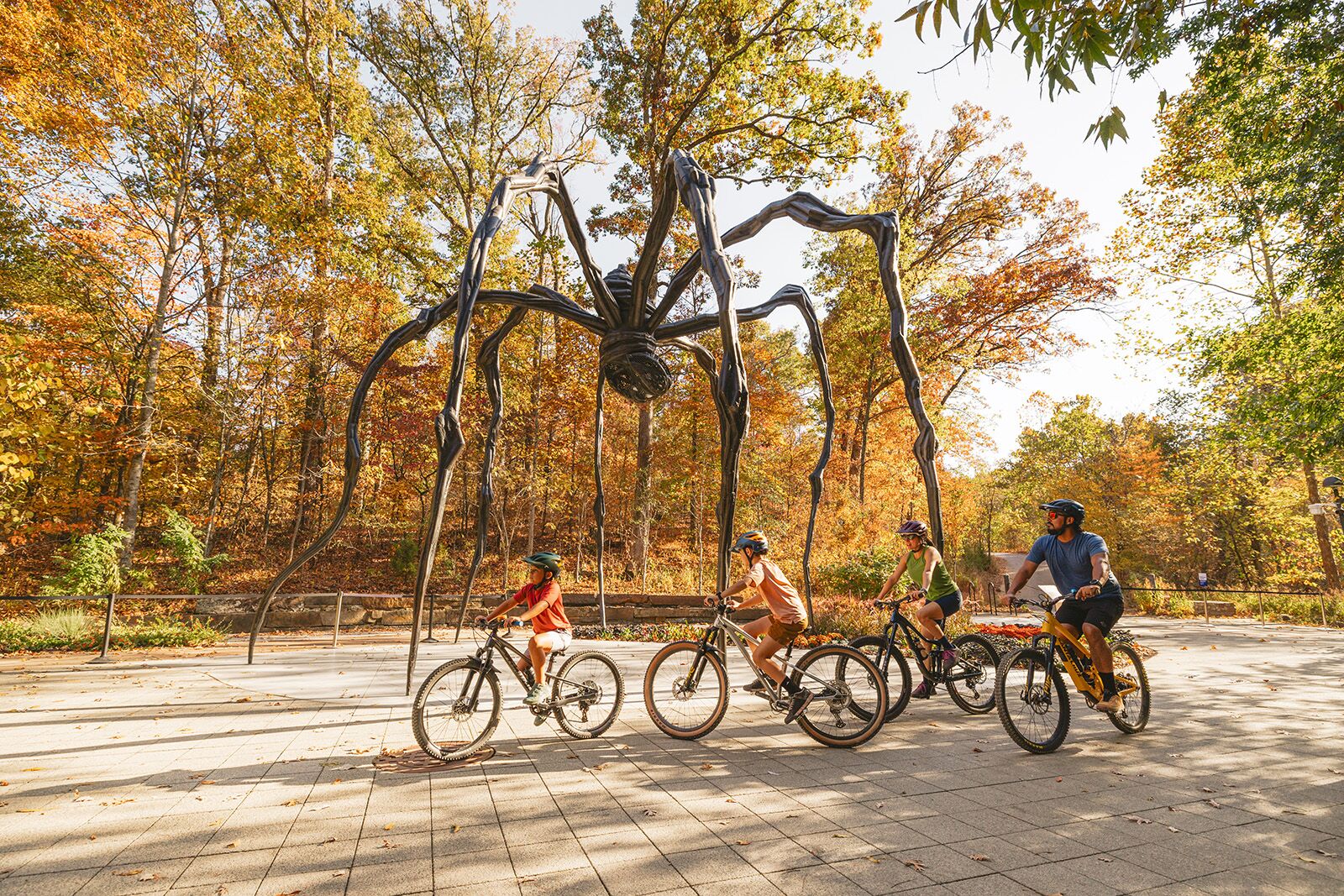
The "Bentonville Model" relies on an impressive density of amenities. The city boasts 80 miles of city trails that connect seamlessly to a massive network of over 500 miles of mountain bike trails winding through the regional bluffs and hollers. This isn’t just for recreation; it is the backbone of the local economy and culture.
The OZ Trails Bike Park, a 200-acre facility, represents the pinnacle of this infrastructure. With over 30 trails and a ski-style chairlift, it caters to everyone from Olympic-level athletes to children on their first two-wheelers.
Cultural data is equally compelling. Crystal Bridges Museum, which offers free general admission, has become a powerhouse of American art, housing works by Asher B. Durand, Gilbert Stuart, and Georgia O’Keeffe. The museum’s recent expansion and its focus on AI-driven art installations, such as those by Refik Anadol, demonstrate that the region is looking toward the future of global contemporary art as much as it is honoring the American past.
The food scene has evolved in tandem. Chef Matthew Cooper’s recognition as a perennial James Beard Award finalist—alongside peers like Rafael Rios of Yeyo’s El Alma de Mexico—has moved the needle from "regional comfort food" to "nationally recognized culinary excellence."
Official Perspectives and the Vision for the Future
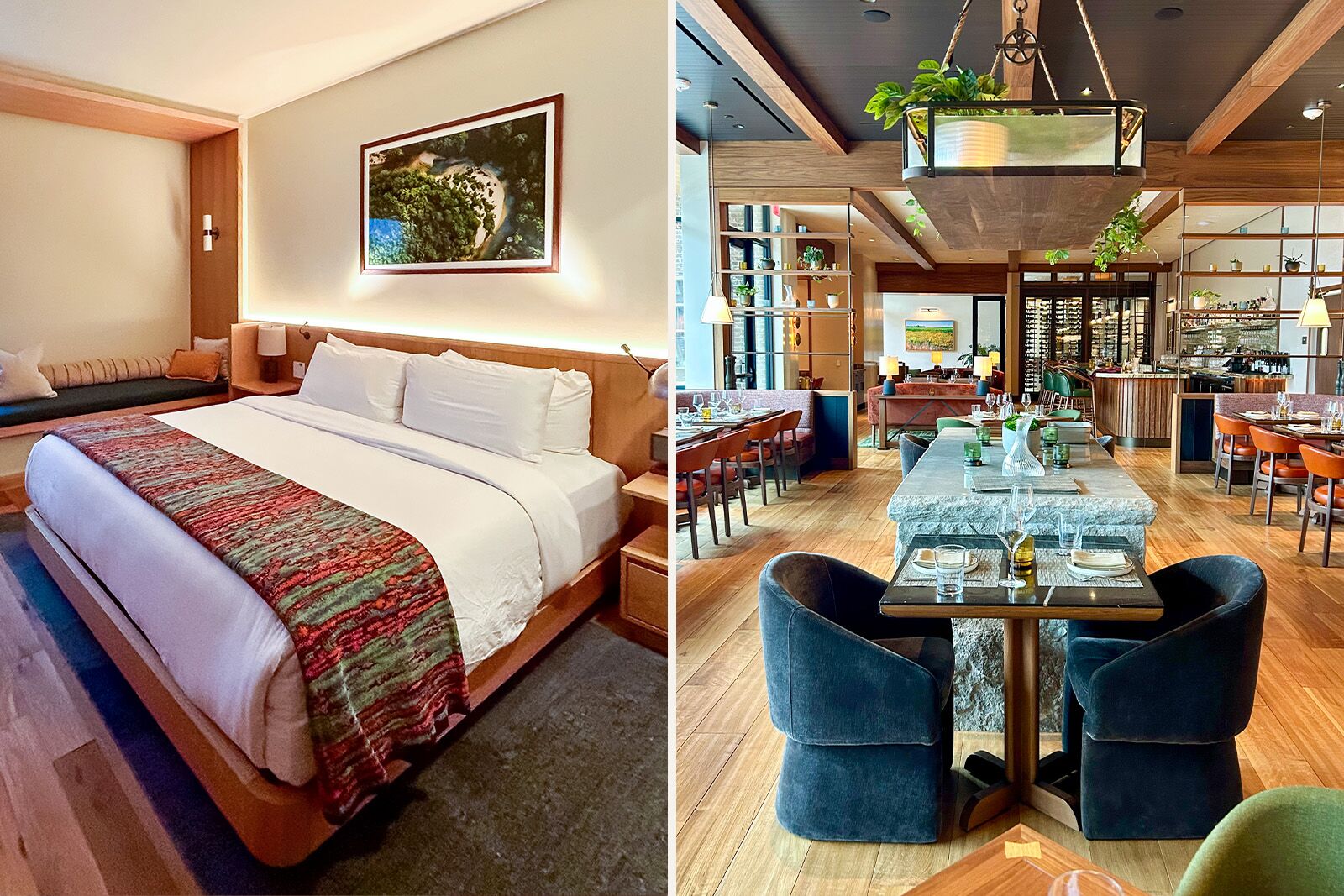
Local leaders and curators view the region’s growth as a delicate balance. The design of The Compton Hotel is a prime example of this philosophy. By incorporating native stone and a lobby sculpture featuring hundreds of hand-picked, seed-by-seed dandelion heads, the hotel forces guests to confront the "fragile future" of our ecosystems.
"The art reinforces life’s dependency on light and the delicate nature of our world," says one local project lead. This sentiment echoes through the halls of Crystal Bridges as well, where architect Moshe Safdie intentionally designed the museum’s glass-and-wood pavilions to integrate into the surrounding forest, rather than forcing the forest to accommodate the building.
The expansion of the museum is not merely about square footage; it is about civic participation. Through initiatives like "America 250: Common Threads," the institution is actively engaging with the history of the United States, utilizing documents, quilts, and artifacts to facilitate a conversation about what it means to be an American citizen in the 21st century.
Implications: The "Bentonville Effect"
What are the long-term implications of this rapid, curated development?
First, Northwest Arkansas provides a blueprint for "responsible regionalism." By using the threat of industrialization (the original dam project) as a rallying cry, the region developed a collective identity built on environmental protection. This culture of stewardship has moved beyond the riverbank and into the urban planning of Bentonville. When you walk the streets, you notice a lack of litter and a high level of maintenance that suggests a deep, localized pride.
Second, the region serves as a test case for how mid-sized American cities can attract top-tier talent. By prioritizing quality of life—specifically through world-class cycling, accessible art, and a sophisticated farm-to-table food scene—Bentonville has managed to cultivate a "brain gain" migration, drawing young professionals and creatives away from the hyper-expensive coastal hubs.
Finally, the success of the region poses a challenge to the rest of the country: Can we have growth without compromising the environment? The Buffalo National River remains the heartbeat of the region, and as long as the rivers flow freely and the trails are maintained, the "Ozark Renaissance" seems built on a foundation that can sustain itself.
Planning Your Visit: Essential Details
For those looking to experience this blend of wilderness and refinement, the logistics are increasingly accessible.
- Getting There: Northwest Arkansas National Airport (XNA) offers nonstop service to over 20 major U.S. cities, making Bentonville a surprisingly easy flight for most travelers.
- The Wilderness: While Bentonville is walkable, a rental car is essential for exploring the deeper reaches of the Ozarks. For the Buffalo River, booking a guided float with an organization like 37 North Expeditions is highly recommended; they handle the transportation and logistics, allowing you to focus on the water.
- Where to Stay: The Compton Hotel is the current standard-bearer for luxury, offering a unique "Cycling Concierge" service that provides bike valet and storage for those who want to tackle the local trails.
- Where to Eat: The culinary scene is diverse. For a high-end, seasonal experience, visit Chef Matthew Cooper’s Conifer or his tasting-menu concept, Ryn. For authentic, world-class Mexican cuisine, Yeyo’s El Alma de Mexico remains a cornerstone of the Bentonville food scene.
As you sit in the lobby of The Compton, looking up at the dandelion light sculpture, or finish a day of mountain biking at the OZ Trails Bike Park, you realize that Northwest Arkansas is no longer a "flyover" destination. It is a destination that demands you land, stay a while, and observe how the future of the American landscape is being written—one river, one trail, and one masterpiece at a time.
 Nana Wu
  Jia Lissa
  Evan Lee Salim