
 By Lina Irawan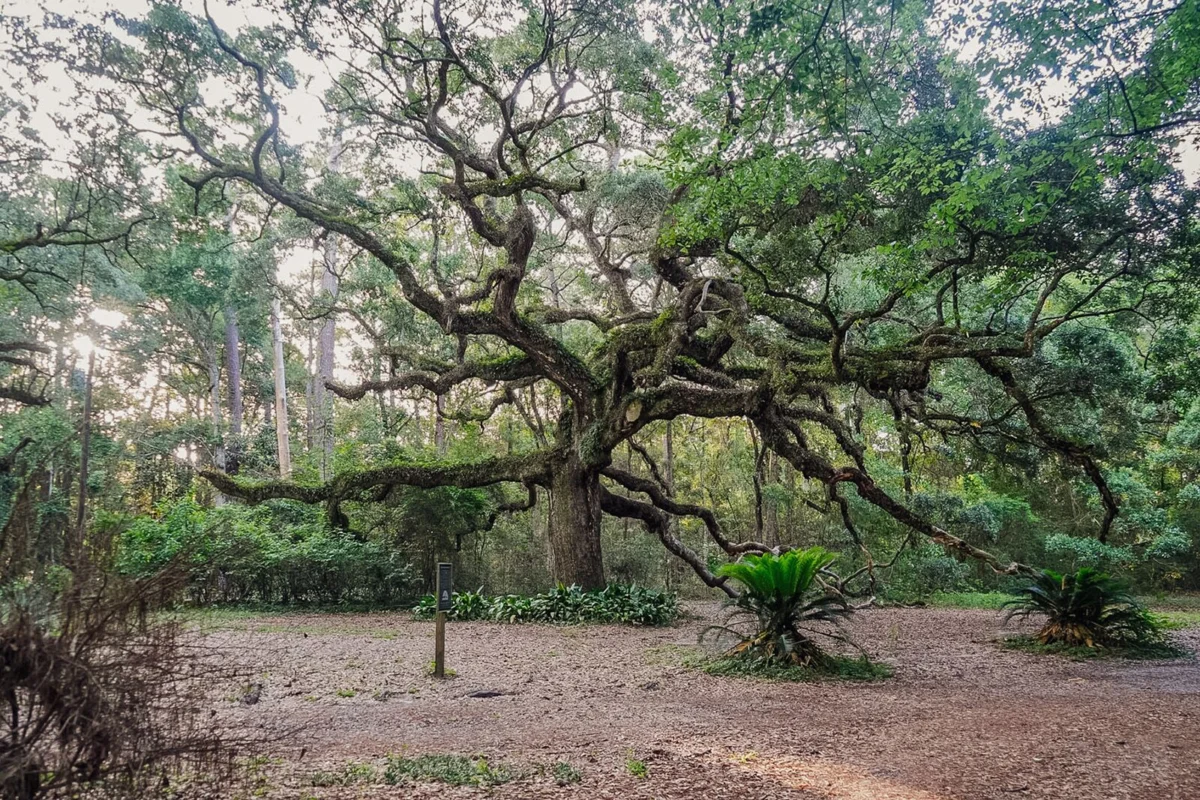
The Mississippi Gulf Coast is often overshadowed by its more commercialized neighbors, yet for the observant traveler, it offers a rare, quiet communion with nature. Beyond the bright lights of the casinos and the bustle of the beach resorts lies a complex ecosystem of pine savannas, freshwater marshes, and winding bayous. This region, anchored by the artistic soul of Ocean Springs and the raw, rhythmic pulse of the Pascagoula River, provides a profound look at Southern conservation and heritage.
This guide chronicles a three-day journey through the heart of the Mississippi Coast, exploring how the legacy of local icons—like the painter Walter Anderson—intertwines with the ongoing efforts to protect the region’s unique avian and aquatic wildlife.
Main Facts: The Ecology and Culture of the Coast
The Mississippi Gulf Coast is defined by a delicate balance between maritime history and environmental stewardship. The area is home to the Pascagoula River, the largest free-flowing river system in the contiguous United States, which serves as a vital artery for local biodiversity.
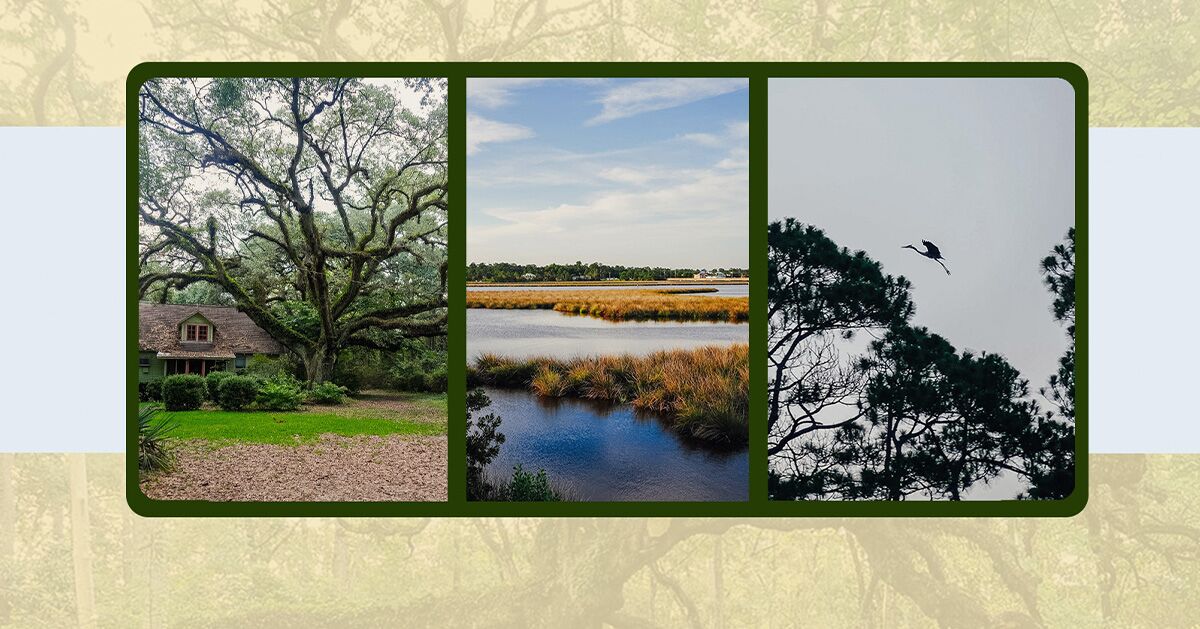
- Geographic Focus: Ocean Springs, Moss Point, and Pascagoula.
- Key Habitats: Pine savannas, estuarine research reserves, and ancient oak preserves.
- Wildlife Highlights: Great blue herons, Mississippi sandhill cranes, bald eagles, and ospreys.
- Transportation: Access is best facilitated via the Gulfport-Biloxi International Airport (GPT), approximately 30 minutes from the heart of Ocean Springs. Rental cars are essential for navigating the sprawling, nature-focused topography of the region.
Chronology: A Three-Day Itinerary of Discovery
Day 1: The Artistic Pulse and the Estuary
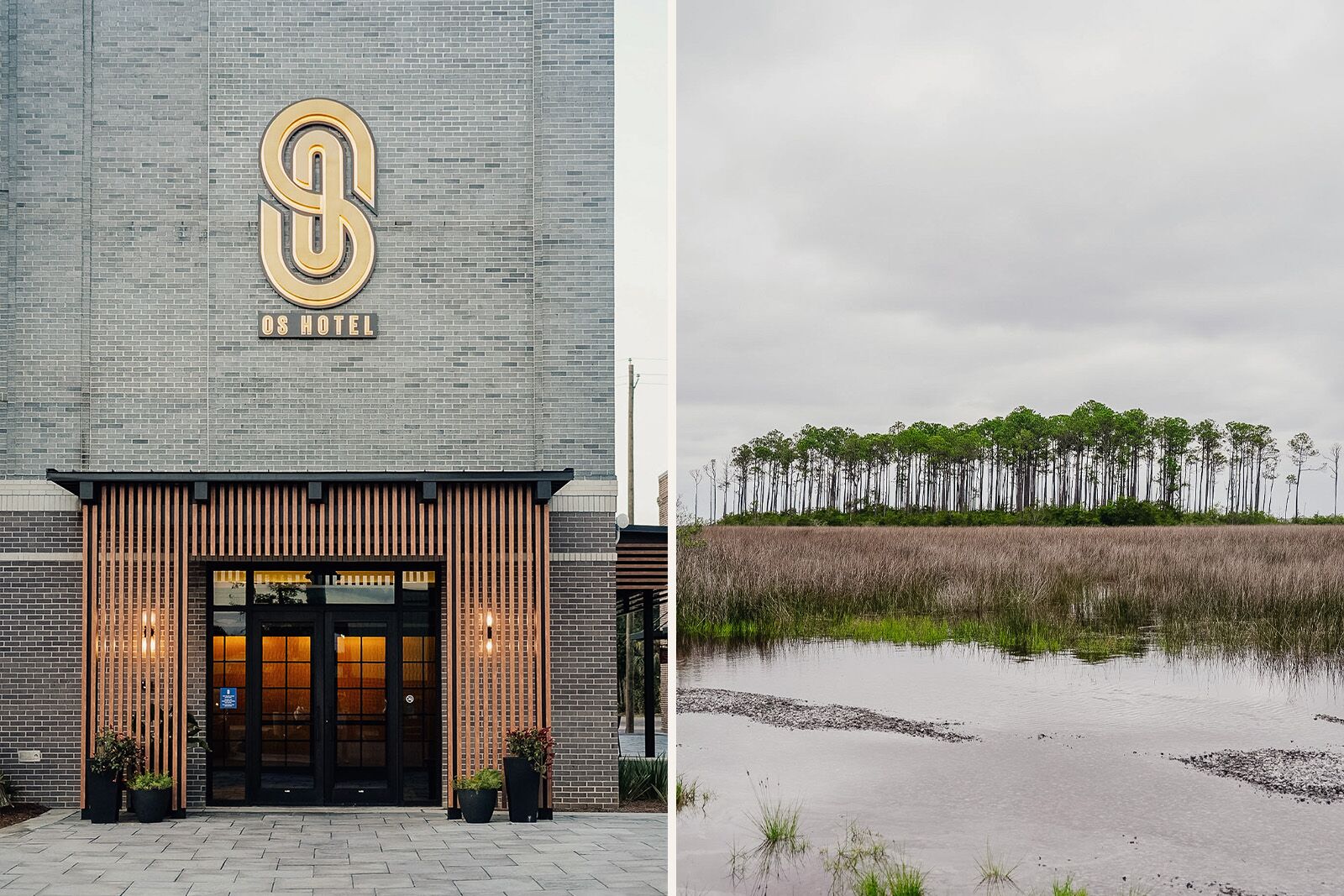
The journey begins in Ocean Springs, a town that wears its creativity on its sleeve. Checking into the OS Hotel provides the perfect base, offering immediate access to the Walter Anderson Museum of Art. Anderson’s murals, which grace the walls of the local community center, serve as a testament to the region’s enduring artistic spirit. Breakfast at The Traveler, the museum’s on-site cafe, offers a quiet start before venturing toward the town’s local favorites: Cat Island Coffeehouse, the legendary Tatonut Donut Shop—famed for its unique potato flour-based pastries—and the eclectic Pass Books.
By midday, the focus shifts from culture to conservation. A short drive to Moss Point leads to the Grand Bay National Estuarine Research Reserve (NERR). Unlike traditional parks, NERR is a living laboratory where research and public education intersect. Visitors can traverse boardwalks through pine savannas or launch a kayak to explore the freshwater marshes. A visit to the interpretive center is essential, offering insights into the local flora and fauna, including the specialized caterpillars that inhabit the reserve.
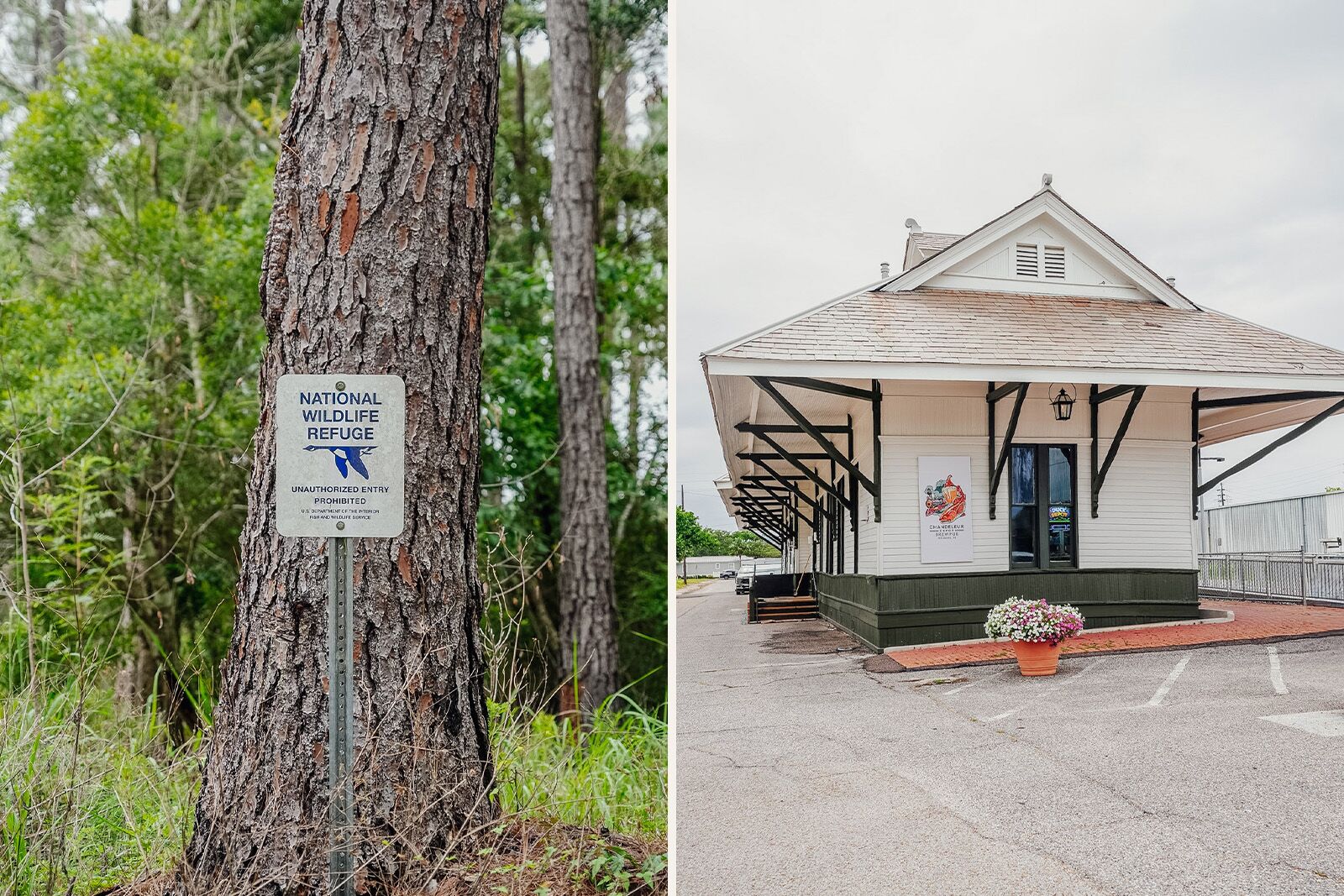
The day concludes in Pascagoula. Whether grabbing a picnic for Riverfront Park or dining at the Chandeleur Depot Brewpub—housed in a beautifully restored train station—the town’s connection to the water is palpable. Dinner back in Ocean Springs at Maringouin, located at The Roost, provides a perfect capstone. Chef Lauren Joffrion’s menu, which includes local shrimp, clams, and redfish, bridges the gap between Gulf-to-table freshness and sophisticated, international culinary techniques.
Day 2: Avian Wonders and the Singing River
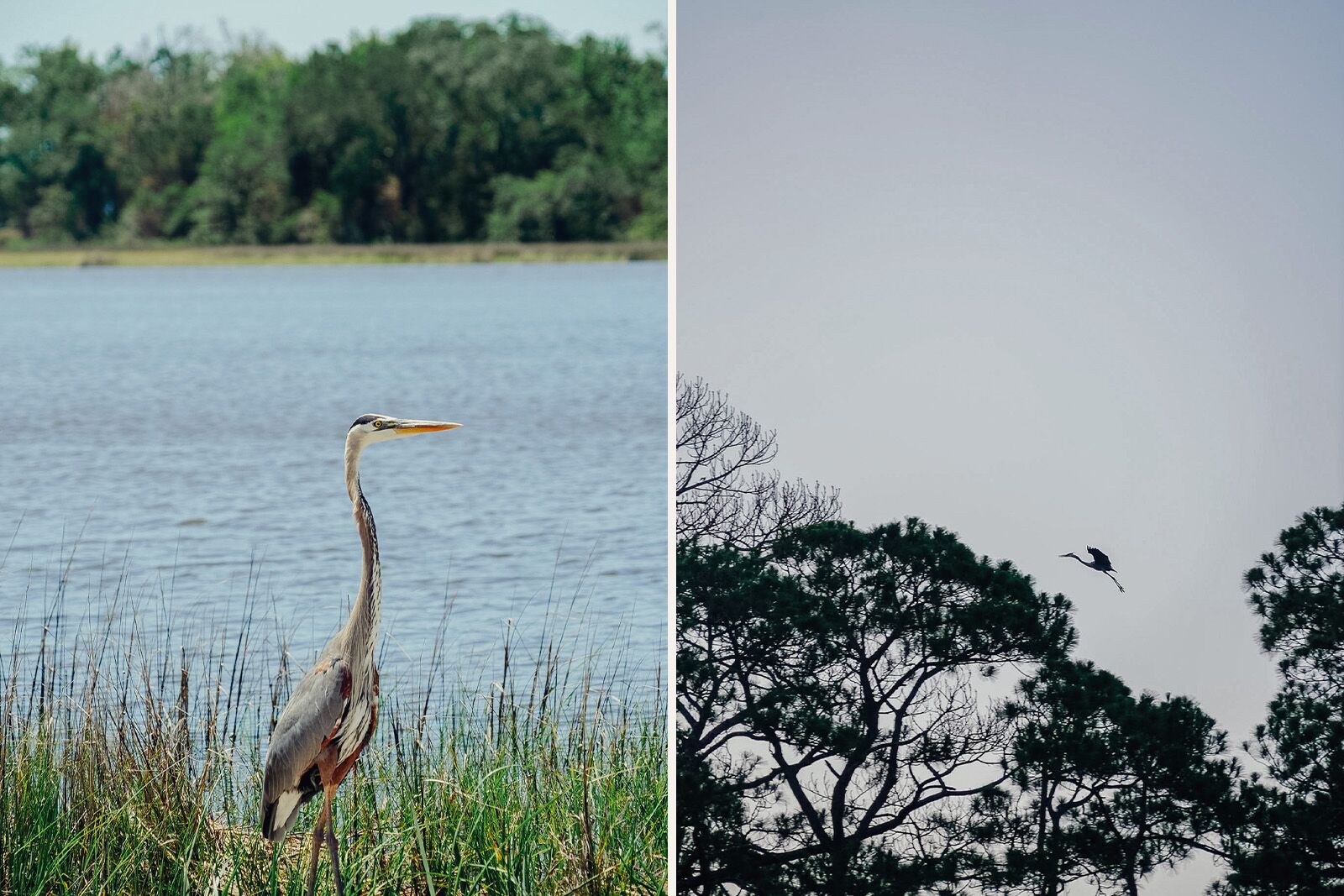
The second day demands an early start. At dawn, Harbor Road becomes a theater of nature. The pine trees overlooking the shrimp and oyster boats serve as a nesting ground for great blue herons. Watching these birds dance in the canopy provides a fleeting, timeless connection to the landscape.
Following a morning matcha and biscuit at The Traveler, the itinerary turns to the Mississippi Sandhill Crane National Wildlife Refuge. The plight of the sandhill crane is a success story of modern conservation. Once reduced to a population of only 30 birds, the refuge has nurtured the population to roughly 200, with 90 percent of current residents having been captive-reared.
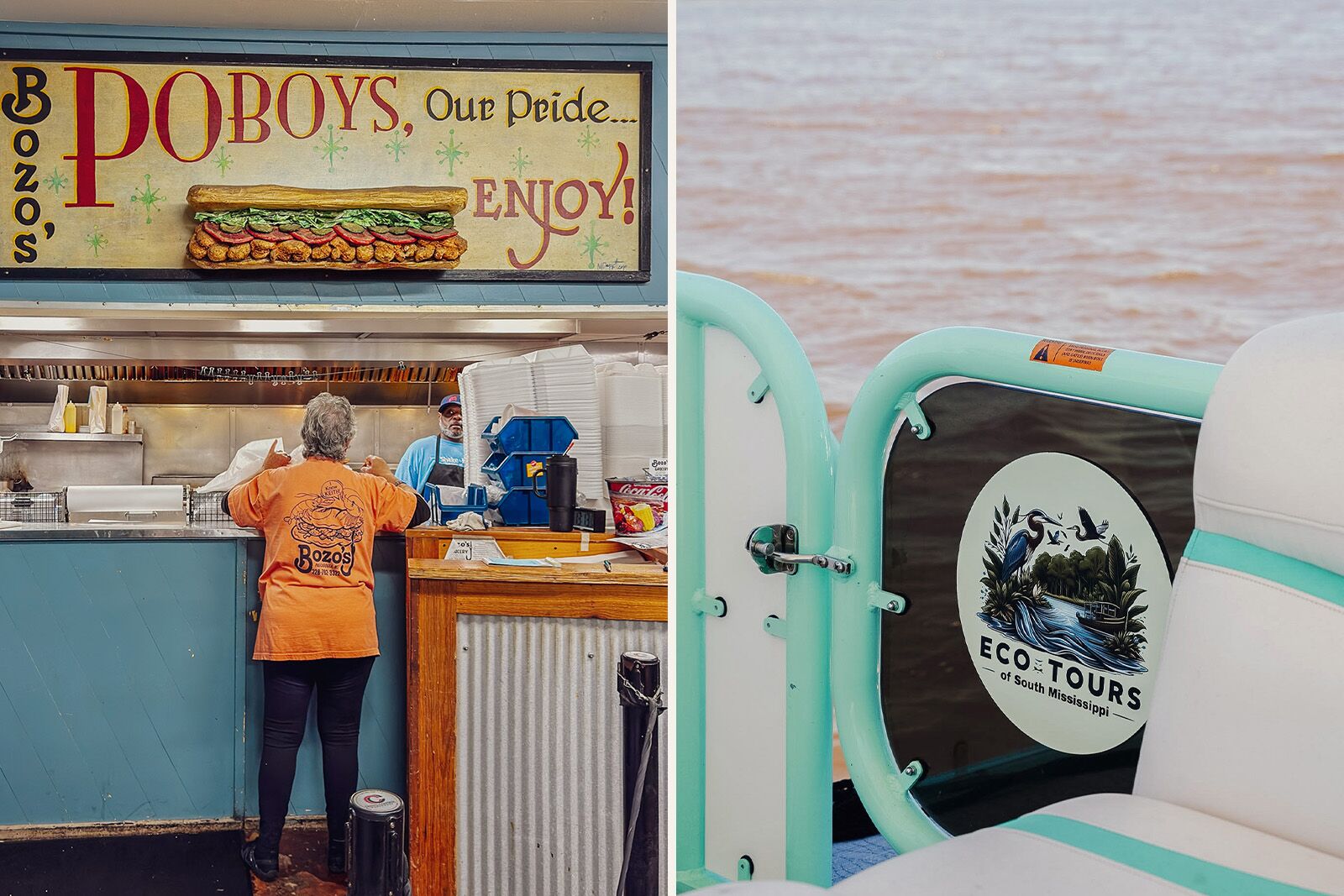
Lunch at Bozo’s Seafood Market offers a quintessential local experience—a Gulf shrimp po’boy enjoyed at the counter of the original market. With energy restored, the afternoon is dedicated to the Pascagoula River. Eco Tours of South Mississippi, led by Captain Kendall Smith, provides a two-hour excursion through the bayous. Known as the "Singing River" by the indigenous Pascagoula people, the waterway is best navigated by tritoon boat, which allows for a smooth, unobtrusive observation of the swamp’s vibrant life.
Day 3: The Ancient Oaks and Reflection
The final morning is a slow, meditative affair. A stop at Cat Island Coffee House precedes a visit to the Twelve Oaks Nature Preserve. This three-acre sanctuary houses 400-year-old live oaks, including "Charity" and "Faith," trees that have witnessed centuries of change. The gentle trail offers a moment of silence to reflect on the landscape that inspired generations of artists and naturalists alike.
Supporting Data: The Importance of Conservation
The Mississippi Coast is not merely a tourist destination; it is a critical corridor for migratory birds and a testing ground for climate resilience. Data from the Grand Bay NERR indicates that these protected areas are essential for water quality filtration and storm surge mitigation.
The recovery of the Mississippi sandhill crane is widely cited in ornithological circles as a model for "species recovery through habitat management." By focusing on the restoration of pine savannas, the refuge has created a self-sustaining environment that benefits not only the cranes but also endangered plant species like the pale pitcher plant, which requires the specific, fire-maintained soil conditions found within the preserve.
Official Responses and Perspectives
Environmentalists and local tourism boards emphasize that the "Slow Tourism" model is vital for the region. According to local advocates, the preservation of sites like the Pascagoula River Audubon Center is about more than just birdwatching—it is about economic sustainability.
"When we protect the bayous, we protect the character of the Mississippi Coast," says one local conservationist. "The visitors who come here are not looking for high-rise condos; they are looking for the quiet, honest beauty of the South. That is an asset that, if preserved, will yield dividends for the next century."
The artistic community in Ocean Springs echoed this, noting that the influence of Walter Anderson remains the region’s greatest cultural export. By encouraging visitors to walk the trails he once walked, the town fosters a deeper appreciation for the environment that serves as the foundation for their local art.
Implications: The Future of the Mississippi Coast
The primary implication for the region is the need for continued, strict land-use policies. As interest in the Mississippi Gulf Coast grows, the challenge will be to manage development so that it does not infringe upon the very natural resources that draw visitors.
For the prospective traveler, the implication is clear: the Mississippi Coast is a destination for the intentional. It is not a place for those looking to be passively entertained, but rather for those who seek to engage with the natural world. The reliance on private transportation—specifically the need for a rental car—underscores the region’s dispersed nature. However, this lack of centralization is precisely what keeps these gems hidden from the masses.
As climate change continues to impact coastal ecosystems, the Mississippi Coast stands at a crossroads. The investments made today in the Grand Bay NERR and the Audubon Center will determine whether this stretch of the Gulf remains a vibrant, singing wilderness or becomes another paved-over stretch of coastline. For now, the herons still roost, the sandhill cranes still walk the savannas, and the oaks continue to grow, offering a peaceful sanctuary to anyone willing to look beneath the surface of this historic and ecologically rich corner of the American South.
 Nana Wu
  Jia Lissa
  Evan Lee Salim