
 By Iffa Jayyana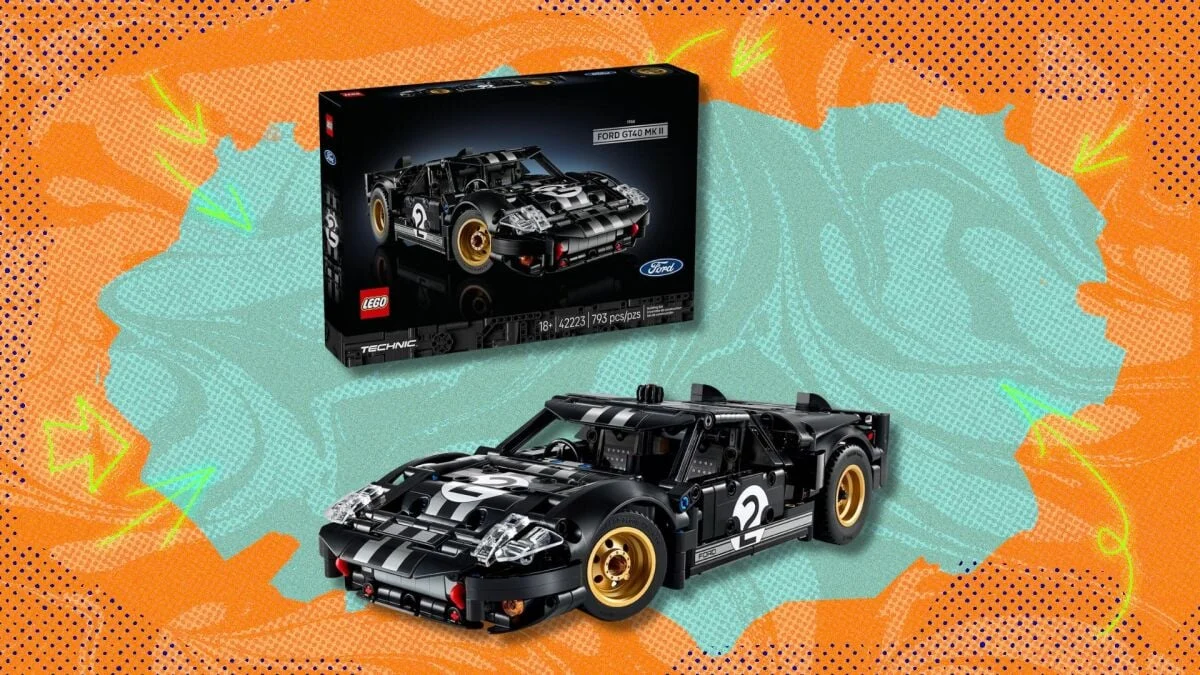
Introduction
In the highly competitive world of online retail, timing is everything. On July 8, e-commerce giant Amazon quieted the market with an unprecedented discount on one of Lego’s most celebrated automotive replicas: the Lego Technic 1966 Ford GT40 MKII Race Car. Dropping to a record-low price of $59.99—down from its standard retail price of $74.99—this 20% markdown represents a significant opportunity for both seasoned collectors and casual hobbyists.
Beyond a simple discount, this price adjustment highlights the shifting dynamics of the modern toy industry. The traditional boundary between children’s playthings and high-end adult collectibles has increasingly blurred. Today, products like the Lego Technic line serve as both educational engineering tools and sophisticated display pieces for adult fans of Lego (AFOLs). This article explores the details of this specific deal, the rich history of the vehicle that inspired it, the economics of the adult toy market, and the implications of dynamic pricing in the e-commerce sector.
Main Facts: The Anatomy of a Record-Breaking Discount
The Lego Technic 1966 Ford GT40 MKII (Set Model) has officially reached its lowest-ever price point since its market debut. Priced at $59.99 on Amazon, the $15.00 discount represents a clean 20% off the manufacturer’s suggested retail price (MSRP) of $74.99. According to historical pricing data compiled by tracking platforms like CamelCamelCamel, the set has never previously dipped below this threshold, making the July 8 listing a milestone for value-seeking consumers.
+-------------------------------------------------------------+
|                      DEAL SUMMARY                           |
+----------------------------+--------------------------------+
| Product Name               | Lego Technic 1966 Ford GT40    |
|                            | MKII Race Car                  |
+----------------------------+--------------------------------+
| Manufacturer MSRP          | $74.99                         |
+----------------------------+--------------------------------+
| July 8 Amazon Sale Price   | $59.99                         |
+----------------------------+--------------------------------+
| Net Savings / Discount %   | $15.00 / 20% Off               |
+----------------------------+--------------------------------+
| Piece Count                | 793 Pieces                     |
+----------------------------+--------------------------------+
| Age Recommendation         | 18+ (Adult Portfolio)          |
+----------------------------+--------------------------------+
Technical Specifications and Interactive Features
The 793-piece set is designed as a mid-tier Technic build, offering a balance between complexity and accessibility. Key interactive features of the brick-built race car include:
- Steering Mechanism: A functional steering system operated via a discreet "Hand of God" knob positioned on top of the vehicle, allowing builders to control the front wheels.
- Articulated Elements: Opening doors and an openable front hood that reveal the interior design and structural layout.
- Engine Realism: A liftable rear engine cover that exposes a detailed replica of the famous Ford V8 engine, complete with moving pistons that demonstrate fundamental mechanical principles.
- Display Value: Designed with a striking livery that pays homage to the original 1966 racing aesthetic, optimized for shelf display rather than rugged play.
Chronology: From the Mulsanne Straight to the Assembly Line
To understand the appeal of this Lego Technic set, one must trace its dual history: the legendary origins of the real-world race car in 1966 and the development of Lego’s modern adult-focused marketing strategy.
  1966: Ford GT40 MKII achieves historic 1-2-3 finish at Le Mans
   │
   ├──> 1977: Lego introduces the "Technical Sets" line (later Technic)
   │
   ├──> 2020: Lego formally launches the "18+" adult-focused packaging initiative
   │
   ├──> Early 2024: Lego Technic 1966 Ford GT40 MKII is released at $74.99 MSRP
   │
   └──> July 8, 2024: Amazon reduces the set to its lowest-ever price of $59.99
1966: The Triumph at Le Mans
The story of the Ford GT40 is one of the most famous chapters in automotive history. Prompted by a failed buyout bid of Ferrari by Henry Ford II, Ford set out to defeat the Italian automaker on the world’s most prestigious endurance stage: the 24 Hours of Le Mans.
In June 1966, the Ford GT40 MKII, powered by a massive 7.0-liter V8 engine, achieved a historic 1-2-3 sweep at Le Mans, ending Ferrari’s five-year winning streak. The black #2 car, driven by Bruce McLaren and Chris Amon, took the top spot, cementing the GT40 as an icon of American engineering and racing dominance.
The Evolution of Lego Technic (1977–Present)
Lego introduced "Technical Sets" in 1977 to appeal to older children interested in real-world mechanics. Characterized by beams, gears, axles, and pins rather than traditional studded bricks, the line was renamed "Technic" in 1982.
Over the decades, Lego Technic evolved from simple chassis models to highly complex, officially licensed supercars. Partnerships with manufacturers like Porsche, Bugatti, Ferrari, and Ford have allowed Lego to recreate iconic vehicles with incredible mechanical accuracy, establishing a dedicated collector base.
The Pricing Lifecycle of the GT40 Set
Upon its release, the 1966 Ford GT40 MKII was positioned as an accessible entry point to the licensed Technic vehicle line, priced at $74.99. Unlike the massive 1:8 scale supercar sets that retail for upwards of $400, this 793-piece model offered a more affordable option for budget-conscious fans.
Following months of price stability, the July 8 price drop to $59.99 marked a strategic move by Amazon, likely timed to capture consumer interest ahead of major mid-summer shopping events.
Supporting Data: The Rise of the ‘Kidult’ and Dynamic Pricing Algorithms
The timing and depth of this discount are tied to broader retail trends, specifically the rise of adult toy buyers and the algorithms that drive e-commerce pricing.
The Economic Impact of the ‘Kidult’ Market
According to data from the Toy Association and market research firm Circana (formerly NPD Group), the "kidult" demographic—consumers aged 18 and older who purchase toys, games, and collectibles for themselves—has become the fastest-growing segment in the toy industry.
- Market Share: Adult consumers now account for over 15% of total toy industry sales, representing billions of dollars annually.
- Lego’s Strategic Shift: In response to this trend, Lego launched its "Adults Welcome" campaign in 2020, standardizing its adult-targeted sets under the "18+" banner with minimalist black packaging and sophisticated display-oriented designs.
- Higher Margins: Licensed products like the Ford GT40 appeal to these older consumers, who possess higher disposable income and are less price-sensitive than parents buying toys for children.
U.S. Toy Industry Sales Share by Age Group (Estimates)
┌───────────────────────────────────────────────┐
│ Children (Ages 0-17)                    85%   │
├───────────────────────────────┬───────────────┤
│ Adults / "Kidults" (18+)      │ 15%           │
└───────────────────────────────┴───────────────┘
*Source: Industry estimates reflecting the growing market share of adult buyers.
E-Commerce Mechanics and Price Optimization
Amazon’s decision to drop the price of the Lego Technic GT40 to $59.99 is a classic example of algorithmic dynamic pricing. Online retailers use automated systems to scan competitor prices, monitor inventory levels, and track historical consumer demand.
- Pre-Prime Day Strategy: Major summer sales events often prompt retailers to run early discounts on popular items to capture early traffic.
- Loss Leader Strategy: Popular licensed products are sometimes discounted close to wholesale cost to draw shoppers to the platform, where they may make additional, higher-margin purchases.
- The Power of "Lowest-Ever" Status: Achieving "lowest-ever" status on price trackers like CamelCamelCamel triggers automated alerts for thousands of deal-hunting consumers, driving immediate sales velocity and improving the product’s ranking in search algorithms.
Official Responses and Industry Perspectives
While Lego and Amazon rarely comment on specific day-to-day pricing adjustments, their broader public strategies and statements from industry experts offer valuable context for this deal.
Lego’s Design Philosophy and Brand Partnerships
In past statements regarding licensed Technic vehicles, Lego design leads have emphasized the engineering challenges of translating historic cars into block-based models. Recreating the curved, aerodynamic lines of the 1966 GT40 using Technic’s rigid, structural parts requires creative design work.
A Lego spokesperson previously noted the company’s commitment to capturing the essence of automotive icons:
"Our partnerships with automotive brands like Ford allow us to merge the creative play of Lego with real-world mechanical design. We want builders of all ages to appreciate the engineering that goes into these vehicles."
Retail Analysts on the Summer Toy Market
Retail analysts point out that the summer months have traditionally been a slow period for toy sales, making deep discounts a necessity to clear warehouse space before the fall holiday rush.
"Historically, the third quarter is a transition phase for retailers," says Sarah Jenkins, a senior retail analyst specializing in consumer goods. "By offering deep discounts on high-demand, evergreen products like Lego Technic sets in July, platforms like Amazon can stimulate demand during a quiet season while preparing their inventory systems for the Q4 holiday surge."
Implications: Lego as an Asset Class and the Future of Licensed Collectibles
The $15.00 discount on the Lego Technic 1966 Ford GT40 MKII has broader implications for collectors, the toy industry, and the secondary market.
Lego Sets as Alternative Investments
Over the past decade, financial researchers and collectors alike have recognized Lego sets as a surprisingly resilient alternative asset class. Studies have shown that retired Lego sets can appreciate in value at rates that outpace traditional investments like gold or stocks, particularly those tied to iconic historical IPs or automotive licenses.
Lego Set Lifecycle and Value Projection
┌────────────────────────────────────────────────────────┐
│ 1. Active Retail Phase (Current: Discounted to $59.99)  │
└───────────────────────────┬────────────────────────────┘
                            ▼
┌────────────────────────────────────────────────────────┐
│ 2. Retirement Phase (Production ceases permanently)    │
└───────────────────────────┬────────────────────────────┘
                            ▼
┌────────────────────────────────────────────────────────┐
│ 3. Secondary Market Phase (Scarcity drives appreciation)│
└────────────────────────────────────────────────────────┘
For the 1966 Ford GT40 MKII, purchasing the set at a historic low of $59.99 lowers the entry cost for collectors looking to hold the set sealed. Once Lego officially retires the model, its connection to Le Mans history makes it highly likely to appreciate on secondary markets like BrickLink or eBay.
Shifting Competitive Dynamics in the Toy Sector
The popularity of high-fidelity, licensed models like the Technic GT40 signals a shift away from traditional die-cast models. Brands like Lego are capturing market share from legacy model-kit manufacturers by offering an interactive building experience combined with a highly detailed final display piece.
This trend forces competitors to adapt by offering their own building systems or securing exclusive licenses with historic automotive brands. For consumers, this competition is a win, driving higher-quality designs and more competitive pricing across the industry.
Conclusion
The reduction of the Lego Technic 1966 Ford GT40 MKII to $59.99 on Amazon is more than just a standard summer deal. It is a reflection of a changing toy market where historic automotive design, advanced engineering, and smart e-commerce strategies come together.
For car enthusiasts and Lego collectors, this record-low price offers a great opportunity to own a piece of racing history in brick form. As the lines between toys and collectibles continue to blur, deals like this highlight the enduring appeal of hands-on building in an increasingly digital world.
 Raul Delapena Setiawan
  Ali Ikhwan
  Evan Lee Salim