
 By Ammar Sabilarrohman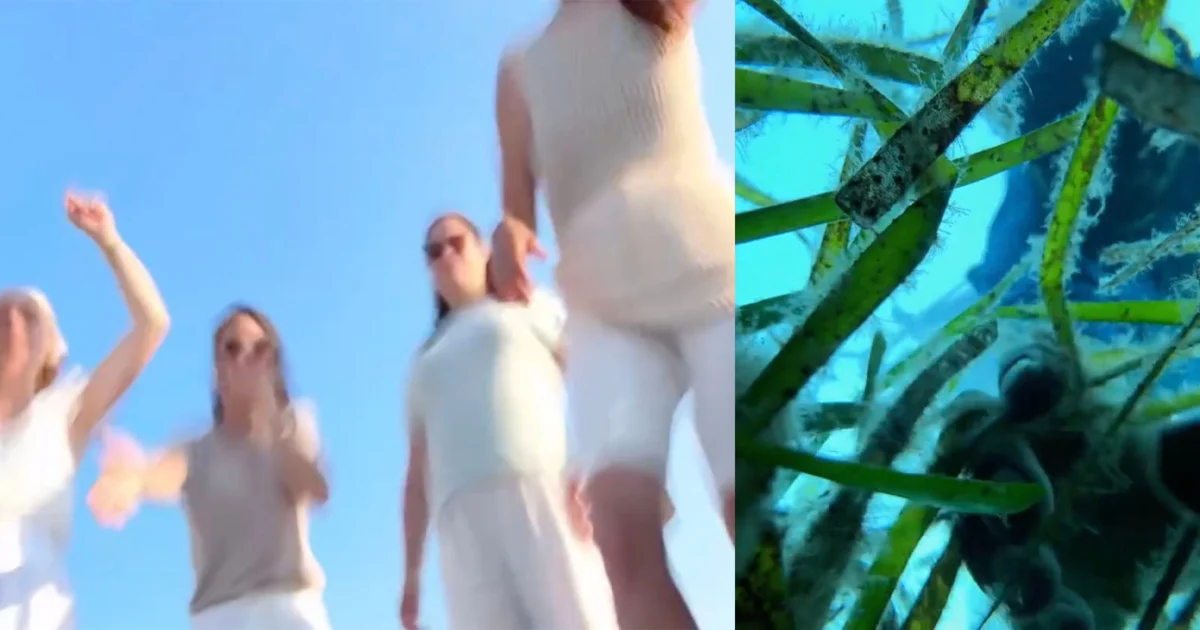
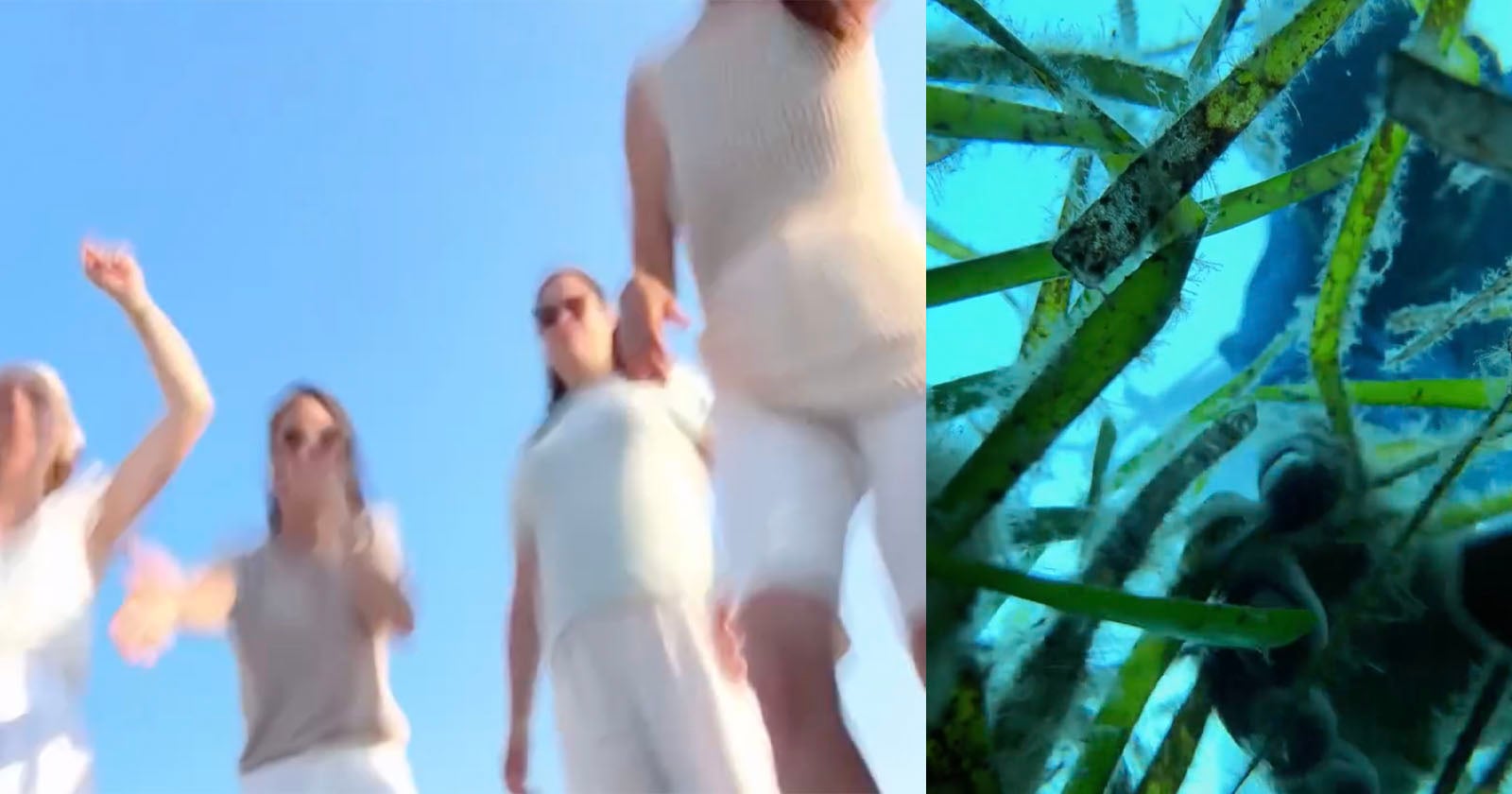
In an era where consumer electronics are often viewed as delicate, fragile marvels of engineering, a recent incident off the coast of Athens has reignited the debate surrounding device durability. Liel Farhat, a tourist vacationing in Greece, inadvertently created a viral marketing phenomenon for Apple when her iPhone 16 Pro plummeted into the Aegean Sea, remained submerged for 11 minutes, and emerged not only functional but having captured high-definition footage of its own underwater descent.
This event, which has garnered over 13.5 million views on Instagram, serves as a compelling case study on the real-world performance of modern smartphone ingress protection. While Apple’s official documentation remains conservative, the anecdotal evidence provided by Farhat’s experience suggests that the threshold for "water-resistant" technology may be broader than manufacturers care to admit.
The Chronology of an Accidental Dive
The incident occurred during a leisure sailing trip near Athens. According to Farhat, the day had been peaceful, with the group stopping at a picturesque beach to enjoy the crystal-clear Mediterranean waters.
"We were on a trip with friends in Athens, and while sailing, we stopped by the beach to jump into the water," Farhat told the Israeli news outlet Mako. "I put down my phone to take a picture; it slipped into a net on the yacht, and from there it fell into the water."
What followed was a frantic search mission. As the device slipped beneath the surface, it descended to a depth of approximately four meters (roughly 13 feet). Initially, the ship’s skipper was unwilling to dive for the device, deeming the recovery effort futile. Farhat admitted that she had resigned herself to the loss of her handset and the data contained within.
However, a member of her party—a friend’s husband who possessed diving experience dating back two decades—volunteered for the recovery. The mission was unexpectedly aided by the phone itself: as the device settled on the seabed, its camera remained active, and the glow of its display and the active recording light acted as a beacon in the murky, seagrass-heavy depths. The diver successfully retrieved the device after 11 minutes of continuous submersion. Upon returning the phone to the surface, the group was shocked to find it fully operational.
Understanding the Technology: IP68 Ratings Explained
To understand why this survival story is so significant, one must look at the technical specifications of the iPhone 16 Pro. Apple rates the device with an IP68 Ingress Protection rating.
In technical terms, the "6" indicates that the device is completely sealed against dust and particulate matter. The "8" is the critical component here: it denotes protection against the effects of immersion in water. Apple’s official claim is that the iPhone 16 Pro can withstand submersion in up to 1.5 meters of freshwater for a duration of 30 minutes.
The Seawater Factor
The crux of the miracle lies in the chemical composition of the environment. The IP68 rating is specifically tested in controlled, freshwater conditions. Seawater is significantly more corrosive due to its high salt content and mineral composition. When salt water enters the crevices of a device, it can cause rapid oxidation of internal components and lead to short circuits even after the device has been dried.
Farhat’s device exceeded the certified depth (four meters versus the certified 1.5 meters) and was subjected to the harsh, conductive environment of the Aegean Sea. That it survived without immediate corrosion or internal failure is a testament to the rigorous sealing techniques employed by Apple’s manufacturing processes, specifically the use of high-grade gaskets and adhesives.
Supporting Data: A History of Unlikely Survival
Farhat’s experience is not an isolated incident, though it is one of the most high-profile instances in recent years. The resilience of the iPhone has been tested in increasingly extreme environments, providing a growing body of anecdotal evidence that suggests modern flagships are built to endure more than their spec sheets imply.
The Alaska Airlines Incident
In early 2024, the world watched in astonishment as an iPhone belonging to a passenger on Alaska Airlines Flight 1282 was recovered from a roadside in Oregon. The phone had been ejected from the fuselage when a door plug blew out at an altitude of 16,000 feet. Despite the terminal velocity fall and the impact with the terrain, the device was recovered by a local teacher, fully functional and still displaying an open email about a baggage claim.
The GoPro Precedent
Photography enthusiasts have long been familiar with the resilience of dedicated action cameras. In 2023, a GoPro dropped into the Florida ocean captured hours of footage before being recovered. While action cameras are built with housing specifically for extreme environments, the fact that a consumer smartphone like the iPhone 16 Pro—a device optimized for slimness and aesthetic appeal rather than ruggedization—can produce similar results is a significant achievement for Apple’s engineering team.
Official Stance and Manufacturer Liability
It is important to note that despite these "miracle" stories, Apple does not include water damage in its standard limited warranty. The company consistently advises users to avoid exposing their devices to water, even if they are rated as IP68.
From a manufacturer’s perspective, this stance is a liability mitigation strategy. While the seals are effective, they are subject to "wear and tear." Every time a device is dropped, sat upon, or subjected to temperature fluctuations, the integrity of the water-resistant adhesive can degrade. Furthermore, the pressure at four meters is significantly higher than at 1.5 meters.
For the average consumer, the lesson should not be that the iPhone is a waterproof camera, but rather that it is built with a high safety factor—a "buffer zone" designed to protect against life’s inevitable accidents.
The Implications of Viral Marketing
The video of the fish "side-eyeing" the camera has become a cultural moment, illustrating the intersection of accidental tech failure and social media engagement. For Apple, this is a form of "earned media" that money cannot buy. Traditional advertisements can demonstrate features, but they cannot replicate the visceral impact of a user’s genuine, panicked, and ultimately successful recovery of their device.
The Future of Durability
As smartphones continue to replace dedicated point-and-shoot cameras for the average consumer, the pressure on manufacturers to increase durability will only mount. If users are going to take their devices on sailing trips, hikes, and swimming excursions, the expectation for "life-proof" hardware is becoming the new baseline.
This incident suggests that the next generation of mobile devices might not focus solely on megapixels or processor speeds, but on the reliability of the hardware in extreme, unplanned scenarios.
Conclusion: A New Standard for Resilience
Liel Farhat’s 11-minute, four-meter dive into the Aegean Sea has inadvertently provided the most compelling advertisement for the iPhone 16 Pro to date. It is a story of serendipity, the strength of modern materials, and the evolving nature of personal technology.
While experts caution against testing the limits of your own device, the footage serves as a reminder of the incredible engineering that goes into the devices we carry in our pockets every day. Whether or not Apple intended for the iPhone 16 Pro to survive a deep-sea excursion, it has proven that in the right conditions, the device is capable of weathering more than just a spilled glass of water. As we move forward, the "unbreakable" nature of these tools will continue to be tested by an adventurous public, and for now, it seems the iPhone is holding its own against the elements.
 Raul Delapena Setiawan
  rifanmuazin