
 By Basiran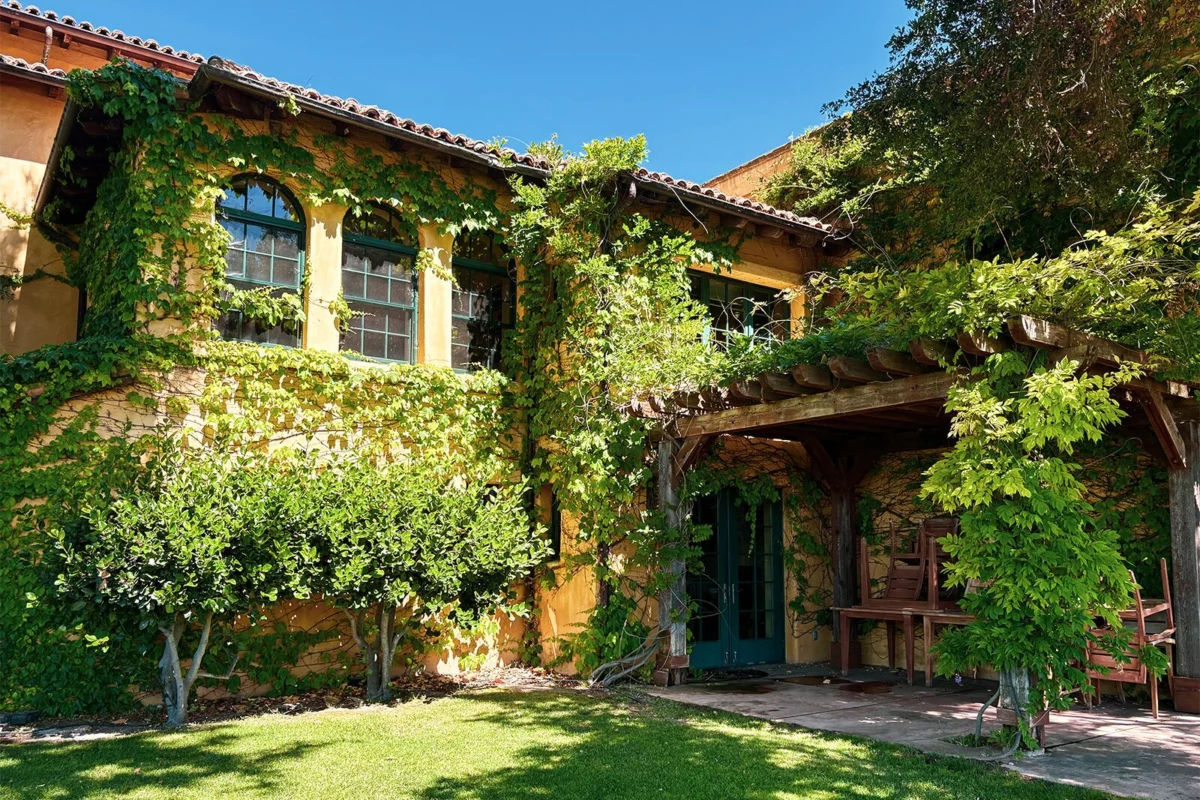
In the rolling foothills of California’s Central Coast, winemakers are redefining the American wine narrative. Far from the rigid, centuries-old protocols that define the prestigious estates of Bordeaux or the established hierarchy of Napa Valley, Santa Barbara Wine Country has earned a reputation as the “Wild West” of American viticulture. It is a landscape where the spirit of the explorer meets the precision of the farmer, and where the lack of convention has become the region’s greatest strength.
For the modern wine professional, Santa Barbara is not merely a destination; it is a masterclass in terroir. The region’s unique geography—defined by its rare east-to-west mountain ranges—creates a cooling funnel for Pacific air that defies standard viticultural logic. Here, innovation is the rule, and the result is a diverse portfolio of wines that are as experimental as they are refined.
The Geography of Innovation: Defining the AVAs
Santa Barbara County is a study in climatic diversity. While many wine regions are defined by north-south mountain corridors, Santa Barbara’s seven official American Viticultural Areas (AVAs) run perpendicular to the coast. This geography allows the frigid currents flowing from the Gulf of Alaska to penetrate deep inland, creating a massive temperature gradient.
The primary AVAs include:
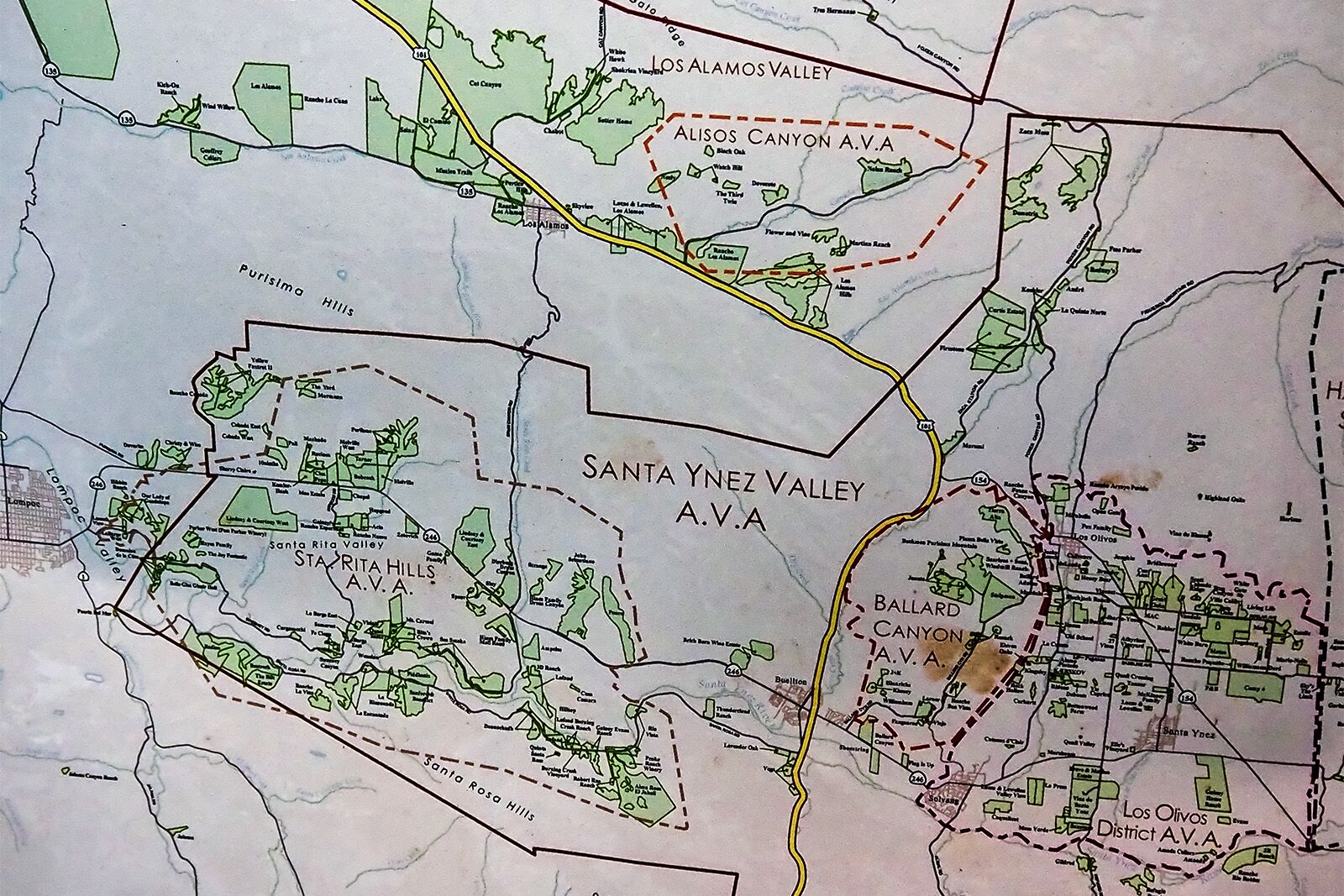
- Santa Maria Valley AVA: California’s second-oldest, known for its alluvial soils and intense cooling influence.
- Sta. Rita Hills AVA: Renowned for its world-class Pinot Noir and Chardonnay, shaped by relentless maritime winds.
- Ballard Canyon, Happy Canyon, Los Olivos District, Santa Ynez Valley, and Alisos Canyon AVAs: Each offers a distinct micro-climate, ranging from cool-climate coastal pockets to warmer interior valleys ideal for Rhone varietals.
This cooling influence extends the ripening season, allowing grapes to develop complex flavor profiles while maintaining the high acidity and refined tannins that are the hallmark of world-class wines.
Chronology of a Three-Day Exploration
Day 1: The Urban Pulse of the Funk Zone
Your journey begins in the city of Santa Barbara, specifically the “Funk Zone.” Once a gritty industrial warehouse district, this area has been transformed into an epicenter of culinary and viticultural expression. The Urban Wine Trail provides a seamless entry point into the county’s offerings, allowing visitors to sample from boutique producers without leaving the city limits.
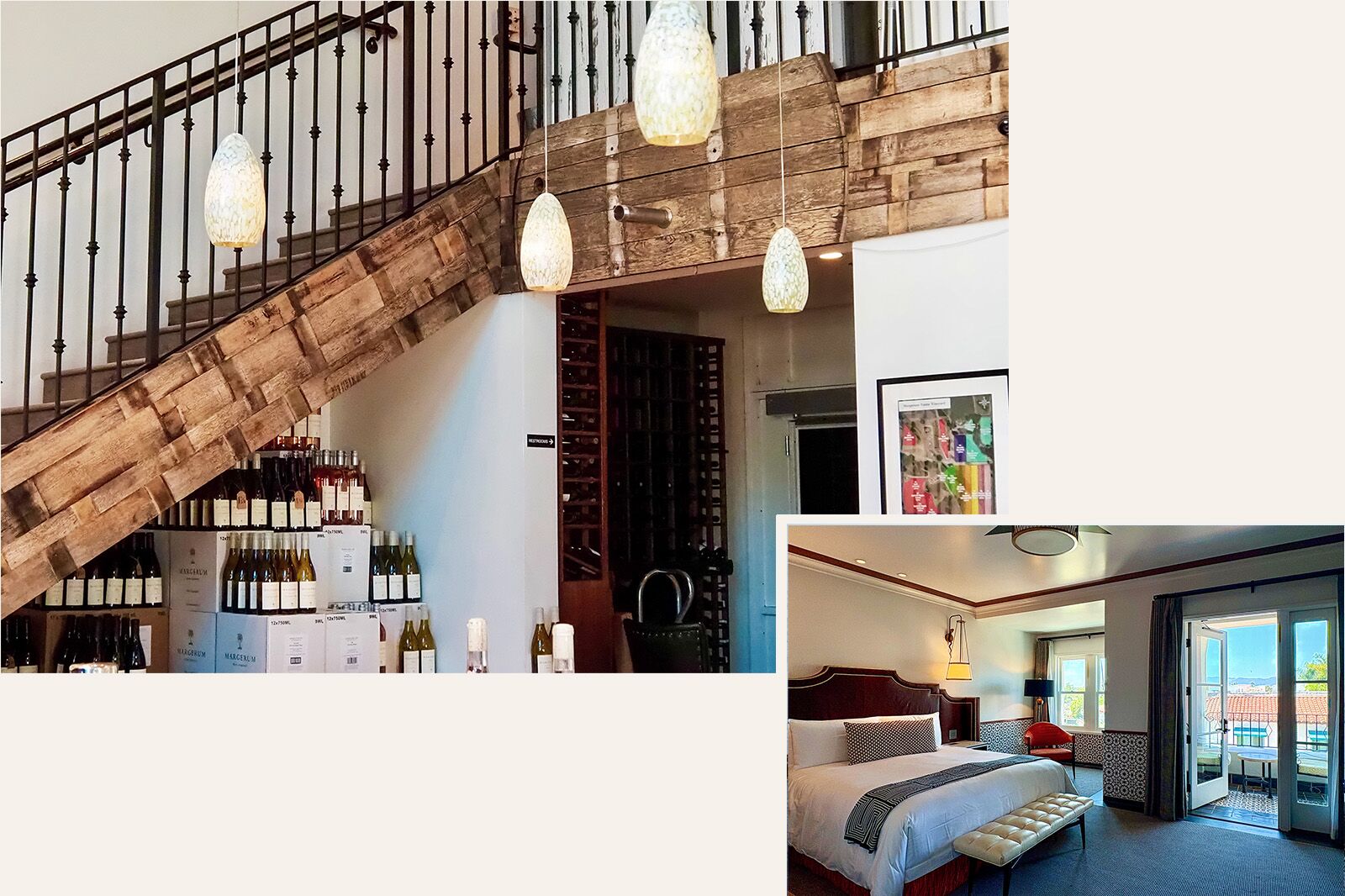
- The Experience: Start at the Margerum Santa Barbara Tasting Room. With its sleek white marble and airy terrace, it is the perfect setting to compare classic varietals like Chardonnay against emerging players.
- Dining and Design: For dinner, the Blackbird restaurant at the Hotel Californian exemplifies the region’s commitment to hyper-locality. The menu, featuring bone marrow and locally sourced steak tartare, highlights a farm-to-table philosophy.
- Accommodation: The Hotel Californian serves as an architectural beacon. Designed by Martyn Lawrence Bullard, it blends Moroccan influences with contemporary California luxury, providing a rooftop vantage point that captures both the Pacific Ocean and the Santa Ynez mountains.
Day 2: The Heart of the Valley
Traveling 45 minutes northwest, you enter the heart of the Santa Ynez Valley. As you move inland, the temperature climbs one degree for every mile traveled, creating a distinct shift in the grape profiles.
- Sta. Rita Hills: A stop at Melville Winery is essential. The estate, modeled after a European villa, practices organic and sustainable viticulture. The 2024 estate Pinot Noir, with notes of sage and white pepper, stands as a testament to the region’s ability to produce wines of immense complexity.
- Culinary Traditions: Lunch at The Hitching Post II in Buellton is a rite of passage. Famous for Santa Maria-style barbecue, the scent of burning red oak is synonymous with the region’s heritage. Pair your sirloin with their signature Pinot Noir or a modern piquette.
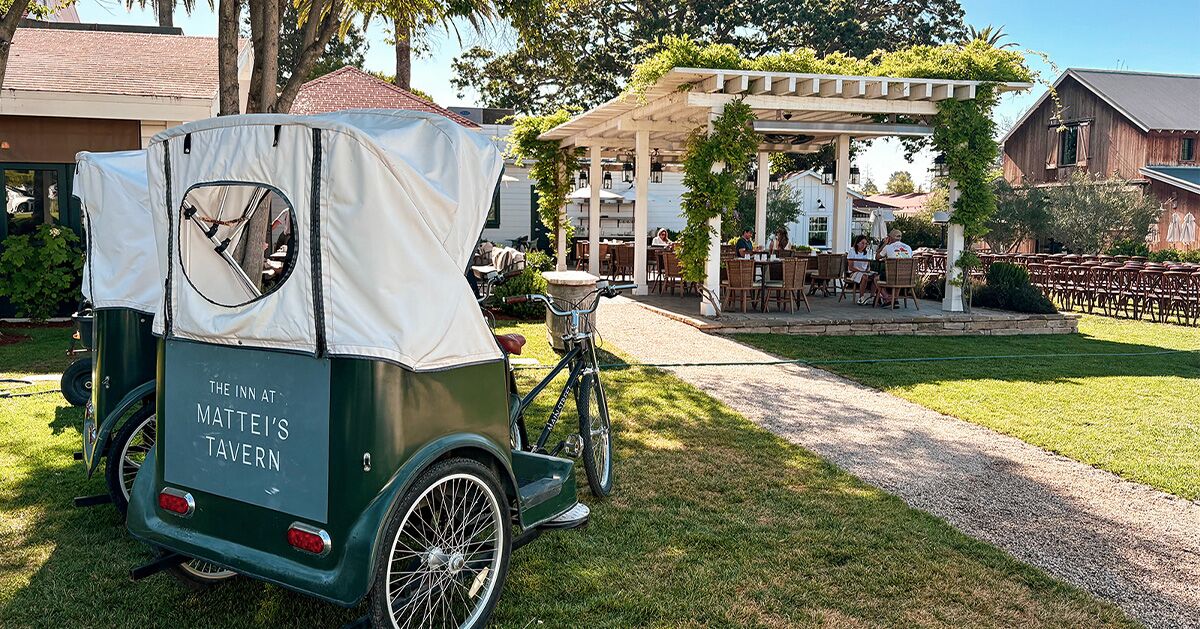
- The Los Olivos Experience: The day concludes at Carhartt Family Wines. In a charming wooden cabin, Chase Carhartt offers an intimate look at a 100-percent direct-to-consumer business model. Staying at The Inn at Mattei’s Tavern—a historic stagecoach stop from 1886—adds a layer of historical gravitas to the trip, especially during their Wednesday “Winemaker Takeover” events.
Day 3: The Northern Frontier
The final day takes you to the northern reaches of the county, home to the historic Santa Maria Valley.
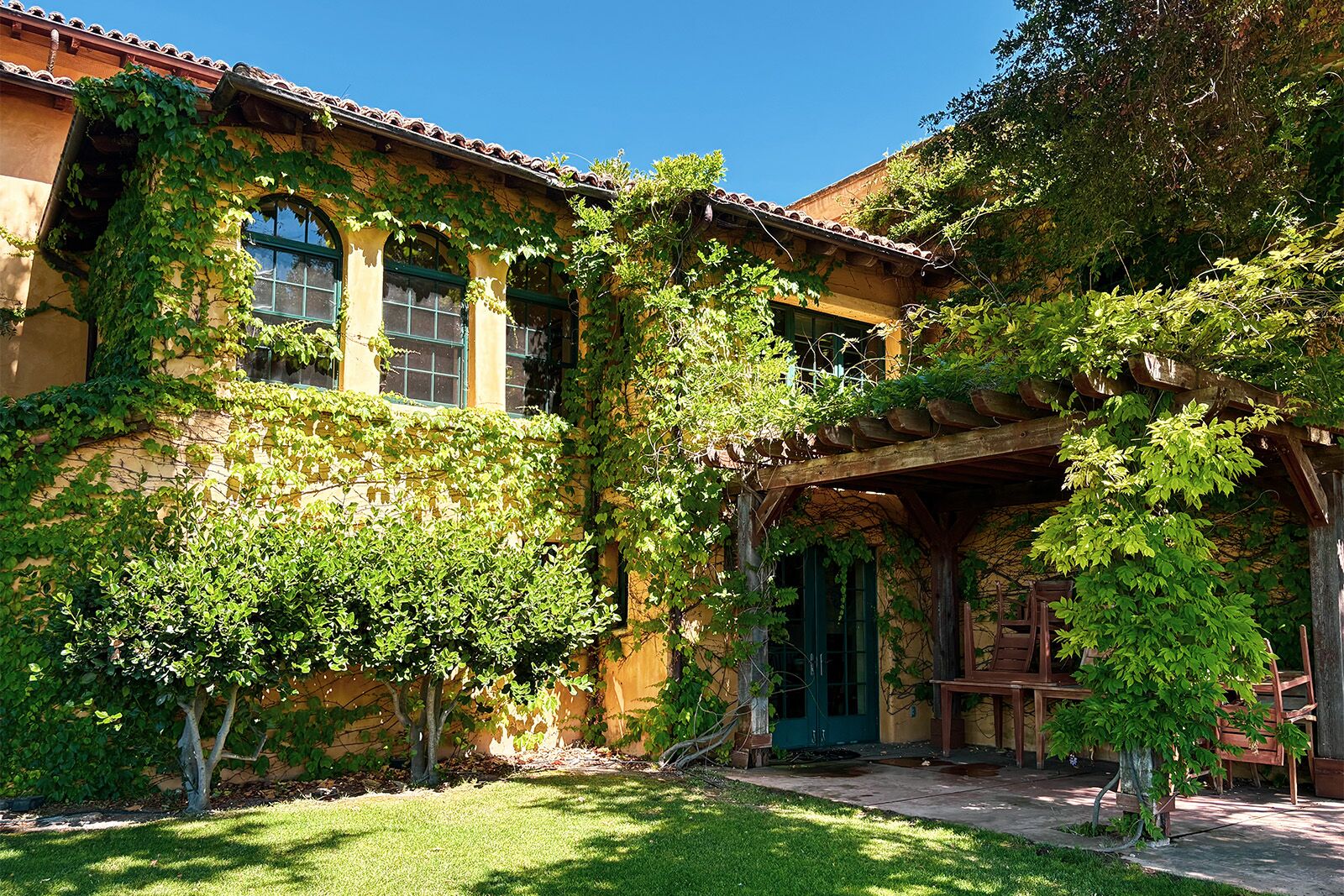
- Ranchos de Ontiveros: Meeting James Ontiveros on his family land, which has been farmed for nine generations, provides a visceral connection to the soil. The freshness and energy in his Pinot Noir speak to the purity of the terroir.
- Sustainability and Art: Presqu’ile Winery is a leader in SIP (Sustainability in Practice) certification. Beyond the glass, their commitment to the arts—highlighted by rotating conceptual art exhibitions—shows a holistic approach to the winery experience. Their chef-curated mezze lunch is the ultimate pairing for a flight of five cool-climate wines.
- Los Alamos: The frontier town of Los Alamos is the final stop. With a visit to Clementine Carter Wines, you can explore the “Feminist Party” GSM blends, followed by a casual, natural-wine-focused evening at Bodega Los Alamos. The trip culminates at the Michelin-starred Bell’s Restaurant, where Chef Daisy Ryan executes a weekly changing prix-fixe menu that captures the essence of the Central Coast.
Supporting Data: Why Santa Barbara Excels
The economic and agricultural data supports the region’s rising status. The prevalence of sustainable, biodynamic, and organic farming is not merely a marketing trend here; it is a necessity for the long-term health of the alluvial soils.
- Ripening Cycles: Because of the cooling maritime influence, the harvest season often extends into mid-October, allowing for a slower, more deliberate ripening process.
- Direct-to-Consumer Growth: Many of the most respected labels, such as Carhartt, operate almost exclusively through direct channels, fostering a deep, personalized relationship between the winemaker and the consumer.
- Varietal Diversity: While Pinot Noir, Chardonnay, and Syrah remain the “Big Three,” the region is seeing a surge in success with Albarino, Grenache, and Cabernet Sauvignon, proving that the land is far more versatile than initial assessments suggested.
Official Perspectives: The Winemaker’s Vision
Winemakers in the region view their work as a blend of stewardship and artistry. James Ontiveros, for instance, has openly advocated for the UNESCO World Heritage designation of the Santa Maria Valley. This vision highlights a growing movement among local growers to protect the land from over-commercialization while simultaneously elevating its global profile.
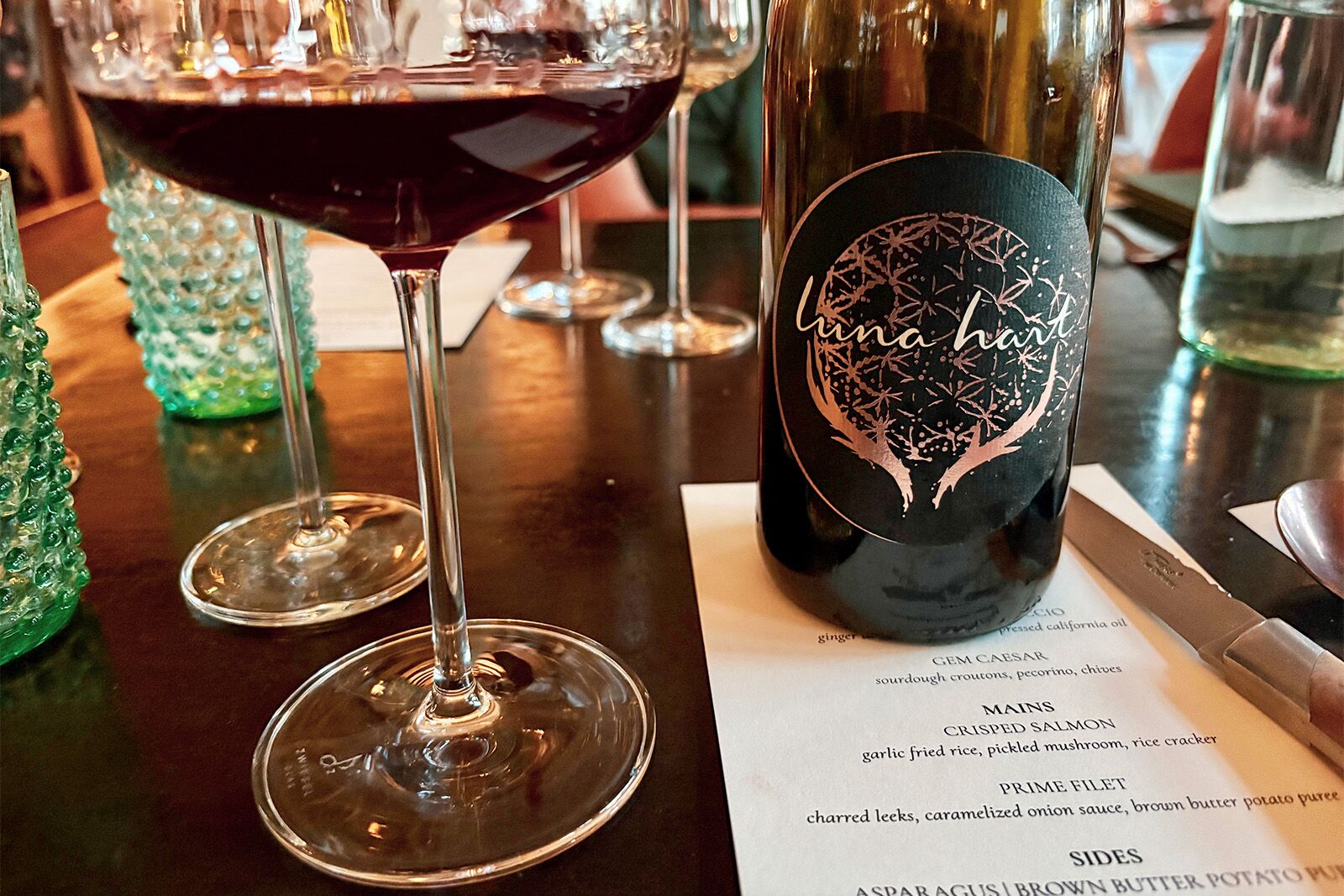
There is a palpable sense of community among these producers. Unlike the often-guarded trade secrets of older European regions, the Santa Barbara community thrives on collaboration. The Wednesday night events at Mattei’s Tavern and the shared tasting rooms in the Funk Zone demonstrate an environment where knowledge is shared and innovation is encouraged.
Implications for the Future of American Wine
The implications of the “Wild West” philosophy are profound. As Napa and Bordeaux grapple with the impacts of climate change and rigid traditionalism, Santa Barbara is positioning itself as a more resilient, experimental alternative.
- Climate Resilience: The region’s natural cooling factors provide a buffer against rising global temperatures.
- Market Accessibility: The success of the Urban Wine Trail and direct-to-consumer models is changing how consumers interact with wine, making it less of a luxury-exclusive pursuit and more of an accessible cultural experience.
- Cultural Fusion: By integrating high-end dining, historic preservation, and public art, the region has created a “lifestyle” brand that extends far beyond the bottle.
For the traveler and the oenophile alike, Santa Barbara Wine Country offers a rare opportunity to witness a wine region in its prime—a place where the history of the stagecoach meets the future of sustainable, artisanal winemaking. Whether you are sipping a crisp Chardonnay overlooking the Pacific or enjoying a wood-fired meal in a historic tavern, the message is clear: the most exciting wine in the United States is currently being made in the hills and valleys of Santa Barbara.
 Nana Wu
  Jia Lissa
  Evan Lee Salim