
 By Nana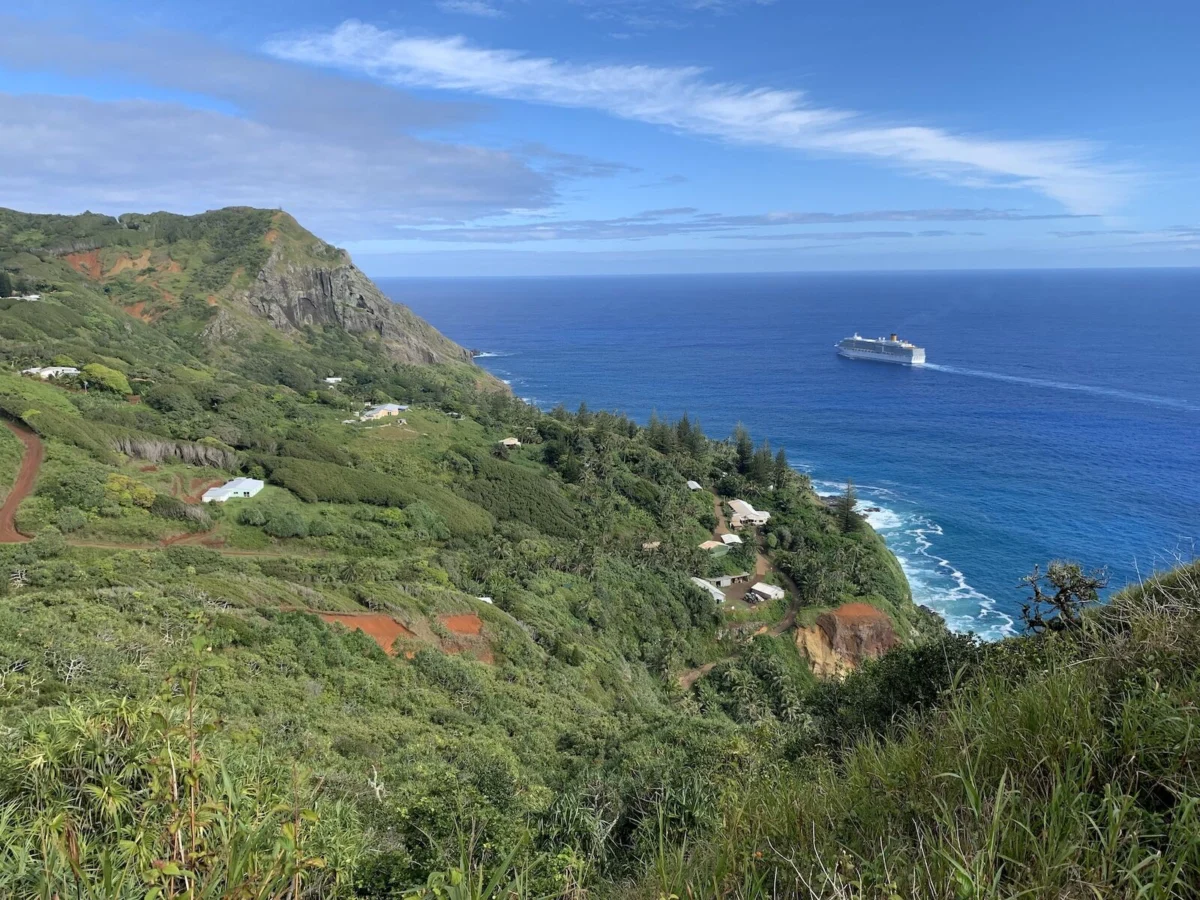
In an age defined by hyper-connectivity and the relentless hum of the digital world, the concept of "getting away from it all" has become an increasingly elusive luxury. Yet, scattered across the globe are pockets of profound isolation—places where the modern world’s infrastructure, noise, and constant demand for attention simply do not reach. These remote frontiers, ranging from subarctic archipelagos to the silent, shifting dunes of the Sahara, offer more than just a destination; they provide a rare opportunity for human recalibration.
The Pitcairn Islands: A Legacy of Isolation
Located in the vast, blue expanse of the South Pacific, the Pitcairn Islands represent one of the most geographically isolated human settlements on the planet. Home to fewer than 50 permanent residents, the island group serves as a living historical record. The current population is composed primarily of descendants of the infamous HMS Bounty mutineers and their Polynesian companions, a lineage that has imbued the islands with a distinct, insular cultural identity.
Logistics and Reality: There is no airport, no resort, and no cruise terminal to be found here. The journey is an odyssey: travelers must first navigate to Tahiti, then transit to Mangareva in French Polynesia, followed by a 32-hour voyage across the open Pacific on a supply ship.
Implications: This extreme remoteness is the island’s primary defense against the homogenization of global tourism. For those who complete the transit, the reward is an environment characterized by dramatic volcanic cliffs, crystalline waters, and night skies devoid of light pollution. It is an expedition into a community that functions independently of the global grid, emphasizing self-sufficiency and deep historical continuity.
Ittoqqortoormiit: The Edge of the Arctic
In eastern Greenland lies Ittoqqortoormiit, a settlement that challenges the very definition of a "hard-to-reach" destination. With a population under 350, human life here is dwarfed by the surrounding wildlife—polar bears, musk oxen, and narwhals.
Chronology of Access: Reaching this outpost is a logistical feat requiring a multi-stage approach: flying via Iceland to eastern Greenland, followed by a helicopter transfer or a seasonal boat crossing, contingent entirely upon the state of the sea ice.
Supporting Data: The region borders the Scoresby Sund, the world’s largest fjord network. During the winter, the aurora borealis dominates the sky, while the summer months provide nearly 24 hours of daylight. In the absence of traditional tourism infrastructure, the experience remains raw and unfiltered, placing the traveler in a landscape where nature is not a backdrop, but the primary authority.
The Shetland Islands: A Subarctic Sanctuary
Scotland’s northernmost outpost, the Shetland archipelago, offers a different kind of solitude. Comprised of hundreds of islands, many of which are entirely uninhabited, the region has gained international attention for its therapeutic landscape.
Official Perspective: Healthcare professionals in the region have begun prescribing "nature therapy"—including bird-watching and coastal walks—to treat chronic illnesses. The practice acknowledges that the psychological toll of modern life can be mitigated by the sheer vastness of the moorlands and the silence of the North Sea coastline.
Cultural Highlights: While the climate is rigorous, the winter months are marked by the Up Helly Aa festival, a celebration of the islands’ Scandinavian heritage that culminates in the burning of a traditional longship. It is a stark reminder that resilience and culture are the twin pillars of life in the north.
Northern Patagonia: The Rugged Frontier
While Southern Patagonia has become a staple of global trekking culture, Northern Patagonia in Argentina remains a bastion of wild, uncommercialized space.
Supporting Data: In areas around the Lake District and Bariloche, the absence of mass tourism allows for authentic exploration. Unlike the well-trodden paths of Torres del Paine, the northern reaches offer an opportunity to climb, ski, and trek in near-total solitude. This region serves as a critical reminder that even in well-known countries, vast tracts of land remain virtually untouched by the footprint of modern commercial tourism.
The Great Australian Bight: Nature’s Silence
Spanning 720 miles along the southern coast of Australia, the Bight encompasses the Nullarbor Plain—a semi-arid expanse four times the size of Belgium.
Implications: This is one of the few places on Earth where a traveler can be entirely severed from cellular and digital networks. Between June and October, the Bight becomes a sanctuary for migrating Southern Right Whales, which travel from Antarctica to calve in these protected waters.
Environmental Advocacy: The area is currently the subject of intense debate. Organizations such as "Fight for the Bight" are campaigning for its designation as a protected marine environment, citing the threat posed by offshore fracking. The preservation of this region represents a broader global conflict: the tension between industrial expansion and the protection of Earth’s last truly "empty" spaces.
The Galápagos Islands: A Laboratory of Life
Ecuador’s Galápagos Islands serve as a testament to the evolutionary history of our planet. Despite their fame, they remain sparsely populated, with more sea lions inhabiting the archipelago than human beings.
Main Facts: Formed by volcanic activity, the islands remain an essential site for biological study. Visitors here are secondary to the wildlife; the islands provide a unique environment where the animals show little to no fear of humans, offering an intimate look at an ecosystem that evolved in near-total isolation.
Lofoten and the Westfjords: Nordic Solitude
The Lofoten Islands in Norway and the Westfjords of Iceland represent the pinnacle of Nordic wilderness.
- Lofoten: Situated within the Arctic Circle, these islands offer an array of activities from surfing to snowshoeing, underpinned by a traditional fishing culture that has survived for centuries.
- Westfjords: Often described as the "edge of the Earth," this Icelandic region is a maze of waterfalls and high cliffs. The area is home to Látrabjarg, Europe’s westernmost promontory, and numerous geothermal springs, such as those at Tálknafjörður, which offer a natural respite from the subarctic winds.
Lake Kawaguchiko: The Quiet Shadow of Fuji
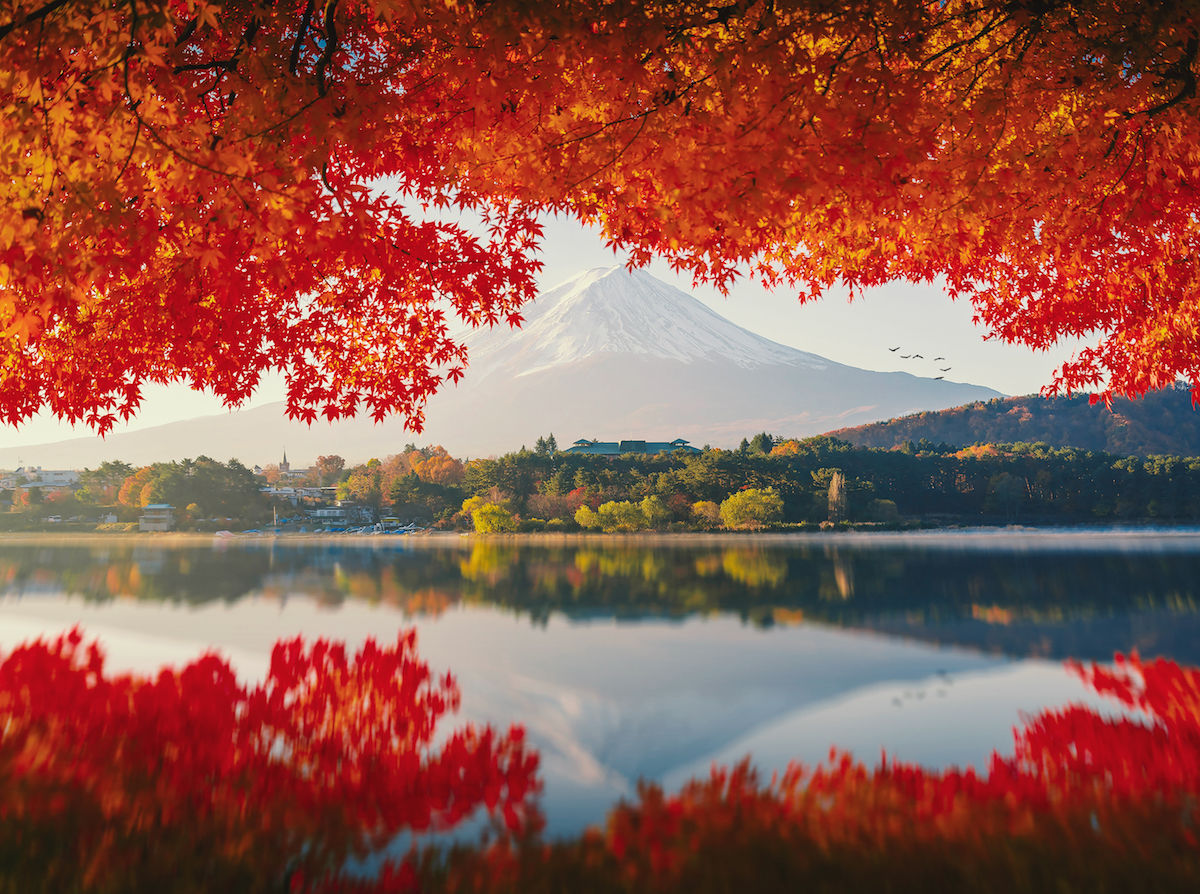
While Japan is often associated with the high-speed, high-density environment of Tokyo, Lake Kawaguchiko offers a necessary counter-narrative.
Supporting Data: Located just two hours from the capital, the town serves as a base camp for those seeking to engage with the natural majesty of Mount Fuji. By utilizing the Tenjō Ropeway and accessing trails during off-peak hours, visitors can find a serenity that feels entirely disconnected from the neon-lit frenzy of the nearby metropolis.
Northern Kerala: The Unexplored Backwaters
While Southern Kerala is famous for its commercialized houseboats, the northern regions, specifically the Kavvayi Kayal, remain largely off the radar.
Cultural Context: With a history stretching back to the voyages of Marco Polo, this region offers a glimpse into a traditional way of life that has remained relatively unchanged by global tourism. The backwaters here are serene, and the absence of commercial pressure allows for a deeper, more genuine engagement with the local flora, fauna, and residents.
The Aleutian Islands: The Alaskan Edge
Accessible only by a limited ferry service, the Aleutian Islands are a chain of volcanic peaks rising from the North Pacific.
Chronology of Travel: The MV Tustumena ferry makes infrequent trips to this archipelago, visiting remote ports like Dutch Harbor and Cold Bay. These islands represent the most isolated corner of the United States, defined by harsh weather, immense green tundra, and a hardy, resilient population that maintains traditions like the annual Silver Salmon Derby.
The Sahara: The Desert’s Wisdom
The Sahara Desert in North Africa is often mischaracterized as a wasteland. In reality, it is a region of profound spiritual and environmental complexity.
Implications: Whether watching the sunset over the dunes of Erg Chebbi or visiting the oasis towns of Figuig, the desert forces a change in pace. The Berber populations living here have developed a culture that works in harmony with the environment rather than against it. In the Sahara, nature is not something to be conquered; it is a force to be acknowledged, respected, and eventually, understood.
Conclusion: The Value of the Disconnected
The common thread linking these twelve destinations is not merely their beauty, but their status as barriers to the "always-on" culture. Whether through the 32-hour sea voyage to Pitcairn or the seasonal isolation of the Aleutian Islands, these places demand effort, patience, and a willingness to step away from the digital tether. As the world continues to develop and homogenize, these frontiers become increasingly vital—not just for the sake of tourism, but as essential reminders of the vast, untamed, and quiet reality of our planet.
 Nana Wu
  Jia Lissa
  Evan Lee Salim