
 By Pevita Pearce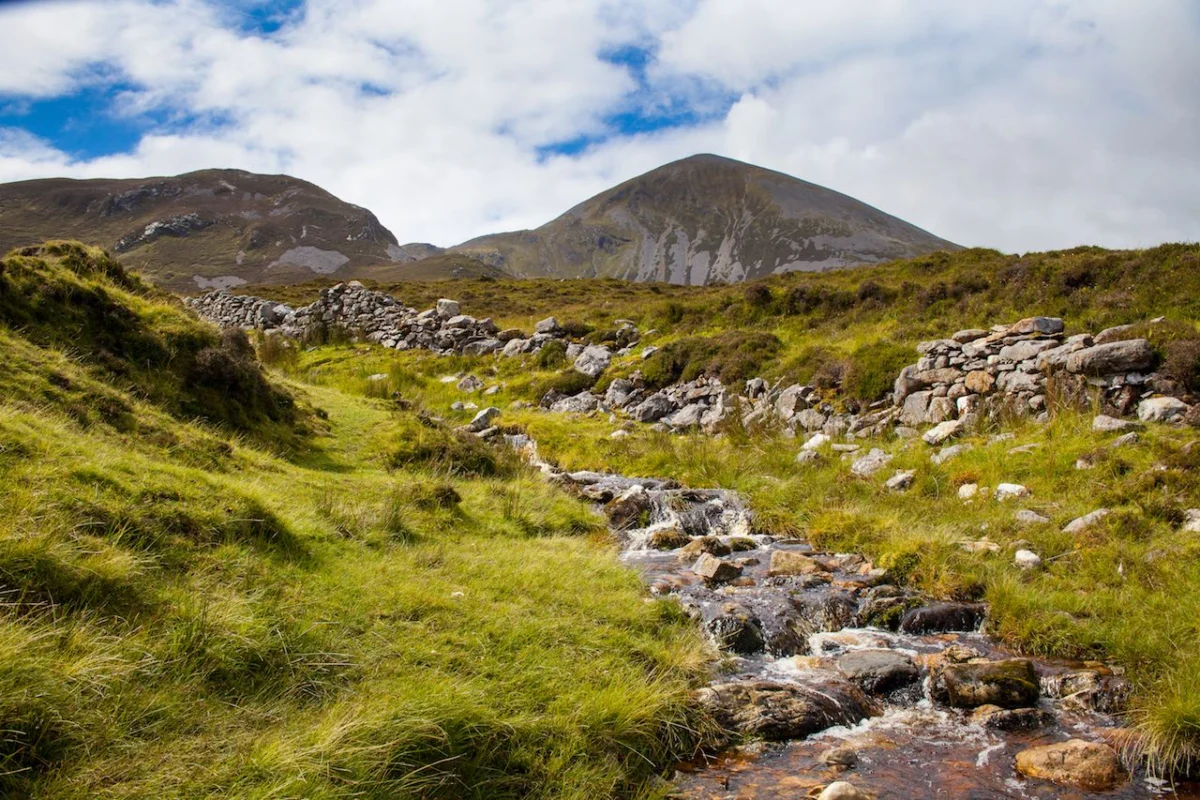
Rising 2,507 feet above the rugged coastline of County Mayo, Croagh Patrick—affectionately known to locals as "The Reek"—is far more than a mountain. It is a sentinel of Irish history, a spiritual touchstone, and one of the most challenging hiking destinations on the Emerald Isle. Whether shrouded in the ethereal mists of the Atlantic or bathed in the rare, golden light of a summer evening, this iconic peak serves as a bridge between Ireland’s pagan past and its Christian heritage.
As tourism to the Wild Atlantic Way continues to surge, Croagh Patrick has become a magnet for thousands of visitors. However, the mountain demands respect. Balancing the influx of hikers with the preservation of a site that is both a natural wonder and a sacred monument has become a significant logistical and safety challenge for local authorities and mountain rescue teams.
The Chronology of a Sacred Ascent: From Pagan Rituals to Christian Pilgrimage
The history of Croagh Patrick is deeply intertwined with the evolution of Irish spirituality. Historians and archaeologists suggest that the peak’s importance predates Christianity by millennia. As early as 3,000 BC, Neolithic people recognized the mountain as a site of profound energy. It is widely believed that pagan pilgrims ascended the steep slopes to celebrate Lughnasadh, an ancient harvest festival honoring the god Lugh. These early climbers gathered to mark the transition of seasons, seeking blessings for the upcoming harvest.
The mountain’s character shifted dramatically in the fifth century AD with the arrival of St. Patrick. According to tradition, the patron saint of Ireland climbed the mountain and spent 40 days and nights in prayer and fasting at the summit. This act of ascetic devotion transformed the peak into a cornerstone of Irish Catholicism. Over the centuries, the mountain became a destination for penance and prayer, eventually adopting the name Cruach Phádraig (St. Patrick’s Stack).
The modern iteration of this pilgrimage is "Reek Sunday," held on the last Sunday of July or the first Sunday of August. On this day, up to 25,000 pilgrims descend upon the mountain. While the ascent is now a blend of religious observance, athletic challenge, and cultural rite of passage, the ancient echoes of the climb remain: some still choose to make the trek barefoot, a practice that mirrors the austerities of their ancestors, while others climb in memory of loved ones or as a personal test of endurance.
Supporting Data: The Logistics of the Climb
For the modern traveler, the journey to Croagh Patrick begins in the vibrant town of Westport. Situated in County Mayo, Westport acts as the gateway to the mountain. Accessible via regular train services from Dublin and a network of regional buses, it is a hub for those exploring the Wild Atlantic Way.
Essential Statistics for Hikers
- Total Distance: Approximately 4.4 miles (7km) round-trip from the base to the summit.
- Average Duration: 3.5 hours (2 hours ascent; 1.5 hours descent).
- Terrain: A mixture of paved road, established gravel paths, and treacherous loose scree near the summit.
- Peak Season: April through September.
The trail begins at a well-maintained parking area roughly 5.6 miles west of Westport. Here, visitors find essential amenities: a visitor center, secure lockers, hot showers, a cafe, and a craft shop. However, these facilities are largely seasonal. Outside of the high season, the mountain remains open, but services are shuttered, leaving the hiker to rely entirely on their own preparedness.
Official Responses and Safety Concerns
The popularity of Croagh Patrick has brought with it a significant increase in emergency interventions. Mayo Mountain Rescue (MMR) has been at the forefront of managing these risks. The organization has issued strong, repeated warnings regarding the hazards of the terrain and the volatility of the weather.
In recent years, the trend of climbing barefoot—while culturally symbolic—has become a major point of contention for rescue teams. Due to the high frequency of foot lacerations, slips, and resulting emergency airlifts, authorities now strongly advise against the practice. The mountain’s upper slope is characterized by a "zig-zag" approach over loose, jagged scree that is notoriously difficult to navigate. A lapse in concentration on these steep, shifting surfaces frequently results in ankle fractures and falls.
"The mountain is not a playground; it is an environment that changes by the minute," states a representative from Mayo Mountain Rescue. "We frequently encounter hikers who are ill-equipped for the rapid onset of cloud cover or the drop in temperature at the summit. We would much rather see people reschedule their climb for a clear day than have to coordinate a rescue mission."
Navigating the Ascent: A Tactical Guide
The climb to the summit is divided into three distinct phases, each requiring a different level of caution.
Phase 1: The Approach
The journey starts on a relatively flat country road, passing the iconic statue of St. Patrick. This section is deceptively gentle, allowing hikers to find their rhythm before the incline begins.
Phase 2: The Shoulder
As the path transitions into loose gravel, the trail ascends toward the "shoulder" of the mountain. For those without mountaineering experience, this is often the recommended turning point. The path here is steady but requires sturdy footwear and, ideally, trekking poles.
Phase 3: The Summit Zig-Zag
The final approach is the most challenging. It is a steep, slippery, and rocky incline where the "zig-zag" path is the only safe way to gain altitude. During high-traffic periods—such as Reek Sunday or public holidays—this bottleneck can become dangerous. Hikers are advised to maintain distance and prioritize safety over speed.
Implications: Preserving the Sacred and the Sustainable
The future of Croagh Patrick lies in balancing its status as a site of deep cultural heritage with the realities of modern mass tourism. The mountain is not just a destination; it is a delicate ecosystem and a place of quiet reflection for many.
Recommendations for Responsible Pilgrimage
- Prioritize Forecasts: Always check the specialized mountain-specific forecast from Met Éireann. General forecasts for Westport often fail to reflect the microclimates present at the summit, where visibility can vanish in minutes.
- Equip Accordingly: Even on sunny days, the summit is prone to high winds and near-freezing temperatures. Packing waterproof, thermal layers is non-negotiable.
- Respect the Terrain: Stay on the marked trails to prevent erosion, which is a major ecological concern for the Mayo County Council.
- Know Your Limits: There is no shame in stopping at the shoulder. The panoramic views of Clew Bay, with its legendary 300+ drumlin islands, are visible long before the final, most dangerous stretch.
Beyond the Summit: Exploring the Region
Should you successfully conquer the Reek, the surrounding area offers a perfect post-climb decompression. The village of Louisburgh, located nearby, offers a quintessential Irish atmosphere, while the islands of Clew Bay—including the majestic Achill Island—provide opportunities for further exploration.
As you return to the base, the tradition of the "victory pint" at Campbell’s is a well-earned reward. Sitting in the quiet comfort of the pub, reflecting on the panoramic views of the Sheeffry mountains to the south and the Nephin Beg range to the north, one gains a true appreciation for why this mountain has pulled at the human spirit for 5,000 years. Whether you come for the history, the spirituality, or the sheer athletic challenge, Croagh Patrick remains an essential, if demanding, chapter in the story of Ireland.
 Nana Wu
  Jia Lissa
  Evan Lee Salim