
 By Reynand Wu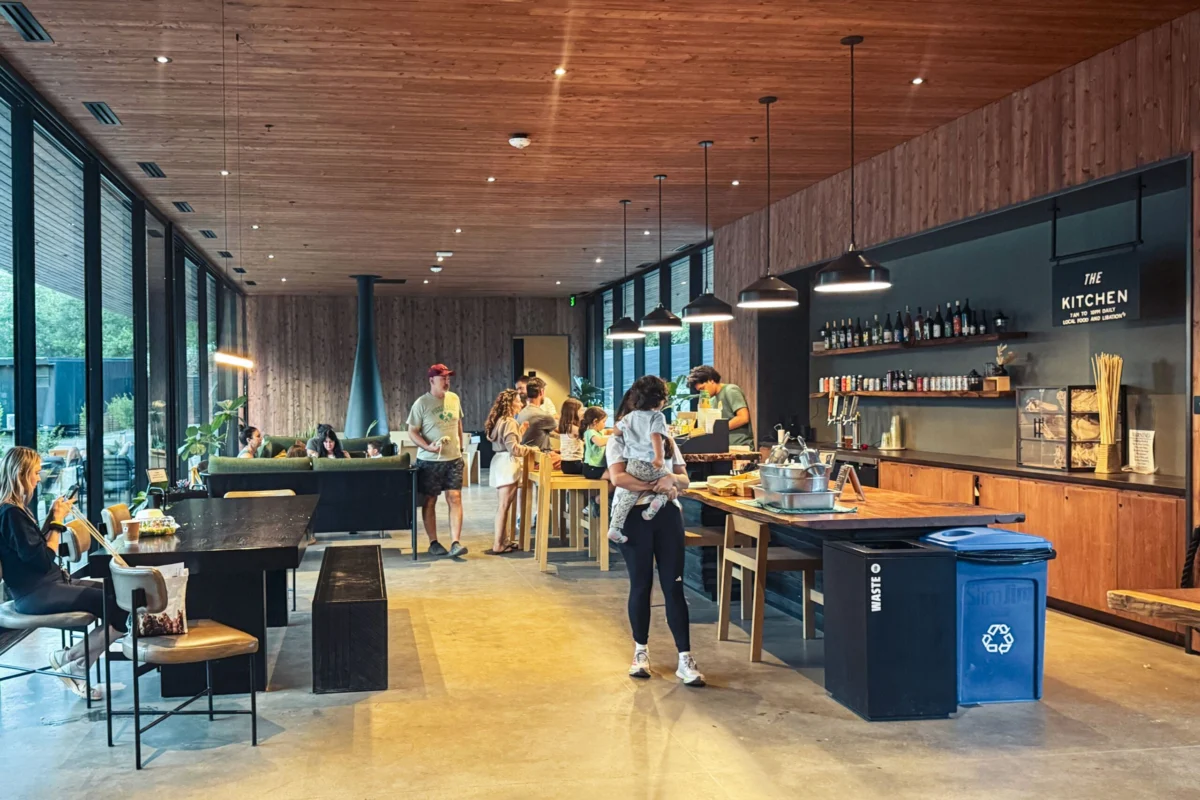
The gateway town of Three Rivers, California, has long been a utilitarian stopover for those venturing into the towering majesty of Sequoia National Park. Historically, travelers have been forced to choose between the rugged, logistically demanding experience of tent camping or the often-dated, uninspired offerings of standard roadside motels. However, a new player has entered the landscape, shifting the paradigm of regional hospitality: AutoCamp Sequoia. By blending the iconic, mid-century aesthetic of renovated Airstreams with the high-end service of a boutique hotel, AutoCamp is attempting to solve the "lodging puzzle" that has frustrated park-goers for decades.
Main Facts: The Intersection of Design and Utility
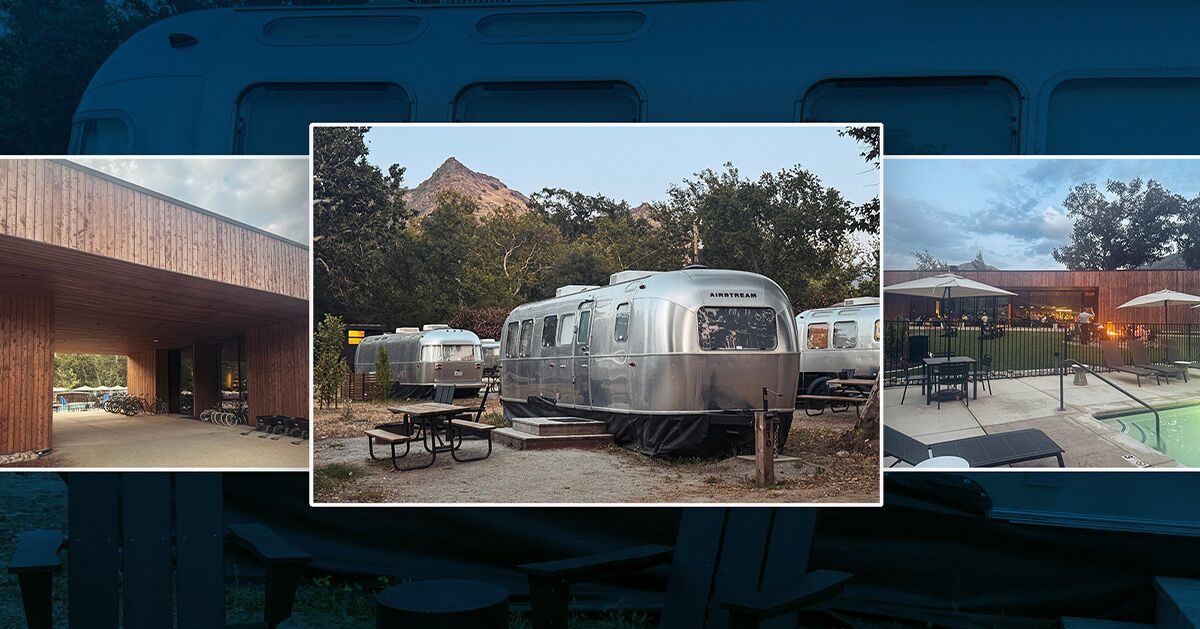
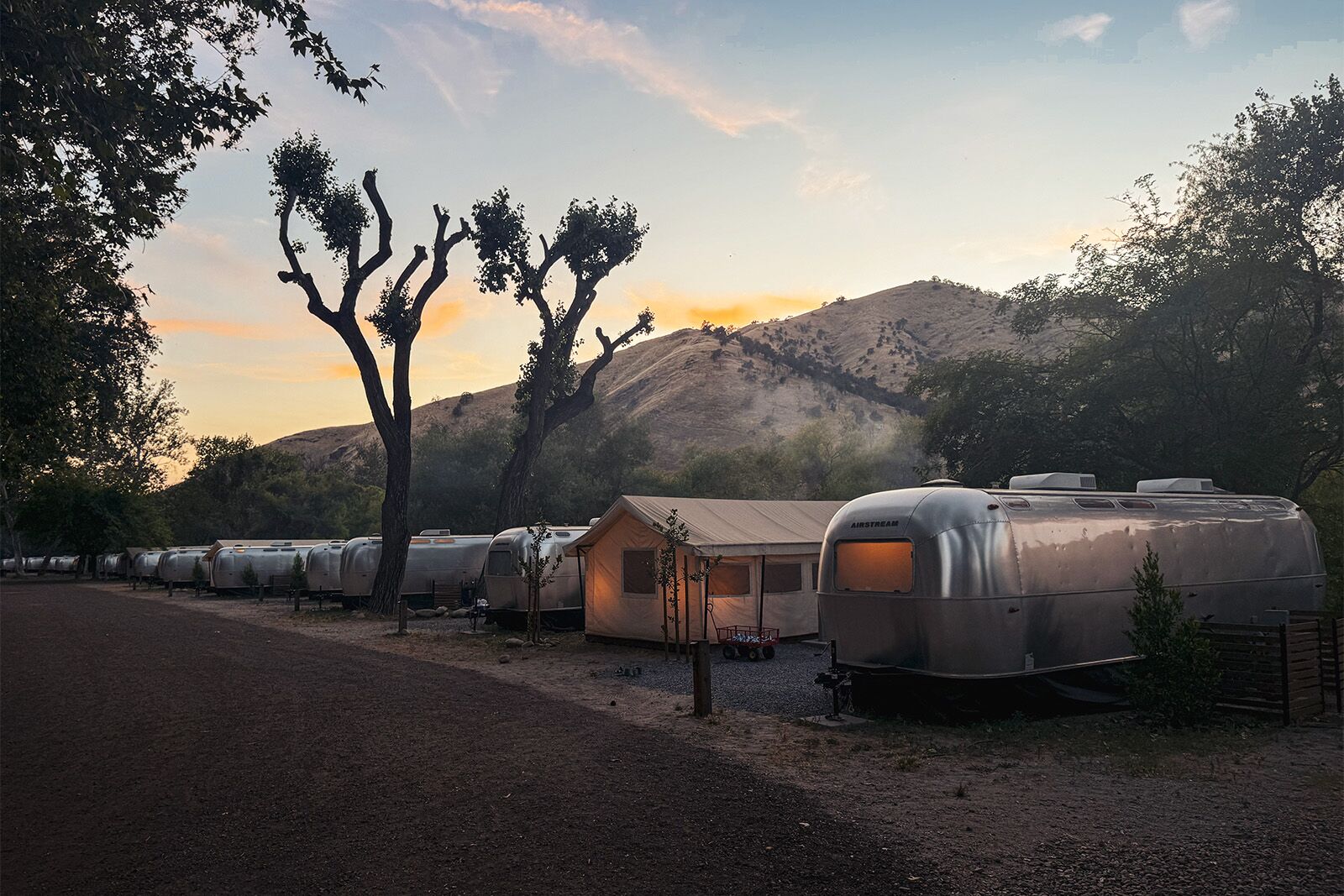
AutoCamp Sequoia is not your average glamping site. Situated in the heart of Three Rivers, the property boasts 85 distinct accommodations, moving beyond the standard trailer park model to offer a tiered experience. Guests can choose from classic renovated Airstreams, private cabins featuring full kitchens, spacious bunk rooms designed for families, and "BaseCamp" suites that pair an Airstream with an additional canvas tent.
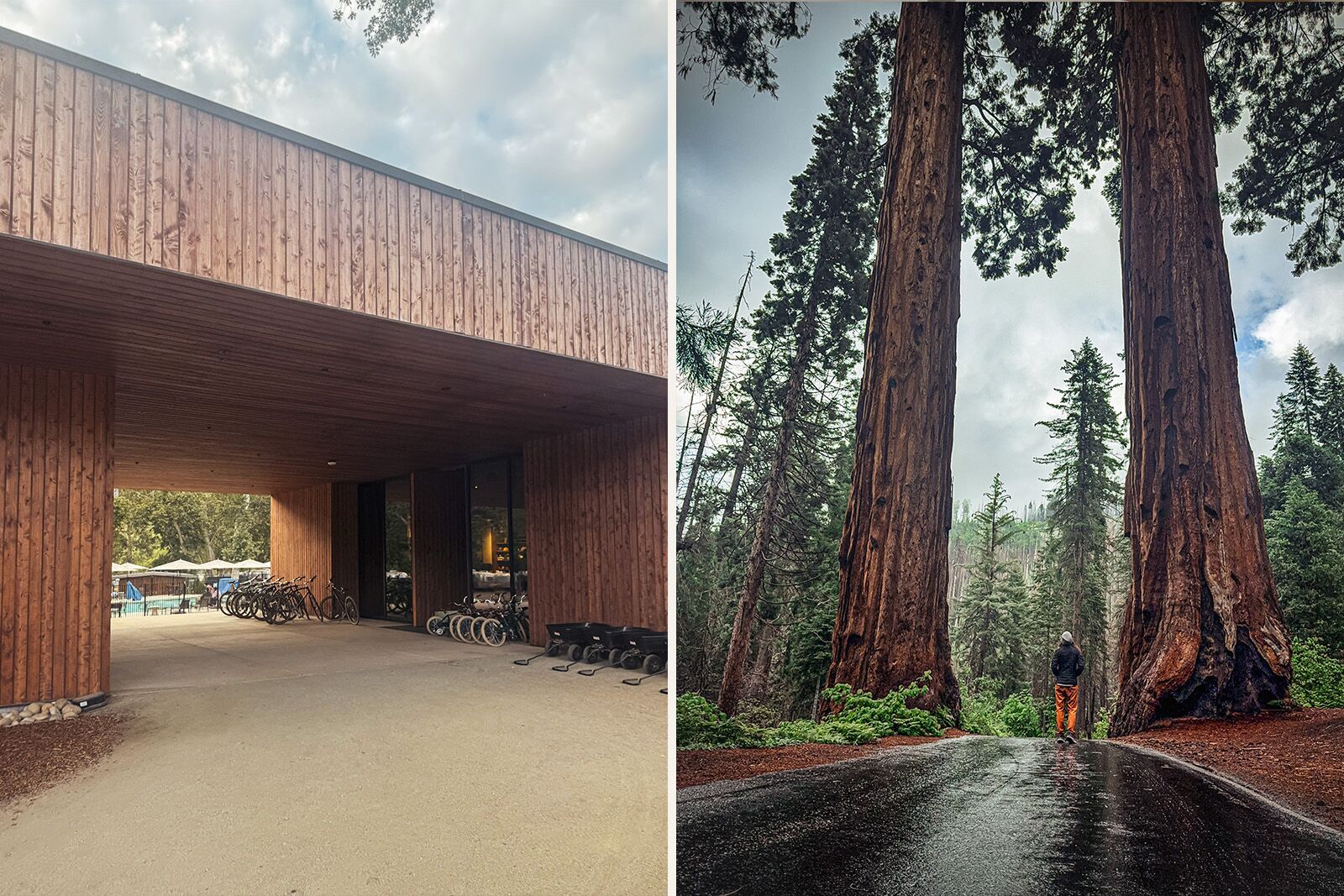
The primary appeal lies in the proximity to the Ash Mountain Entrance Station—the gateway to the Giant Forest. Being located just 10 minutes from this critical access point is a significant logistical advantage. In a park defined by steep, winding, and notoriously slow switchbacks, every minute of head-start time counts. While those staying in Visalia—an hour away—are still navigating traffic and parking woes, AutoCamp guests are already traversing the mountain, often securing prime parking at trailheads before the midday rush.
The Chronology of a Park Getaway
To understand the value proposition of AutoCamp, one must look at the arc of a typical 12-hour day in the park.
The Morning Advantage:
The day begins with a seamless transition. Instead of packing up a car in a distant town or shivering in a tent, guests wake up in a climate-controlled, well-appointed trailer. The on-site kitchen provides a steady stream of coffee, allowing guests to bypass the morning lines at local gas stations or crowded cafes. Being on the road by 7:00 AM means reaching the General Sherman Tree or the Congress Trail before the throngs of tourists arrive.
The Afternoon Mid-Point:
As the sun reaches its zenith and the crowds thicken at popular viewpoints, the savvy traveler knows when to retreat. While day-trippers are forced to remain in the park to avoid the long, tedious drive back to remote hotels, AutoCamp guests have the flexibility to return to the property for a mid-day recharge. The resort’s riverfront access—particularly along the Middle Fork of the Kaweah River—offers a serene, private environment that feels lightyears away from the dusty trails.
The Evening Wind-Down:
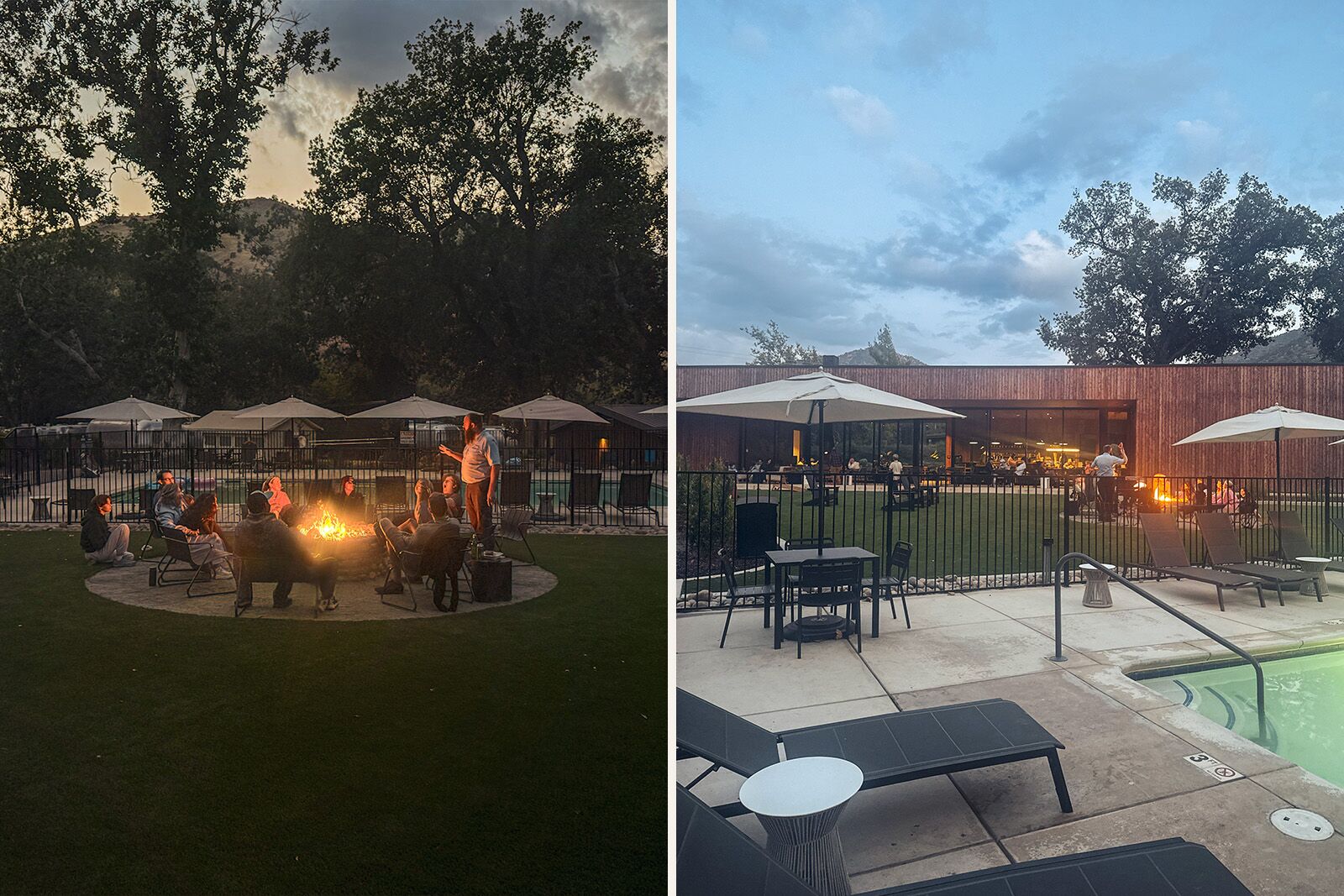
As evening falls, the property transforms into a social hub. While other visitors are stuck in gridlock leaving the park, AutoCamp residents are often found sitting in Adirondack chairs, enjoying local craft beer, or participating in organized programming. Whether it is a park ranger giving an educational talk or a family movie night, the transition from "wild" to "resort" is immediate.
Supporting Data: Infrastructure and Guest Experience
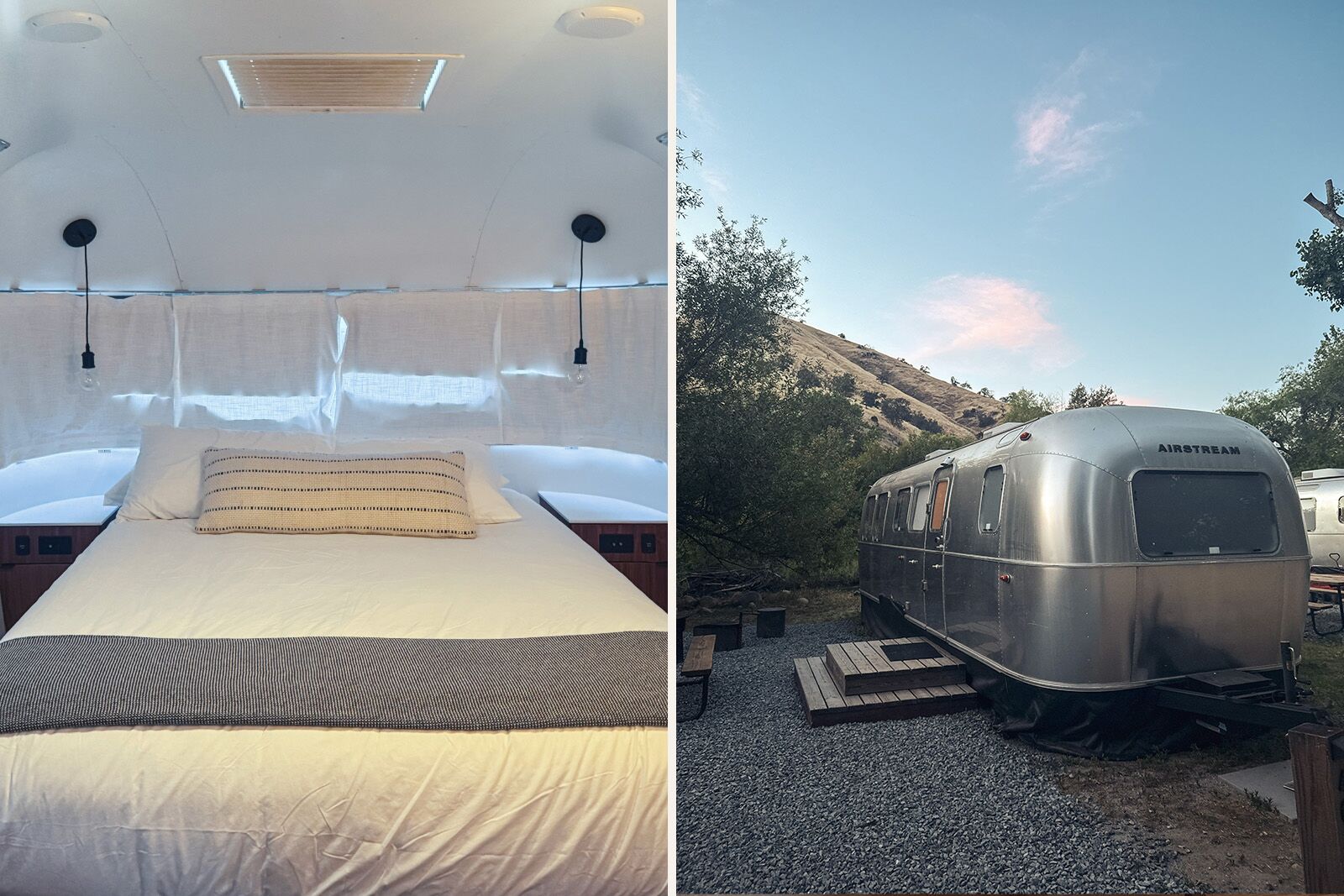
The interior design of the Airstreams reflects a masterful use of constrained space. Each unit includes a functional sink, a coffee/tea station, and a surprisingly spacious bathroom. However, prospective guests should note the limitations: the units are best suited for two adults. While a third person can sleep on the sofa, the footprint quickly feels cramped.
For those prioritizing privacy, the "Vista Riverfront Airstream Suites" are the gold standard. These units offer better insulation from the noise of neighbors and easier access to the riverbank.
Amenities Breakdown:
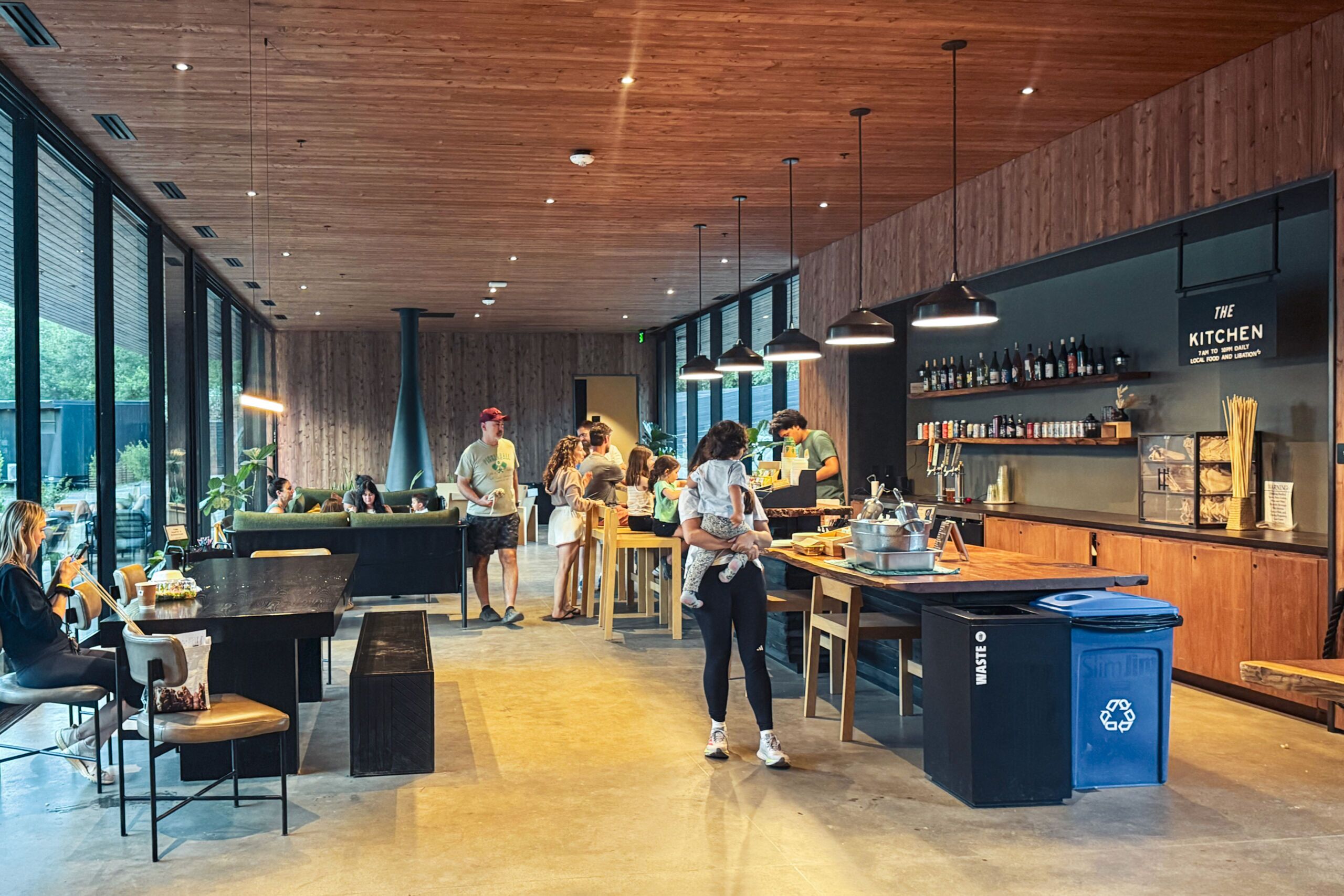
- Dining: The on-site "Kitchen" offers elevated convenience. The menu, which features items like fresh tomato, basil, and mozzarella sandwiches, provides a high-quality meal option that removes the need to drive into town after an exhausting day of hiking.
- Programming: A significant portion of the room rate covers access to a robust calendar of events. This includes guided bird walks, weekend yoga sessions, and children’s activities, which are rarely found at standard lodging facilities in the area.
- Connectivity: Despite the "camp" branding, the property features high-speed Wi-Fi, bridging the gap between the need for digital connectivity and the desire for an unplugged aesthetic.
Official Responses and the Economics of Scarcity
The most contentious point regarding AutoCamp is the price. During the peak summer season, rates can climb into the $700-per-night range, a figure that puts the property in competition with luxury hotels in major urban centers.
When questioned about this pricing strategy, Bryan Terzi, Chief Commercial Officer of AutoCamp, pointed toward the realities of supply and demand. "Like many destinations that experience peak seasonal demand, rates at AutoCamp Sequoia fluctuate throughout the year," Terzi stated. "Summer is one of the most popular times to visit the region… As a boutique property with just 85 accommodations, AutoCamp Sequoia also experiences strong demand during the summer months, which is reflected in seasonal pricing."
The economic argument is rooted in the "San Francisco Effect." Many of the visitors to Sequoia travel from affluent hubs like the Bay Area, where high price points for short-term luxury accommodations are the norm. Compared to local chain motels, which can charge $300 for a basic room, AutoCamp positions itself as a value-add experience rather than a simple bed-and-breakfast. The price floor, however, drops significantly in the off-season, sometimes reaching the mid-$200s, which many analysts suggest is a more accurate reflection of the product’s value.
Implications: The Trade-off of Convenience
Is the premium worth it? The answer depends entirely on how a traveler values their time.
The Case for Luxury Convenience:
For the professional who has only a three-day weekend to see the giant sequoias, the time saved by staying at AutoCamp is invaluable. By eliminating the hour-long commute from the valley, a guest gains two hours of park time per day. Over a long weekend, that is an extra half-day of hiking, photography, or quiet reflection under the canopy of the forest. The logistical "puzzle" of planning a trip to a national park—usually involving complex reservations, gas station food, and aggressive driving—is replaced by a turnkey experience.
The Considerations for Light Sleepers:
Despite the high price, the physical constraints of the property should not be ignored. Because the Airstreams are parked in relative proximity, the resort is not a place for those who prioritize complete silence. Sound travels easily across the gravel paths, and the mechanical hum of heating and cooling systems can be disruptive. For those accustomed to the silence of a backcountry tent, the community-centric layout of the resort may feel a bit noisy. Light sleepers are advised to pack earplugs, acknowledging that even at a premium price, you are still sleeping in a vehicle-based structure.
The Final Verdict
AutoCamp Sequoia represents a shift in how we approach the "National Park Experience." It moves the needle away from the traditional, often uncomfortable binary of rugged camping versus sterile, distant motels. It offers a "soft landing" for the modern adventurer.
If you are a traveler who views your time as a finite, precious commodity, the convenience of the location and the quality of the amenities make a compelling case. You aren’t just paying for an Airstream; you are paying for the luxury of having a home base that functions as a sanctuary. However, if your budget is the primary constraint, or if you prefer the true solitude of the wilderness, the surrounding area offers more affordable, albeit less "curated," alternatives.
Ultimately, AutoCamp Sequoia succeeds because it understands the modern traveler’s central conflict: the desire to be immersed in nature without sacrificing the comforts of the 21st century. It is a premium experience that effectively turns a complex, often stressful logistical challenge into a seamless, memorable getaway.
 Nana Wu
  Jia Lissa
  Evan Lee Salim