
 By Sagoh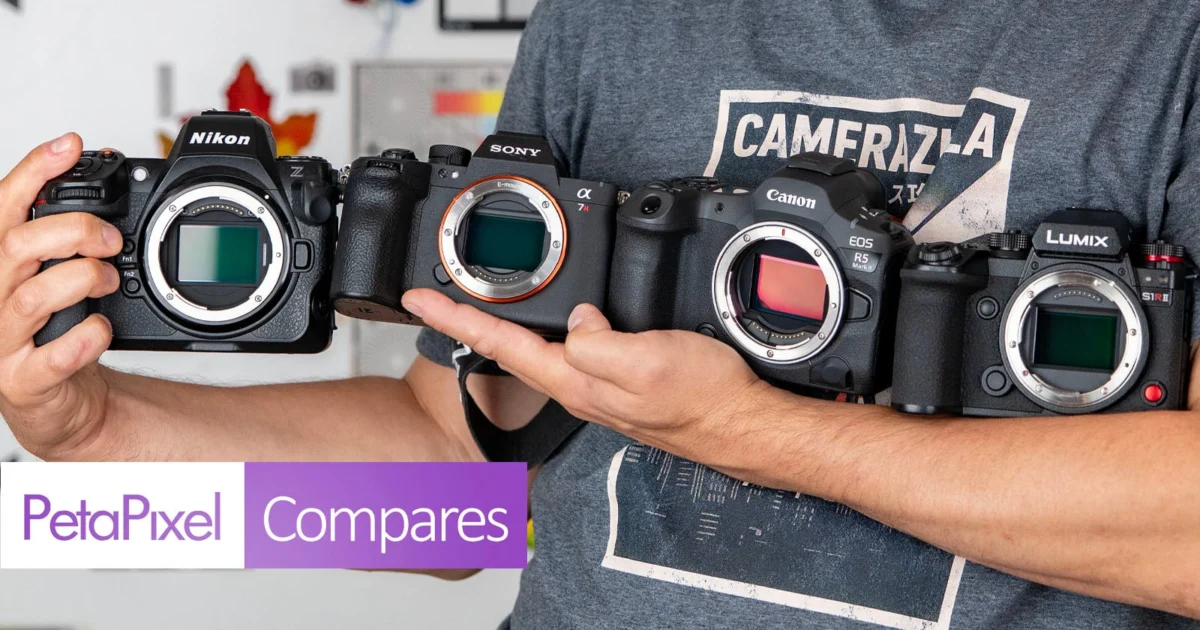
The mid-range camera market is a battlefield of attrition, defined by volume and accessibility. But at the high end, the paradigm shifts entirely. Here, cost becomes a secondary consideration to performance, and the silicon housed within these bodies represents the absolute zenith of modern imaging engineering. For the professional photographer, the discerning enthusiast, or the studio owner, choosing a camera today is not about finding "good" image quality—it is about selecting the specific flavor of technical excellence that matches your workflow.
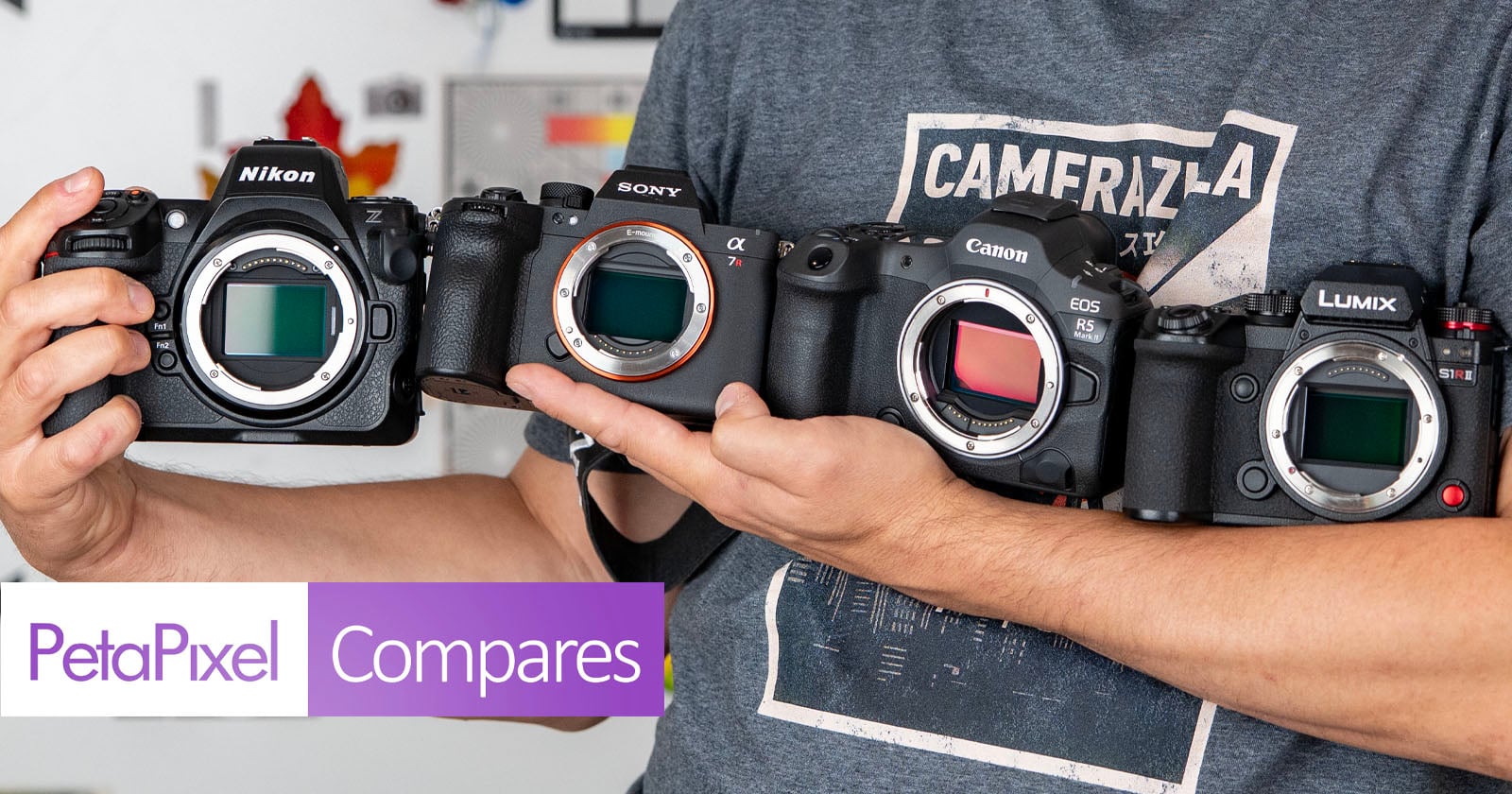
In this comprehensive showdown, we examine four industry titans: the Nikon Z8, the Panasonic Lumix S1R II, the Canon EOS R5 Mark II, and the newcomer Sony a7R VI. These cameras represent the state-of-the-art, and their sensors are the engines driving the future of photography.
The Champions of the Industry: A Spec-Sheet Overview
Before dissecting their performance, it is essential to understand the pedigree and positioning of these four powerhouses.
Nikon Z8: The Shutterless Maverick
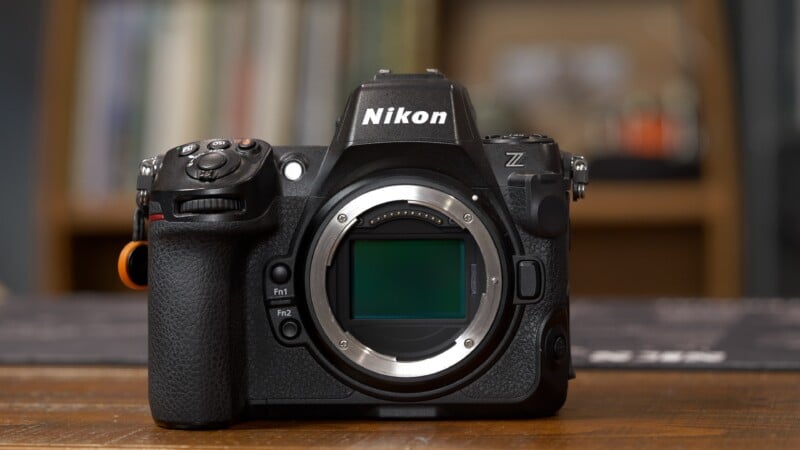
Despite being the veteran of this group, the Nikon Z8 remains a formidable force. It holds a unique position in the market as the only competitor to completely dispense with a mechanical shutter. Built around a fully stacked 45-megapixel sensor, it relies on blistering readout speeds to eliminate rolling shutter. At a price point of approximately $3,700, it offers a high-performance value proposition that continues to satisfy professional shooters.
Panasonic Lumix S1R II: The Rugged Specialist
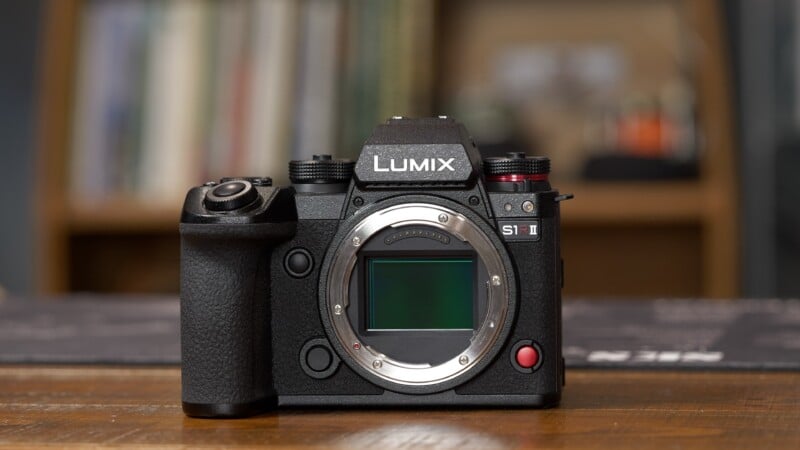
Panasonic has long catered to the needs of landscape and studio photographers who demand absolute fidelity. The S1R II houses a near-45-megapixel sensor within an exceptionally robust, weather-sealed chassis. Priced at $3,000, it is the most budget-friendly option in this cohort, yet it offers sophisticated high-resolution multi-shot modes that make it a favorite for large-format printing.
Canon EOS R5 Mark II: The All-Rounder
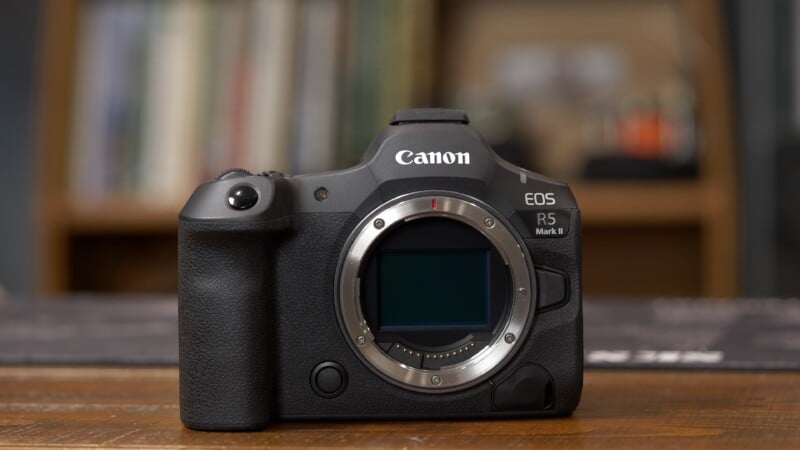
Canon’s R5 series has been a cornerstone of the mirrorless revolution. The Mark II iteration introduces a new 45-megapixel stacked sensor that represents a massive leap in Canon’s internal R&D. Designed for versatility, it balances speed and resolution, making it a preferred choice for action, sports, and wildlife photographers. It enters the market at $4,000, positioning itself as a premium "do-it-all" solution.
Sony a7R VI: The Resolution Titan
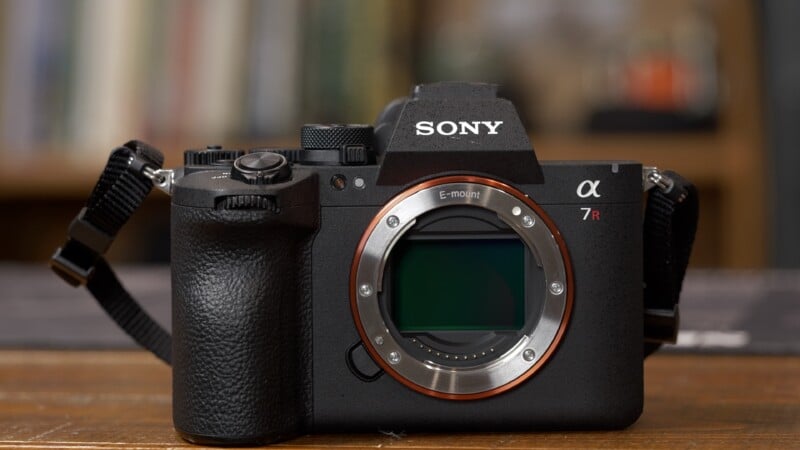
The latest entrant, the Sony a7R VI, seeks to address the versatility gaps of its predecessors. By introducing a new 66-megapixel stacked sensor, Sony has fundamentally changed the conversation regarding resolution. While it carries the highest price tag at $4,500, it justifies this cost by providing the highest detail ceiling and a newfound capability for high-speed action photography that was previously the domain of lower-resolution cameras.
Chronology of Technical Evolution
The development of these sensors didn’t happen in a vacuum. The industry has moved through several distinct phases of evolution over the last five years:
- The Resolution Plateau (2020-2022): The industry settled on 45 megapixels as the "sweet spot" for professional mirrorless bodies, balancing file size with detail. The original Nikon Z8 and Canon R5 defined this era.
- The Shift to Stacked Architectures (2023-2024): Manufacturers pivoted toward stacked sensor technology. This allowed for faster data throughput, enabling higher burst rates and significantly improved video capabilities, effectively rendering the mechanical shutter a legacy component.
- The High-Res Resurgence (2025-2026): Sony’s recent pivot with the a7R VI demonstrates a return to "maximum resolution" without sacrificing the speed benefits of stacked architecture, pushing the barrier of what is possible in a hybrid camera.
Supporting Data: Testing the Silicon
To evaluate these cameras, we pushed them through a rigorous series of benchmarks, focusing on resolution, sensor readout, low-light performance, and dynamic range.
Resolution: The Detail Threshold
Resolution remains the primary metric for many, though we must emphasize that performance is heavily influenced by optics. While all four cameras produce images of exceptional clarity, the Sony a7R VI is the undeniable king. With a 20-megapixel lead over its closest competitors, the a7R VI offers significant "cropping headroom," allowing photographers to punch into a frame and still maintain resolution equivalent to or exceeding that of the 45-megapixel cameras.
Panasonic, however, offers a clever workaround. Its in-camera high-resolution pixel-shift mode allows users to synthesize high-detail images without the cumbersome post-processing workflows required by traditional software.
Sensor Readout Speeds: The End of the Rolling Shutter
The speed at which a sensor captures data is the "hidden" spec that dictates the camera’s utility for sports and video. A readout speed of under 10ms is generally considered the threshold for minimizing rolling shutter artifacts.
- Nikon Z8: 3.7ms (The winner)
- Canon R5 II: 6.5ms
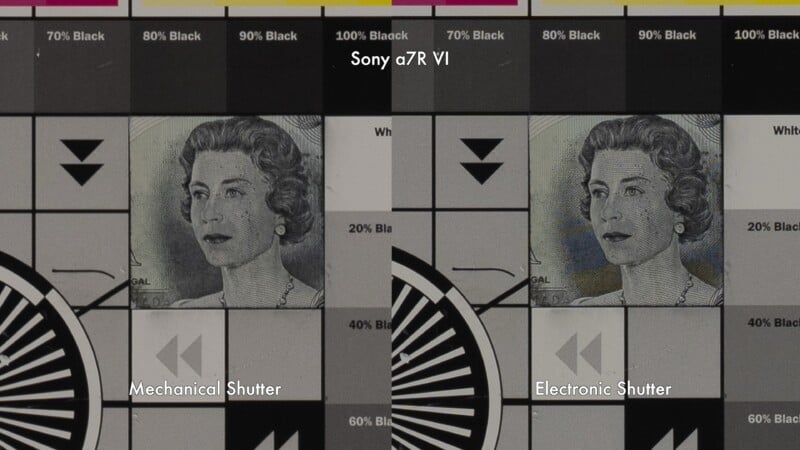
- Sony a7R VI: 19.5ms
- Panasonic S1R II: 37ms
Nikon’s achievement here is noteworthy; its readout speed is so fast that the mechanical shutter is rendered unnecessary. Canon follows closely, providing a performance level that is more than sufficient for high-speed action. Sony and Panasonic, while capable, show more distortion in electronic shutter mode, which may limit their utility for rapid-motion subjects.
High ISO and Noise Floor
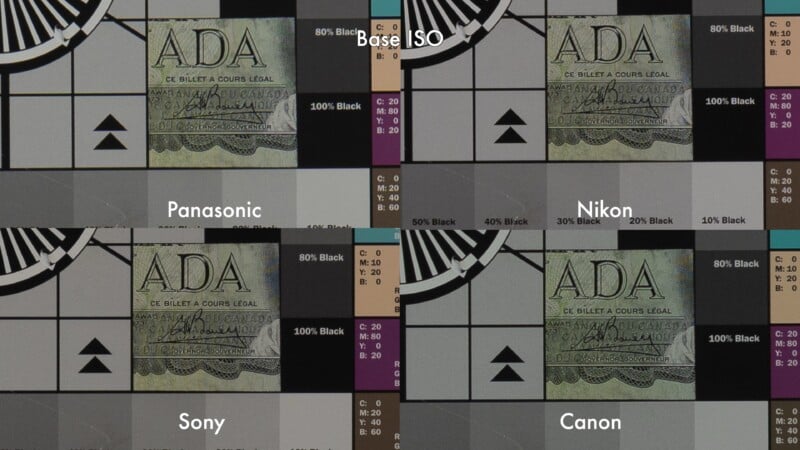
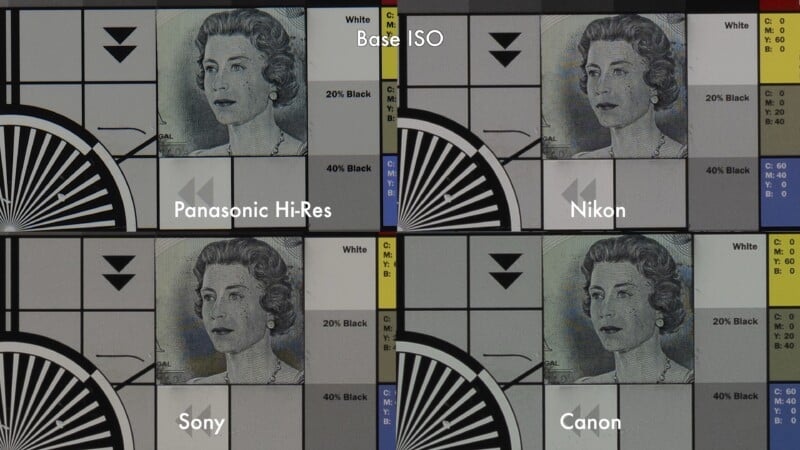
At 6400 ISO, all four cameras perform admirably. However, the nature of the "noise" differs. Panasonic utilizes aggressive, baked-in noise reduction, which keeps images looking "clean" but sacrifices fine texture. The Sony a7R VI, conversely, maintains its lead through sheer pixel count. When viewing images at equivalent output sizes, the Sony’s noise appears finer and less intrusive, as the high resolution effectively masks the grain.
Dynamic Range: The Exposure Latitude
Dynamic range is the measure of a sensor’s ability to retain detail from deep shadows to brilliant highlights. By performing extreme underexposure tests (followed by a 3-stop push in post-production), we observed that the Sony a7R VI displays a sophisticated approach to range optimization. It appears to utilize a dual-exposure-stacking technique to balance the exposure spectrum. While Canon and Nikon offer excellent, natural-looking shadows, the Canon sensor relies more heavily on noise reduction to achieve its dynamic range figures, which can result in a slight loss of micro-contrast in the deep shadows compared to the Nikon.
Official Manufacturer Perspectives
In discussions regarding these flagship sensors, manufacturers have emphasized different philosophies:
- Nikon focuses on the "Speed-as-Standard" mantra. By eliminating the mechanical shutter, they argue they have created a more reliable camera with fewer moving parts, catering to the "set it and forget it" professional.
- Canon emphasizes "Hybrid Versatility." Their R5 Mark II is marketed not just as a stills camera, but as a cinema-grade tool, with their internal testing focusing heavily on the integration between autofocus acquisition and sensor readout speed.
- Sony maintains that "Resolution is King." Their official stance is that high-resolution sensors no longer demand a sacrifice in speed, and their investment in stacked architecture is designed to make the 66-megapixel sensor the only camera a professional needs.
- Panasonic continues to cater to the "Artisan User." Their focus remains on color science, rugged build quality, and in-camera computational photography features like the high-res mode, targeting those who prioritize the artistic process over raw burst speeds.
Implications for the Professional Photographer
The era of the "bad sensor" is over. We have reached a point of diminishing returns where the technical differences between these four cameras are, in practical terms, secondary to the ergonomics, ecosystem, and lens availability.
Strategic Recommendations
- For the Sports and Action Photographer: The Nikon Z8 or Canon R5 Mark II are the logical choices. Their superior readout speeds ensure that you can shoot in electronic mode without fear of jello-effect or rolling shutter.
- For the Landscape and Studio Professional: The Sony a7R VI is the definitive choice if your budget allows, providing the maximum detail and dynamic range. If you operate on a tighter budget, the Panasonic S1R II provides a fantastic high-resolution alternative through its pixel-shift technology.
- The Workflow Factor: It is vital to remember that a 66-megapixel sensor requires a high-performance computer for editing and vast amounts of storage. The "hidden cost" of the Sony is not just the $4,500 body, but the infrastructure needed to handle the files it generates.
Ultimately, the choice comes down to which ecosystem serves your specific creative needs. We are currently living in a golden age of imaging; whether you choose the blistering speed of the Nikon, the balanced versatility of the Canon, the high-res mastery of the Sony, or the rugged precision of the Panasonic, you are equipping yourself with a tool capable of producing world-class imagery. The technology has matured—the only variable left is the person behind the viewfinder.
 Raul Delapena Setiawan
  rifanmuazin
  Ammar Sabilarrohman