
 By Nila Kartika Wati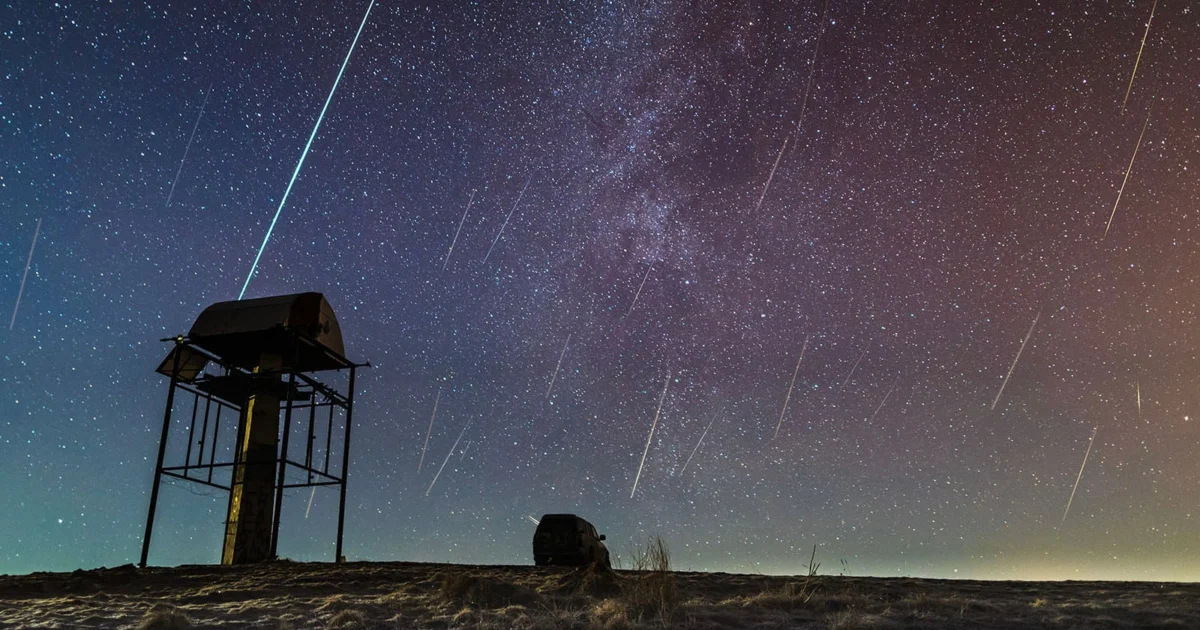
Summer 2026 is poised to be a landmark season for stargazers and photographers alike. With an extraordinary convergence of planetary alignments, meteor showers, and rare eclipses, the celestial calendar offers a once-in-a-generation opportunity to capture the cosmos in high definition. At ProMaster, we believe that the right equipment should do more than just hold your camera; it should serve as a seamless extension of your creative process. As the nights grow shorter and the air turns warm, the transition from twilight to true dark provides the ultimate testing ground for your gear and your technique.
The Celestial Chronology: Key Dates for Your Calendar
To capture the fleeting beauty of the night sky, preparation is paramount. Here is your month-by-month guide to the most significant astronomical events of the summer.
July: The Galactic Core and Meteor Fireballs
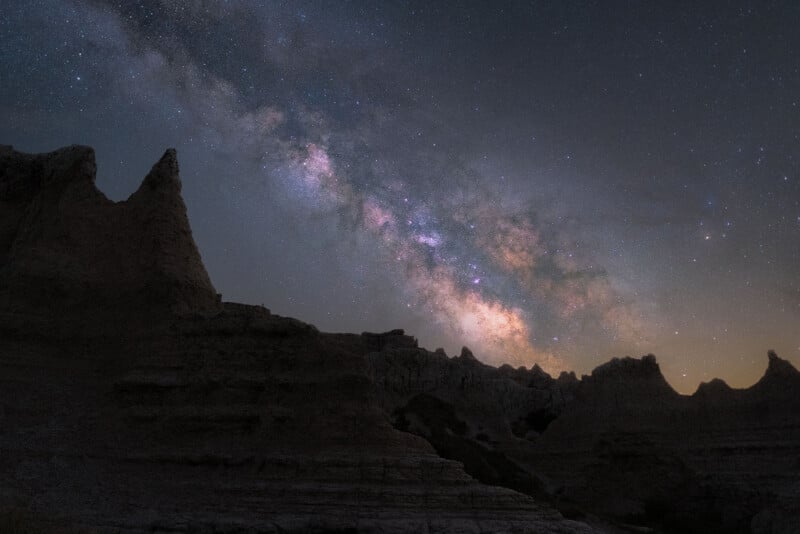
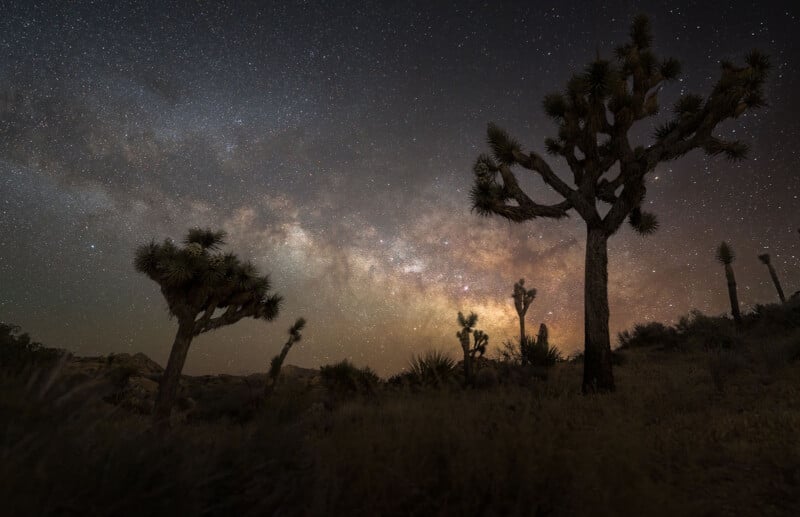
The centerpiece of July is the new moon on July 14. This date marks a prime opportunity for deep-sky photography, as the absence of moonlight allows the Milky Way’s galactic core to shine with unparalleled intensity. When the moon is absent, the contrast between the dark sky and the dense star fields of the Sagittarius region becomes significantly more pronounced, making this the ideal window for long-exposure wide-field shots.
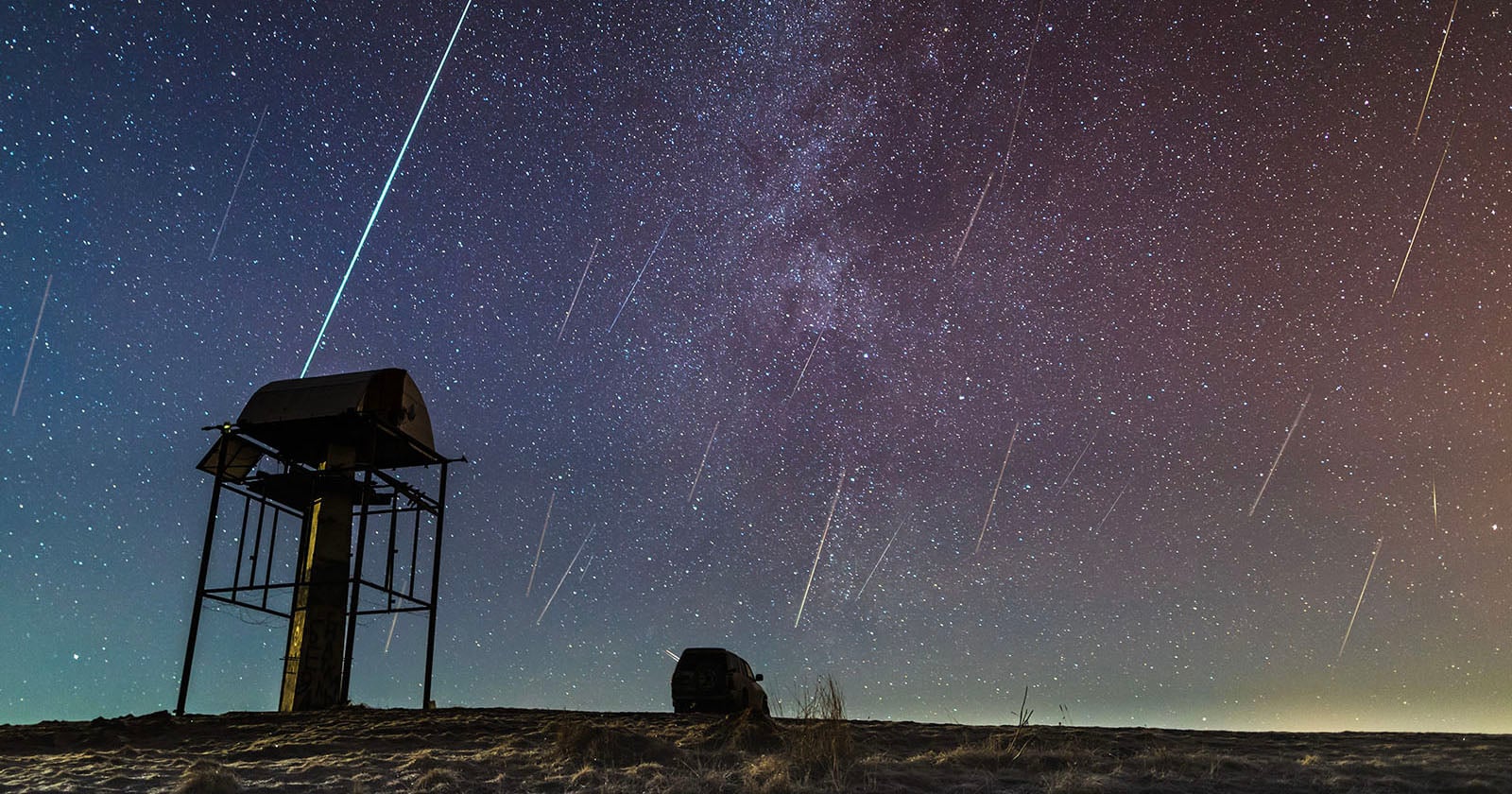
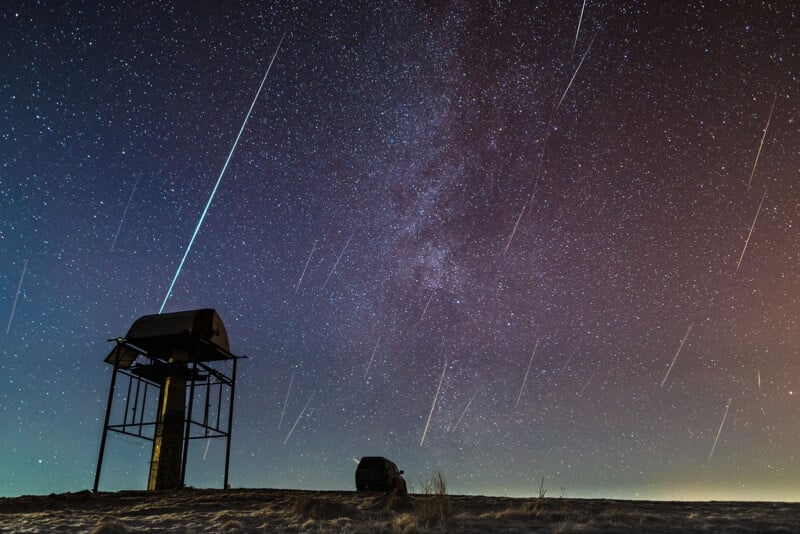
As the month draws to a close, the skies will offer a double feature. On July 30 and 31, both the Southern Delta Aquariids and the Alpha Capricornids reach their peak activity. While the lunar cycle may introduce some interference, the Alpha Capricornids are particularly noteworthy for their tendency to produce bright, slow-moving fireballs. These vivid streaks of light are prized by astrophotographers for their visual impact and the dramatic tension they add to a landscape composition.
August: The Perseid Peak and Solar Phenomena
August serves as the climax of the summer’s astronomical activity. On August 12, the Perseid meteor shower will reach its maximum, occurring conveniently under a new moon. This convergence provides near-perfect dark-sky conditions for capturing the "King of Meteor Showers." Expect dozens of meteors per hour, ranging from subtle flashes to brilliant streaks that can cut across the entire frame.
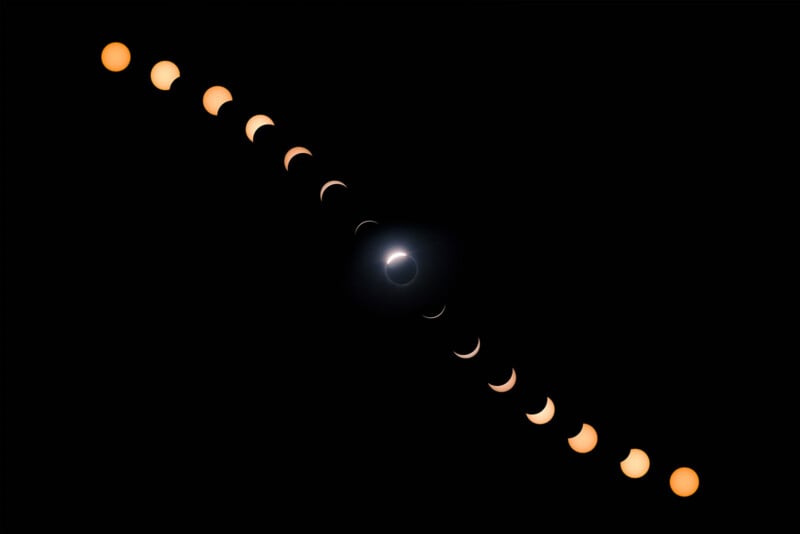
In a rare overlap of events, August 12 also features a significant solar eclipse. While the path of totality will sweep across Iceland, Greenland, Portugal, and Spain, observers across large swaths of North America will be treated to a spectacular partial eclipse. For the professional, this presents a unique challenge: balancing the solar filters required for the daytime eclipse with the high-ISO, wide-aperture setups needed for the Perseid shower the following night.
Late August: The Copper-Red Lunar Eclipse
The summer season concludes with a profound visual event on August 27–28. A deep partial lunar eclipse will occur, with Earth’s shadow obscuring up to 96% of the moon’s surface. During this phase, the moon will take on a dramatic, copper-red hue—a phenomenon resulting from the scattering of sunlight through Earth’s atmosphere. Visible throughout the United States and Canada, this event is highly accessible to photographers of all skill levels, requiring nothing more than a telephoto lens and a stable platform to capture the transition of colors.
The Technical Imperative: Why Equipment Matters
Capturing the night sky is as much about logistics as it is about artistic vision. A successful shoot begins with scouting locations during the daylight hours to identify potential foreground elements—such as rock formations, trees, or architectural structures—that can provide scale and context to your celestial images.
However, once you are on location, the quality of your hardware becomes the limiting factor. When dealing with exposures that can last anywhere from 10 to 30 seconds, even the slightest vibration is magnified. A shift of a fraction of a millimeter caused by a gust of wind or an unstable tripod can turn a sharp, professional-grade image into a blurry, unusable file.
The Role of the Tripod: The MVP of Astrophotography
In our professional experience, the tripod is the unsung hero of the night. A robust support system is the primary defense against "star trailing" and camera shake. We recommend the ProMaster Epoch series, which was engineered specifically to address the rigors of long-exposure photography.
The Epoch tripod is designed to integrate into the photographer’s workflow rather than impede it. Its core strength lies in its vibration-dampening materials and its precise, locking mechanisms. When you are operating in the dark, you need a system that offers tactile, intuitive adjustments. The Epoch’s design ensures that once your framing is locked in, the camera remains perfectly stationary, regardless of the environmental conditions.
Essential Supporting Data: The Remote Shutter
Beyond the tripod, a remote shutter release is an indispensable tool. Even with a sturdy tripod, the physical act of pressing the shutter button on the camera body introduces micro-vibrations that can degrade image quality. By using a remote shutter—whether wired or wireless—you remove the human element from the equation, ensuring that the camera remains completely undisturbed during the entire duration of the exposure.
Implications for the Modern Photographer
The surge in interest surrounding astrophotography has shifted the industry’s focus toward gear that offers high mobility without sacrificing stability. As more photographers head into remote, dark-sky locations to escape light pollution, the weight and ergonomics of their equipment have become as critical as the optical performance of their lenses.
Advancements in Portability
The modern astrophotographer is often a hiker, a traveler, and a technician all in one. The industry has responded to this by creating lightweight carbon-fiber solutions that provide the rigidity of heavy-duty studio gear in a portable package. The ability to hike into the backcountry, set up in the dark, and maintain perfect stability in uneven terrain is what differentiates the hobbyist from the pro.
The Multi-Camera Strategy
For events like the Perseid shower or the August solar eclipse, we are seeing a trend toward the "multi-camera setup." Photographers are increasingly using one camera body with a wide-angle lens for time-lapse sequences of the meteor shower, while simultaneously operating a second body with a telephoto lens to capture close-up details. This strategy maximizes the utility of a single night of shooting, turning a fleeting moment into a comprehensive body of work.
Official Guidance and Professional Recommendations
ProMaster remains dedicated to the pursuit of excellence in photography. Whether you are chasing the Milky Way in the Badlands or waiting for the lunar eclipse in your own backyard, our commitment is to provide the support your gear needs to perform at its peak.
Pro-Tips for Success:
- Scout Early: Use apps to map the path of the stars and the moon in relation to your chosen foreground.
- Manage Your Thermal Noise: Long exposures heat up camera sensors, which can introduce digital noise. If possible, allow your camera to cool down between sets of shots.
- Use the "Rule of 500": To avoid star trails in your long exposures, divide 500 by your lens’s focal length to determine the maximum shutter speed you can use before the rotation of the Earth becomes apparent.
- Prepare for the Cold: Even in summer, nighttime temperatures in high-altitude or desert locations can plummet. Dress in layers to ensure you can stay behind the camera for as long as the sky requires.
Conclusion: Join the Community
The celestial events of Summer 2026 are a rare invitation to step away from the artificial glow of our cities and reconnect with the vastness of the universe. The images you capture this summer will be the result of a delicate balance between nature’s unpredictable beauty and your own technical preparation.
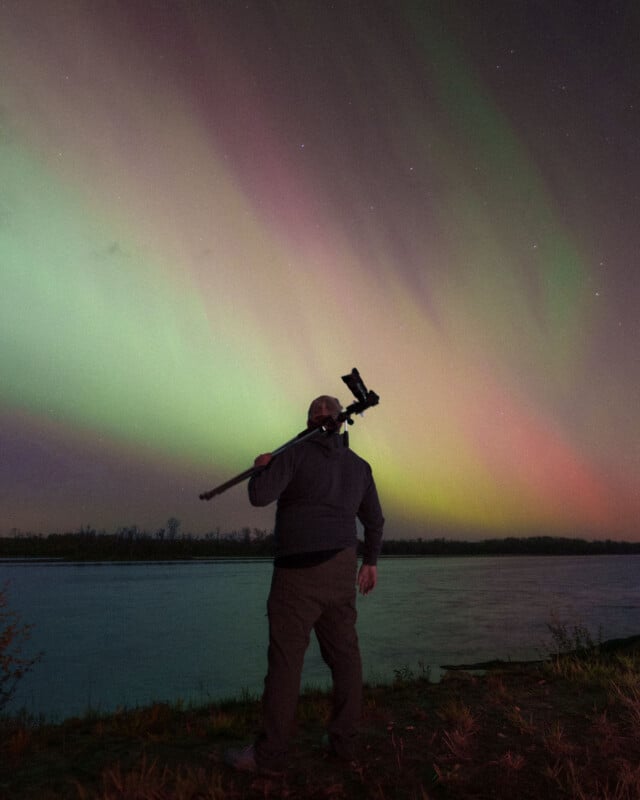
We at ProMaster are eager to see the results of your labor. We encourage all photographers to share their work with the community by tagging @promasterphoto on Instagram. Whether you are capturing the vivid fireballs of the Alpha Capricornids or the subtle, eerie red light of the lunar eclipse, your perspective is what keeps the art of astrophotography evolving.
The gear is ready, the dates are set, and the sky is waiting. It is time to get outside, set up your tripod, and capture the light of the ancients.
 Raul Delapena Setiawan
  rifanmuazin
  Ammar Sabilarrohman