
 By Muslim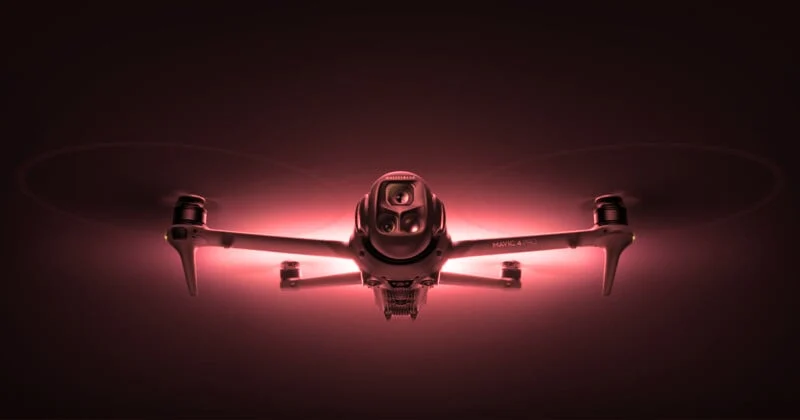
In a significant escalation of U.S. regulatory oversight regarding foreign technology, the Federal Communications Commission (FCC) has launched a coordinated enforcement campaign against eight companies suspected of acting as conduits for restricted Chinese drone technology. The agency has issued $25,000 fines to each of the eight entities, citing a willful failure to respond to official investigative inquiries regarding their importation and marketing operations within the United States.
This move marks a pivotal moment in the ongoing geopolitical tug-of-war over drone technology. As the U.S. government seeks to insulate its critical infrastructure and national security interests from potential espionage, it is increasingly turning its gaze toward the opaque supply chains that allow restricted technology to find its way into American homes and businesses under rebranded identities.
The Companies Under the Microscope
The entities targeted by the FCC are Cogito Tech, Fixaxo Technology, Lyno Dynamics, Skyhigh Tech, Spatial Hover, SZ Knowact, WaveGo Tech, and Xtra Technology. According to FCC filings, these companies ignored multiple formal Letters of Inquiry (LOI) requesting detailed information about their business structures, supply chains, and, most crucially, whether they have been importing radiofrequency (RF) equipment from companies blacklisted due to national security concerns.
For many of these firms, the scrutiny is not entirely unexpected. Investigative researchers, most notably Konrad Iturbe, have spent the better part of the last two years documenting a "whack-a-mole" pattern in the consumer electronics market. Products such as Skyrover drones—linked to WaveGo Tech and SZ Knowact—and various action cameras sold by Xtra Technology have long been flagged by observers for their uncanny similarities to DJI’s own product lineup. These products often feature hardware, software, and design language that bear the distinct hallmarks of DJI engineering, suggesting that even as the manufacturer faces formal U.S. bans, its intellectual property and hardware continue to infiltrate the domestic market via third-party proxies.
A Chronology of Escalating Tensions
To understand the severity of these fines, one must look at the rapidly evolving landscape of U.S. trade and technology policy over the past 24 months.
- December 2025: The FCC officially added several major Chinese drone manufacturers, including DJI, to its "Covered List." This designation, established under the Secure and Trusted Communications Networks Act, effectively banned these companies from receiving new equipment authorizations. Without this authorization, it is illegal to market or sell these devices in the United States.
- Early 2026: Following the ban, the market saw a surge in "off-brand" or rebranded drones and cameras appearing on major e-commerce platforms. Industry analysts noted that while the primary DJI brand was effectively sidelined, the hardware ecosystem appeared to shift toward smaller, less transparent distributors.
- Mid-2026: Recognizing the loophole, the FCC began issuing formal Letters of Inquiry to suspected shell companies, demanding transparency regarding their supply chains and the origin of their wireless equipment.
- July 2026: After months of silence from the targeted firms, the FCC officially issued the $25,000 fines, setting a hard deadline of July 20 for compliance before more severe legal actions are taken.
The Mechanics of the "Shell Game"
The FCC’s investigation is rooted in the "Covered List" mandate. As the agency stated in its notice to Cogito Tech: the commission is investigating whether these firms have "indirectly or directly marketed within the United States any radiofrequency (RF) equipment that was added to the Covered List… as posing an unacceptable risk to the national security of the United States."
The strategy employed by these alleged shell companies is designed to exploit the lag between regulatory updates and market enforcement. By operating under generic or unfamiliar trade names, these companies aim to bypass customs and regulatory screenings that would otherwise flag products directly bearing the name of a sanctioned manufacturer.
When a product is "white-labeled"—where a manufacturer produces a device and sells it to a third party to brand as their own—it becomes significantly harder for regulators to track the actual provenance of the device’s internal components. The FCC is now signaling that it is no longer willing to accept "lack of knowledge" as a defense. The agency is demanding that distributors take responsibility for the provenance of the radiofrequency hardware they distribute.
Implications for the Global Drone Industry
The implications of this enforcement action ripple far beyond the eight companies currently under fire.
1. The Burden of Proof Shifts
Historically, the burden of proving that a product was "unsafe" or "non-compliant" lay with the government. By demanding that companies respond to inquiries about their supply chains, the FCC is effectively shifting the burden of proof onto the importer. If a company cannot prove its hardware is compliant, it may lose its right to operate entirely.
2. Testing Laboratory Oversight
The crackdown is not limited to the companies themselves. Reports indicate that the FCC is moving to revoke the accreditation of at least one major testing laboratory in China. These labs are the gatekeepers of the American market, responsible for certifying that devices meet FCC emission and security standards. By targeting these labs, the FCC is attempting to "choke the funnel" at the source, ensuring that non-compliant devices never make it through the certification process in the first place.
3. Impact on Consumers and Prosumers
For the average drone pilot or content creator, the immediate impact may be a reduction in the availability of "bargain" drones that offer professional-grade features. As the regulatory noose tightens, the supply of gray-market hardware will likely dry up, potentially driving prices higher for the remaining compliant options. However, for the U.S. government, this is a necessary cost to prevent the proliferation of data-harvesting technology within its borders.
Official Stance and Future Outlook
The FCC has remained firm in its messaging. The $25,000 fine is not merely a financial penalty; it is a warning shot. By setting a July 20 deadline, the agency has provided a window for these companies to either provide the requested documentation or face the full weight of federal enforcement, which could include permanent debarment from the U.S. market, seizure of goods, and potentially criminal referrals.
"The Commission is committed to ensuring that our nation’s communication networks remain secure," a spokesperson for the FCC noted. "Entities that ignore the authority of the Commission will find that the costs of non-compliance far outweigh the temporary benefits of bypassing our regulatory framework."
Conclusion: A New Era of Regulatory Vigilance
The era of "laissez-faire" hardware importation appears to be coming to an end. As technology becomes more deeply integrated into the fabric of daily life, the U.S. government is treating wireless hardware with the same gravity as physical infrastructure.
The current action against the eight alleged shell companies is likely just the beginning. With the FCC’s newly expanded authority to revoke existing authorizations, the landscape for Chinese-manufactured drone technology in the U.S. is becoming increasingly precarious. Whether these companies choose to cooperate or fade into the background remains to be seen, but the FCC has made its objective clear: if you cannot prove your technology is secure, you will not be permitted to sell it on American soil.
For the broader tech sector, the lesson is clear: the age of anonymous, cross-border supply chains is under intense scrutiny. Transparency is no longer a corporate choice—it is a legal requirement for market entry. As July 20 approaches, the industry will be watching closely to see if this represents a permanent change in the regulatory environment or simply the first act in a long, drawn-out legal battle over the future of the drone market.
 Raul Delapena Setiawan
  rifanmuazin
  Ammar Sabilarrohman