
 By Dwi Wanna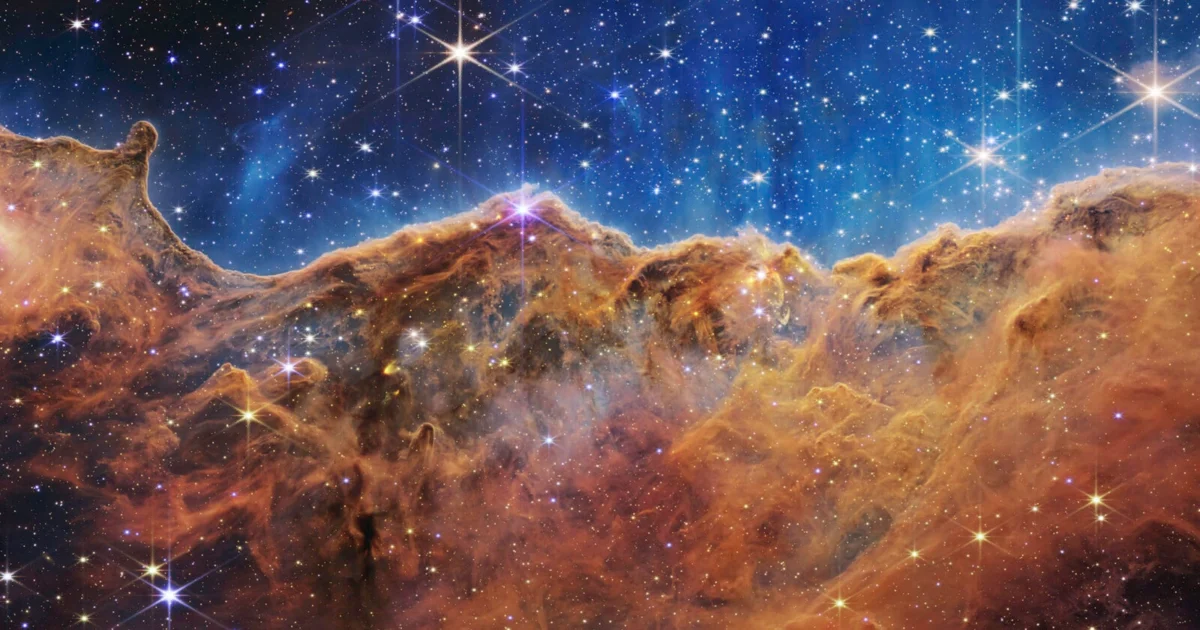
Today marks a monumental milestone in the annals of human discovery: the fourth anniversary of the James Webb Space Telescope (JWST). Since its launch and subsequent deployment into the cold, silent reaches of the L2 Lagrange point, the $10 billion marvel—a collaborative triumph between NASA, the European Space Agency (ESA), and the Canadian Space Agency (CSA)—has fundamentally rewritten our understanding of the universe.
To commemorate this anniversary, we are revisiting the 25 most breathtaking images captured by the telescope to date. While the scientific data generated by Webb has been nothing short of revolutionary, the telescope’s true power lies in its ability to bridge the gap between hard physics and profound artistry. In this selection, we focus on images that not only advance our knowledge of stellar evolution and galactic formation but also possess a transcendent beauty that reminds us of our place in the cosmos.
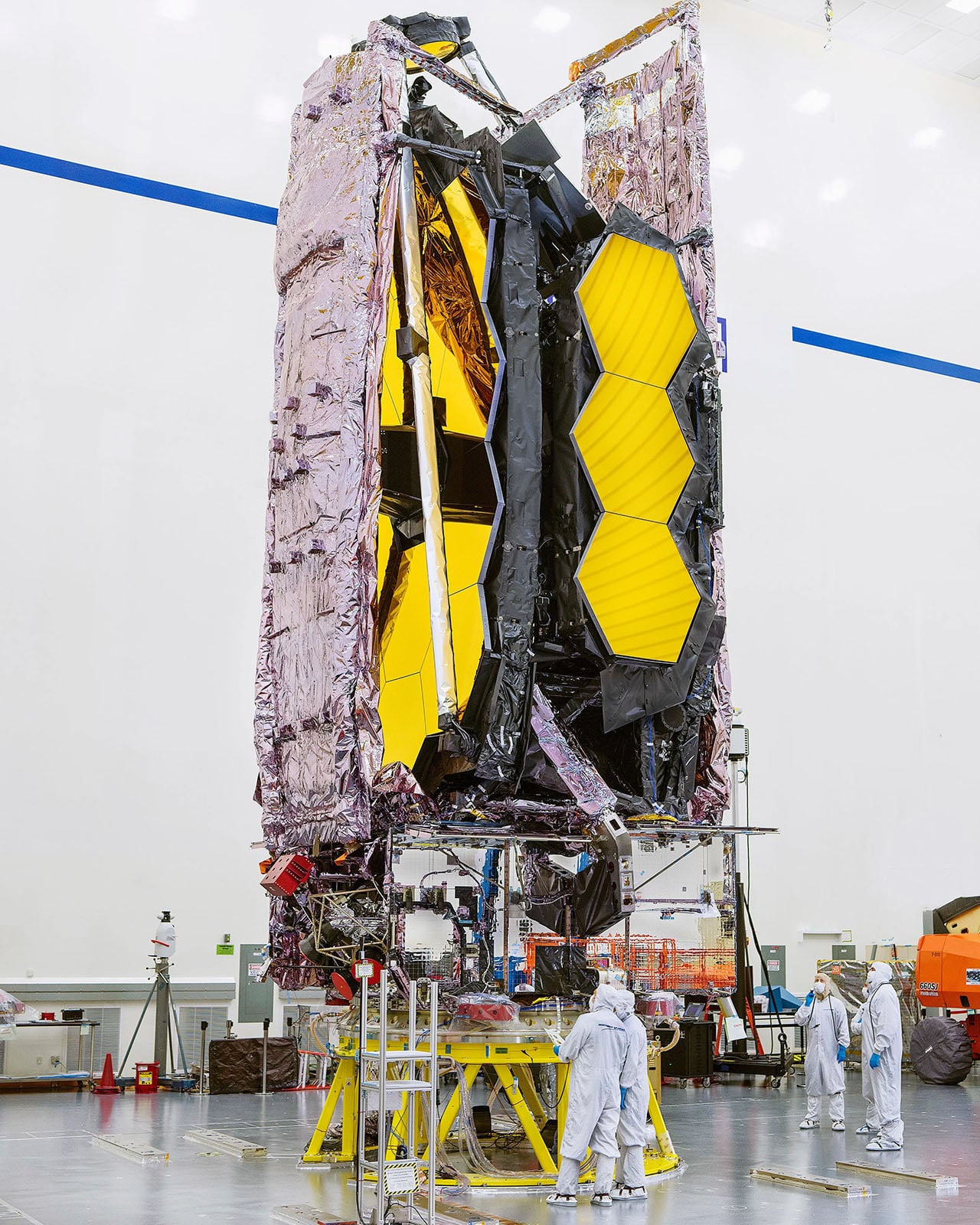
The Engineering Marvel: A Foundation of Precision
Before the light hit the detectors, there was the struggle of engineering. The JWST was designed to be the successor to the Hubble Space Telescope, but it operates in an entirely different regime. By observing the universe in infrared, Webb effectively "sees through" the thick veils of interstellar dust that have historically obscured our view of the cradle of stars.
The telescope’s massive, 6.5-meter gold-plated hexagonal mirror acts as a light-bucket of unprecedented sensitivity. This allows astronomers to peer further back in time than ever before, capturing photons that have been traveling across the vacuum of space for over 13 billion years. As we look at these images, it is essential to remember that they are not merely "pictures" in the conventional sense; they are complex data visualizations. Using the Near-Infrared Camera (NIRCam) and the Mid-InfraRed Instrument (MIRI), scientists translate invisible wavelengths into colors that the human eye can perceive, turning raw spectroscopic data into the vibrant tapestries of the cosmos.
Chronology of Discovery: From First Light to Deep Time
The mission began with a high-stakes deployment that held the world breathless. Following its successful launch, the telescope underwent a series of intricate maneuvers to unfold its sunshield and mirror arrays. Since the release of its first full-color images in July 2022, the cadence of discovery has been relentless.
The Initial Breakthroughs
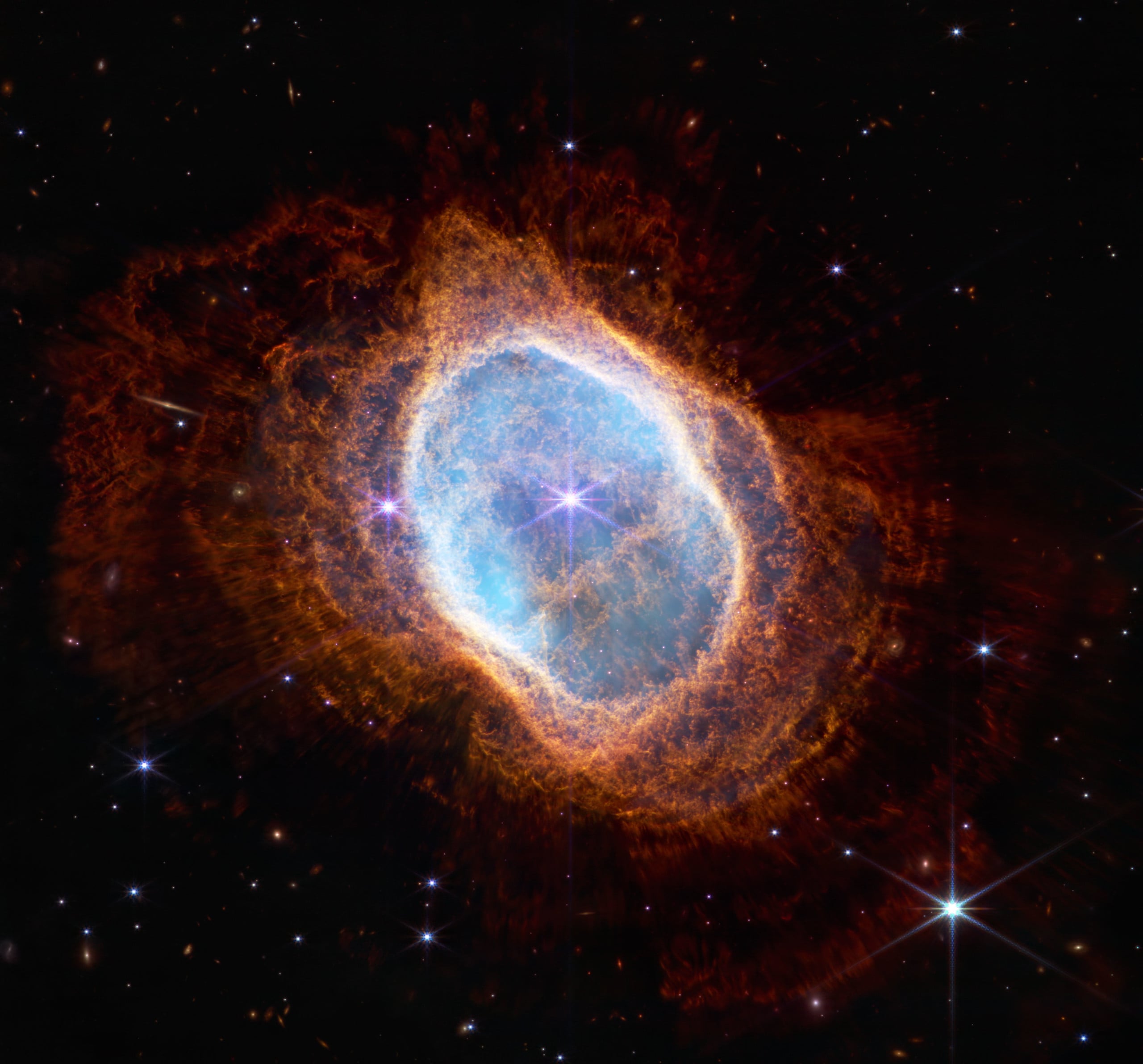
The early images—including the SMACS 0723 deep field, the Carina Nebula, the Southern Ring Nebula, and the iconic Stephan’s Quintet—served as a "proof of life" for the telescope. They demonstrated that the optical precision of the mirror was flawless.
- SMACS 0723: Perhaps the most significant image in modern astronomy, it serves as the spiritual successor to the Hubble Deep Field. It contains light from 13 billion years ago, magnified by the gravity of a foreground galaxy cluster.
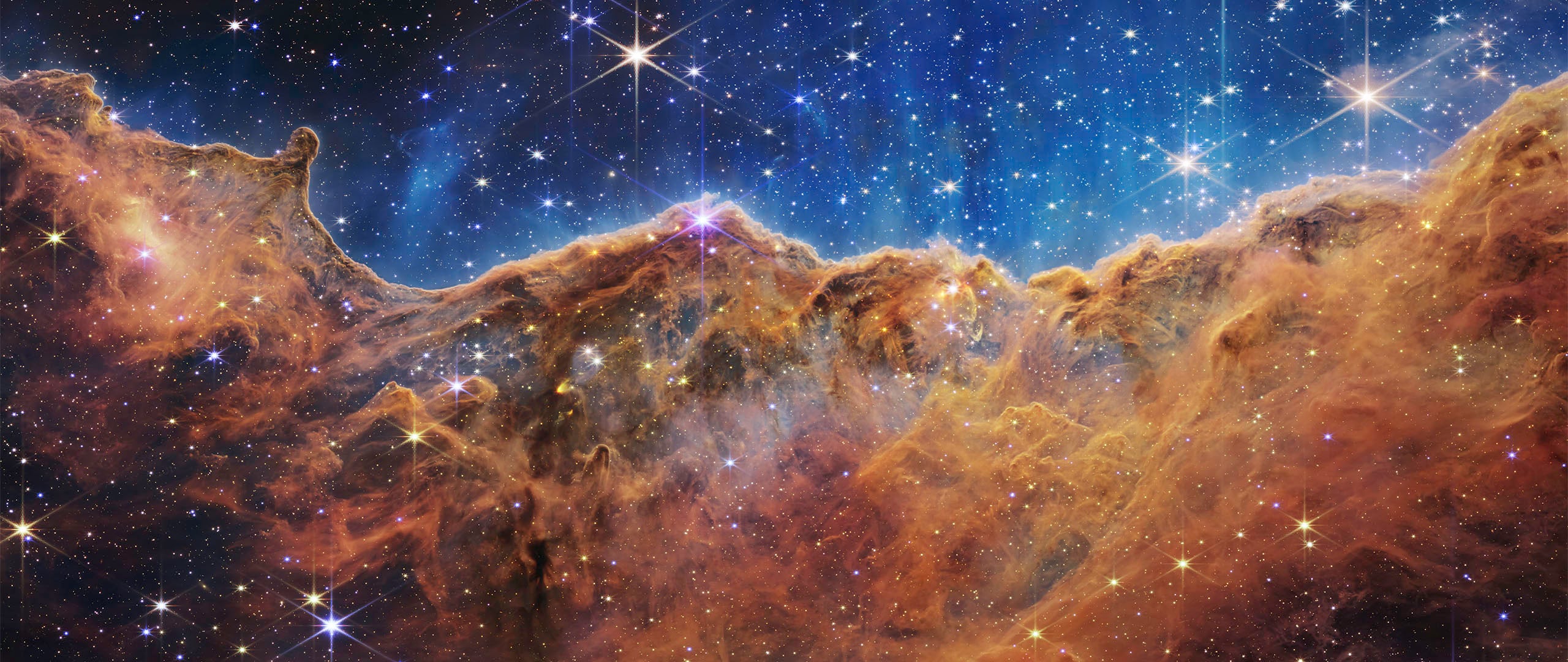
- The Carina Nebula: Often called the "Cosmic Cliffs," this region showcased Webb’s ability to resolve individual stars within dense, turbulent clouds of gas, providing an unprecedented look at the chaotic process of star formation.
Expanding the Solar System Portfolio
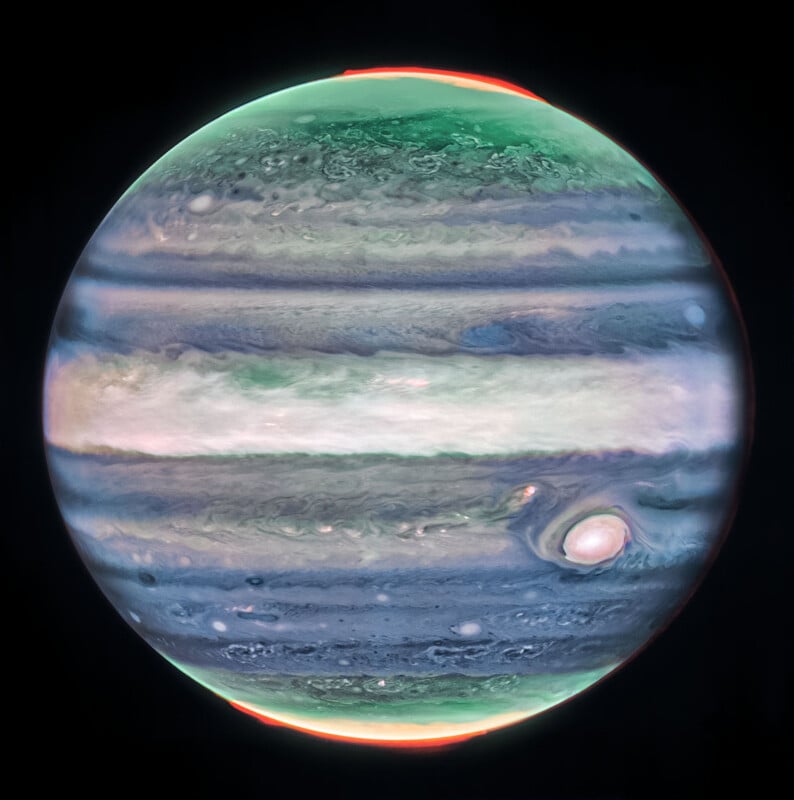
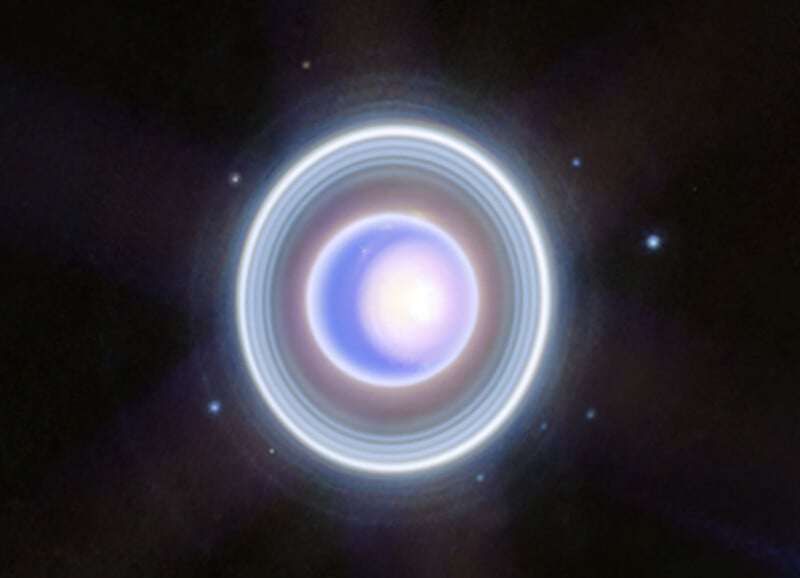
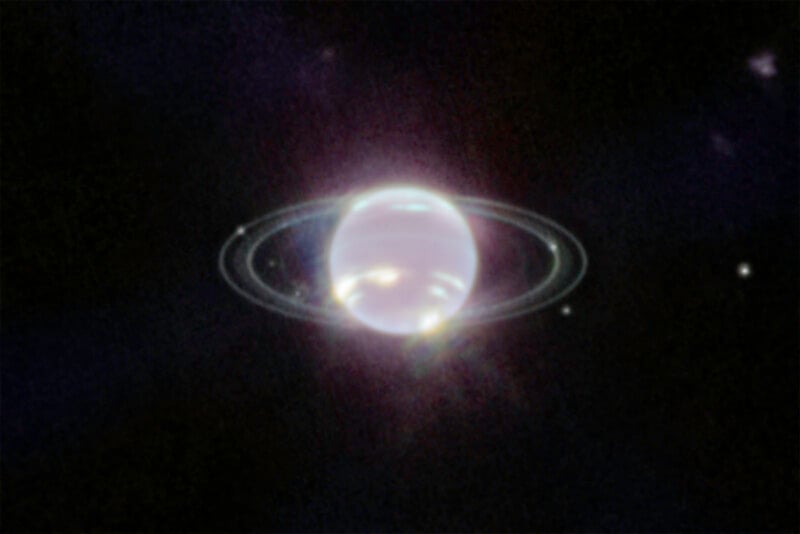
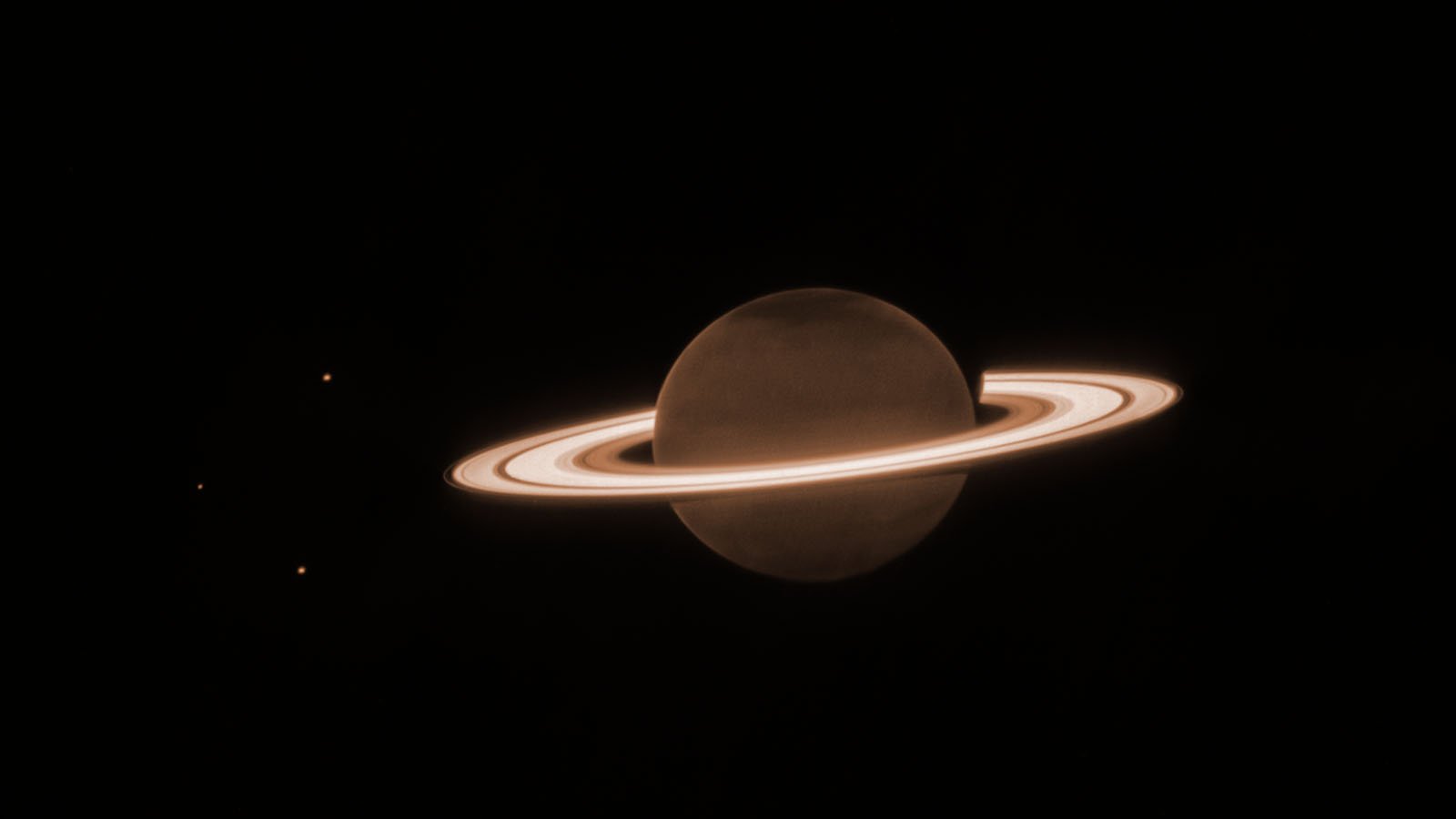
Webb has also proven to be a versatile tool for planetary science. By capturing high-resolution data of our own solar system, it has provided unique insights into the atmospheres of Jupiter, Saturn, Uranus, and Neptune. Notably, the NIRCam imagery of Saturn’s rings revealed the planet in a hauntingly beautiful, dark-hued light, while the recent shots of Uranus resolved seasonal polar caps and previously hidden moons, demonstrating that Webb is as adept at studying our neighbors as it is at observing the edge of the observable universe.
Scientific Implications: Why These Images Matter
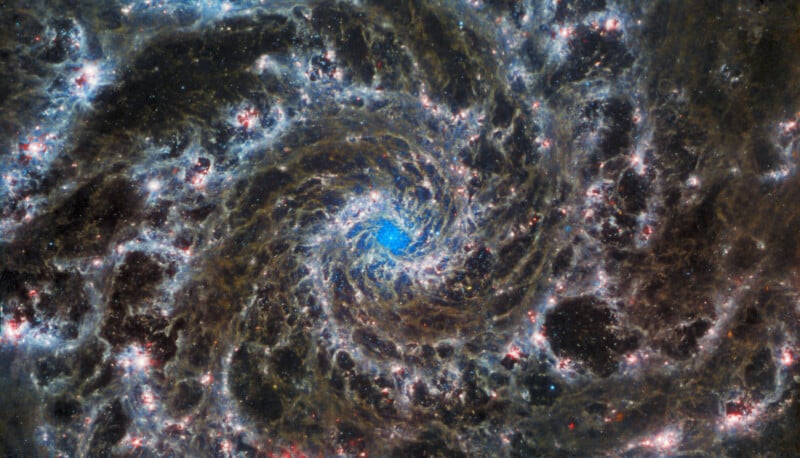
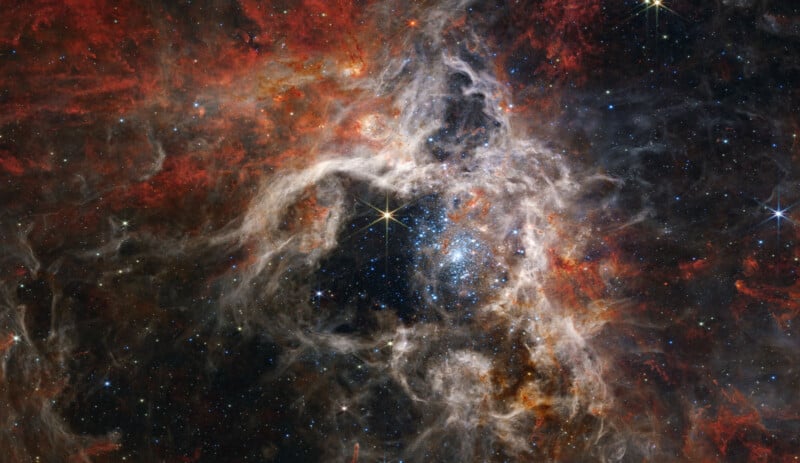
Every image in our collection carries significant scientific weight. The study of galaxies like Messier 74 (The Phantom Galaxy) allows researchers to map the internal structure of spiral galaxies, revealing how star clusters are distributed throughout the spiral arms. Similarly, the Tarantula Nebula serves as a vital "stellar laboratory," helping us understand why some regions of the universe are more prolific at birthing massive stars than others.
Peering Through the Veil
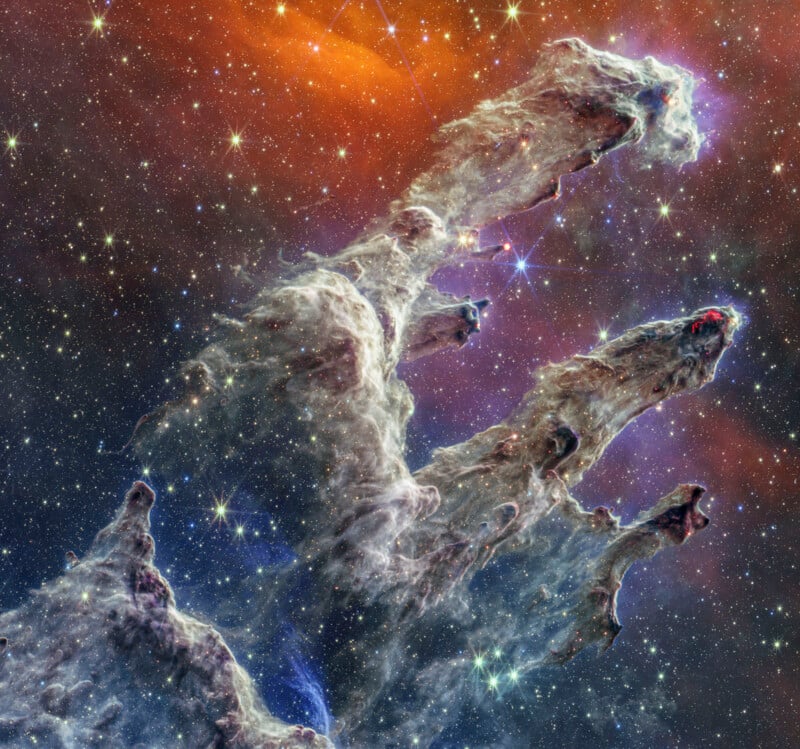
Instruments like MIRI are the key to unlocking these secrets. By utilizing mid-infrared light, MIRI penetrates dense, cold molecular clouds. This was instrumental in the imaging of the Pillars of Creation, where the combination of MIRI and NIRCam data allowed astronomers to strip away the "fog" of the pillars to see the infant stars forming inside.
The Challenge of Time and Distance
The detection of MoM-z14 represents the current frontier of human observation. This galaxy, observed as it existed just 280 million years after the Big Bang, challenges our current models of how early galaxies formed and grew. Finding such a well-developed galaxy so soon after the universe began suggests that the early cosmos was a much more active place than previously theorized.
The Art of Data Processing
A critical, often overlooked aspect of Webb’s mission is the work of the image processors at the Space Telescope Science Institute (STScI). Experts like Alyssa Pagan play a pivotal role in "blending art and science."

The raw data from the telescope is monochrome and segmented. Processors must assign colors to different infrared filters to create a natural-looking representation that highlights specific elements—such as hydrogen, sulfur, or dust densities. This process is not just for aesthetic appeal; it is a vital tool for scientific communication, allowing researchers to visualize chemical signatures and physical structures that would otherwise remain hidden in a spreadsheet of numbers.
Future Prospects: What Lies Ahead
As the James Webb Space Telescope enters its fifth year of operation, the scientific community is shifting from "first light" observation to long-term monitoring. Projects like the JADES (JWST Advanced Deep Extragalactic Survey) program, which has already cataloged over 45,000 galaxies in a single field, are building a statistical census of the universe.
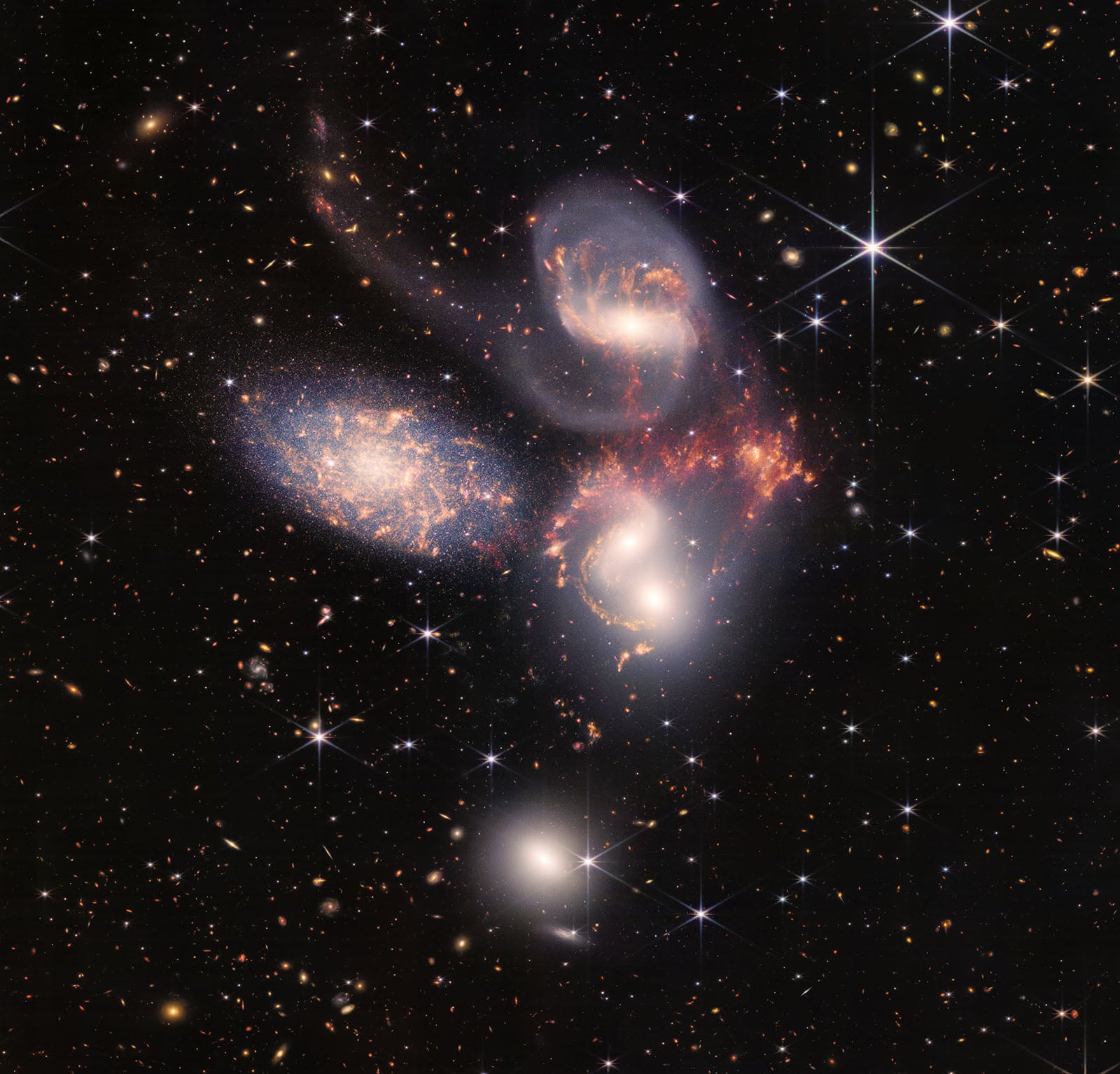
The ongoing study of "peculiar" galaxies like NGC 3256 and NGC 6822 is helping scientists map the history of galactic collisions and chemical enrichment. By studying galaxies with low metallicity—those that lack the heavy elements created by generations of previous stars—we are effectively reading the "fossil record" of the universe, providing clues about the conditions that existed shortly after the Big Bang.

The Role of Gravitational Lensing
Perhaps the most important, albeit visually subtle, contribution is the use of gravitational lensing in clusters like SDSS J1226+2152. By using massive galaxy clusters as "natural telescopes," Webb can magnify objects that are otherwise too dim to be seen. This technique will be the cornerstone of future research into the "Dark Ages" of the universe, providing a window into the formation of the very first stars and black holes.
Conclusion: A Window to the Infinite
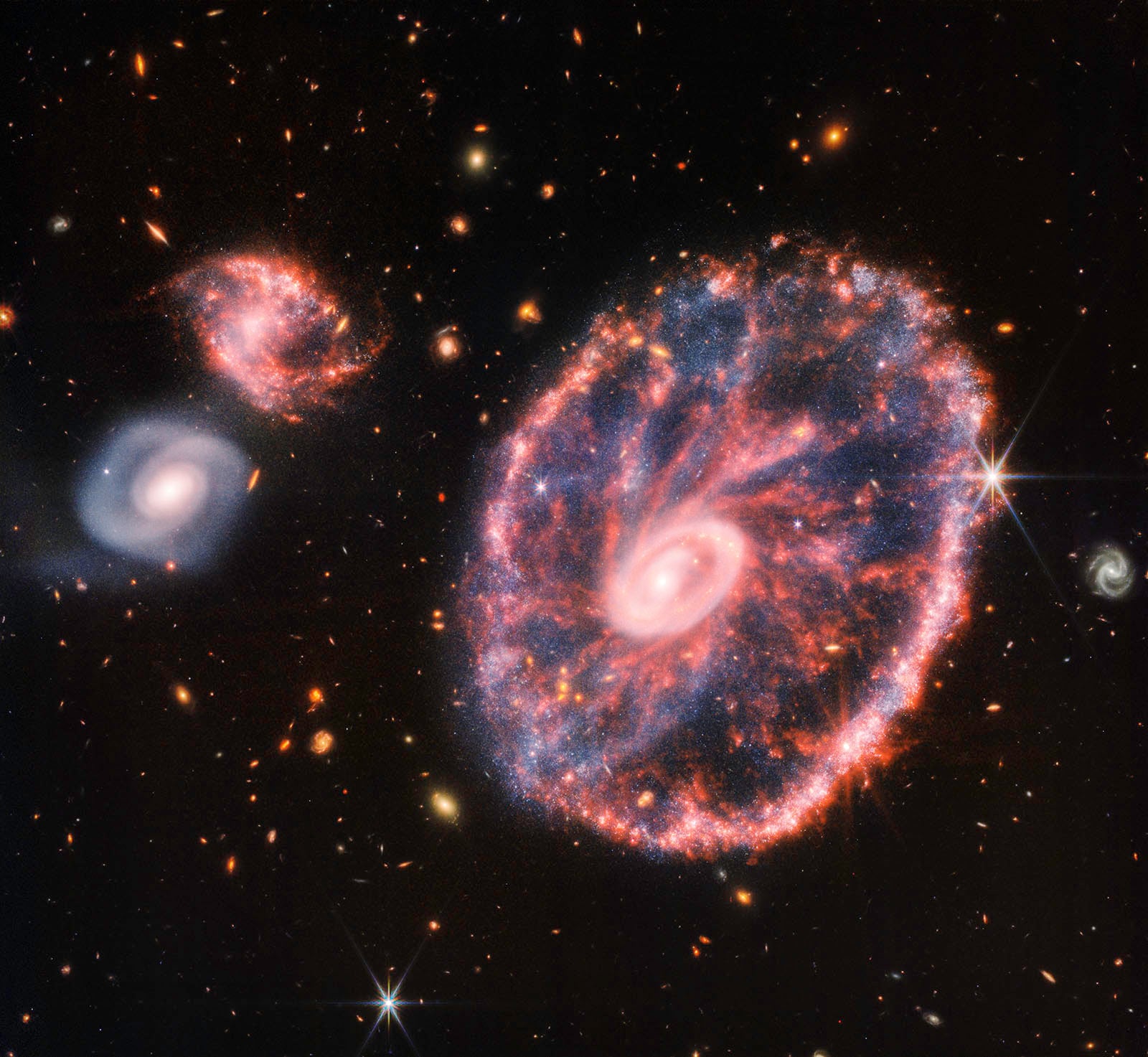
Four years into its mission, the James Webb Space Telescope has proven that it is not merely a tool for gathering data; it is an instrument of inspiration. Whether it is the terrifying majesty of a collision-scarred galaxy like the Cartwheel Galaxy or the delicate, ethereal glow of the Red Spider Nebula, Webb reminds us that the universe is a place of profound complexity and beauty.
As we look toward the next four years, the potential for discovery remains limitless. With each passing day, the telescope continues to gather light that has been traveling for eons, waiting for a gold-plated mirror to intercept it. We are living in a golden age of astronomy, and thanks to the team behind the JWST, we have a front-row seat to the unfolding story of the cosmos.
The 25 Featured Targets (Summary)
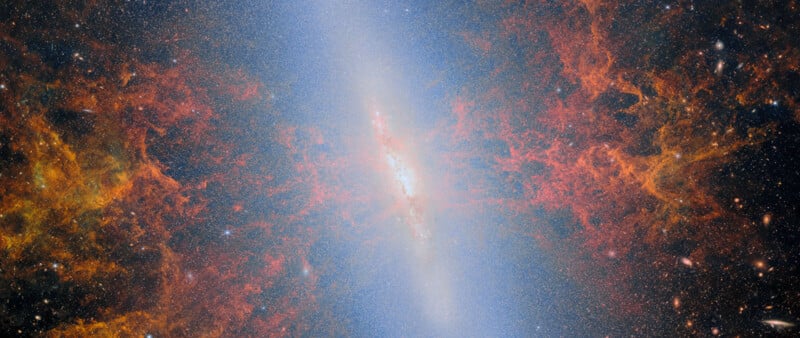
- Galaxies: Messier 74, Messier 82 (Cigar Galaxy), SMACS 0723, Stephan’s Quintet, Cartwheel Galaxy, MoM-z14, JADES (GOODS-South), NGC 3256, Messier 77, NGC 2090, I Zwicky 18, NGC 6822, SDSS J1226+2152.
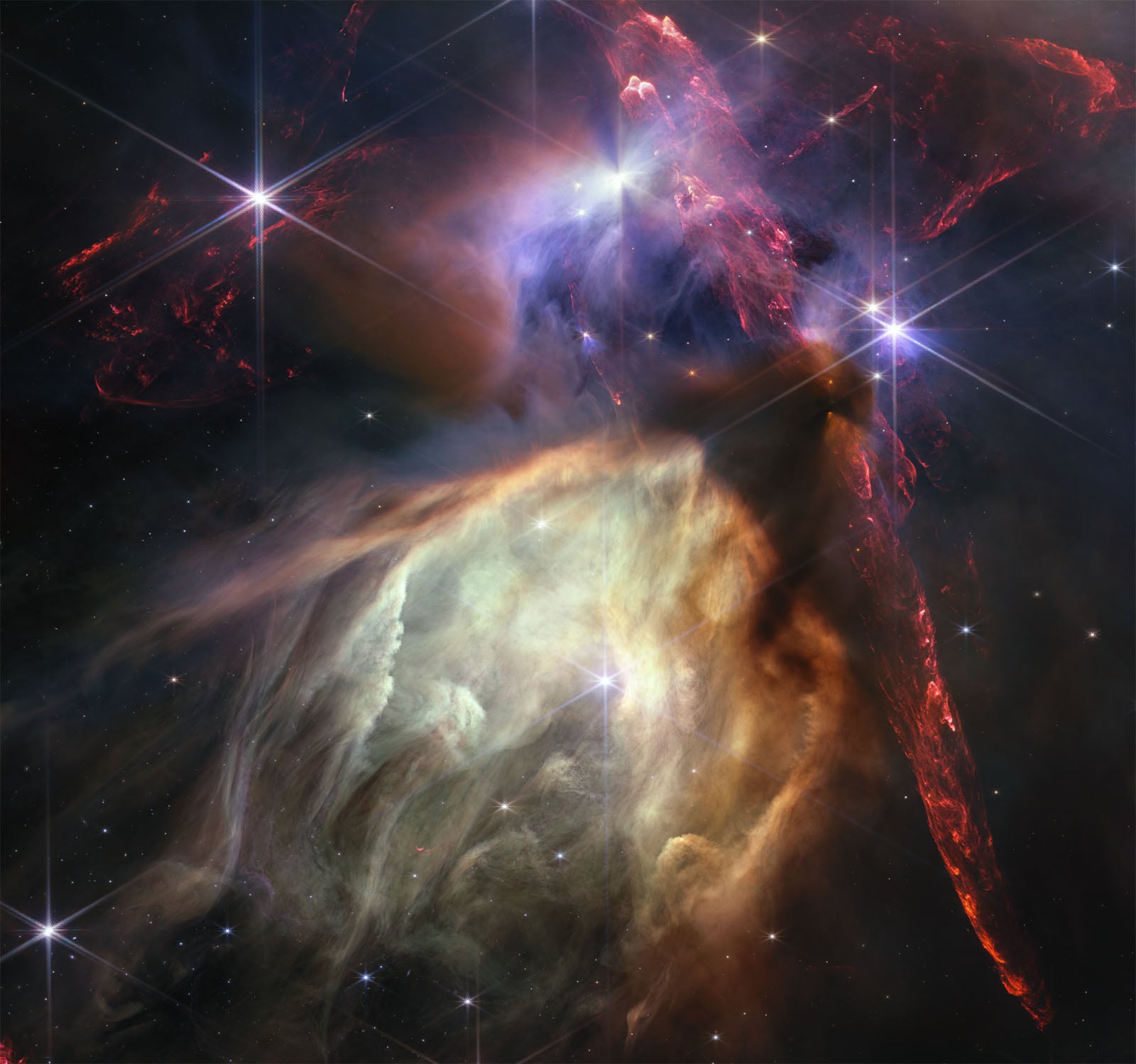
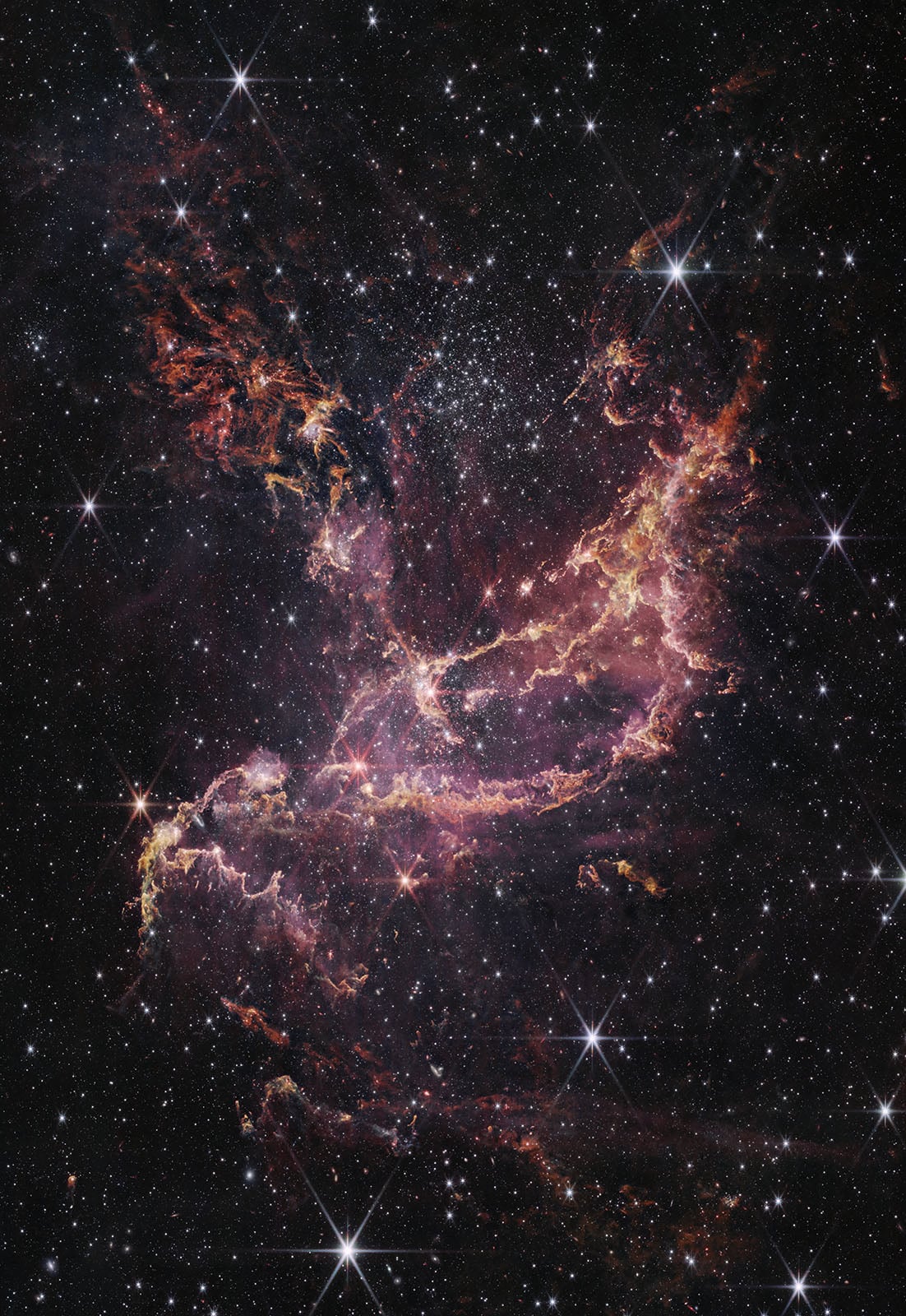
- Nebulae & Star Clusters: Pillars of Creation, Tarantula Nebula, Southern Ring Nebula, Carina Nebula, Rho Ophiuchi, NGC 346, Red Spider Nebula, Westerlund 1.
- Solar System: Jupiter, Saturn, Uranus, Neptune.
Image Credits: All imagery provided by NASA, ESA, and CSA. Individual contributions and processing credits are maintained by the STScI and the respective observation teams.
 Raul Delapena Setiawan
  rifanmuazin
  Ammar Sabilarrohman