
 By Lina Irawan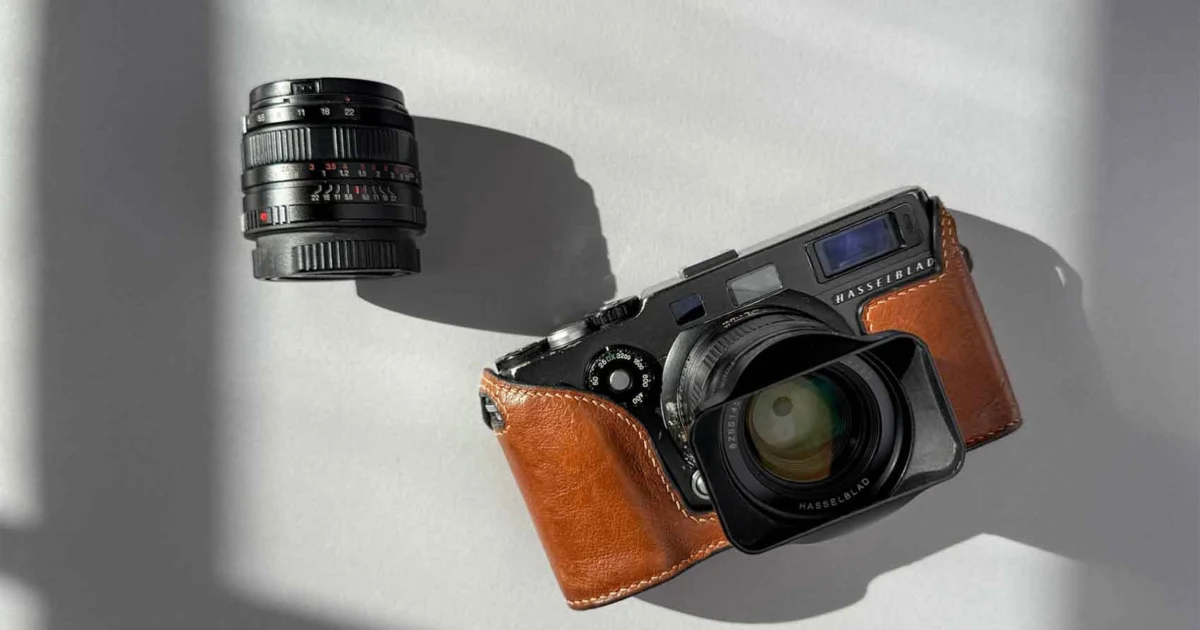
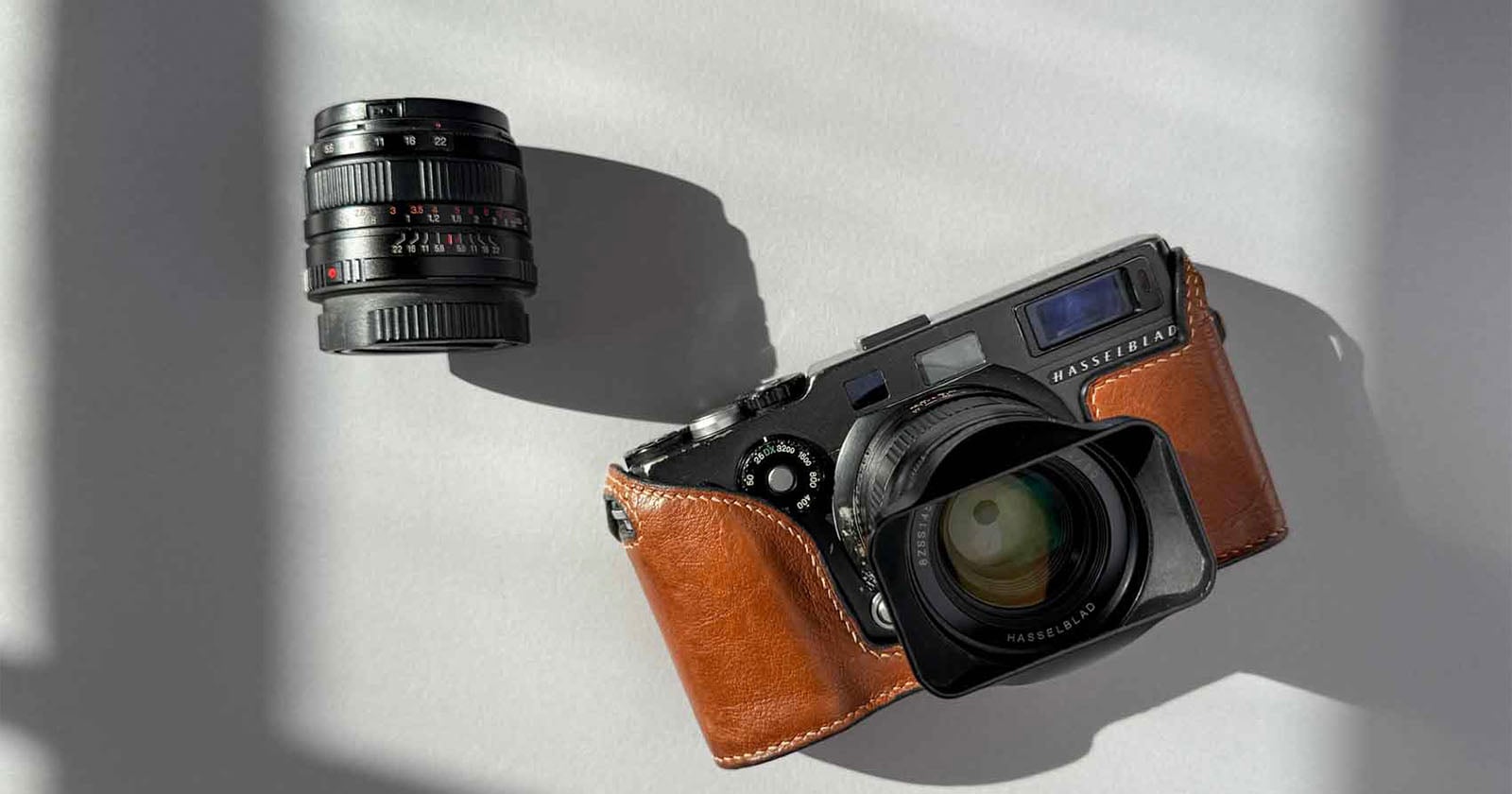
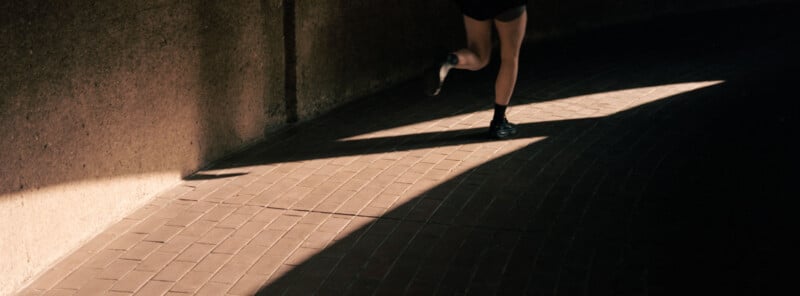
In an era defined by high-speed digital bursts and instantaneous feedback loops, photographer Tom Kluyver recently embarked on a daring creative experiment. His mission: to distill the high-energy, fast-paced world of professional sports modeling into a cohesive, narrative-driven editorial series using the Hasselblad XPan—a camera famously characterized by its deliberate, slow-paced analog workflow. By juxtaposing the fluid kinetics of a runner against the rigid, brutalist architecture of London’s Barbican Centre, Kluyver sought to prove that editorial depth is not a product of volume, but of intentionality.
The Core Concept: Narrative Over Mechanics
Editorial photography functions as the intersection of mood, narrative, and context. Unlike commercial product photography, which aims to highlight specific features of gear or apparel, editorial work relies on the "sum of the parts"—a sequence of images that collectively tell a story far more compelling than any individual frame could capture in isolation.
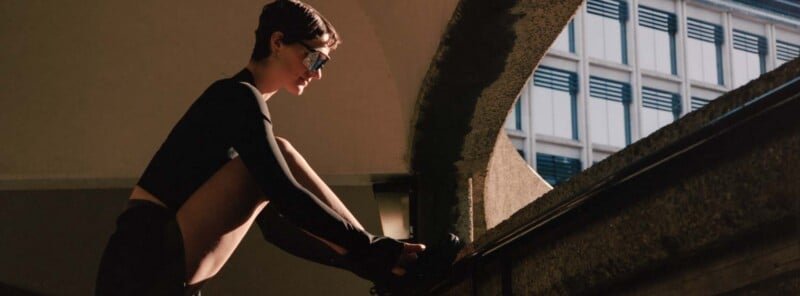
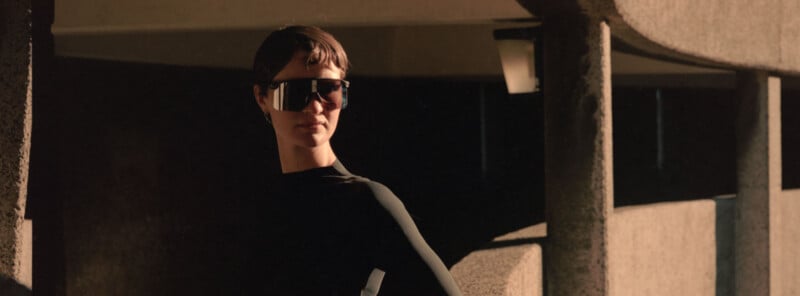
Kluyver’s subject, professional sports model Maud, was chosen not merely for her physical fitness but for her ability to embody the "natural state" of a runner. The project aimed to eschew artificial styling in favor of authenticity, capturing the mental and physical landscape of urban running. The challenge was structural: how to translate the intensity of a high-paced sport into a camera system that mandates manual focus, film advancement, and a lack of instant digital previews.
Chronology of a Sunrise Shoot
The project was the result of meticulous planning and a race against the sun.
The Pre-Shoot Phase
Preparation began with a conceptual framework: the tension between human fluidity and the hard, unyielding geometry of the urban environment. Kluyver selected the Barbican Centre in London, UK, for its iconic brutalist architecture. Its sharp lines, concrete textures, and sweeping curves provided the perfect graphic backdrop for the XPan’s signature panoramic aspect ratio.
The 5:00 AM Call Time
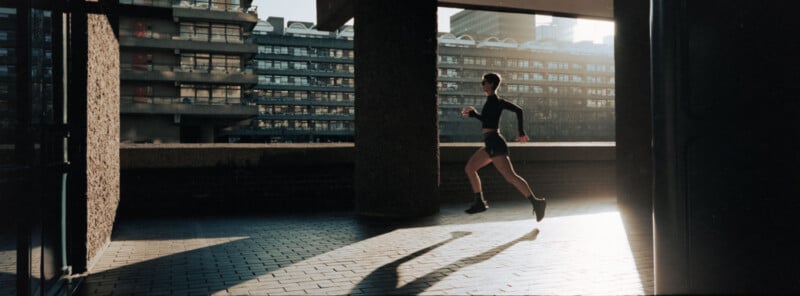
The day of the shoot commenced at 5:00 AM. Before a single frame of Kodak Portra 400 was exposed, Kluyver and Maud conducted a site survey. Understanding the movement of light within the complex was paramount; as the sun rose, it created narrow, fleeting corridors of light that offered high-contrast opportunities. By analyzing how the light shifted between the monoliths of the Barbican, the team was able to map out where the subject would be most effectively isolated from the background.
The Execution
The shooting process was an exercise in extreme discipline. With a limited supply of film and no digital screen to confirm focus or exposure, every click of the shutter had to be earned. The lack of autofocus meant that the success of the shoot relied entirely on a synergistic collaboration between photographer and model. Maud was required to repeat movements with precision, ensuring her posture and position aligned with the specific compositional needs of the panoramic frame.
Technical Methodology: Minimalist Constraints
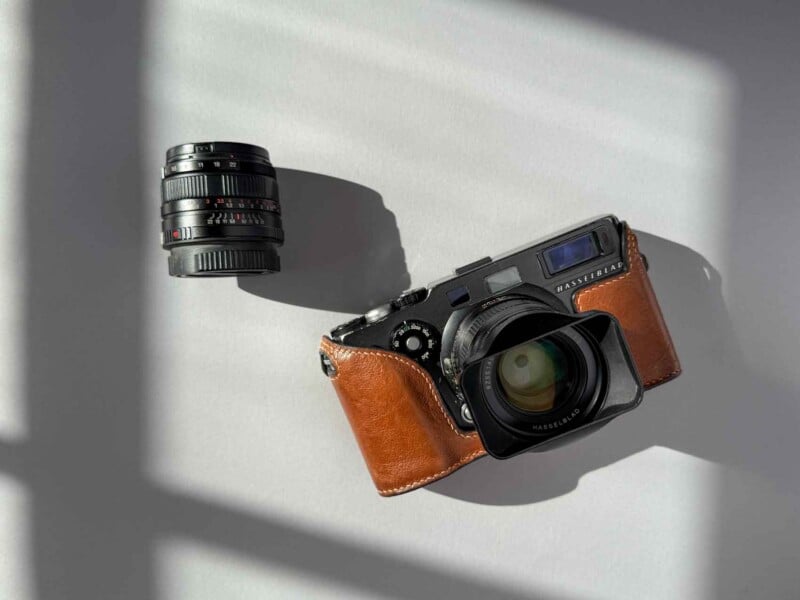
To ensure the shoot remained focused, Kluyver stripped his kit down to the bare essentials. This minimalism was not just a stylistic choice but a technical necessity for maintaining a high-fidelity narrative.
Gear Selection
- Camera System: Hasselblad XPan, chosen for its unique panoramic format which mimics the look of film stills.
- Optics: The 45mm f/4 lens served as the primary tool for context-heavy, wide-angle shots, while the 90mm f/4 lens was utilized for detail and background separation.
- Film Stock: Kodak Portra 400 was the primary choice, selected for its latitude and classic editorial aesthetic.
Metering and Exposure Strategy
The XPan utilizes a center-weighted metering system, which presents a distinct challenge in high-contrast architectural settings. Rather than attempting to balance the entire frame, Kluyver opted to meter specifically for the bright sunlight, allowing the shadows to fall into deep, rich blackness. This decision resulted in a high-contrast, cinematic aesthetic that emphasizes the graphic nature of the architecture while keeping the subject sharply defined within the light.
Supporting Data and Observations
The project yielded twenty total frames—a remarkably small number by modern sports photography standards. Kluyver analyzed these frames not as independent masterpieces, but as a sequence that requires a mix of three distinct types of images:
- The Contextual Wide: Establishing the relationship between the runner and the scale of the architecture.
- The Mid-Distance Still: Utilizing the curves of the environment to lead the viewer’s eye.
- The Close-Up: Focusing on human gesture and emotion to anchor the story.
The "data" gathered from this shoot serves as a case study in the limitations of analog gear. For example, the lack of experimentation with motion blur was identified as a missed opportunity, providing a clear path for improvement in future endeavors.
Professional Implications: The Value of "Slow" Photography
The primary implication of Kluyver’s experiment is a pushback against the "spray and pray" mentality that dominates contemporary digital photography. In the professional sphere, there is a tendency to prioritize high-frame-rate cameras to ensure no moment is missed. However, Kluyver’s work suggests that when the photographer is forced to wait for the "right" moment, the quality of engagement between the subject and the lens increases.
Growth Through Constraints
The project highlights several critical takeaways for editorial photographers:
- Strategic Scouting: A more granular understanding of how light interacts with a location is essential for projects with tight time windows.
- Collaboration: When equipment limits the technical speed, the human element—the rapport between the model and the photographer—becomes the most important piece of gear.
- Narrative Structure: Editorial success is achieved by thinking in sequences rather than individual images.
Reflections on the Creative Process
The project concludes with a realization that while planning is essential, the "joy of discovery" must be preserved. Kluyver admits that while he stuck close to his original storyboard, the moments where he allowed himself to improvise were some of the most rewarding.
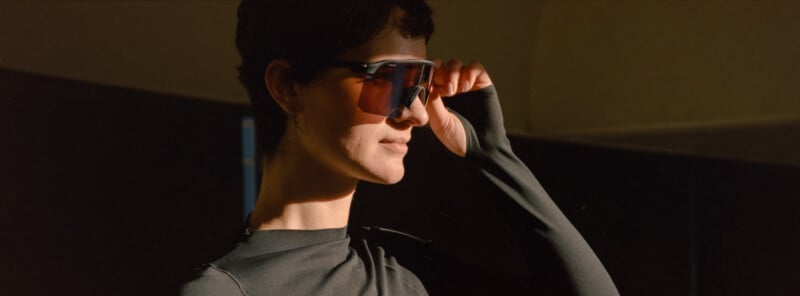
The XPan, in this context, acted as a catalyst for creative growth. By imposing a rigid, mechanical boundary, it forced the photographer to think harder about light, composition, and the essence of the "story" before committing to a frame. The result is a series that captures the essence of a sunrise run not as a document of athletics, but as a chapter in a larger, quieter narrative.
This editorial shoot serves as a poignant reminder to the photography community: sometimes, the most effective way to advance one’s creative career is to slow down, limit one’s options, and focus on the power of the singular, intentional frame. As Kluyver notes, this project was not about capturing the perfect moment; it was about building a cohesive narrative through several images that all serve a singular, unified vision. By embracing the limitations of the Hasselblad XPan, he has not only produced a stunning portfolio piece but has also refined his methodology for future large-scale, context-driven editorial work.
 Raul Delapena Setiawan
  rifanmuazin
  Ammar Sabilarrohman