
 By Asep Darmawan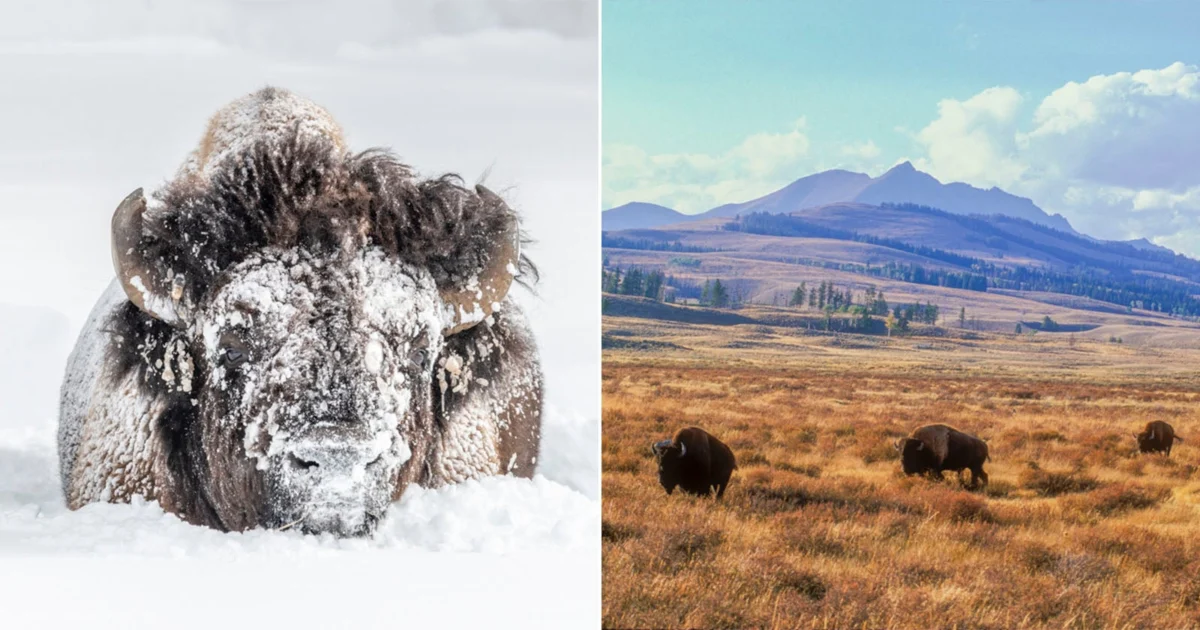
For over fifty years, the rugged, geothermal landscape of Yellowstone National Park has served as more than just a workplace for fine art photographer Tom Murphy—it has been his home, his muse, and his sanctuary. While Murphy has traveled to the furthest reaches of the globe, from the icy expanse of the Arctic to the vibrant biodiversity of Africa, his legacy is inextricably linked to the American bison.
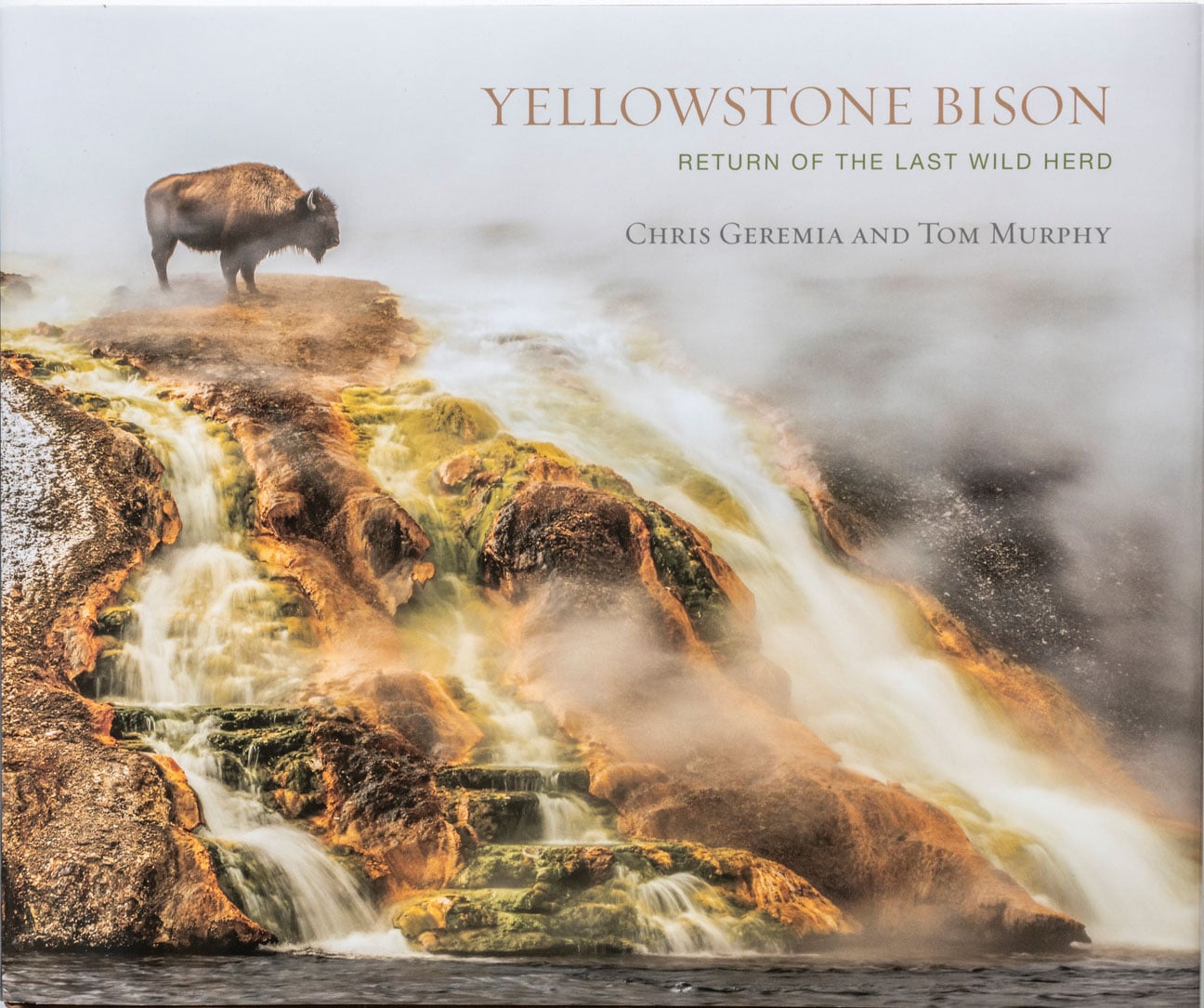
As Murphy celebrates the release of his latest book, Yellowstone Bison: Return of the Last Wild Herd, he invites us to look deeper into the soul of one of North America’s most iconic, resilient, and misunderstood creatures.
The Main Facts: A Collaboration of Science and Art
Murphy’s newest publication is a profound marriage of visual storytelling and rigorous natural science. Co-authored with Chris Geremia, a biologist with two decades of experience managing the National Park Service’s bison herds, the book serves as both a coffee-table masterpiece and an educational manual.
"It’s a really nice relationship," Murphy says of his partnership with Geremia. "He is a smart guy, and I enjoyed the interchange of trying to illustrate what he understands from his studies."
The book, which spans 244 pages of striking photography and insightful commentary, seeks to bridge the gap between the aesthetic appreciation of wildlife and the biological reality of their existence. By the time readers reach the final page, Murphy hopes they will possess a profound understanding of why the bison is not merely an animal, but a keystone of the American West.
A Chronological Journey: From South Dakota Ranches to Yellowstone Peaks
Murphy’s obsession with the bison did not begin in a classroom or a gallery; it began in the dirt of his childhood. Growing up on a 7,500-acre cattle ranch in South Dakota, the young Murphy was surrounded by the lingering ghosts of a species that had once dominated the Great Plains.
"There were bison signs all over our ranch," Murphy recalls. "About a hundred and some years before I was born, there were still bison walking around in western South Dakota."
During his youth, he would spend hours unearthing the remnants of this lost era. He found ancient, weathered skulls and bleached horn shells embedded in the soil. He walked the deep, 15-foot-wide depressions of historic bison trails that cut across the landscape like scars, and he explored the expansive wallows where the massive beasts once rolled in the dust. These early encounters with the "echoes" of the species ignited a curiosity that would eventually lead him to move to Yellowstone as an adult, seeking the very wildness that had defined his childhood daydreams.
Supporting Data: The Remarkable Recovery
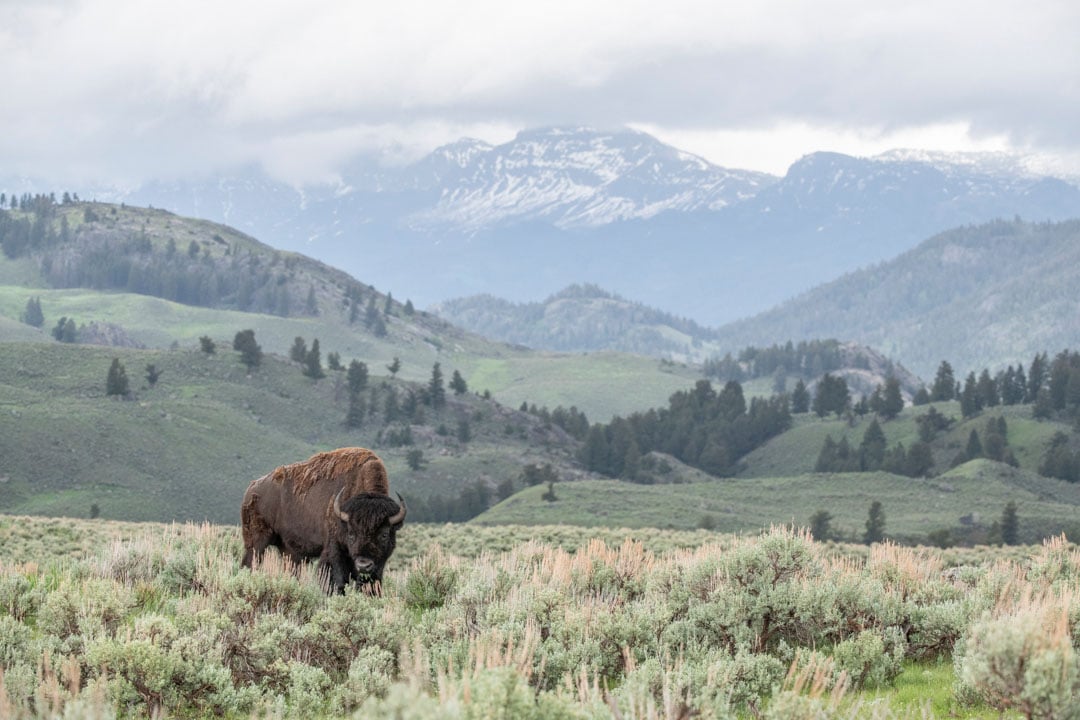
The story of the Yellowstone bison is a testament to the power of conservation. In the late 19th century, the species was pushed to the absolute brink of extinction, with fewer than two dozen individuals remaining in the park. Through decades of dedicated protectionist policies and proactive human intervention, that number has swelled.
Today, there are an estimated 5,300 wild bison roaming the park. Yellowstone stands alone as the only place on Earth where a continuously free-ranging, wild population has persisted since the prehistoric era. When Murphy first picked up a camera to document the park’s wildlife, the population hovered around 1,500. Watching that number climb to over 5,500 has provided Murphy with a front-row seat to one of the greatest wildlife success stories in modern history.
The Reality of the "Gentle Giant"
Despite their peaceful appearance while grazing in meadows, bison are formidable, 2,000-pound creatures capable of startling speed. Murphy is quick to dispel any misconceptions about their temperament.
"Most of the time they’re pretty quiet, but you’ve got to remember, they can outrun most horses," he warns. "They’re an extremely fast animal."
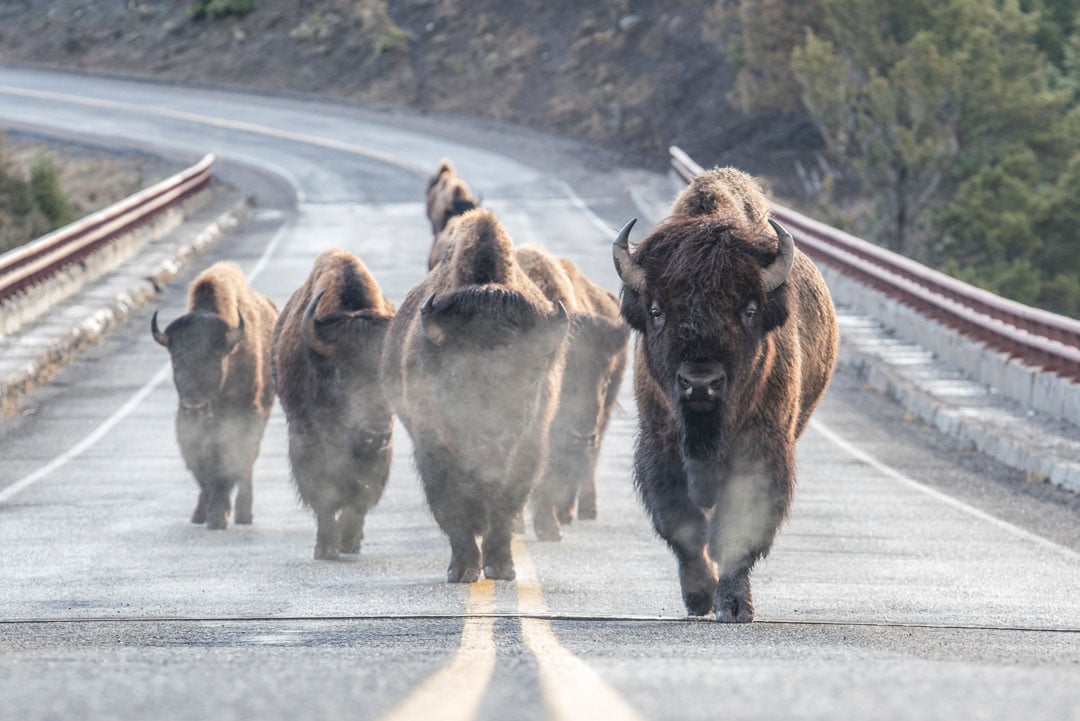
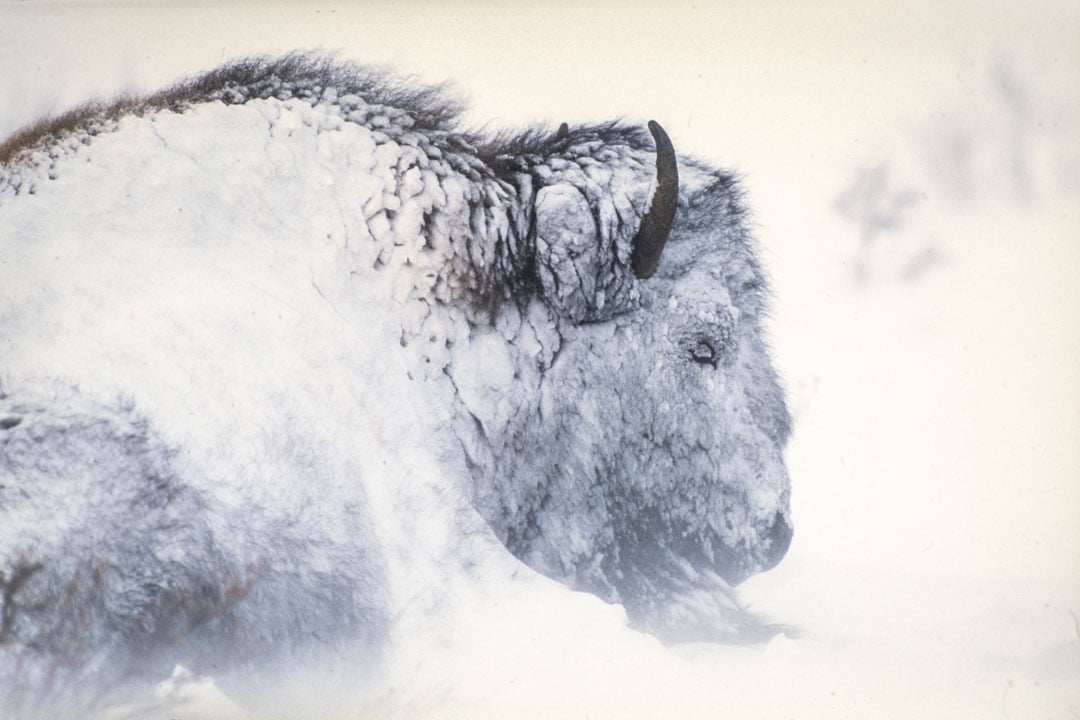
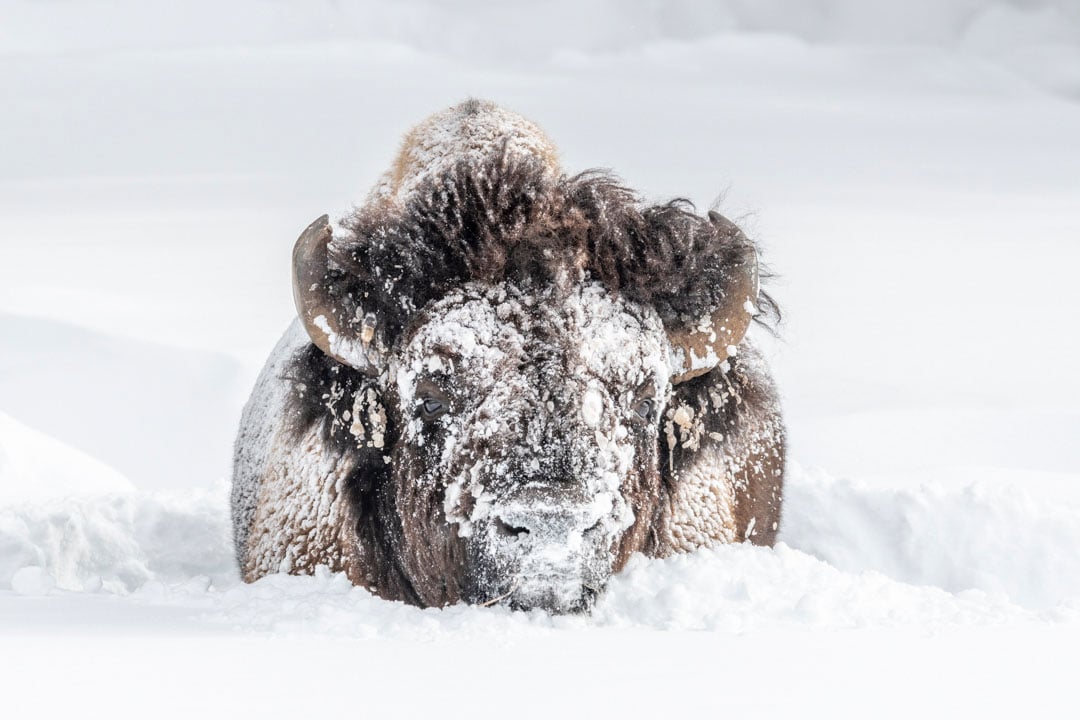
Murphy recounts a story from a colleague who witnessed two bulls fighting, with the loser leaping entirely over a car in a panicked, adrenaline-fueled escape. These moments of high-octane drama, contrasted against the quiet, snow-dusted serenity of the winter months, define the duality of the bison’s existence. They are as rugged as the terrain they inhabit, evolved to survive in some of the most brutal environments on the planet.
Defining the "Successful" Wildlife Photograph
For a photographer with over 6,000 bison images in his Lightroom catalog, selecting the final imagery for his book was a task of immense difficulty. Murphy classifies the success of a wildlife photograph into three distinct tiers:
- The Aesthetic Portrait: A clean, visually striking image of the animal. While valuable, Murphy considers this the foundational level.
- The Narrative Image: A photograph that captures the animal in action, revealing behavior or interaction.
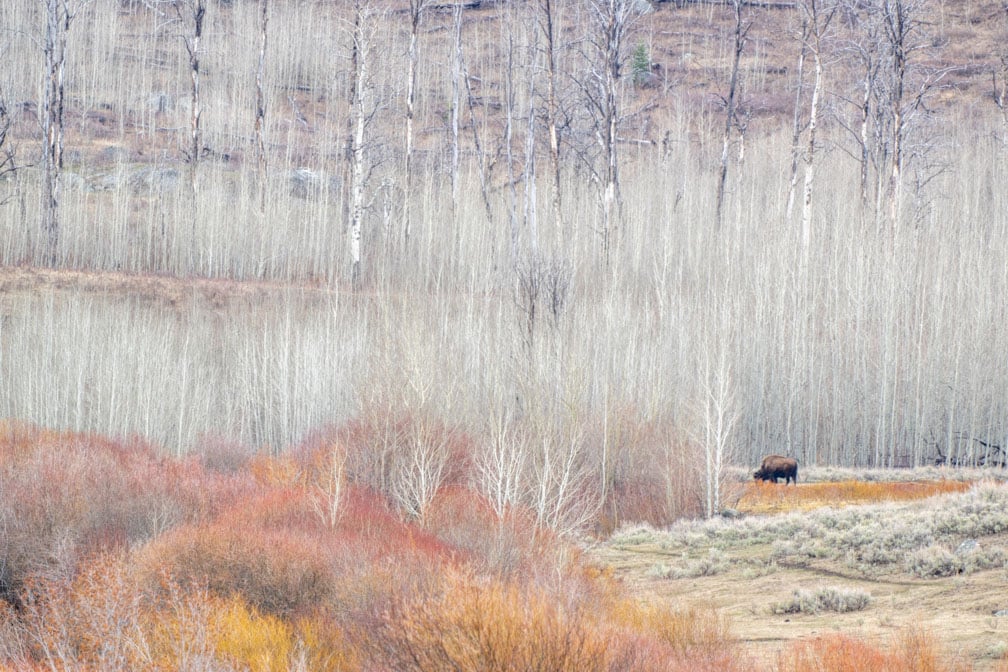
- The Contextual Masterpiece: The "holy grail" of wildlife photography, where the subject, the behavior, and the landscape converge in perfect harmony.
The cover of his new book perfectly encapsulates this third tier. It depicts a bison cow standing amidst the steam of the Grand Prismatic Spring, the largest hot spring in the United States, in temperatures approaching 20 degrees below zero. "She was keeping warm from the steam," Murphy explains. "It says a lot about bison and Yellowstone National Park."
The Philosophy of "Murphy’s Luck"
When asked about his secret to capturing such rare, fleeting moments, Murphy rejects the common attribution of "luck." Instead, he advocates for what he calls "Murphy’s Luck"—the idea that you create your own fortune through discipline, presence, and deep, institutional knowledge.
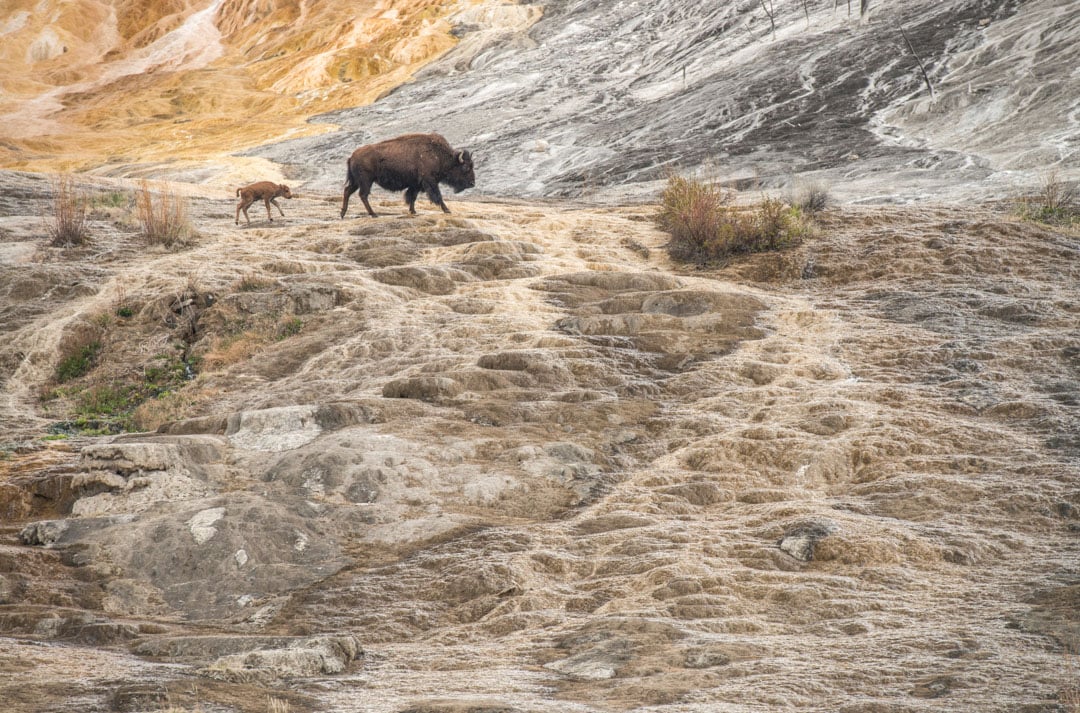
"How do you make a good photograph? F/8 and be there," he jokes, citing the age-old photography adage. But for Murphy, "being there" is a career-long commitment. He notes that while a talented photographer might capture a few great shots in a week-long visit, a true body of work requires years of immersion.
"Forty-plus years of concentration on Yellowstone allowed me to have the time to accumulate the knowledge I need," he says. This patience has allowed him to build what he calls a "castle of memories," a collection of work that documents not just the animals, but the spirit of the wild places they call home.
Implications for Future Conservation
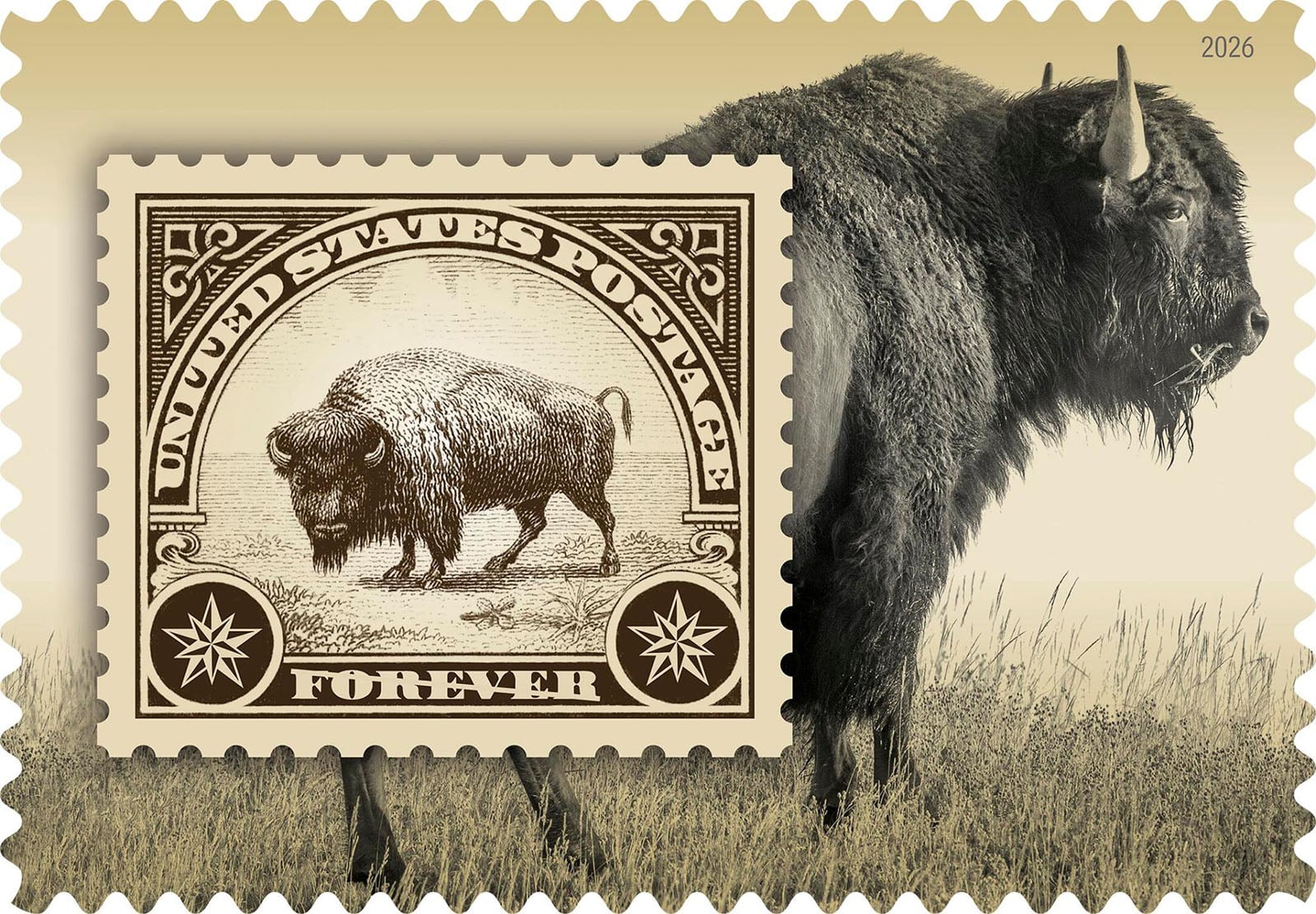
The recent release of his book and the commemorative United States Postal Service stamp featuring his work highlight a growing public interest in the bison. As society becomes increasingly disconnected from the natural world, Murphy’s work serves as a vital reminder of the value of preserved wilderness.
The implications of his work are clear: conservation is not a passive act. It requires the same perseverance that Murphy applies to his photography. By documenting the resilience of the bison, he encourages a new generation to value, protect, and respect the wild spaces that remain.
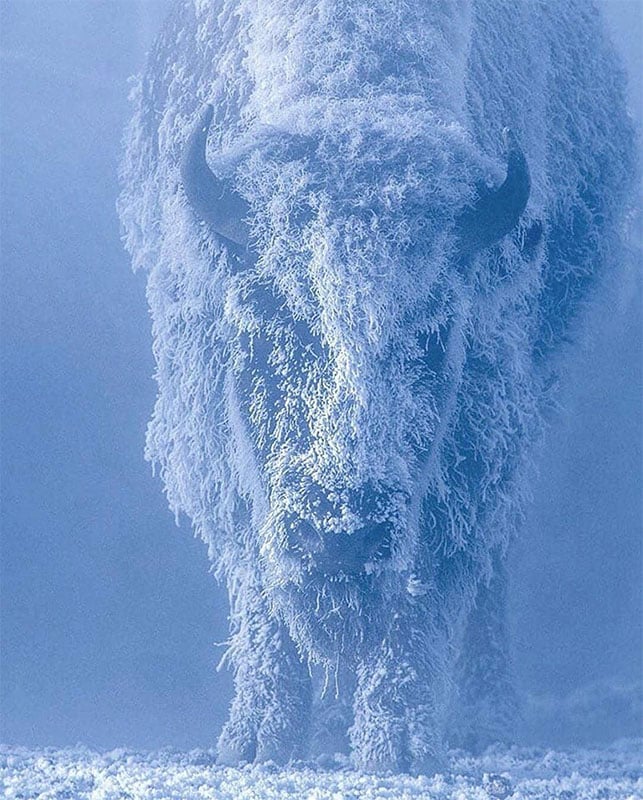
"I’ve been intrigued by these bison for the last 50 years," Murphy says. "And it feels like people are starting to catch on that they’re really an amazing critter."
Conclusion: A Legacy of Beauty
As Tom Murphy continues to roam the hills and valleys of Yellowstone, he remains as captivated as he was on his first family vacation to the park. He views his life’s work as a continuous pursuit of beauty, a way to translate the majesty of the natural world into a visual language that everyone can understand.
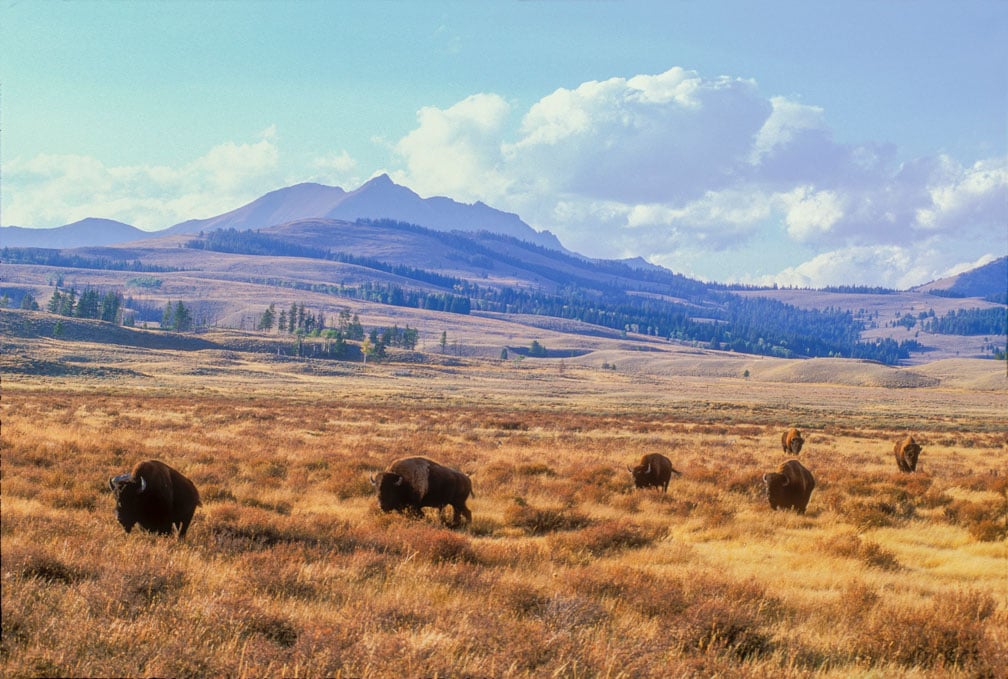
"It’s a wonderful thing to spend your time pursuing beauty," he concludes. For those inspired by his journey, Yellowstone Bison: Return of the Last Wild Herd is available for purchase now, offering a window into the life of the last wild herd and the man who has spent half a century documenting their enduring strength.
Through his lens, the bison of Yellowstone are more than just a statistic or a species—they are the living, breathing heart of the American landscape, and thanks to Murphy, their story will be told for generations to come.
 Raul Delapena Setiawan
  rifanmuazin
  Ammar Sabilarrohman