
 By rifanmuazin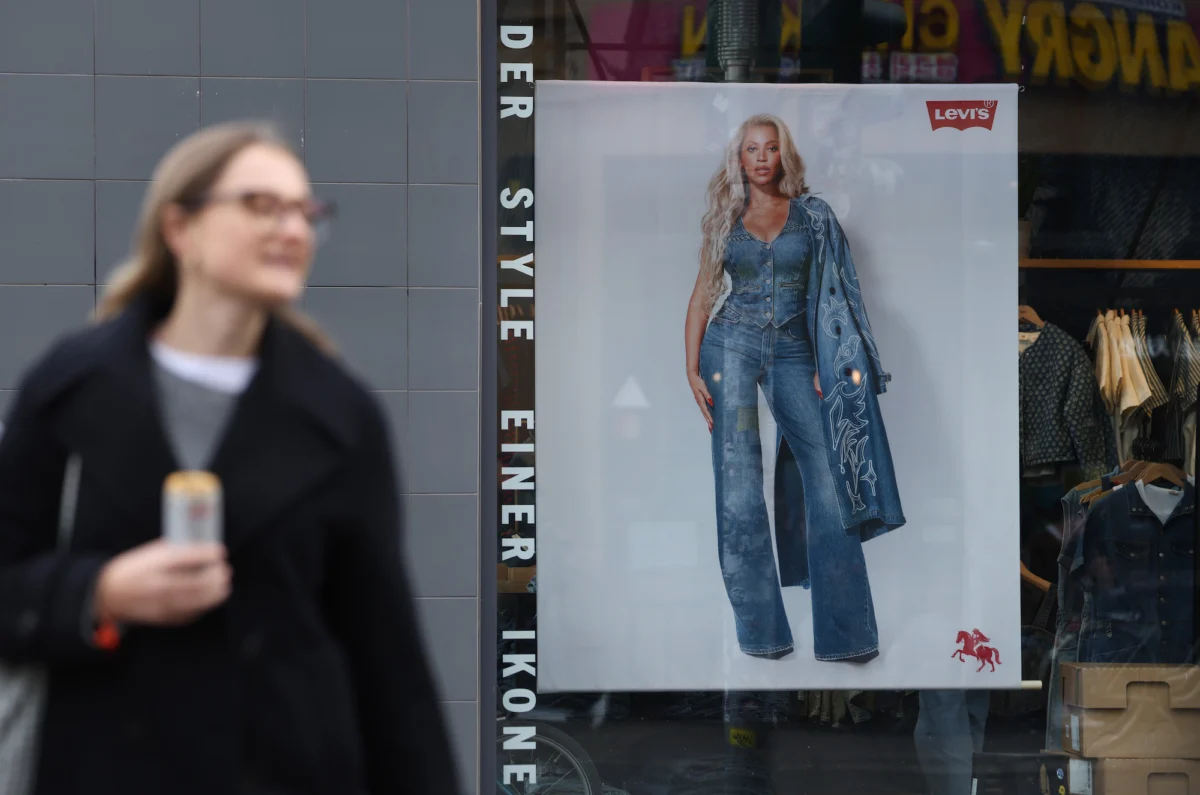
As the United States celebrates its 250th anniversary, the blue jean—perhaps the most enduring symbol of American pragmatism and rebellion—has enjoyed a renewed cultural spotlight. From the red carpets of Hollywood to the patriotic marketing campaigns of summer 2024, denim remains firmly entrenched in the American visual identity. However, beneath this polished veneer of national heritage, the reality of the business is far more turbulent.
A rigorous new analysis from investment bank Jefferies, developed in collaboration with Euromonitor, suggests that the denim industry is currently navigating a structural identity crisis. Far from the post-pandemic resurgence that many executives had projected, the data indicates that the "denim cycle" is no longer the reliable engine of growth it once was. Instead, the category faces a complex landscape defined by shifting consumer values, a permanent migration toward comfort, and a fundamental struggle to justify price increases to a value-conscious public.
The Myth of the Post-Pandemic Boom
In 2021, as retail markets began to thaw following the initial shocks of the COVID-19 pandemic, many industry analysts and brand executives spoke fervently of a "denim cycle." The theory was simple: after months of sweatpants and leggings, consumers would inevitably gravitate back to the structure and durability of denim.
The data, however, tells a different story. Jefferies’ latest report flatly challenges this optimism, noting that there was "no major boom in the denim industry" over the last several years. In fact, when measured against the broader apparel market, U.S. jeans have consistently underperformed. While 2025 has shown slight signs of a pivot, the historical trend lines suggest that denim has been fighting a losing battle against the encroaching dominance of athleisure.
The "multi-decade shift" toward comfort—a trend accelerated, but certainly not created, by the pandemic—has placed a hard ceiling on the category’s growth potential. Consumers have become accustomed to the tactile ease of leggings and technical fabrics, and the rigid, high-maintenance denim of yesteryear has lost its appeal for the average shopper.
A Chronology of the Silhouette Shift
The evolution of the jean silhouette provides a roadmap for the industry’s current challenges. The demise of the "skinny jean" is often blamed solely on the lockdown-era pivot to loungewear, but the Jefferies report suggests the transition was more nuanced and began in earnest in 2021 as regional restrictions were lifted.
- 2020–2021: The Comfort Pivot: As lockdowns became the global norm, the skinny jean—already waning in popularity—was effectively retired in favor of elasticized waistbands and soft-touch fabrics.
- 2021–2022: The Baggy Revolution: As consumers re-entered the public sphere, the return to denim was not a return to tradition. Instead, the market embraced wide-leg, baggy, and "barrel" fits. These styles prioritized airflow and ease of movement, mimicking the feeling of sweatpants while offering the aesthetic of denim.
- 2023–2024: The Stagnation of the Skinny: Despite runway designers and social media influencers attempting to manufacture a "skinny jean comeback," the mass market has remained largely unmoved. Jefferies notes that while these fits generate significant "hoopla" online, they lack the consumer buy-in necessary to move the needle.
- 2025 and Beyond: The Middle Ground: The industry is now gravitating toward a compromise: slim and straight-leg fits that offer a cleaner silhouette than the baggy trend without the restrictive nature of traditional skinny denim.
Interestingly, the report identifies a potential outlier in the form of the "GLP-1 economy." As the adoption of weight-loss drugs like Ozempic and Wegovy grows, some market analysts hypothesize a renewed interest in highly fitted, structured clothing—potentially breathing life back into the skinny jean for a specific subset of the population.
Supporting Data: The Pricing Conundrum
Perhaps the most alarming finding in the Jefferies report is the industry’s "structurally limited pricing power." While consumers have seen the cost of their favorite denim brands rise over the last decade, these price hikes have rarely been driven by an increase in brand equity or demand. Rather, they have been "cost pass-throughs"—a desperate attempt by manufacturers to keep margins stable in the face of rising labor and supply chain costs.
The Retail Breakdown
The U.S. market is heavily stratified, with clear lines of demarcation:
- Economy ($0–$30): Represents 45 percent of the U.S. market. This segment is driven by pure price sensitivity.
- Standard ($30–$75): Accounts for 40 percent of the market. This group caters to younger, trend-focused consumers who prioritize variety over long-term investment.
- Premium and Super-Premium ($75+): These segments are struggling to differentiate themselves. The report is particularly critical of the "super-premium" tier, noting that affluent consumers have largely stopped prioritizing denim as a luxury item, favoring other categories or categories with more discernible brand status.
The report highlights Levi’s "Blue Tab" collection as a crucial experiment. By positioning the collection just below the $300 threshold, Levi’s is attempting to capture the "aspirational" shopper—those who want a premium experience without entering the nebulous world of high-fashion luxury. Success here could provide a blueprint for other legacy brands to drive Average Unit Retail (AUR) growth.
Industry Implications and Future Opportunities
Despite the headwinds, the global denim market is not stagnant. Jefferies projects that jeans will outperform the broader global apparel category in the coming years, provided brands can adapt to the digital-first habits of Gen Z and Alpha.
Geographic Frontiers
- Brazil and Indonesia: These markets are currently the "growth engines" of the denim world. Driven by younger female demographics and a growing middle class, these regions favor value-focused, high-volume denim consumption.
- Europe: The strategy here is defined by innovation. Collaborations and "circular" denim models (focusing on sustainability and recycling) are essential to capturing the European consumer, who is increasingly wary of fast-fashion waste.
- APAC and Latin America: Digital engagement is the primary lever. Platforms like TikTok Shop and other "social commerce" hubs are no longer optional; they are the primary storefronts for reaching younger, trend-sensitive demographics.
The Female-Led Growth Strategy
The women’s market is currently the primary target for growth, as this segment demonstrates a higher intent to increase spending compared to men. The category is notably more fragmented and trend-driven, providing a unique "white space" for emerging brands to capture market share.
Legacy giants are not sitting idle. Both Levi’s and Wrangler have aggressively restructured their women’s business units. This involves moving beyond the "unisex" or "shrink-it-and-pink-it" strategies of the past to implement fit-diverse collections, female-led marketing campaigns, and a renewed emphasis on "head-to-toe" denim dressing.
Conclusion: The Path Forward
The denim industry is currently caught between its past as a rigid, durable workwear staple and its future as a fashion-forward, comfort-oriented lifestyle category. The "denim cycle" of the past—where trends moved in predictable, decade-long waves—has been shattered by the speed of social media and the volatility of global consumer behavior.
For brands to thrive in this new environment, they must stop trying to force consumers back into the jeans of yesterday. The path to growth lies in "middle-ground" silhouettes, a more sophisticated understanding of the premium segment, and a willingness to embrace the digital-native shopping habits that define the current generation. Denim will always be an American icon, but for the industry to remain profitable, it must prove that it is still relevant to the daily lives of the modern consumer—not just a vestige of a bygone era.
 Neng Nana
  Ali Ikhwan
  Lina Hope