
 By Asro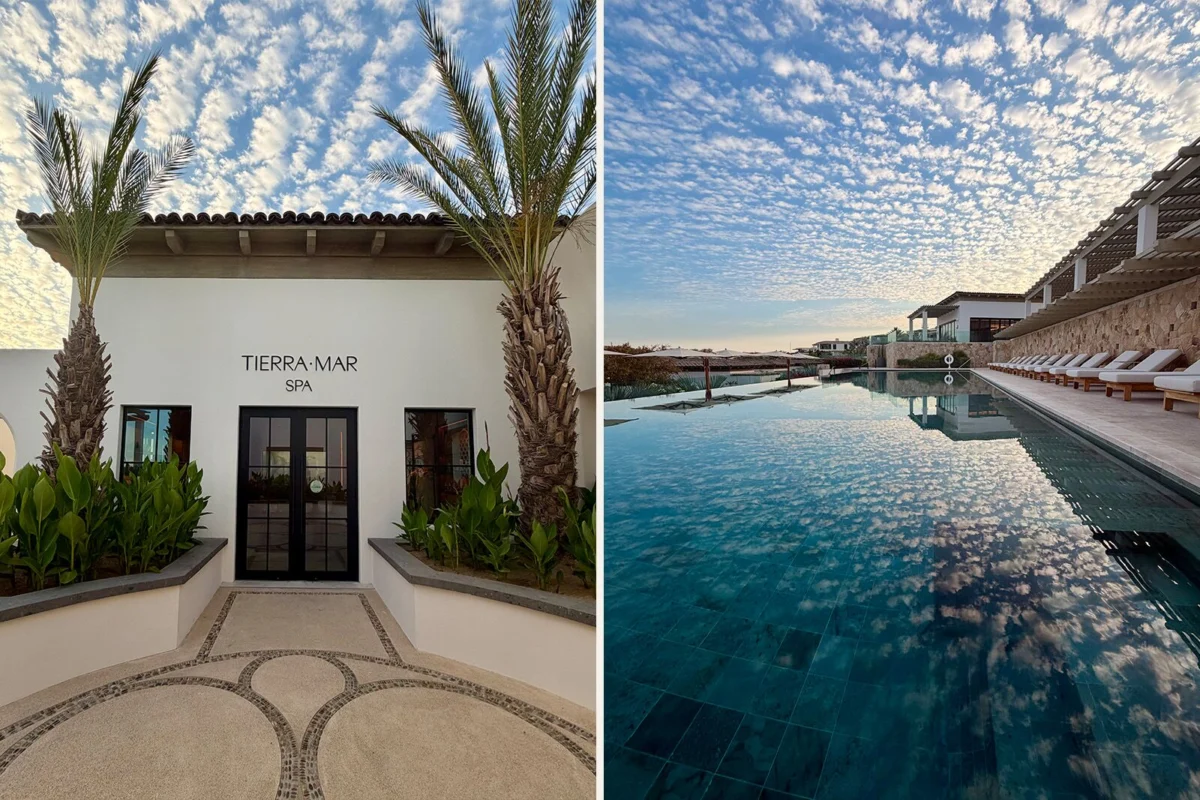
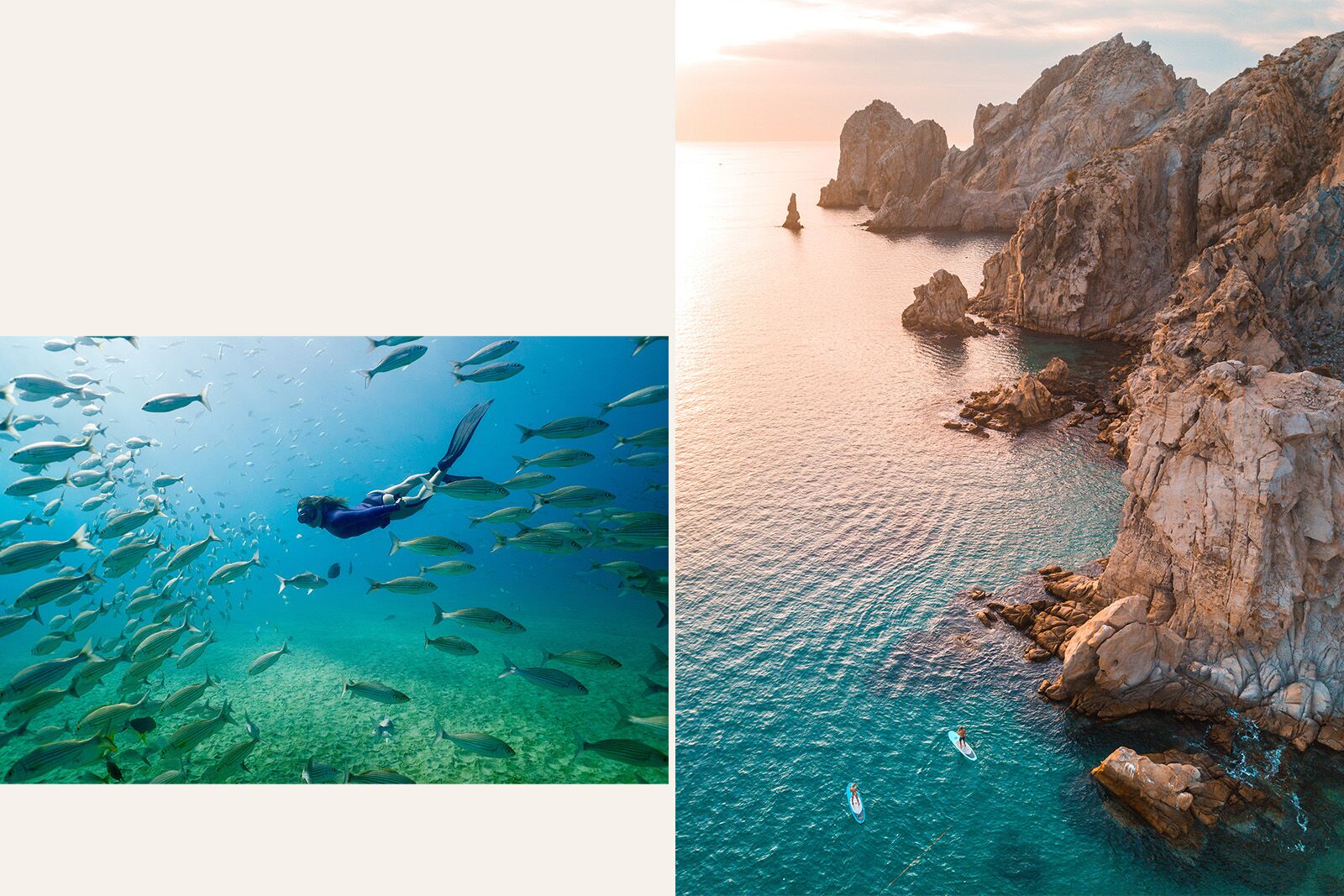
The water closed around me, a cool, rhythmic embrace that silenced the frantic hum of modern life. As I descended beneath the surface at Cabo Pulmo, the bubbles dissipated, revealing a living, breathing cathedral of the sea: a massive, undulating school of bigeye jacks. They moved as a singular entity, a shimmering, indifferent organism that paid no mind to the clumsy humans hovering above. In that moment, the silence, the rhythmic amplification of my own breath through the snorkel, the ethereal light filtering through the scales of the fish, and the vast, deep blue of the Pacific coalesced. It was not a "treatment." It was not a scheduled hour of yoga. It was, however, the most profound wellness experience of my life.
This is the new reality of the wellness industry in Los Cabos, Mexico. While the destination has long been synonymous with high-end luxury—yachts, exclusive spas, and white-glove service—a fundamental shift is underway. Wellness is no longer just an amenity tucked into a resort brochure; it is becoming the very reason for travel, evolving from a passive service into an immersive, landscape-driven pursuit of renewal.
Main Facts: The Evolution of Well-being
For decades, the concept of a "wellness vacation" was tethered to the all-inclusive resort model: a standard massage here, a facial there, often viewed as a filler for a free afternoon. However, the post-pandemic traveler is seeking something more transformative. Today, the wellness sector in Los Cabos is defined by a desire to return home not just rested, but fundamentally "better."
This transition is characterized by a diversification of the market. On one end, there is the ultra-luxury, service-oriented model exemplified by properties like the Four Seasons Resort Cabo del Sol, where the infrastructure is built to anticipate every physical need. On the other end, there is a burgeoning "community-first" wellness scene—meditation circles at Playa El Tule, cacao ceremonies, and sound healing sessions led by local practitioners—that strips away the price tag to focus on human connection and spiritual grounding.
Chronology of a Shift
The trajectory of Los Cabos’ wellness industry has mirrored the global change in consumer values. In the early 2000s, wellness in Mexico was largely viewed through the lens of "cultural curiosity." I recall visiting a temazcal in the jungles of Veracruz during my youth; it was an intriguing anecdote, not a path to mental clarity.
By 2019, wellness had begun to professionalize, yet it remained a niche segment. Data from the Los Cabos Tourism Board (FITURCA) reveals that in 2019, only 12 percent of visitors engaged in a dedicated wellness experience. By 2025, that figure climbed to nearly 19 percent, representing approximately 800,000 travelers. This surge is not merely a statistical increase; it marks a transition where wellness became a core pillar of the region’s tourism strategy, moving from a boutique add-on to a structural mandate.
Supporting Data and The "Natural Infrastructure"
The power of Los Cabos as a wellness hub lies in its geography. The region possesses a unique "natural infrastructure"—the collision of arid desert, rugged mountains, and the deep, life-giving ocean.
According to internal satisfaction metrics tracked by the Los Cabos Tourism Board, visitors who incorporate nature-based activities into their itineraries report significantly higher levels of post-trip satisfaction. This has led to a architectural revolution. Modern resorts are no longer designed to dominate the landscape; they are designed to disappear into it.
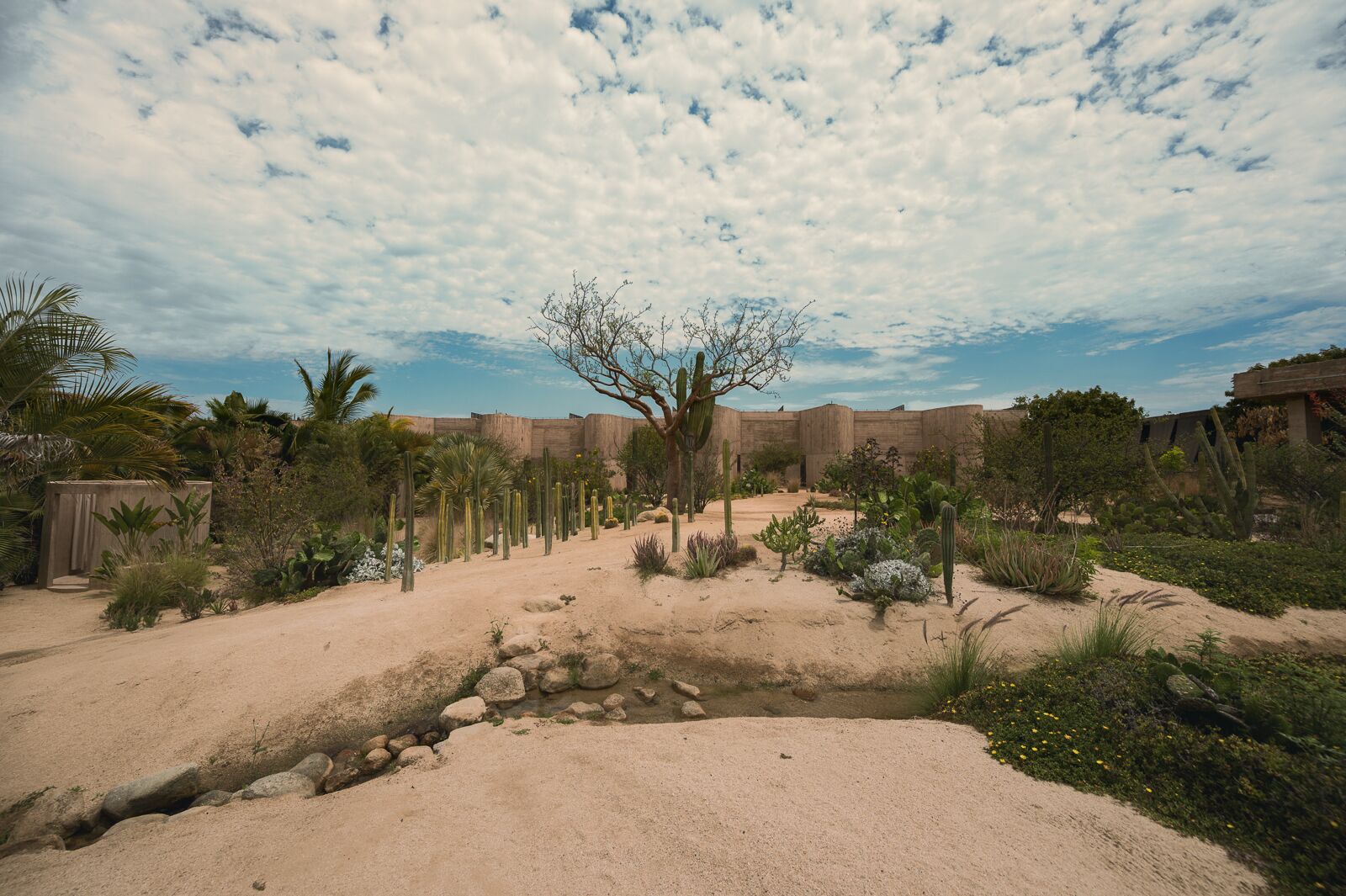
At Paradero, a boutique hotel near Todos Santos, the architecture is a deliberate wellness tool. By using raw concrete, native cacti, and minimalist lines that mimic the surrounding desert, the hotel reduces "visual noise." As general manager Frederic Capello notes, "True luxury is not marble or gold. True luxury is the feeling of renewal that comes when you remove the stimuli of the outside world."
Official Perspectives: The Philosophy of Balance
The industry is also actively fighting the stigma that wellness is only for the elite. Lina Morales, Director of Wellness at Sensei (the wellness center at Zadún, a Ritz-Carlton Reserve), emphasizes that true well-being must be sustainable in the real world.
"People can come here for a health program, but that doesn’t mean they can’t have a round of margaritas or go eat their tacos," Morales explains. This philosophy is revolutionary for the industry, which has historically relied on restrictive, rigid models. By encouraging a balance that includes the local culture—the food, the music, and the community—providers are helping guests build habits that survive the return to their home environment.
Rodrigo Esponda, Managing Director of the Los Cabos Tourism Board, echoes this sentiment. His office is actively pushing a vision where wellness is accessible, decentralized, and deeply integrated into the local ecosystem. "We are moving away from the idea that wellness is just a luxury service. We are positioning the entire destination as a wellness infrastructure," Esponda says.
The Role of Food and Community
The integration of farm-to-table dining is perhaps the most tangible expression of this philosophy. Chefs like Ubaldo Martínez of Monte Cardón are redefining the "luxury" of food. It is no longer about imported delicacies; it is about the traceability of a carrot grown in the desert soil or the story of the day’s catch.
At locations like Flora Farms and Acre, the farm-to-table movement has expanded into a holistic experience. These sites offer a relationship with the land that transcends the plate. They offer a connection to the farmers, the water, and the challenges of the Baja climate. This is the ultimate form of "mindful" consumption: acknowledging the constraints of the region while celebrating its bounty.
Implications for the Future: Sustainability and Identity
As Los Cabos cements its position as a global leader in wellness travel, the destination faces a critical double challenge: maintaining its identity while scaling its offerings.
The risk of "wellness-washing"—where properties use the aesthetics of nature to sell a product that is environmentally extractive—is a concern the region is taking seriously. Esponda is adamant that growth must not come at the expense of the landscape or the local population. If a resort displaces local residents or exhausts local water supplies, it destroys the very peace it seeks to sell to its guests.
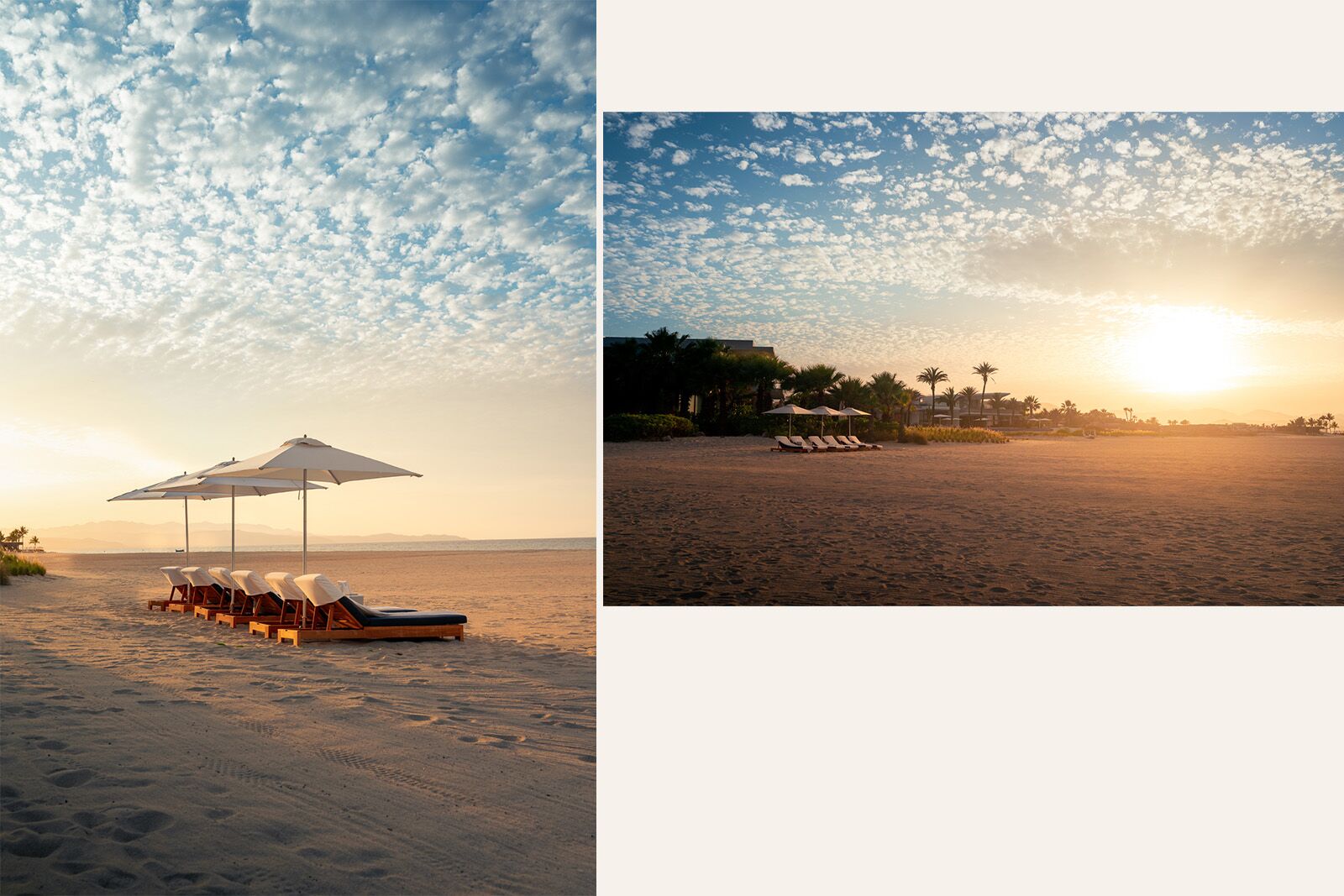
The future of wellness in Los Cabos appears to be moving toward a model of "radical authenticity." The most impactful experiences are those that cannot be replicated in a boardroom in New York or a spa in London. They are the moments when a traveler stands on the shore at sunset, guided by a local practitioner, listening to the natural soundscape of the sea.
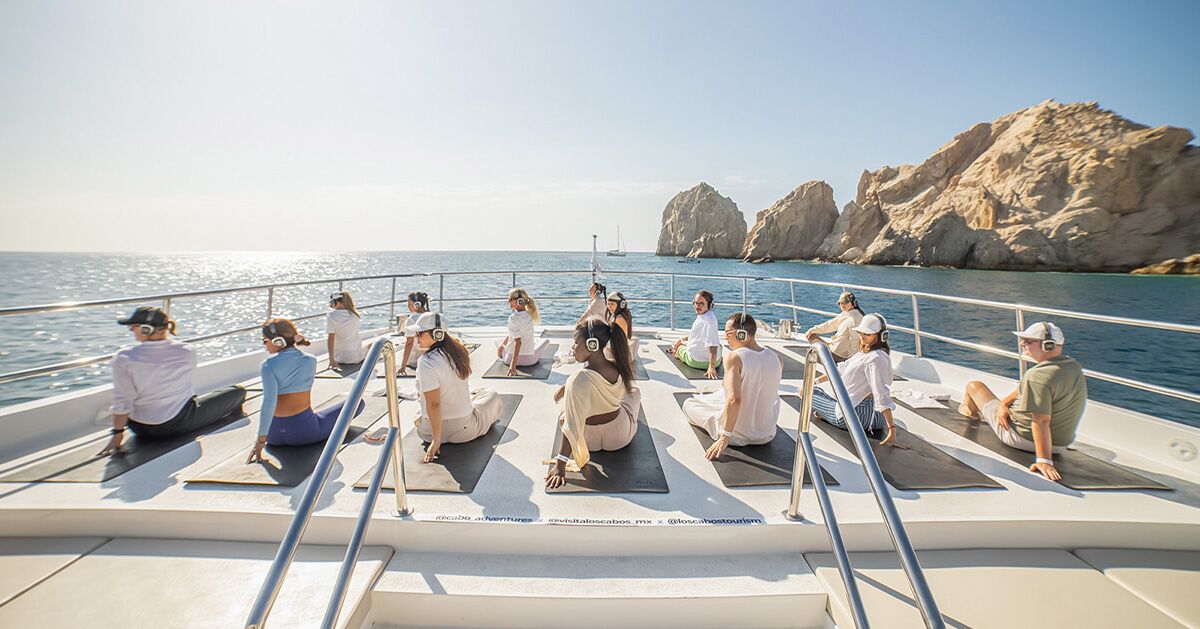
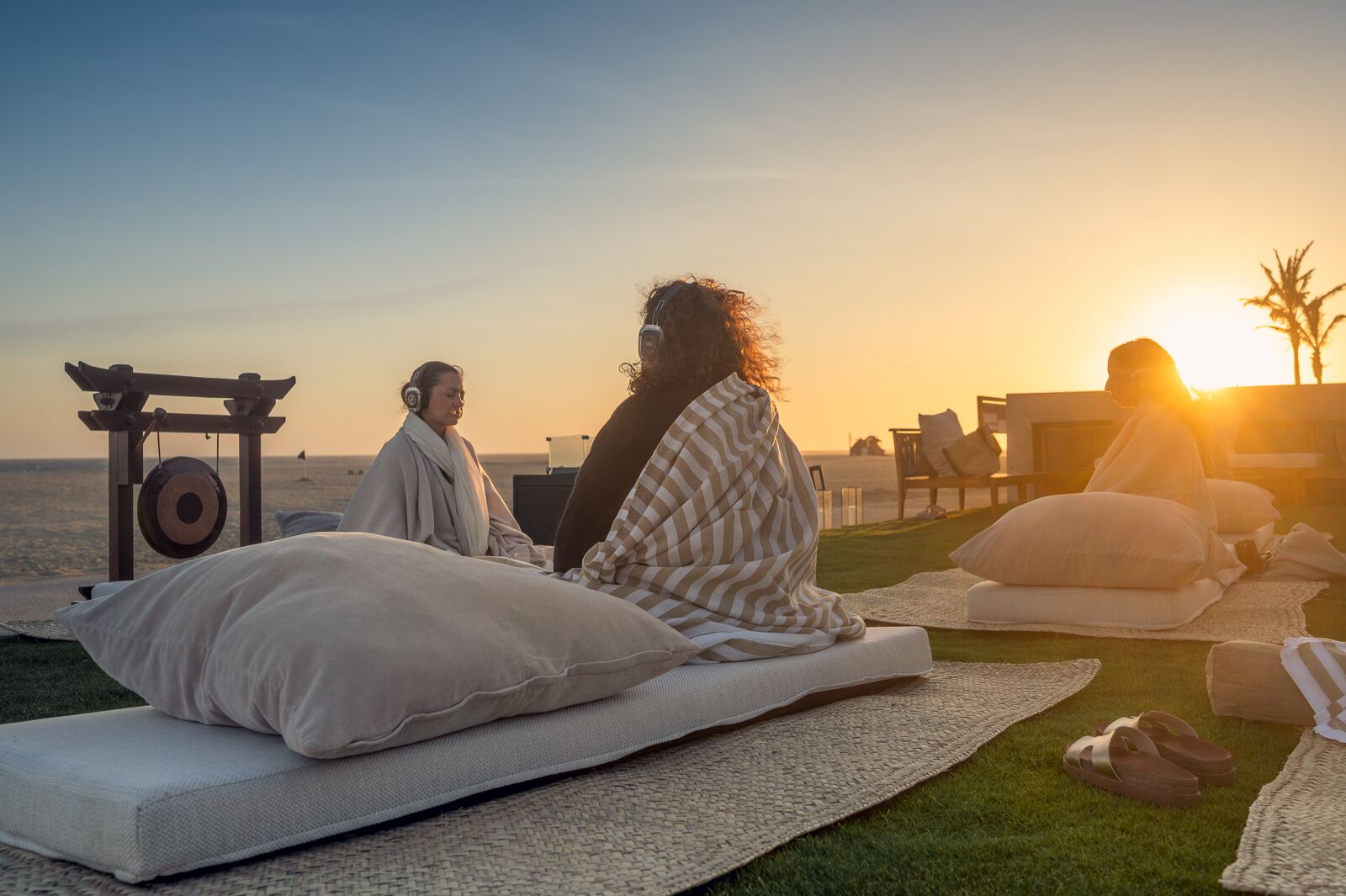
When Flor Daneu, a wellness facilitator at SUDA, instructed our group during a sunset meditation at the Four Seasons Costa Palmas to "open your eyes and look at where you are," she stripped away the artifice of the retreat. We weren’t there to meditate in a bubble; we were there to be present in Baja California Sur.
Ultimately, the wellness industry in Los Cabos is succeeding because it is realizing that it doesn’t need to create a "wellness experience." It simply needs to provide the space for the visitor to have an encounter with the land. Whether it is a luxury massage, a grueling hike, or a silent moment watching pelicans fish at dusk, the goal remains the same: to stop the clock. In an era of burnout, the ability to simply be present—in the water, in the desert, or in the company of the local community—is the ultimate luxury. And that is a commodity that Los Cabos has in abundance.
 Nana Wu
  Jia Lissa
  Evan Lee Salim