
 By Asro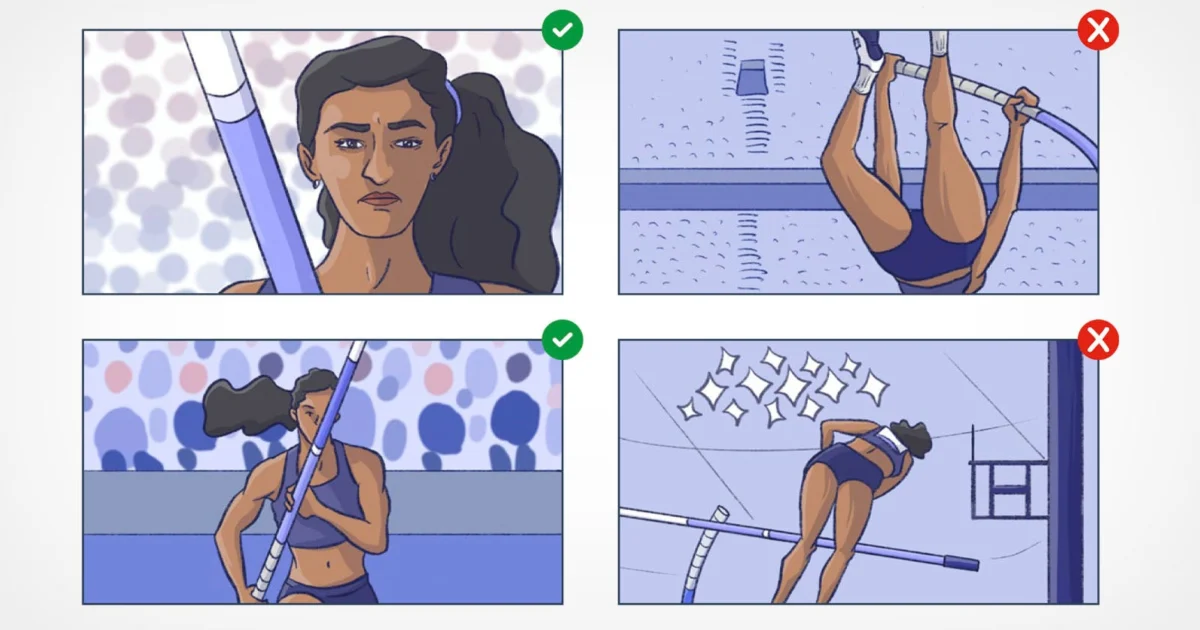
In a landmark move for the future of sports media, the European Broadcasting Union (EBU)—the world’s foremost alliance of public service media—has officially released a comprehensive set of guidelines aimed at curbing the sexualization of female athletes. Titled Raising the Bar, the report serves as a definitive roadmap for broadcasters, directors, and camera operators, providing practical, visual, and ethical standards to ensure that women in sports are depicted with the dignity and professionalism their achievements warrant.
The EBU, representing 113 member organizations across 56 countries, has long been a gatekeeper of broadcasting standards. With this new initiative, the organization is taking a proactive stance against a persistent industry problem: the use of camera angles and editing choices that prioritize voyeurism over athletic prowess.
The Core Mandate: Reframing the Female Athlete
At the heart of the Raising the Bar initiative is a simple, yet profound question: How can broadcasters capture the intensity, power, and skill of a sportswoman without undermining her performance?
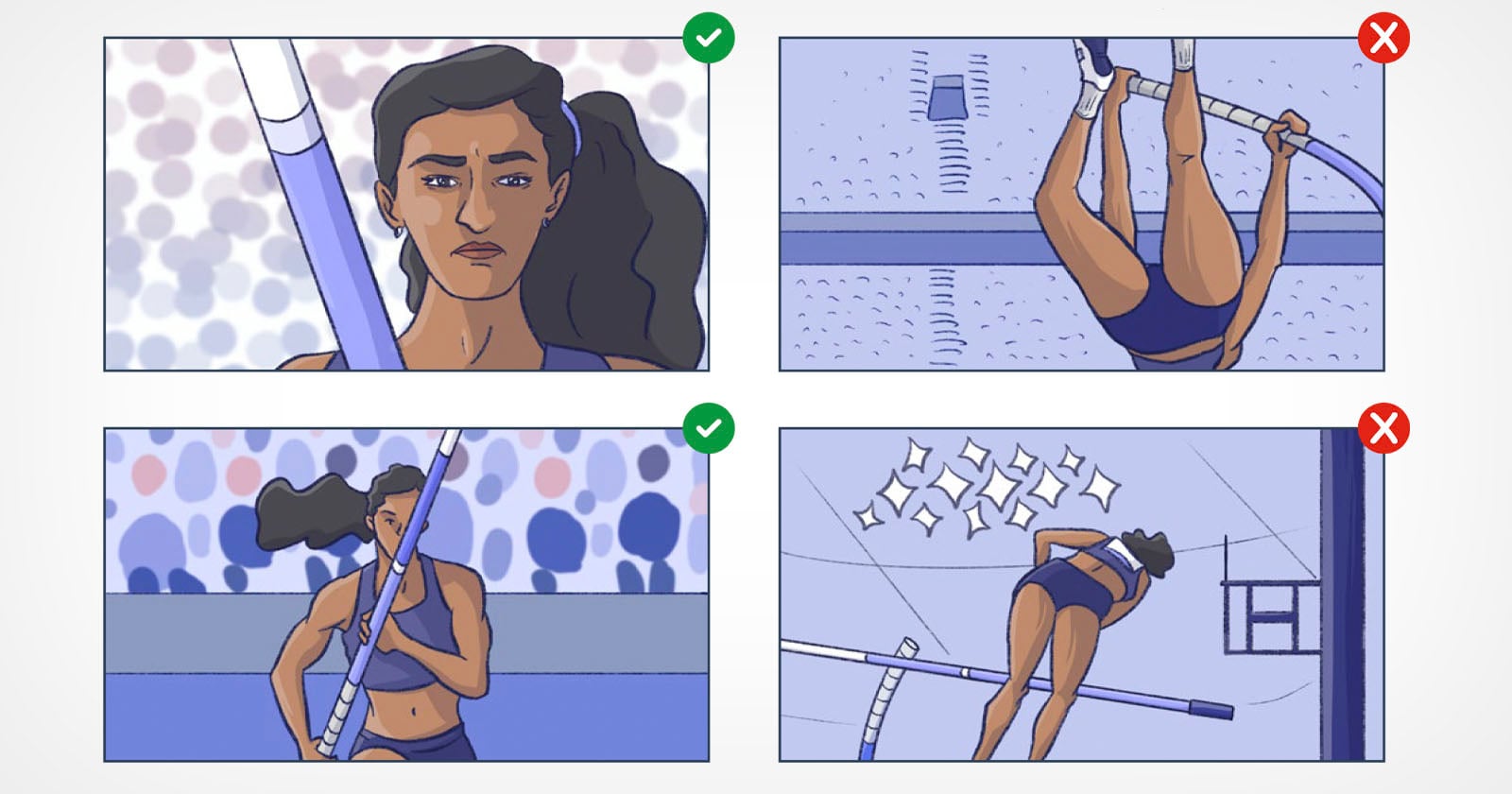
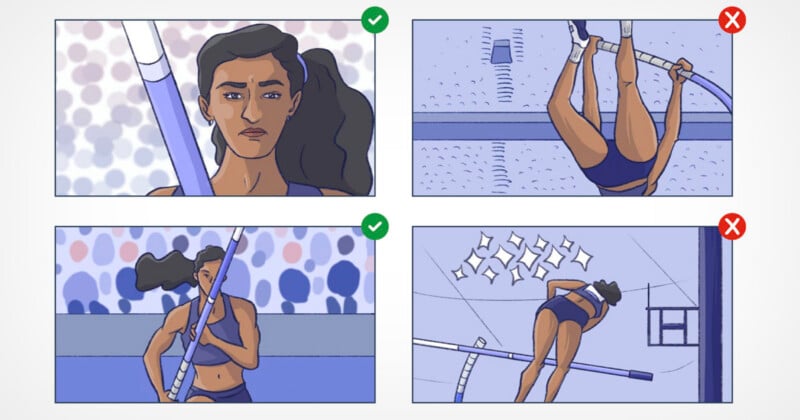
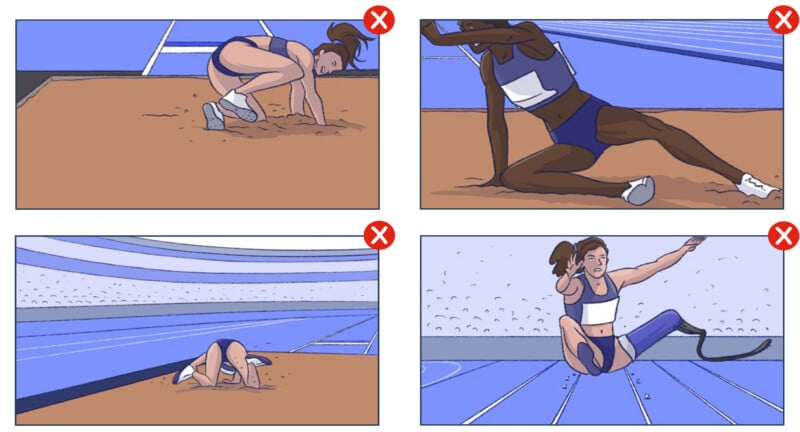
The guide moves beyond vague platitudes, offering granular, technical advice on camera positioning. It highlights how certain angles—specifically those that linger on a competitor’s body during moments of physical exertion or vulnerability—serve no narrative purpose and often result in the objectification of the athlete. By contrast, the guide demonstrates that the most compelling shots, which capture the raw emotion of a jump or the explosive speed of a sprint, are almost always the ones that treat the athlete with the greatest respect.
A Chronology of a Changing Industry
The conversation regarding how women are portrayed in sports media is not new, but it has gained unprecedented momentum in the last few years.
The Turning Point: The 2024 Olympic Precedent
The seeds for this guide were sown during the lead-up to the 2024 Summer Olympics. Amid growing public discourse regarding the treatment of female competitors in television coverage, the CEO of Olympic Broadcasting Services (OBS) issued a stern warning to camera crews: film male and female athletes with identical standards of neutrality and focus. The directive explicitly prohibited the "creeping" influence of sexism and stereotypes, setting a high bar for production teams on the world stage.
From Observation to Implementation
Following the 2024 Games, the EBU recognized that a high-level directive was insufficient without a tangible "how-to" guide. Throughout 2025 and early 2026, the EBU collaborated with a diverse group of stakeholders, including elite athletes, to analyze footage and identify recurring issues. The resulting document, Raising the Bar, acts as the culmination of these efforts, transforming the abstract desire for "fair coverage" into a concrete, pedagogical resource for the industry.
Supporting Data: Why This Matters
The Raising the Bar report does not rely on conjecture; it is built on the lived experiences of high-profile athletes, including pole vaulter Holly Bradshaw and jumpers Ivana Španović and Blanka Vlašić.
The Psychological and Social Impact
The testimony provided by these athletes underscores the urgency of the EBU’s work. Holly Bradshaw, an Olympic medalist, has been vocal about the personal toll of inappropriate broadcasting. She notes that slow-motion replays and invasive camera angles do not just affect the broadcast itself; they provide fodder for social media harassment and the creation of inappropriate content online.
"Athletes want to enjoy themselves doing the sport they love without feeling uncomfortable or anxious about the footage being shown live," Bradshaw stated. The anxiety of knowing that a camera might be capturing an unflattering or sexualized angle mid-competition can fundamentally distract an athlete, potentially impacting their performance.
Technical Analysis of "Good" vs. "Bad"
The EBU report includes extensive visual breakdowns. For instance:
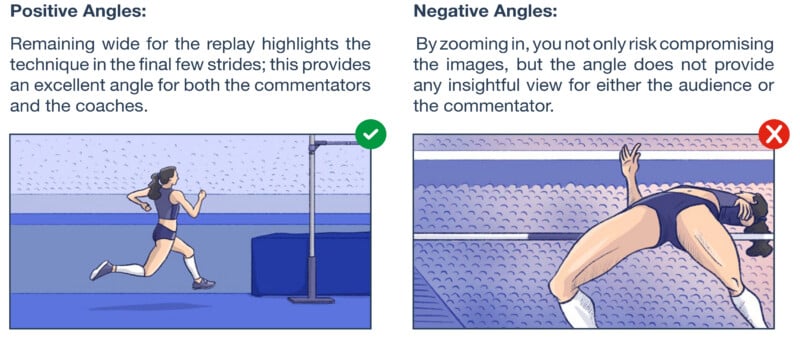
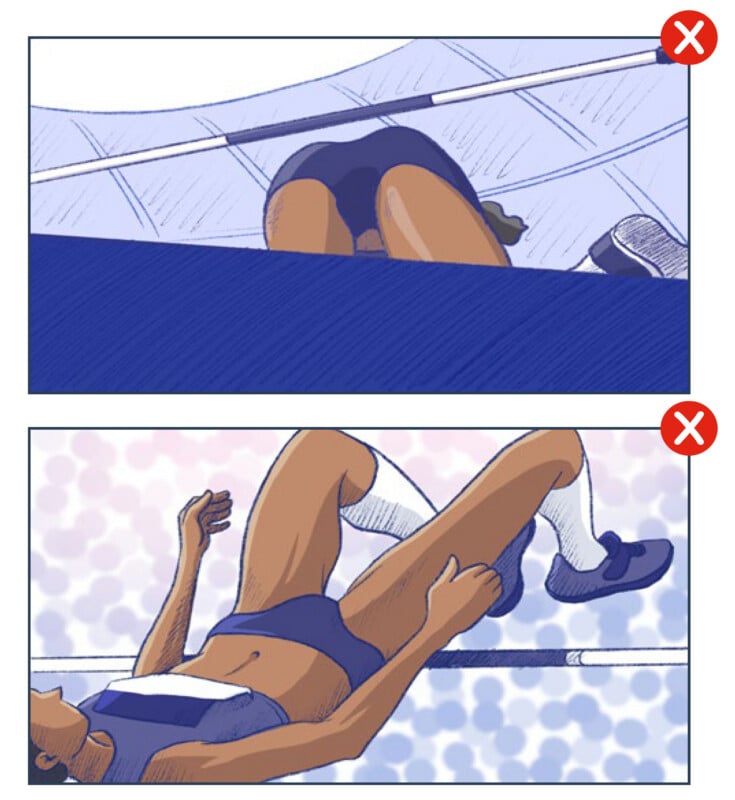
- The High Jump: The guide contrasts a wide, side-on view—which provides necessary context for the athlete’s technique and the height of the bar—with an intrusive, low-angle shot from underneath the bar. The former is marked with a green check for its professional utility, while the latter receives a red "X" for its tendency to isolate the body rather than the sport.
- Post-Event Moments: The guidelines provide examples of how to frame athletes during moments of defeat or recovery. They caution against lingering on an athlete while they are bent over in exhaustion or emotional distress, suggesting instead that cameras focus on the broader narrative of the competition, such as the support from coaches or the camaraderie between opponents.
Official Responses and Strategic Intent
Glen Killane, Executive Director of EBU Sport, has been a leading voice in the push for these new standards. According to Killane, the goal is not to impose "restrictions" that limit artistic freedom, but to foster an environment of "shared responsibility."
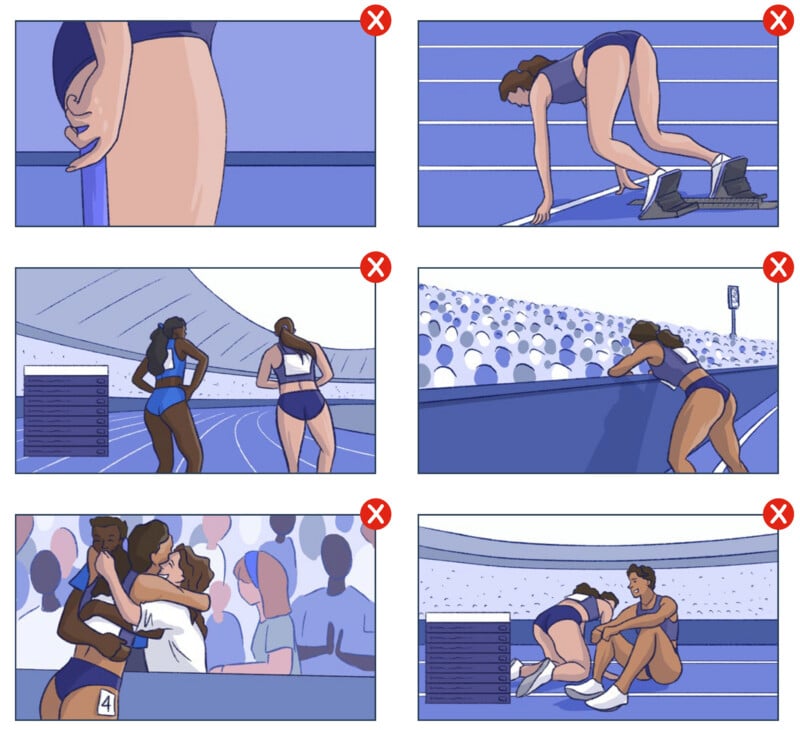
"Our coverage should reflect the skill, dedication, and excellence that define athletics," Killane stated. "The sexualization of women athletes through selective camera angles and editing choices continues to be a significant concern. Lingering shots on bodies, low-angle cameras that capture revealing views, and excessive slow-motion replays that serve no technical or storytelling purpose are among the issues we are determined to eradicate."
The EBU emphasizes that these are not meant to be rigid, impossible-to-follow rules. They acknowledge that in the heat of a live sporting event, where athletes move at high speeds, perfection is difficult. However, by establishing these as the industry standard, the EBU aims to shift the "default" setting for directors and camera operators. When the standard becomes respect, the margin for error is significantly reduced.
The Broader Implications: A Shift in Media Culture
The publication of Raising the Bar is likely to have a ripple effect across the global sports landscape.
Expanding Beyond Track and Field
While the current iteration of the guide focuses exclusively on track and field, it is widely viewed as a pilot program. Given the success of this initiative, industry experts expect the EBU to expand the framework to other sports, such as gymnastics, swimming, and beach volleyball—disciplines that have historically been the most susceptible to problematic filming practices.
A New Standard for Smaller Crews
One of the most critical aspects of the EBU’s announcement is that the guidelines are intended for everyone, not just major, high-budget Olympic productions. The EBU stipulates that these principles apply equally to smaller, local broadcast crews. By democratizing these standards, the EBU is ensuring that a high school track meet receives the same level of dignity and professional consideration as a world championship final.
The Role of Public Service Media
As the world’s largest alliance of public service media, the EBU has the power to influence not just the content of sports, but the culture of sports. By setting these standards, they are signaling to sponsors, advertisers, and viewers that the era of "gratuitous" sports photography is coming to an end. This creates a market pressure: if the major public broadcasters lead the way, private networks and streaming platforms will eventually be forced to adopt similar standards to remain competitive and socially responsible.
Conclusion: A Legacy of Excellence
The EBU’s Raising the Bar is more than just a set of instructions for camera operators; it is a declaration of values. It asserts that the athletic prowess of women deserves to be the focal point of their coverage, and that any technique that detracts from that focus is, quite simply, a failure of production.
As these guidelines are integrated into training programs for broadcasters and media students worldwide, the hope is that they will become second nature. By changing the lens through which we view women in sports, the EBU is not just changing the broadcast; they are changing the way the world perceives female excellence.
For those looking to understand the full breadth of these guidelines, the report is currently available for download via the official EBU website, serving as an essential resource for anyone involved in the business of sports media. As the industry moves forward, the success of this initiative will be measured not by the number of red "X" marks on a page, but by the increased presence of high-quality, respectful, and empowering imagery that truly captures the spirit of sport.
 Raul Delapena Setiawan
  rifanmuazin
  Ammar Sabilarrohman