
 By Nana Wu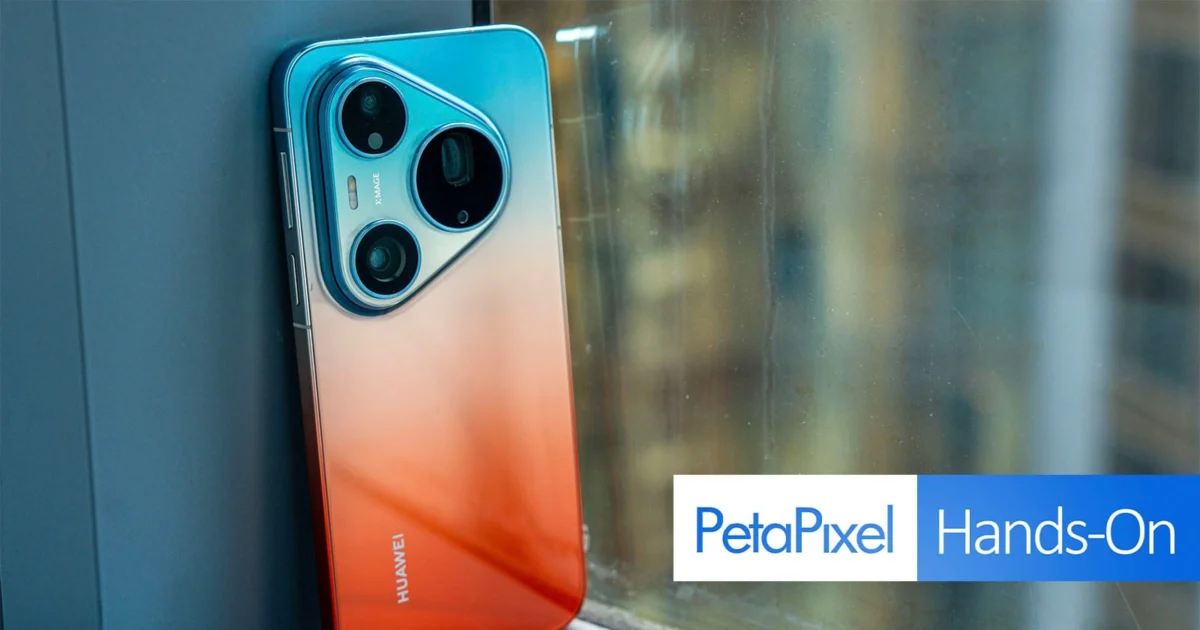
The global smartphone market has shifted dramatically over the last seven years. Once a dominant force threatening to topple the giants of the industry, Huawei’s international trajectory was forced into a detour by geopolitical tensions and the subsequent loss of Google Mobile Services (GMS). However, the company is mounting a significant comeback, focusing squarely on its core strength: computational photography.
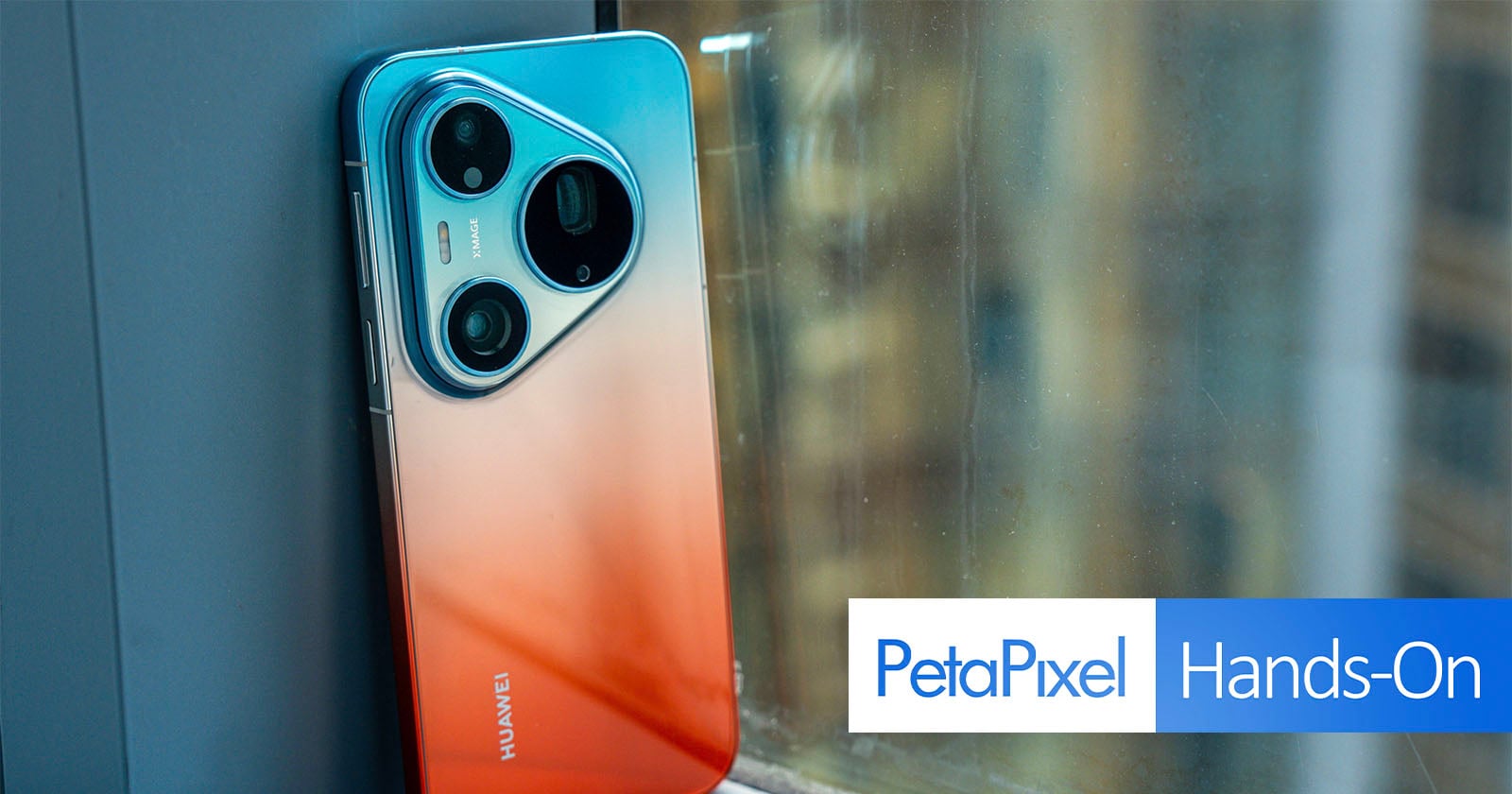
The launch of the Huawei Pura 90s Pro Max marks a pivotal moment for the brand. It is a device that aims to reclaim the crown of "best camera phone" by prioritizing imaging hardware over everything else. After spending time with the device in Kuala Lumpur ahead of its international rollout, it is clear that while the hardware is top-tier, the software ecosystem remains a hurdle that requires both persistence and a willingness to adapt.
The Core Facts: Hardware That Demands Attention
The Pura 90s Pro Max is a statement of intent. Huawei has engineered a device that feels premium in every sense, from its industrial design to its display technology.
Display and Durability
The device features a vibrant 6.9-inch LTPO OLED screen with a resolution of 2880 x 1308. The panel is entirely flat, a design choice that many enthusiasts will welcome for its reduced accidental touches. Protecting this display is Huawei’s proprietary Kunlun Glass. The company makes bold claims about this material, stating it offers 16 times higher scratch resistance and 25 times greater drop resistance than standard industry glass. Perhaps most impressive is the anti-reflective coating, which Huawei claims cuts light reflection by up to 70%. During my testing in the bright, unpredictable sun of Kuala Lumpur, the display remained remarkably legible, holding up well against harsh glare.
Design and Build
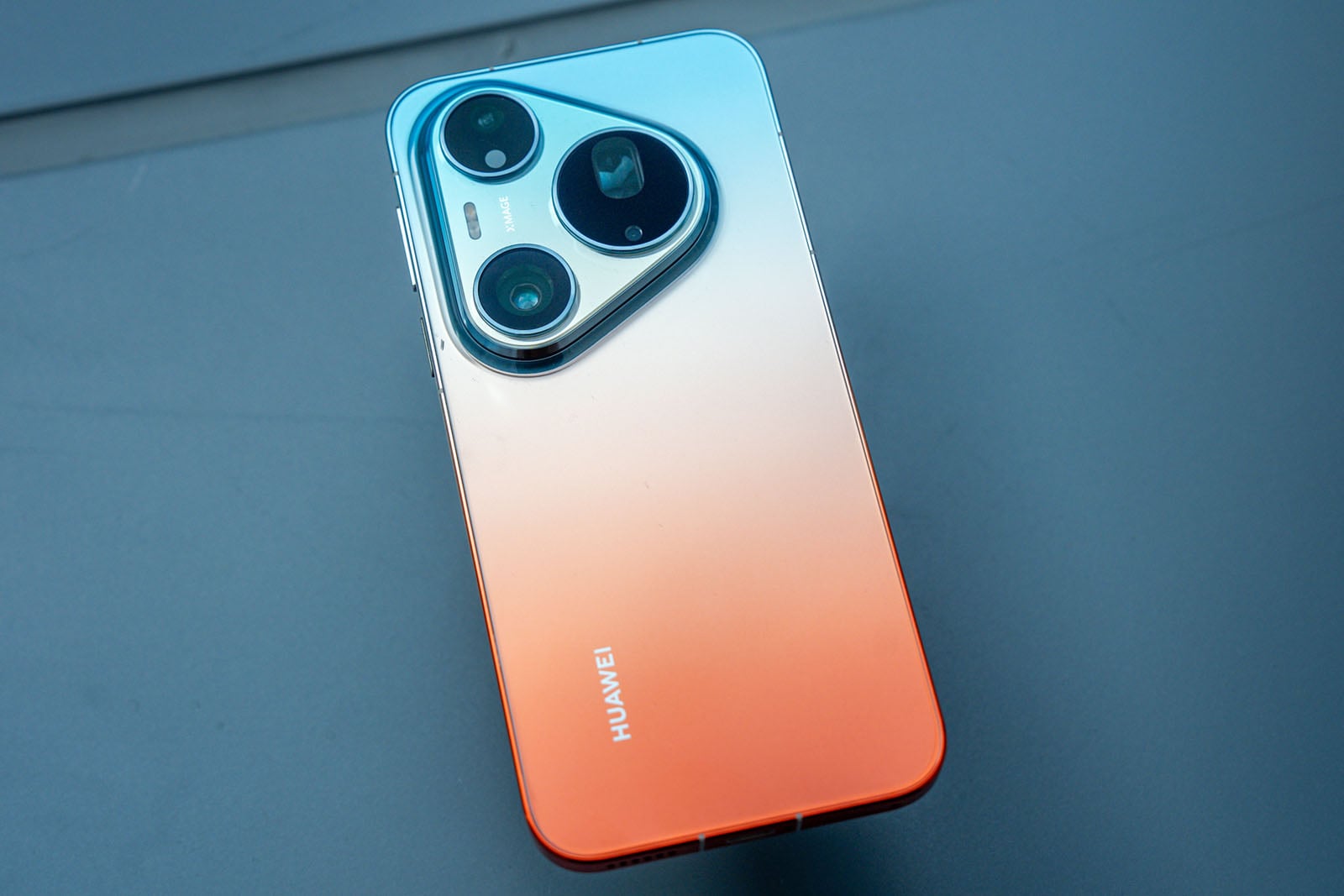
The aesthetics are aggressive and modern. The Pura 90s Pro Max arrives in four striking gradient finishes: Blush Gold, Orange Ocean, Blaze Purple, and Graphite Black. The Orange Ocean model is particularly noteworthy; it utilizes a dual-tone gradient fused directly into the aluminum back, avoiding the cheap look of painted coatings. However, the glossy finish is a notorious fingerprint magnet, making the included silicone case a necessity rather than an optional accessory. With IP68 and IP69K ratings, the phone provides the rugged durability one expects from a flagship, ensuring resistance against both dust and high-pressure water jets.
Chronology of a Comeback: From P40 to Pura 90s
To understand the significance of this launch, one must look at the timeline of Huawei’s recent history.
- 2020: The Huawei P40 Pro was one of the last globally accessible flagships to offer a seamless experience for Western users. It set a high bar for zoom and low-light photography.
- 2021–2023: Huawei pivoted internally, focusing on the domestic Chinese market and developing its HarmonyOS ecosystem while dealing with supply chain restrictions.
- 2024: The "Pura" brand identity began to solidify, signaling a move away from the "P-series" naming convention toward a new, photography-first design language.
- 2026 (July): The global launch of the Pura 90s series in Kuala Lumpur. This release signifies Huawei’s renewed commitment to competing in the premium European and Asia-Pacific segments, albeit with a strategy that relies on "bridge" software solutions.
Supporting Data: The Camera Array Reimagined
Huawei has explicitly stated that they have "rebuilt" the camera system around three pillars: telephoto reach, dynamic range, and color accuracy.
The Crown Jewel: 200-Megapixel Telephoto
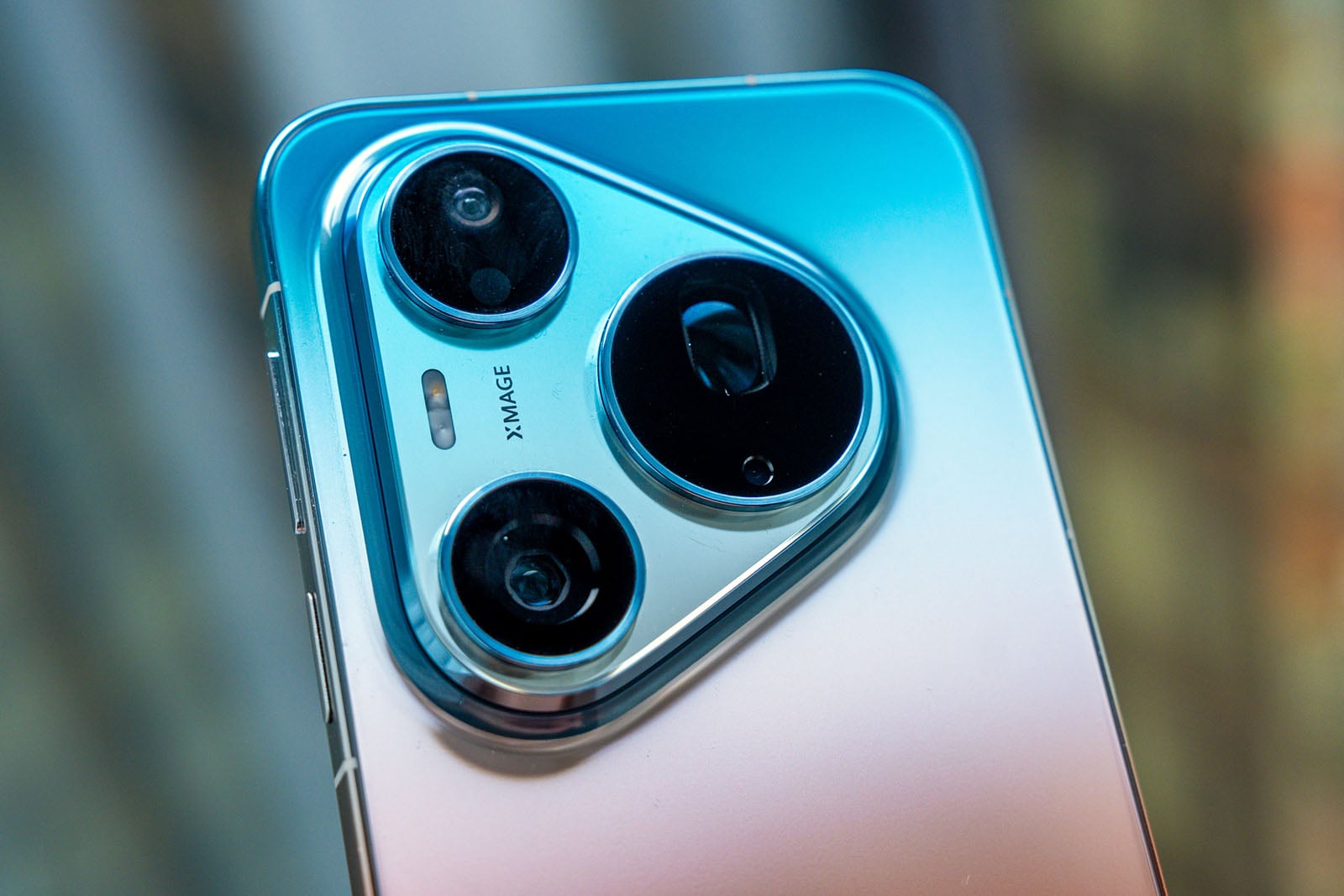
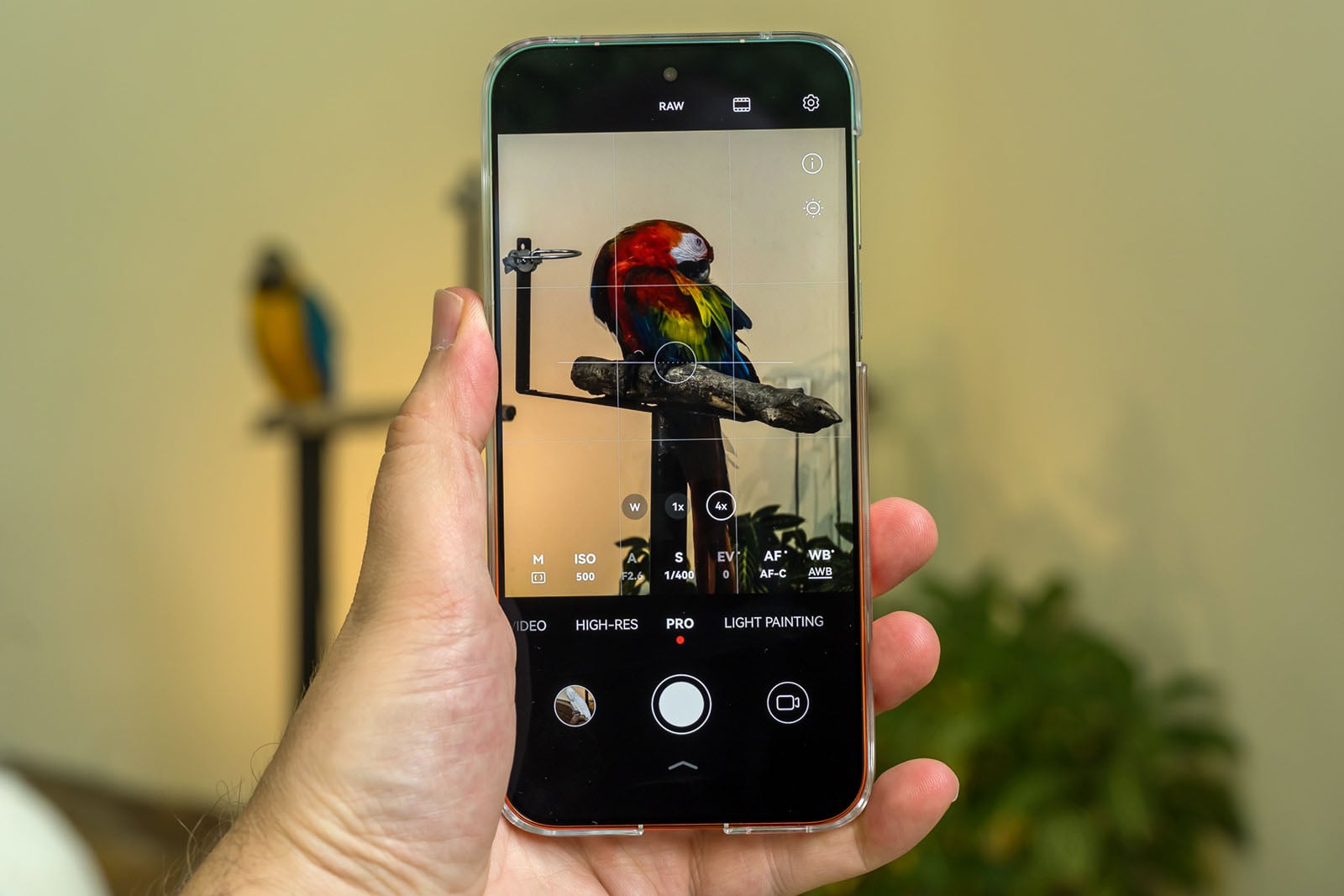
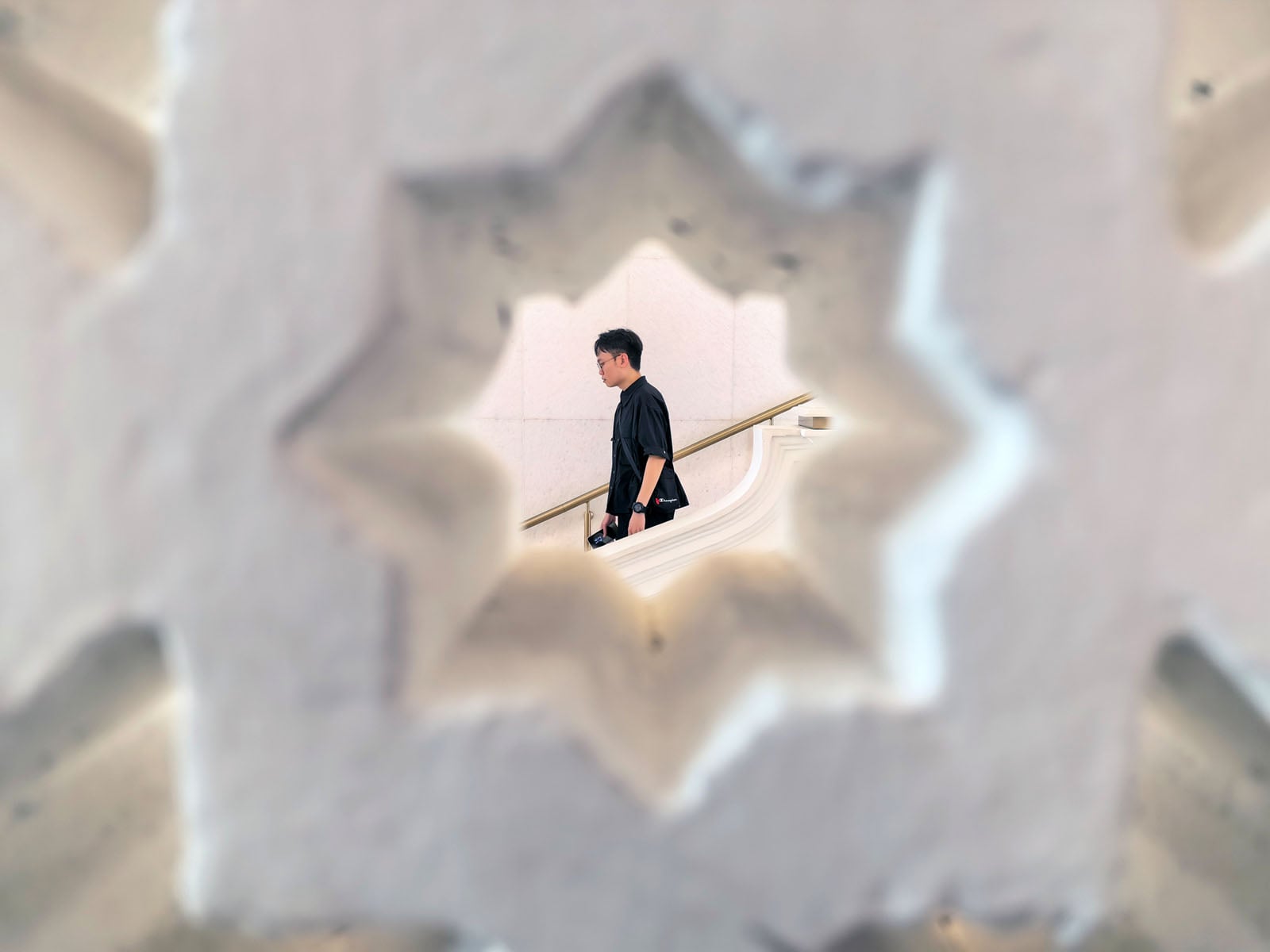
The standout feature is the 200-megapixel Ultra Large Sensor Telephoto Camera (96mm equivalent). Built on a Type 1/1.28 sensor with an f/2.6 aperture and optical image stabilization (OIS), this is the most ambitious telephoto lens I have tested. Huawei has paired this with a "first-of-its-kind" 3-in-1 Ultra Lighting Prism. This system is designed to boost light intake while using CIPA 7.0-rated stabilization to ensure that long-range shots remain sharp, even when shooting handheld in challenging conditions.
The Main and Ultra-Wide Sensors
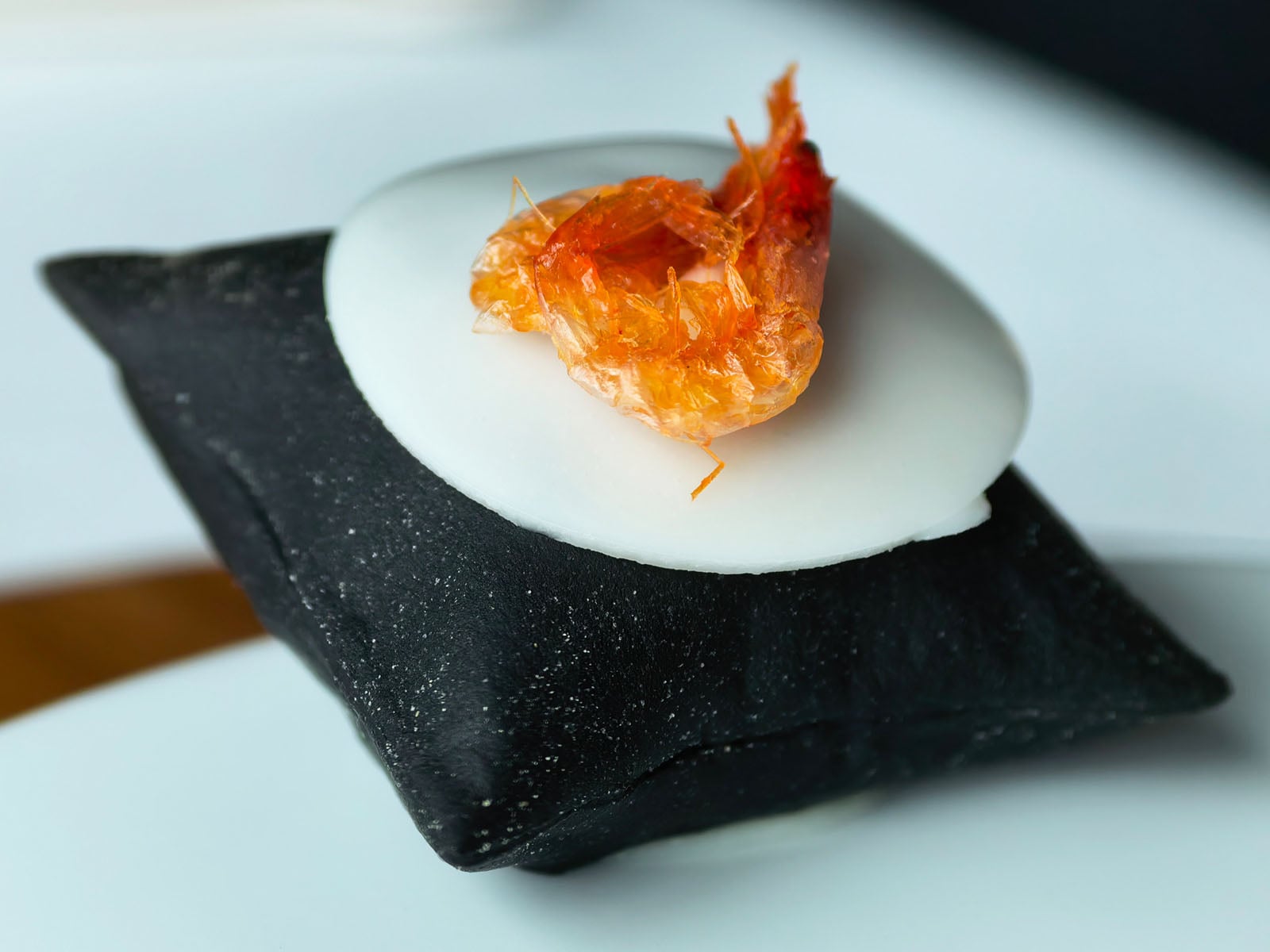
The main camera utilizes a 50-megapixel 16EV Ultra Lighting HDR sensor, which retains the mechanical variable aperture (f/1.4-4) technology that Huawei introduced in earlier iterations. This allows for genuine optical depth-of-field control in Pro mode, rather than relying solely on software-based "Portrait" mode blurs. The 40-megapixel ultra-wide sensor rounds out the kit, though it receives less attention in the marketing material than the telephoto powerhouse.
Processing and Video
The inclusion of chip-level 200-megapixel RAW real-time processing marks a significant step forward for video. The phone allows for much clearer 20x telephoto hybrid zoom video, a feature aimed at concert-goers and sports enthusiasts who need to bridge the distance between the subject and the lens without sacrificing significant detail.
Software Workarounds: The Elephant in the Room
For international users, the absence of native Google Mobile Services (GMS) is the primary friction point. Huawei provides a bridge through GBox, an APK-based environment that runs in parallel with the device’s EMUI system.
The GBox Experience
Setting up GBox is a surprisingly automated process. By selecting a region where Huawei services are active (such as the U.K.), users can gain access to the Google Play Store. During my testing, this allowed for the installation of essential tools like Adobe Lightroom for editing RAW files, as well as mainstream apps like Spotify and YouTube.
However, it is not a perfect native experience. While third-party apps work effectively, the integration is not as tight as a native Android phone. Furthermore, the AI feature set is fragmented. While users in the Asia-Pacific region enjoy the full gamut of AI tools—such as AI De-glare and AI Move—European users are currently limited to AI Composition. This tool analyzes the frame and suggests markers to help the photographer achieve a more professional composition, effectively acting as an onboard coach.
Implications for the Future of Mobile Photography
The Pura 90s Pro Max presents a complex value proposition. Priced at approximately 1,149 Euros ($1,300 USD), it positions itself squarely in the luxury bracket.

Interface Oddities and Omissions
Despite the powerful hardware, the software user interface (UI) still suffers from some baffling design choices. The timer is buried deep in the settings menu, and there is a notable absence of 24fps support in video mode—a standard for professional videography. Perhaps most frustrating is the lack of quick-access shortcuts for 20x zoom and 35mm focal lengths on the global model, especially given that these features are present on the Chinese variant. These are the kinds of "quality of life" issues that could be fixed with a software patch, but their presence at launch is a reminder that the global software build is still maturing.
The Competitive Outlook
Huawei is essentially betting that the sheer quality of its optics will outweigh the inconvenience of using GBox. For the average consumer, this might be a hard sell. However, for the photography enthusiast who wants a variable aperture, a 200MP telephoto sensor, and a sensor that can handle high-dynamic-range scenes with ease, the Pura 90s Pro Max is a compelling piece of hardware.

The device does not just take photos; it provides a laboratory-like experience for those willing to learn its quirks. Whether the brand can successfully convince the mass market to trade seamless Google integration for industry-leading glass remains to be seen. As I continue my testing for the final review, the focus will remain on whether these software workarounds hold up under the stress of daily, professional use. For now, the Pura 90s Pro Max serves as a reminder that even in a restricted landscape, Huawei remains a company capable of pushing the boundaries of what a phone camera can do.
 Raul Delapena Setiawan
  rifanmuazin
  Ammar Sabilarrohman