
 By Neng Nana
In the modern digital landscape, the "one-size-fits-all" approach to email marketing is rapidly becoming a relic of a bygone era. For years, e-commerce brands have relied on broad segmentation—grouping thousands of customers based on simplistic metrics like "last purchase date" or "general category interest." Yet, this methodology ignores the nuanced reality of consumer behavior.
Within any given mailing list, a single product—such as a moisturizer—might be purchased by a customer with chronic skin conditions, a shopper buying a last-minute birthday gift, or a long-time enthusiast looking for a specific active ingredient. When these three distinct individuals receive the exact same generic email, the disconnect is palpable. This is where zero-party data enters the fray, serving as the bridge between transactional anonymity and personalized relationship-building.
What Is Zero-Party Data?
Coined by Forrester Research, zero-party data describes information that a customer intentionally and proactively shares with a brand. Unlike first-party data, which tracks behavioral signals—such as what a user clicks, how long they hover over a product, or their purchase history—zero-party data skips the inference step. It is not "scraped" or "tracked"; it is gifted by the subscriber.
When a customer completes a quiz to identify their skin type, sets a budget preference, or explicitly states their interest in receiving content once a month rather than weekly, they are providing zero-party data. This information represents the gold standard of modern marketing because it removes the guesswork. You no longer have to wonder if a customer liked a product; you know they liked it because they told you so.
The Chronology of a Data Paradigm Shift
The urgency behind adopting zero-party data strategies has accelerated due to a series of significant shifts in the digital ecosystem:
- The Erosion of Third-Party Cookies: The phasing out of third-party tracking by major browsers has forced brands to abandon reliance on external data brokers.
- Privacy Regulation and Apple/Google Restrictions: Heightened tracking restrictions from mobile operating systems have made traditional behavioral data less accurate and harder to collect.
- The Rise of Consent-Based Marketing: As consumers become more privacy-conscious, they are increasingly wary of "creepy" retargeting tactics. Conversely, they are highly willing to share information when they receive a personalized value exchange in return.
Brands that are currently "winning" the inbox are those that have moved away from passive observation toward active, consent-based communication.
The Power of the Pre-Purchase Quiz
The quiz is arguably the most effective tool in a marketer’s arsenal for collecting high-intent, structured data. While many see quizzes as a simple gimmick, they are actually high-return assets that serve three critical functions:
- Direct Data Collection: It captures actionable attributes that can be fed directly into a CRM.
- Engagement: It provides immediate value to the user in the form of personalized product recommendations.
- Early Segmentation: It allows for personalization before a transaction even occurs.
The secret to a high-performing quiz is intent. Every question must feel like a logical step toward a more tailored solution. If the quiz is too long (ideally, keep it under eight questions) or if the results are generic, the user will drop off. Furthermore, the mapping is crucial. If a user identifies as having "oily skin," that data point must trigger a specific automated flow within your email platform. If the data is collected but not used to shape the follow-up content, the exercise is effectively a waste of time.
Beyond the Sale: Surveys and Preference Centers
Once a customer makes their first purchase, the relationship should deepen, not plateau. This is where post-purchase surveys become essential.
Post-Purchase Surveys
Sending a survey 24 to 48 hours after product delivery is an underutilized goldmine. By asking, "What were you hoping this product would solve?" or "Was this a gift?", brands can unlock insights that purchase history alone cannot provide. For example, discovering that 40% of your customers are buying your product as a gift changes your entire lifecycle strategy. You would no longer send replenishment reminders for a product the recipient didn’t choose for themselves; instead, you would send a "how to gift" guide or a birthday reminder.
The Preference Center
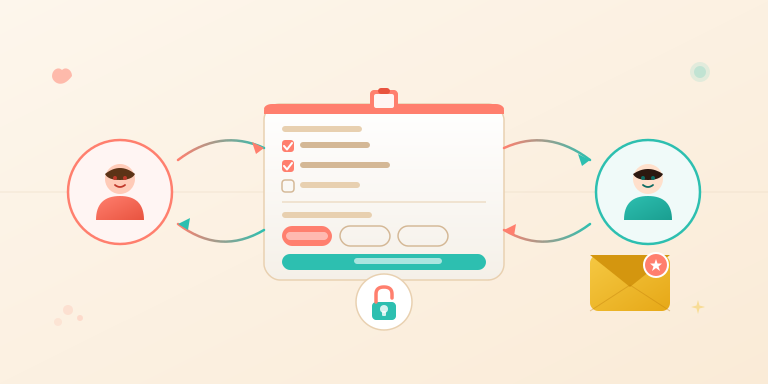
Most brands treat the "Unsubscribe" button as the only alternative to receiving every single email. This is a critical error. By implementing a robust Preference Center, you provide the subscriber with control.
A well-designed Preference Center allows users to choose:
- Topics: Do they want to hear about new arrivals, educational content, or exclusive sales?
- Frequency: Do they prefer a weekly newsletter or a monthly digest?
- Format: Do they want to receive SMS updates or email-only communications?
When a subscriber curates their own experience, they are investing in the brand. This creates a psychological commitment that significantly increases long-term loyalty and reduces churn.
Implications for Scalability and Conversion
The primary challenge for most marketers is not the collection of data, but the implementation. If your zero-party data sits in a spreadsheet, it is useless. Every data point collected must map to a specific segment, automated flow, or content strategy.
The Role of Integrated Platforms
Platforms like Omnisend have become essential infrastructure for brands looking to scale these practices. By storing custom properties at the subscriber level, these tools allow for dynamic segmentation. For instance, an automated welcome flow can change its tone, imagery, and product focus based on the specific needs identified in a quiz.
When you combine zero-party data with first-party behavioral signals, you achieve a "360-degree view" of the customer. A customer who told you they have dry skin (zero-party) and has also clicked on your "winter skincare" blog post (first-party) represents a high-probability conversion event. Ignoring one of these data sources leaves money on the table; combining them creates a high-converting, hyper-personalized customer journey.
Conclusion: Earning Your Place in the Inbox
The future of email marketing will not belong to the brands with the largest lists, but to those with the most actionable data and the sophisticated systems to use it.
Zero-party data represents a shift toward honesty in marketing. When a customer tells you what they need, they are giving you a roadmap for how to serve them better. If you treat that information with respect—by sending relevant, helpful, and timely content—you earn the right to occupy their inbox.
For founders and marketers, the time to build this infrastructure is now. By integrating tools that allow for custom properties, dynamic segmentation, and automated triggers, you move from being a "sender of emails" to a "provider of solutions."
For those looking to transition to a more data-driven email strategy, platforms like Omnisend offer comprehensive migration services to ensure no historical data is lost. By utilizing advanced automation, founders can reduce their overhead—often saving up to 35% on costs—while significantly increasing engagement through personalized, intentional communication.
 Asep Darmawan
  Suro Senen
  Evan Lee Salim