
 By Nana Wu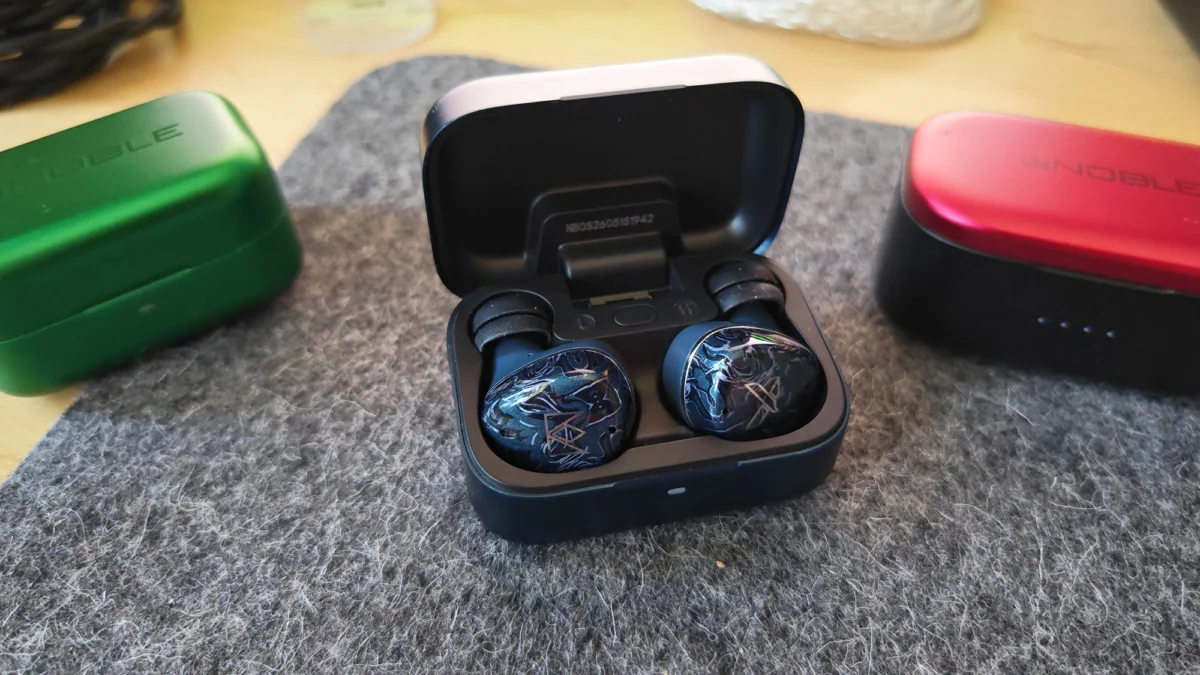
The world of high-end audio has long been governed by a seemingly ironclad rule: you get what you pay for. In the realm of True Wireless Stereo (TWS) earbuds, this has traditionally meant that if you want "audiophile-grade" sound, you should be prepared to open your wallet wide. However, the release of the Noble Osprey has effectively shattered this convention, forcing a re-evaluation of the price-to-performance hierarchy within the prestigious Noble Audio catalog.
At a price point of $200, the Noble Osprey has emerged not just as a competent contender, but as a potential "giant killer." By delivering a level of sonic clarity and balance that rivals—and, in the opinion of many, surpasses—the company’s more expensive offerings, the Osprey has created a fascinating, if somewhat awkward, internal competition for Noble.
The Main Facts: A New Benchmark for Value
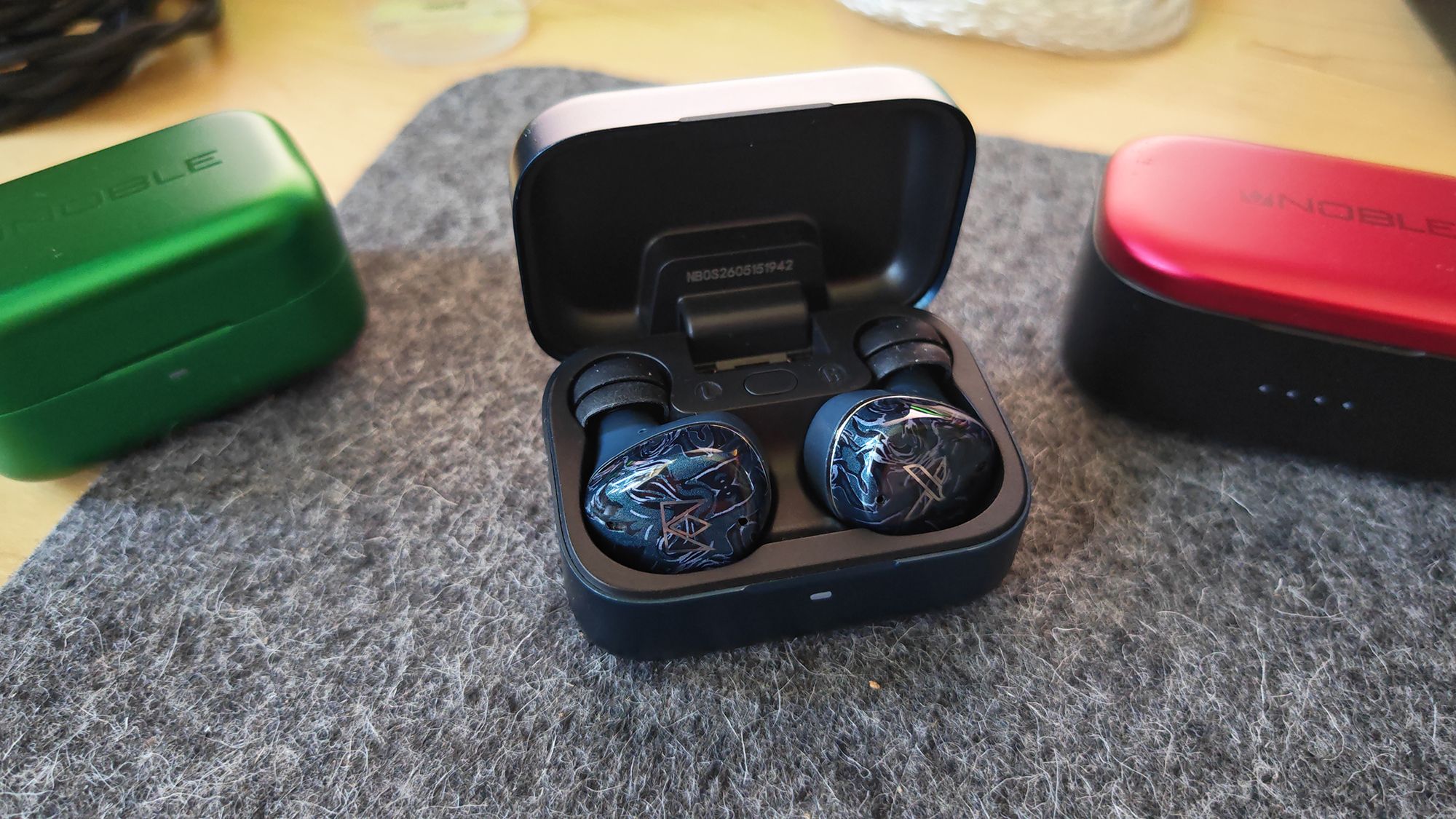
The Noble Osprey stands as a testament to the idea that sophisticated engineering, when focused on core audio performance rather than feature-bloat, can yield superior results. While many competitors are caught in an "arms race" of driver counts and marketing buzzwords, the Osprey focuses on the fundamentals of acoustic tuning.
Key Specifications at a Glance:
- Driver Configuration: Hybrid system featuring one 10mm dynamic driver and one balanced armature driver.
- Connectivity: Bluetooth 6.0 (offering superior efficiency and range compared to the 5.4 standard).
- Battery Life: 5 hours with Active Noise Cancellation (ANC) enabled; 7 hours without.
- Price: $200 USD.
- Customization: Full access to a 10-band EQ via the companion app.
The core narrative surrounding the Osprey is that it manages to provide an "audiophile" sound signature—characterized by a balanced V-shape, energetic yet controlled bass, and transparent mids—at a fraction of the cost of its siblings, the $320 FoKus Amadeus and the $449 FoKus Rex 5.
A Chronology of Noble’s TWS Evolution
To understand why the Osprey is such a significant release, one must look at the trajectory of Noble Audio’s wireless journey. Since 2019, Noble has released no fewer than 15 different wireless earphone models. For the first several years, the brand was finding its footing in the wireless space, balancing its reputation for wired high-fidelity monitors with the technical constraints of Bluetooth technology.
- 2019–2022: Noble establishes its presence in the market, focusing on premium builds and increasingly complex driver arrays.
- 2023: The release of the FoKus Rex 5, a "tribrid" flagship with five drivers, intended to represent the pinnacle of Noble’s wireless audio engineering.
- 2024: The introduction of the Noble Osprey. While technically "simpler" in its hardware design, it benefits from years of iterative learning, resulting in a more refined acoustic profile that outshines its more complex predecessors.
Supporting Data: The Case Against Over-Engineering
In the audiophile community, there is a common misconception that "more drivers equals better sound." The comparison between the Osprey and the FoKus Rex 5 provides a perfect case study in why this is often a fallacy.
The Rex 5 is a technical marvel on paper, boasting a 10mm dynamic driver, a planar magnetic driver, and three balanced armatures. Conversely, the Osprey uses a straightforward two-driver hybrid setup. Despite the massive disparity in hardware, the Osprey consistently wins in subjective listening tests.
Comparative Analysis:
- Sonic Signature: The Rex 5 suffers from a "bloated" sub-bass and a sharp peak in the upper-mids/lower-treble that can introduce graininess and compression. The Osprey, by contrast, offers a clean, transparent, and balanced sound that requires no mental adjustment for the listener.
- Efficiency: The FoKus Amadeus, while balanced, struggles with output volume, often hitting a "ceiling" that leaves the listener wanting more headroom. The Osprey provides consistent, powerful output across all ranges.
- The EQ Equalizer: The most damning evidence against the higher-priced models is the existence of the 10-band EQ. Since all three models (Osprey, Amadeus, and Rex 5) allow for deep EQ manipulation, the sonic differences can be largely bridged by software. When you can make a $200 earphone sound effectively identical to a $450 one, the value proposition of the latter evaporates.
Implications for the Market
The emergence of the Osprey suggests a significant shift in the TWS industry. We are witnessing the "trickle-down" of high-end acoustic engineering.
1. The Death of Diminishing Returns
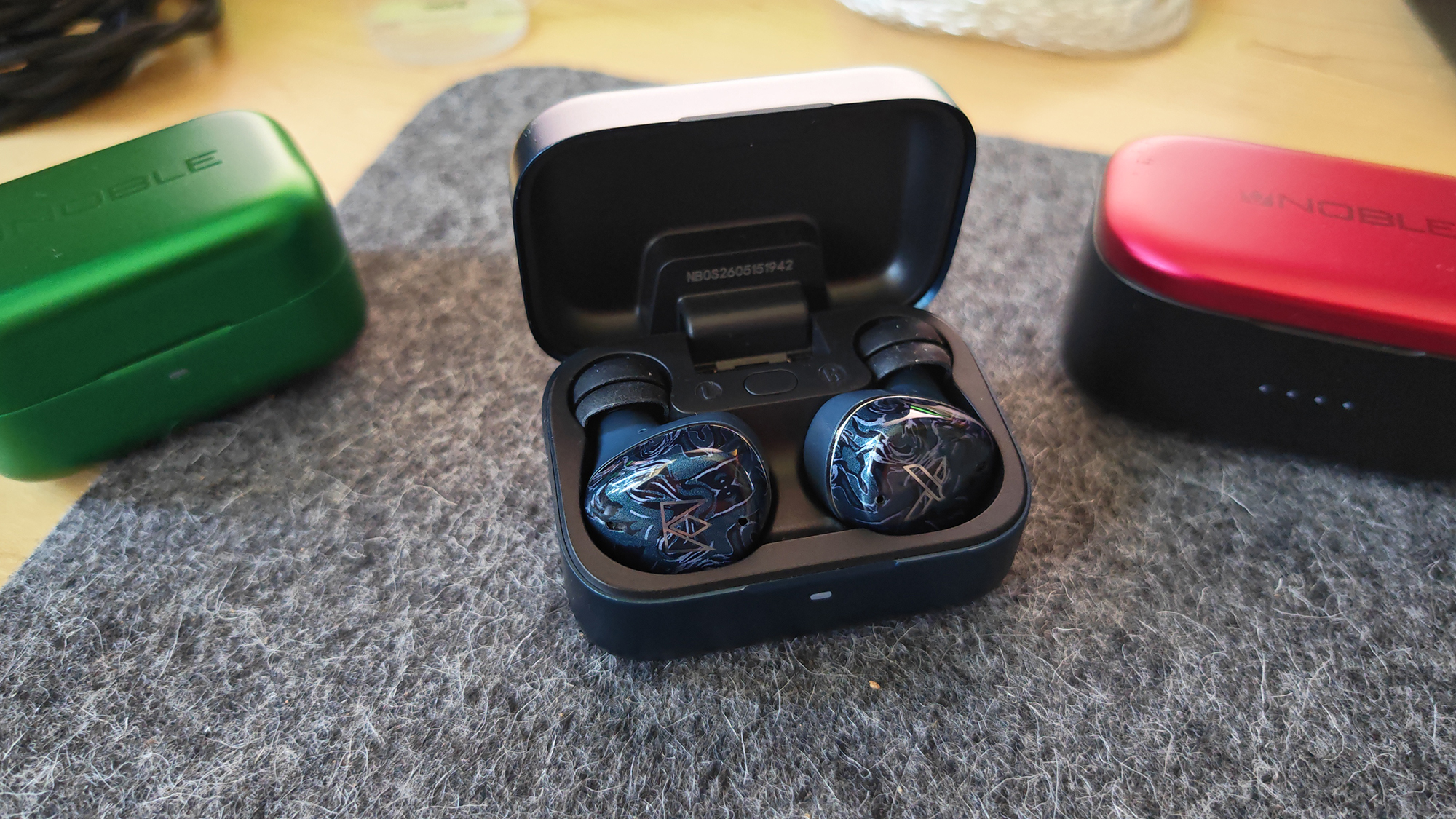
The Noble Osprey represents a point where the law of diminishing returns becomes undeniable. For the average consumer, or even the discerning audiophile on the go, the marginal gains provided by the more expensive Rex 5 simply do not justify the $249 price premium.
2. The "Budget" Conundrum
While the Osprey is a masterclass in mid-range value, it is not without its own competition. Products like the $30 Moondrop Space Travel have already set a high bar for "budget" performance. While the Osprey is undoubtedly superior in build, refined tuning, and connectivity, it exists in a space where it must justify its $200 price tag against both ultra-budget options and its own internal premium lineup. It holds its own, but it serves as a reminder that the "best" buy is often the one that balances price with "good enough" performance.
3. Future Design Philosophy
Noble Audio faces a dilemma. If they continue to produce products that are outshined by their cheaper releases, they risk cannibalizing their flagship sales. The implication is that Noble must innovate on features—such as better battery life, advanced ANC technology, or materials—rather than just relying on driver count or complex tunings that can be replicated via software.
Final Thoughts: Is the Osprey the New King?
For the listener who values transparency, imaging, and a balanced frequency response, the Noble Osprey is arguably the best purchase currently available in the Noble ecosystem. It proves that the "audiophile" label is not a badge that must be earned through a high price tag, but rather through the quality of the acoustic engineering itself.
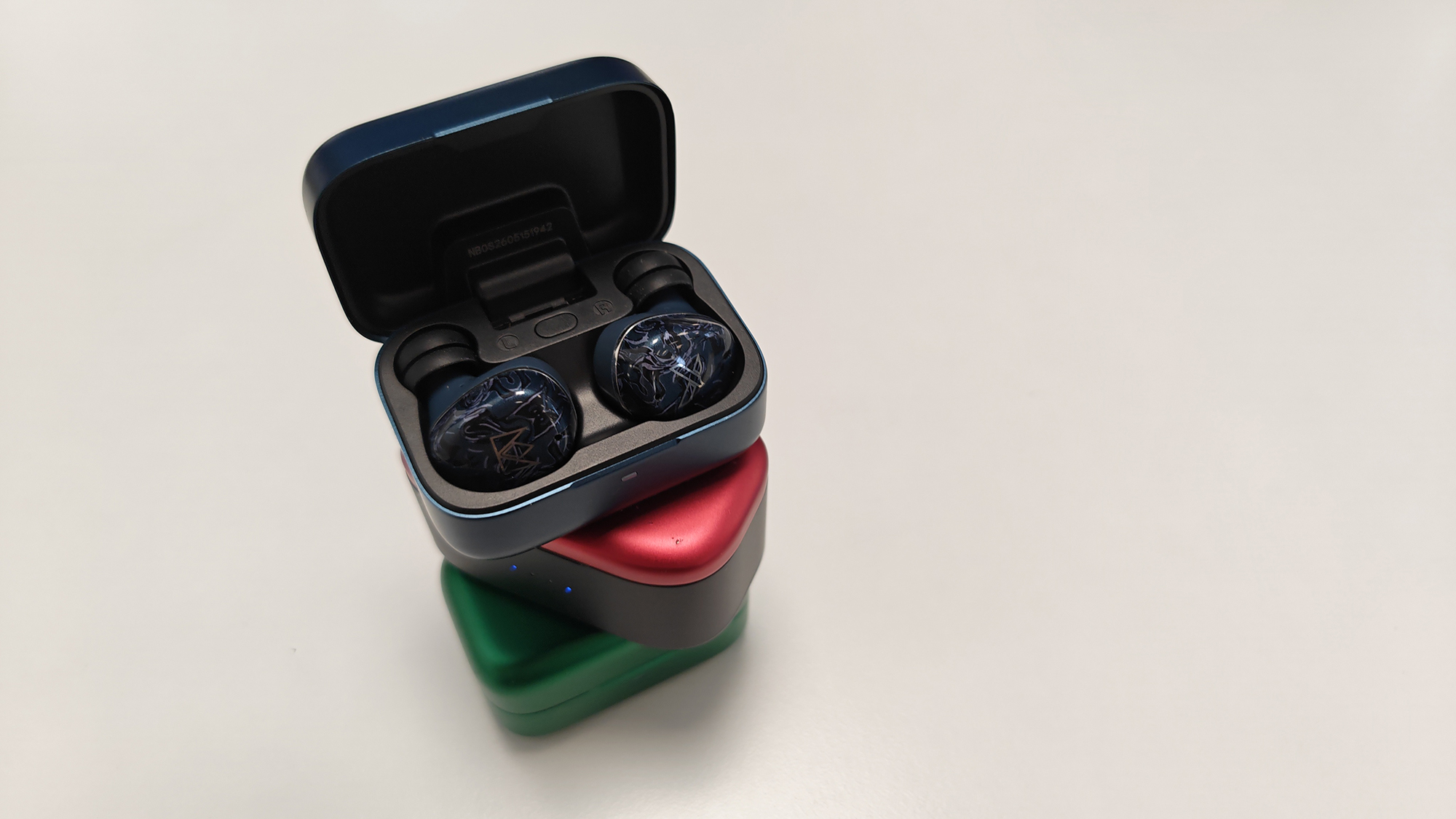
While the brand loyalty to the FoKus Rex 5 or Amadeus may remain among collectors who prioritize specific driver configurations or materials, the practical reality is clear: the Osprey has disrupted the status quo. It is a rare example of a product that makes the rest of a brand’s lineup look questionable, not because the other products are bad, but because the Osprey is simply too good for its own price class.
As we look toward the future of portable audio, the Osprey serves as a cautionary tale for manufacturers: consumers are becoming increasingly savvy, and they are listening with their ears, not their wallets. In this new era, simplicity and sound quality will always triumph over technical complexity.
 Nana Muazin
  Raul Delapena Setiawan
  Ammar Sabilarrohman