
 By Raul Delapena Setiawan
Culver’s has long held a unique position in the American fast-casual landscape. Founded in Sauk City, Wisconsin, in 1984, the chain built its reputation on the "ButterBurger"—a fresh, never-frozen beef patty seared on a grill and served on a buttered, toasted bun. Coupled with a wholesome, family-oriented origin story and signature frozen custard, the brand cultivated a loyal following that viewed it as a superior, more hospitable alternative to the industry giants.
However, as the brand continues its aggressive national expansion, the "Culver’s experience" is coming under increased scrutiny. While the chain maintains a high baseline for quality compared to many of its competitors, a growing chorus of consumer feedback suggests that the brand is struggling with the realities of scale. From persistent wait times to controversial pricing policies, the following report examines the primary pain points currently affecting the Culver’s customer experience.
The Operational Paradox: Quality vs. Speed
At the heart of the Culver’s brand identity is its "cooked-to-order" promise. Unlike traditional fast-food establishments that utilize heat lamps and pre-assembled warming trays, Culver’s commits to starting the cooking process only after a transaction is completed. While this ensures a certain level of freshness, it has created a significant operational friction point in an era where customers prioritize speed.
The Wait Time Crisis
The primary complaint across social media platforms and consumer forums is the length of time required to receive an order. Customers report that the "freshness" factor is often negated by wait times that can stretch well beyond the industry standard, even for simple orders.
The frustration is compounded for mobile and online customers. Many patrons report that despite ordering ahead via the app, they still encounter significant delays upon arrival at the restaurant. For a consumer, the promise of "made-to-order" freshness loses its luster when it is coupled with a 20-minute wait in a drive-thru lane or a crowded lobby. Furthermore, reports of food arriving lukewarm—despite the extended preparation time—have sparked questions regarding the internal efficiency of kitchen management.
A Menu Under Scrutiny: From Fries to Mac and Cheese
While the ButterBurger remains the crown jewel of the menu, other staples are failing to hit the mark. The inconsistency of secondary items has become a recurring theme in negative customer sentiment.
The Fry Dilemma
The Culver’s french fry is perhaps the most divisive item on the menu. A substantial number of customers characterize them as limp, under-seasoned, and inconsistent. The prevailing "hack" among regular patrons—ordering them "extra crispy"—serves as an indictment of the standard product. When customers feel compelled to modify an order to ensure basic textural quality, it suggests a systemic failure in the chain’s standard operating procedures for frying.
The "Cheese State" Failure
Perhaps most surprising for a Wisconsin-born chain is the criticism leveled against its macaroni and cheese. Despite being a staple of the Dairy State’s culinary heritage, the dish is frequently described as bland, greasy, and reminiscent of low-quality microwaved convenience food. Culinary experts point to a structural limitation: Culver’s kitchens lack traditional ovens. Because the equipment is not designed for baking, the mac and cheese must be reheated, leading to the soggy texture and lack of a crust that customers find off-putting.
The Assembly Line: Quality Control Failures
One of the most bizarre and persistent complaints concerns the physical construction of the burgers themselves. There is a documented trend of customers receiving "incomplete" sandwiches.
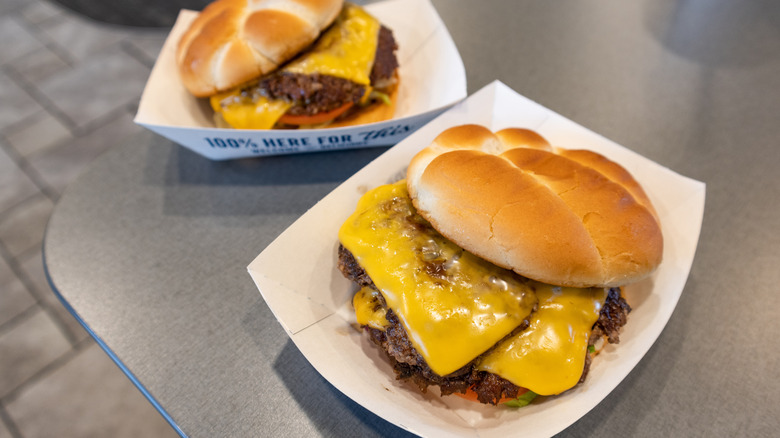
Instances of burgers served without the meat patty, or sandwiches arriving with only one half of the bun, are appearing with enough frequency to warrant concern regarding quality control (QC) at the final assembly stage. These aren’t just minor mistakes; they are fundamental failures of the "check-the-bag" protocol. When a customer pays a premium price, the expectation of a complete product is the absolute minimum requirement. Such errors suggest that the pressure to improve throughput in the kitchen may be compromising the attention to detail required for accuracy.
The Economics of the Meal: Pricing and Shrinkflation
As inflation affects the entire food and beverage sector, Culver’s has not been immune to price hikes. However, the perception of value is shifting. Customers are increasingly vocal about the "price-to-quality" ratio.
The Cost of Customization
Culver’s has long been praised for its customization, but recent policies have soured that reputation. The practice of charging for small add-ons—specifically the 30-cent fee for tomato slices—has been met with significant backlash. Critics argue that when a meal is already priced at a premium, nickel-and-diming customers for basic vegetables feels predatory.
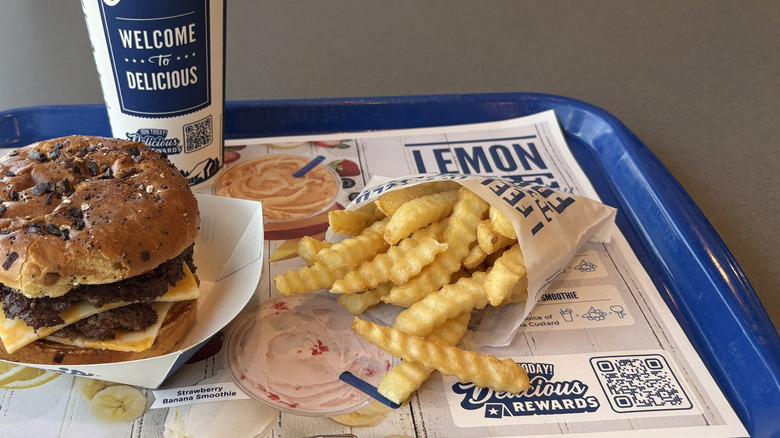
Even more controversial are reports of "shrinkflation." Customers have noted that custard scoops are appearing smaller, and fish fillets are losing their heft. When the physical size of the product decreases while the price remains static or rises, the brand risks alienating its core demographic.
Cultural Friction: The "Name" Policy
Beyond the food, the service model is facing a peculiar challenge. Culver’s policy of asking for a customer’s name during the ordering process—designed to facilitate order accuracy and personalization—is being perceived by some as an intrusive, unnecessary step. While employees maintain that the system is essential for operational flow in a busy environment, the disconnect between the company’s intent and the customer’s perception creates an awkward social friction that can color the entire dining experience.
Official Responses and Strategic Implications
To date, Culver’s has largely relied on its "Hospitality" branding to deflect criticism. Their official response to complaints is typically routed through local management or corporate customer service channels, focusing on "recovering" the individual customer rather than addressing the systemic issues in the media.
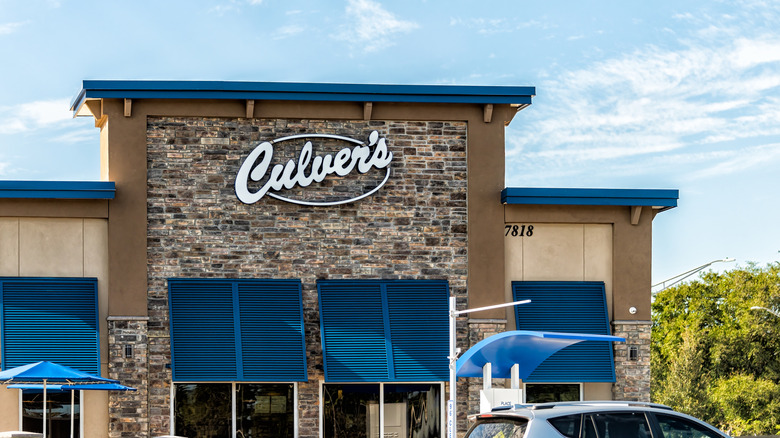
However, the implications of these complaints are significant. The brand is currently at a crossroads. As it moves further away from its Wisconsin roots and into new markets, it faces the "Chain Dilemma": can it maintain the high-quality, made-to-order standards that built its reputation while competing with the lightning-fast efficiency of global giants?
The Path Forward
For Culver’s to reverse this trend of dissatisfaction, it must address three critical areas:
- Process Engineering: If the "made-to-order" model cannot be reconciled with modern wait-time expectations, the company must invest in better kitchen technology or staffing models to bridge the gap.
- Product Consistency: The disparity in quality for items like fries and the mac and cheese suggests a need for a nationwide review of preparation standards.
- Value Perception: The brand must decide whether it wants to be a "premium" fast-food option or a value-driven one. Currently, it is caught in the middle, and customers are beginning to notice.
Conclusion
Culver’s remains a beloved institution for many, but the cracks in its armor are becoming impossible to ignore. The brand’s success was built on the promise of better ingredients and better care. As that promise is tested by the realities of a demanding market, the chain must prove that it can adapt without losing the soul of the ButterBurger. For now, the message from the customer base is clear: they are willing to pay more for quality, but they are no longer willing to pay more for inconsistency.
 Azzam Bilal Chamdy
  Lina Irawan
  Lina Hope