
 By Lina Hope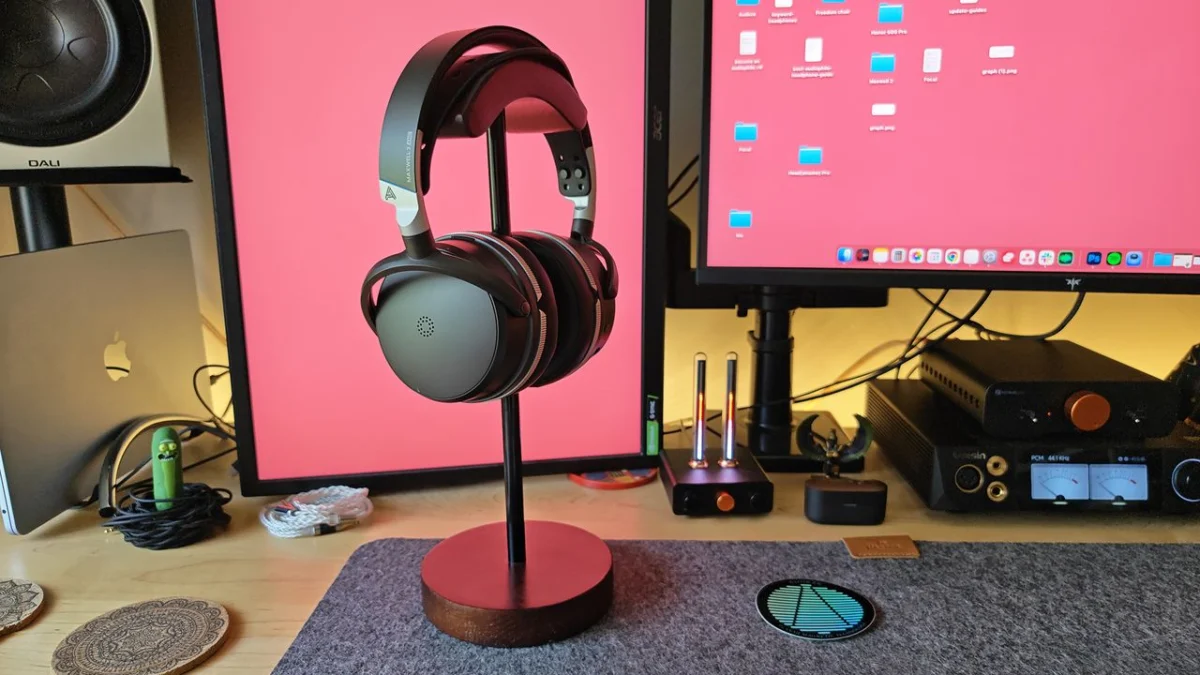
Since its inception in 2008, Audeze has cultivated a reputation as a titan of the audiophile world, known for pushing the boundaries of planar magnetic technology. With 38 distinct headphone models under its belt, the California-based manufacturer spent over a decade catering exclusively to high-fidelity enthusiasts. However, in recent years, the company has pivoted its R&D prowess toward the competitive gaming sector. The result? A series of headsets that don’t just compete with gaming brands; they embarrass them.
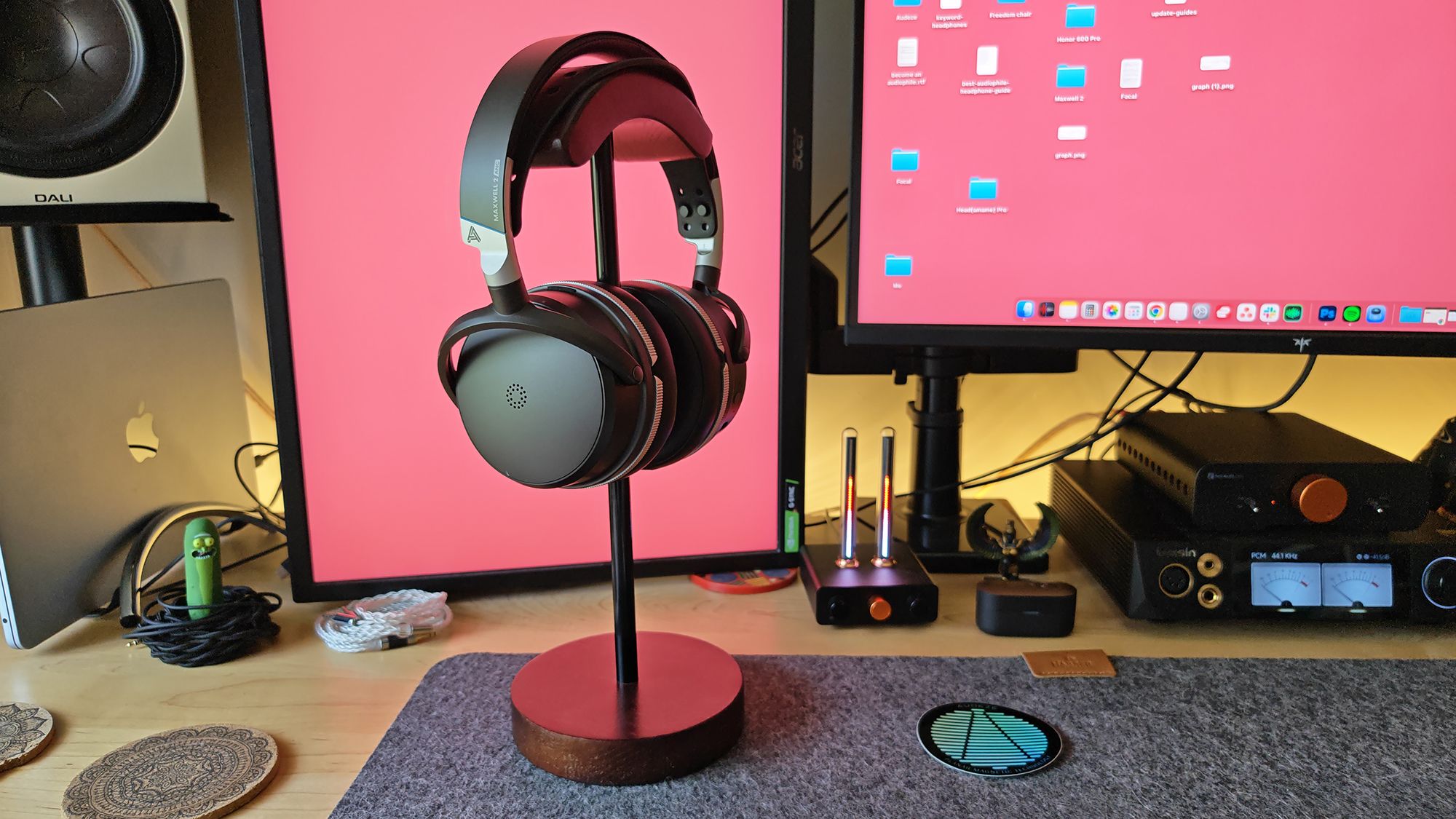
Today, Audeze is raising the stakes once again with the launch of the Maxwell 2 ANC. Priced at $449, this latest iteration aims to bridge the gap between studio-grade audio and the demanding, low-latency requirements of professional gaming, all while introducing a sophisticated, AI-driven Active Noise Cancellation (ANC) system.
The Evolution: A Chronology of Audeze’s Gaming Ascendance
To understand why the Maxwell 2 ANC is a significant development, one must look at the trajectory of the brand. Audeze entered the gaming fray with the Mobius and Penrose lines, which served as technical proof-of-concepts for what happens when you cram planar magnetic drivers into a consumer gaming chassis.
The original Maxwell, released to widespread critical acclaim, was the turning point. It solved the two biggest complaints of its predecessors: battery life and build quality. By ditching the proprietary dongle limitations and refining the physical structure, Audeze proved that audiophile-grade sound wasn’t mutually exclusive with competitive gaming features.
The Maxwell 2 followed, refining the tuning and connectivity, and now, the "ANC edition" marks the third major chapter in this saga. The addition of noise cancellation isn’t just a "feature update"—it is a fundamental restructuring of how the headset manages its acoustic environment.
The Science of Silence: Understanding Adaptive Hybrid ANC
The headline feature of the Maxwell 2 ANC is its new adaptive hybrid noise-cancellation system. Unlike standard ANC, which often applies a blanket frequency cut that can "muffle" the vibrancy of high-end audio, Audeze’s implementation is surgical.
The system employs a dual-microphone array:
- Feedforward Mics: Positioned on the exterior of the ear cups to monitor ambient environmental noise.
- Feedback Mics: Located inside the ear cups to monitor the sound profile being delivered to the eardrum.
By utilizing AI-controlled parameters, the headset performs a real-time analysis of the noise floor. It identifies and cancels out low-frequency hums—like the drone of a PC fan or an air conditioner—without interfering with the critical mid and high-range frequencies where vital gaming audio cues, such as footsteps or gunfire, reside.
The "Seal" Revolution: DSP as a Safety Net
Perhaps the most ingenious aspect of the Maxwell 2 ANC is its role as an audio regulator. Historically, closed-back planar magnetic headphones are notoriously sensitive to the "seal" around the ear. If a user wears glasses, or if their head shape prevents a perfect airtight fit, the bass response suffers, leading to a thin, hollow sound.
The Maxwell 2 ANC changes this dynamic. Because the internal microphones are constantly monitoring the sound pressure levels inside the cup, the Digital Signal Processor (DSP) can detect if the seal has been compromised. If the audio profile drops or shifts due to a poor fit, the DSP instantly compensates in real-time, boosting the frequencies that are being lost. This ensures that every user, regardless of their head shape or eyewear, experiences the same balanced, bass-heavy audio profile.
Supporting Data and Technical Specifications
The Maxwell 2 ANC retains the core performance metrics that made its predecessors industry leaders. At the heart of the headset are the signature 90mm planar magnetic drivers. These large-diaphragm drivers are capable of a level of transient response and detail retrieval that traditional dynamic drivers—found in competitors like the SteelSeries Arctis Nova Pro—struggle to match.
- Weight: 560g (a 70g increase from the non-ANC version).
- Connectivity: Simultaneous wired and Bluetooth playback.
- Battery Life: Industry-leading (consistent with previous Maxwell performance).
- Processing: AI-enhanced adaptive ANC with real-time DSP compensation.
While the weight increase is notable, it is a testament to the complex hardware required to manage both the planar magnetic drivers and the sophisticated noise-canceling circuitry.
The User Experience: Comfort vs. Performance
In a hands-on capacity, the Maxwell 2 ANC presents a compelling, if slightly polarizing, experience. The sound profile remains the standout feature. The clarity is piercing; in competitive shooters, the separation between ambient world-building sounds and tactical audio cues is distinct. The rustle of trees or the subtle mechanical reload of an opponent’s weapon are rendered with a level of fidelity rarely found in gaming hardware.
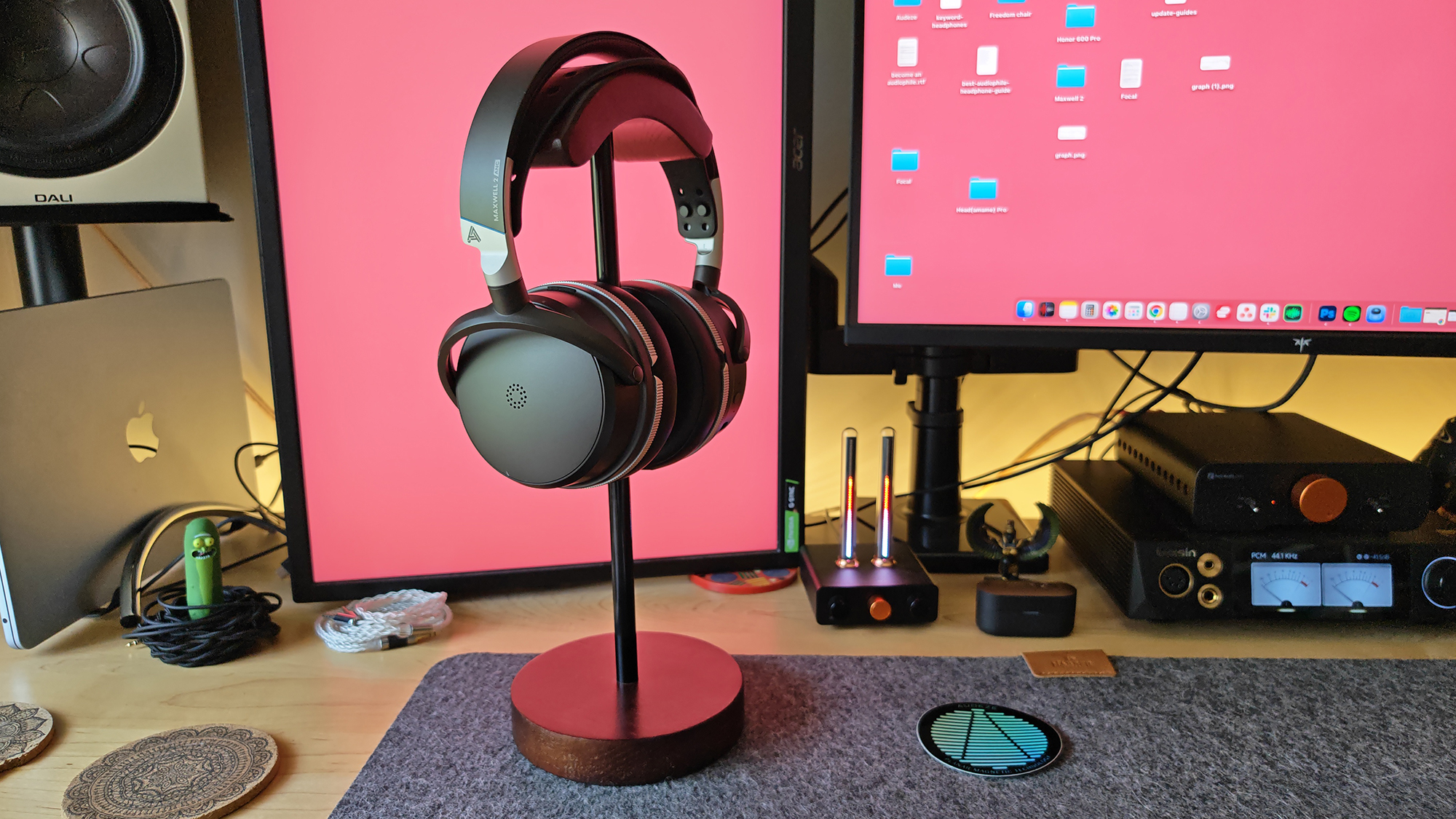
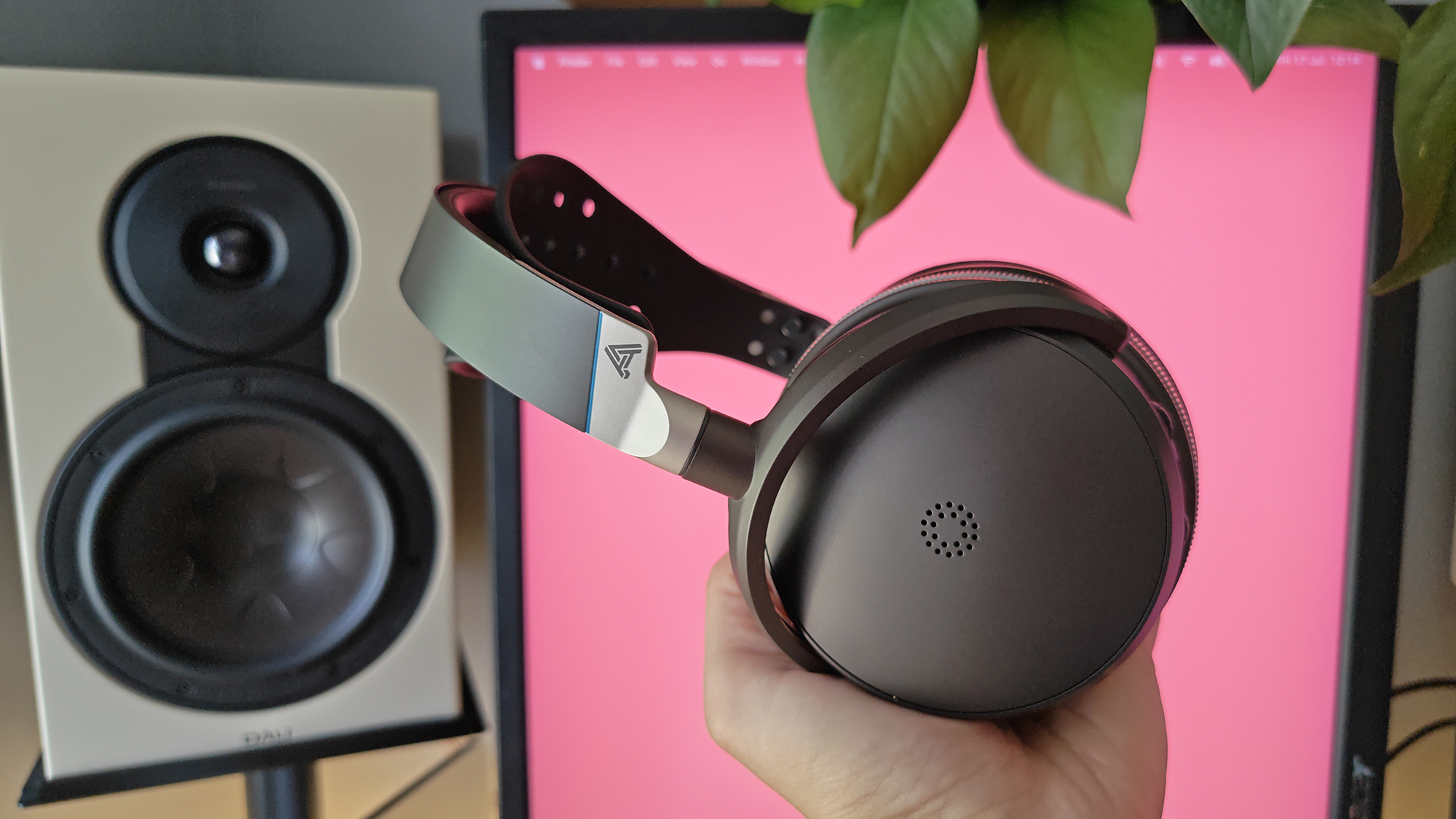
However, the "heavy boy" moniker remains apt. At 560 grams, these are not lightweight accessories designed for multi-hour marathon sessions without consideration for neck strain. The suspension headband, while ventilated and wider than previous versions, remains limited to three fixed adjustment settings. For those with unique head shapes, this lack of granular adjustment is a lingering point of friction.
Despite this, the integration of voice-activated commands and the seamless blending of wired/Bluetooth audio playback (allowing users to take a phone call while maintaining a low-latency connection to their console) elevates the device from a mere headset to a central hub for all audio needs.
Implications for the Gaming Audio Industry
The arrival of the Maxwell 2 ANC signals a shift in the gaming peripherals market. For years, the industry was satisfied with "good enough" audio. Companies competed on RGB lighting, lightweight plastic frames, and software gimmicks. Audeze has effectively forced the conversation toward acoustic engineering.
By proving that ANC can be implemented without destroying the sound profile—and indeed, using it to improve the consistency of that sound—Audeze is challenging its competitors to rethink their hardware approach. The industry-leading noise cancellation is no longer just about silence; it is about performance consistency.
Why This Matters for the Prosumer
For the casual gamer, $449 is a significant investment. However, the target demographic for the Maxwell 2 ANC is the "prosumer"—the user who demands one device for their home office, their music studio, and their late-night gaming sessions. The ability of the Maxwell 2 ANC to "fix" the audio experience via DSP means that the headset is essentially future-proofed against the physical limitations of the user.
Conclusion: A Masterclass in Compromise-Free Audio
The Audeze Maxwell 2 ANC is not a perfect device. It is heavy, it is expensive, and it requires a specific tolerance for a firm, secure fit. Yet, for those who value audio fidelity above all else, it represents the current pinnacle of the category.
It is a rare instance of technology solving a human problem. By utilizing internal microphones to regulate the sound profile, Audeze has managed to minimize unit variation, ensuring that the sound you hear is the sound the engineer intended, regardless of the physical variables at play.
While the weight and the limited headband adjustments may deter some, the payoff—undisturbed, pristine, and perfectly tuned audio—is, for the discerning listener, absolutely worth the heft. Audeze has not just released a new headset; they have set a new standard for what a gaming device can be when it is treated with the same seriousness as a high-end studio tool. Whether you are navigating the chaotic soundscape of a competitive battlefield or relaxing with high-fidelity music, the Maxwell 2 ANC provides a level of immersion that, quite literally, shuts the rest of the world out.
 Raul Delapena Setiawan
  Ammar Sabilarrohman
  Muslim