
 By Pevita Pearce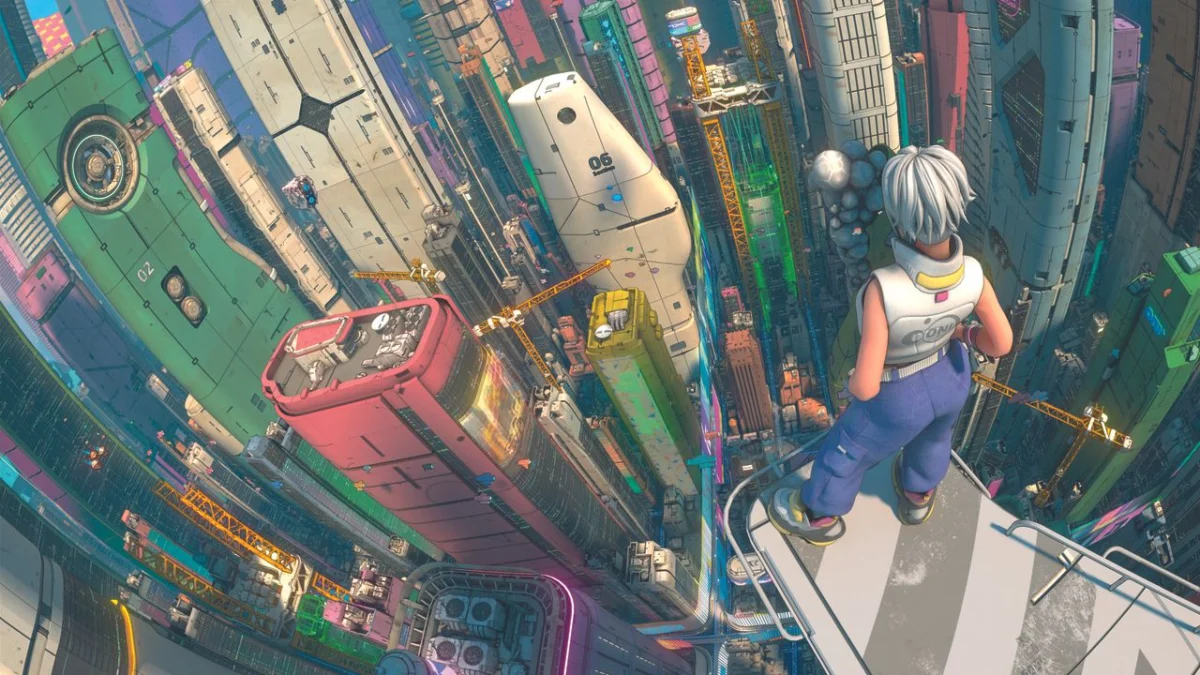
In the rapidly evolving landscape of digital art, few creators manage to bridge the gap between technical precision and raw, atmospheric storytelling as effectively as Marcel Deneuve. A visionary digital concept artist, Deneuve has carved out a niche for himself by blending the cold, rigid geometry of architectural innovation with the sprawling, often melancholic vistas of science fiction. His work, characterized by colossal, gravity-defying structures and intricate, multi-layered urban environments, serves as a masterclass in modern digital workflows.
Inspired by the profound visual narratives of Japanese masters such as Tsutomu Nihei, Yoshitaka Amano, and Takashi Murakami, Deneuve’s portfolio feels like a bridge between traditional fine art sensibilities and the boundless potential of 3D modeling. For Deneuve, the canvas is not merely a space to depict a scene, but a medium through which to engineer entire worlds.
A Chronology of Creation: From Electronic Soundscapes to Digital Vistas
The trajectory of Deneuve’s career is as non-linear as the architecture he depicts. His creative origins are rooted not in the visual arts, but in the realm of electronic music. This early period of experimentation with sound design provided him with an essential understanding of rhythm, texture, and structural composition—elements that would eventually translate seamlessly into his visual work.
The 2017 Pivot
It was not until 2017 that Deneuve transitioned into the world of digital illustration. Driven by a newfound fascination with the aesthetic philosophies of Japanese creators, he began to formalize his artistic voice. Without the benefit of formal training in an art academy, Deneuve relied on a self-taught methodology, utilizing books, online tutorials, and a relentless commitment to trial and error.
The 3D Revelation
The true turning point in his professional development arrived when he encountered the power of 3D modeling software, specifically Blender. Initially, his focus was relatively modest, centering on the mechanical aesthetics of robots and vehicles. However, as his mastery of the software grew, so did the scale of his ambition. He began to pivot away from individual objects, choosing instead to focus on the macro-scale—environmental design, city planning, and the architectural implications of a futuristic, often dystopian, world.
Supporting Data: The Anatomy of a Digital Workflow
Deneuve’s process is a testament to the modern "hybrid" workflow. He rejects the notion that a single software solution can suffice, instead curating a pipeline that leverages the specific strengths of various industry-standard tools.
The Pipeline Architecture
- Ideation and Sketching (Procreate): Deneuve begins his process on a tablet, using Procreate to establish the fundamental composition and mood of a piece. This stage is crucial for ensuring that the final, more technical renders retain an organic, human touch.
- Structural Modeling (Blender): Once the concept is locked, he moves into the 3D space. Blender serves as the backbone of his work, allowing him to construct complex, multi-layered structures. This is where he excels in avoiding repetition, a common pitfall in environmental art. By building a vast library of modular assets, he ensures that his cities feel lived-in and distinct.
- Materiality and Texturing (Substance 3D): To achieve the hyper-realistic or stylized finishes required for his sci-fi landscapes, he employs Substance 3D. This allows for the creation of custom textures that react naturally to light and shadow, grounding his massive, often surreal structures in a believable reality.
- Final Synthesis (Photoshop): The final output is synthesized in Photoshop, where he handles color grading, compositing, and final polish. This is where his artistic voice truly emerges, turning cold, geometric data into atmospheric, evocative imagery.
Official Insights: Examining Key Works
Deneuve’s recent portfolio showcases three specific pieces that illustrate the depth of his technical and narrative range.
Lollipop: The Future of Urbanism
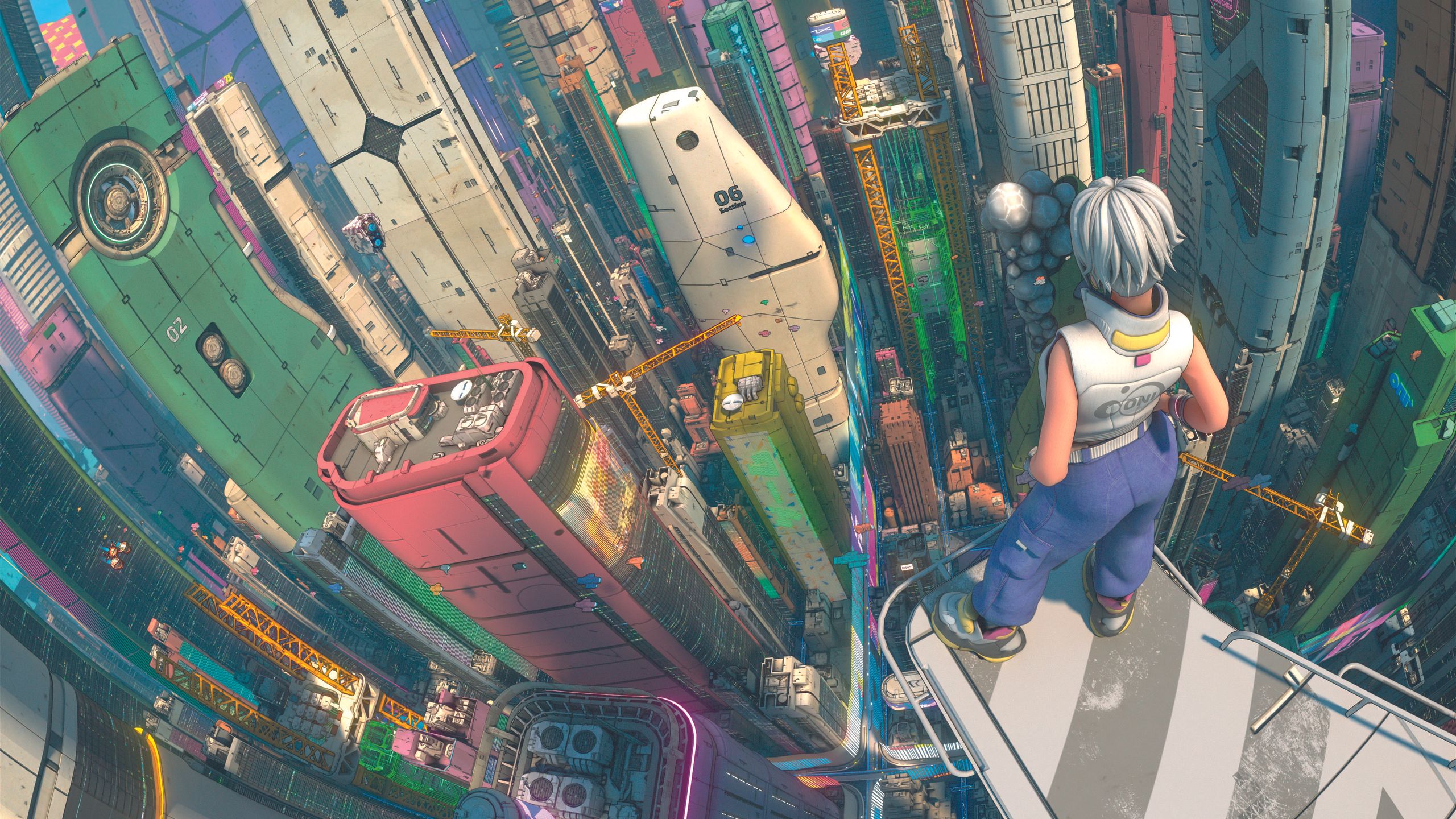
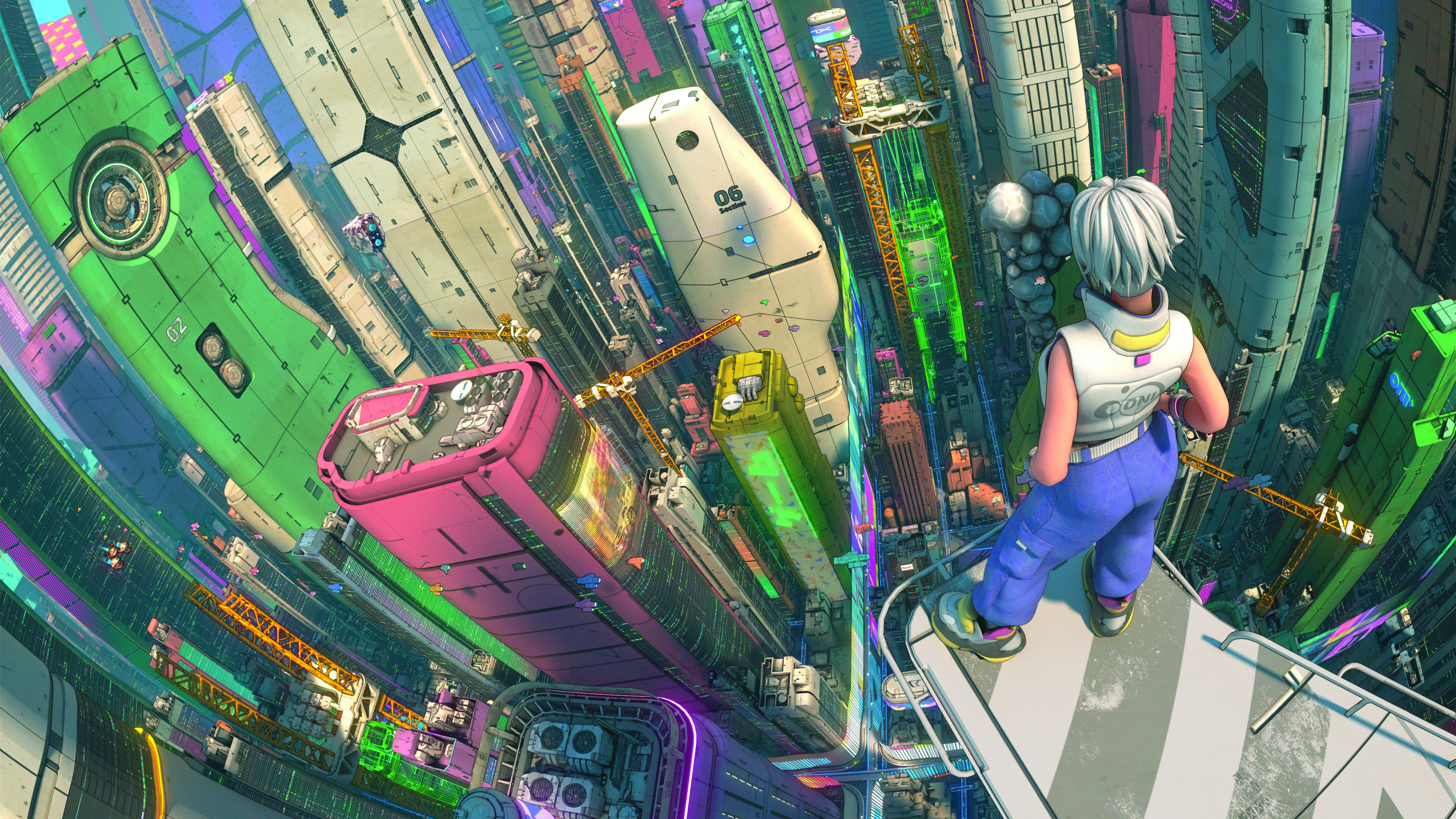
"With Lollipop, I wanted to go beyond my original style by pushing colours and forms to make a ‘futuristic candy city’," Deneuve explains. The piece is part of his ongoing, ambitious personal project titled Onimeon. The work challenges the tropes of the "grimy" sci-fi city, instead opting for a surrealist, color-saturated aesthetic that forces the viewer to reconsider what a high-tech future might look like.
Red Howl: A Homage to Nihei
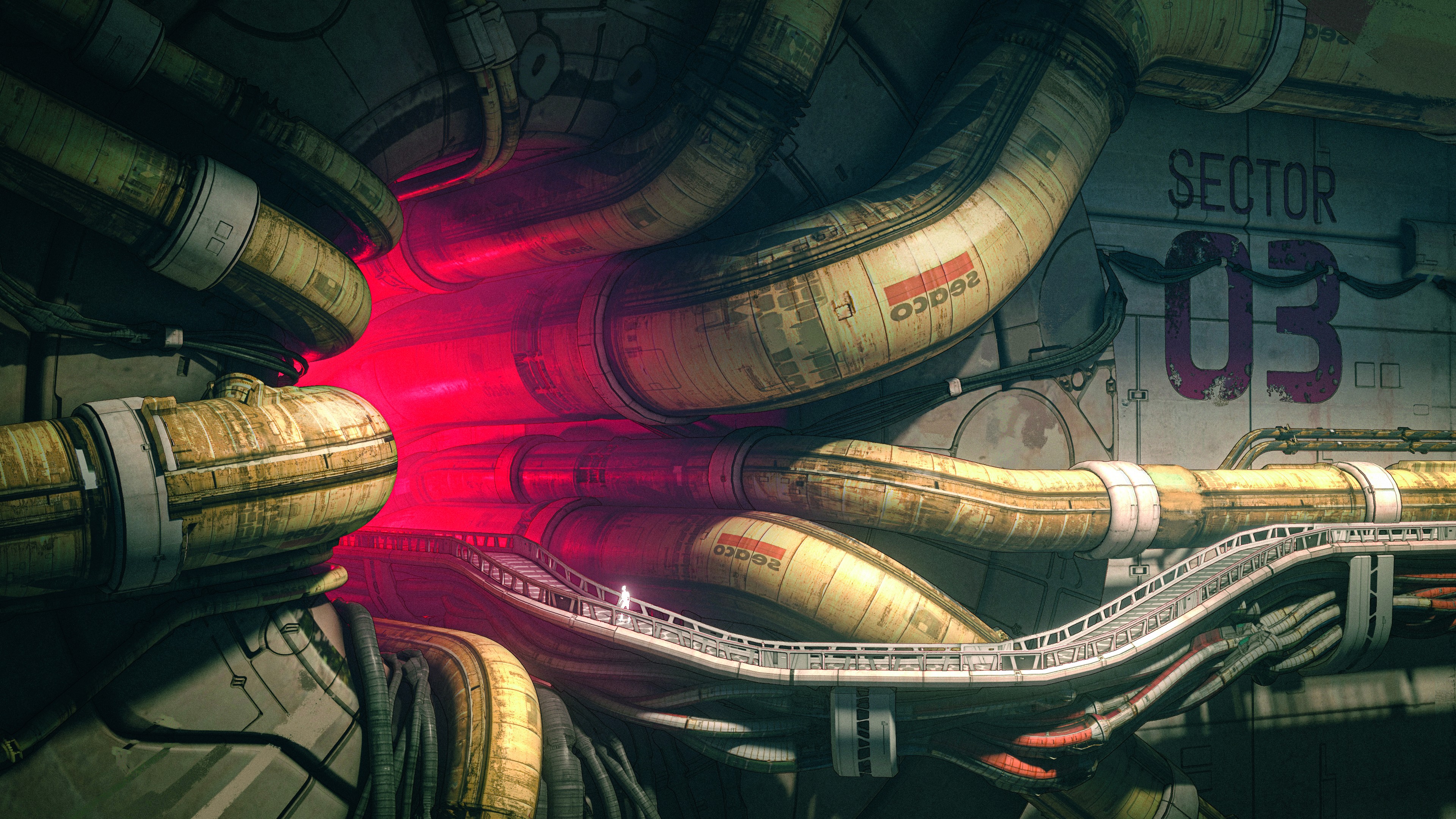
Red Howl serves as a direct tribute to the legendary manga artist Tsutomu Nihei, known for his sprawling, claustrophobic, and awe-inspiring architectural designs. Deneuve utilizes this piece to showcase his mastery of the classic pipeline, moving from the initial Procreate sketch through to the final compositing phase. It acts as a bridge between the influence of the past and the technology of the future.
Azzarax: The Complexity of Scale
Perhaps the most representative of his style, Azzarax is a sprawling, multi-layered metropolis. When asked about the challenges of this piece, Deneuve notes: "I had to create a huge library of buildings to populate the city, making sure that it doesn’t feel repetitive." The result is a testament to his dedication to architectural rigor—each sector of the city possesses a unique silhouette, preventing the viewer’s eye from catching on repetitive patterns.
The Implications for Digital Concept Art
Marcel Deneuve’s rise highlights a broader trend in the industry: the rise of the "Digital Architect." No longer is a concept artist simply someone who draws; they are now designers of space, physics, and ecology.
The Democratization of Mastery
Deneuve’s career path—moving from self-taught enthusiast to a recognized voice in digital art—highlights the power of the contemporary digital ecosystem. With access to professional-grade tools like Blender and Substance, the barrier to entry for world-class design has never been lower. However, as Deneuve demonstrates, the tools are secondary to the vision. His success is not solely a product of his software proficiency, but of his ability to synthesize disparate influences—electronic music, Japanese literature, and architectural theory—into a cohesive visual language.
Shaping Future Worlds
The implications of Deneuve’s work extend beyond personal art galleries. His approach to modular asset creation and atmospheric design is directly applicable to the gaming, film, and virtual reality industries. As virtual environments become more central to human experience, the demand for artists who can synthesize architectural logic with emotive, sci-fi world-building will only increase.
Conclusion: The Horizon of Creativity
For those looking to follow in Deneuve’s footsteps, the message is clear: the journey begins with curiosity and ends with technical discipline. Whether you are inspired by the neon-drenched streets of a futuristic "candy city" or the brutalist, sweeping monoliths of a Nihei-inspired wasteland, the tools to build these worlds are readily available.
As the lines between reality and digital simulation continue to blur, artists like Marcel Deneuve are not just documenting imagined futures; they are providing the blueprint for them. His work serves as a reminder that the most compelling art is that which manages to feel both impossibly large and deeply, uniquely human.
For aspiring artists looking to replicate Deneuve’s workflow, it is recommended to invest in reliable hardware. As noted in industry standards, the best drawing tablets and digital art software are essential for managing the high-polygon counts associated with complex 3D modeling. For more updates on the intersection of technology and creativity, subscribe to the latest issues of ImagineFX, which continues to feature the industry’s most innovative voices.
 Raul Delapena Setiawan
  Ammar Sabilarrohman
  Muslim