
 By Evan Lee Salim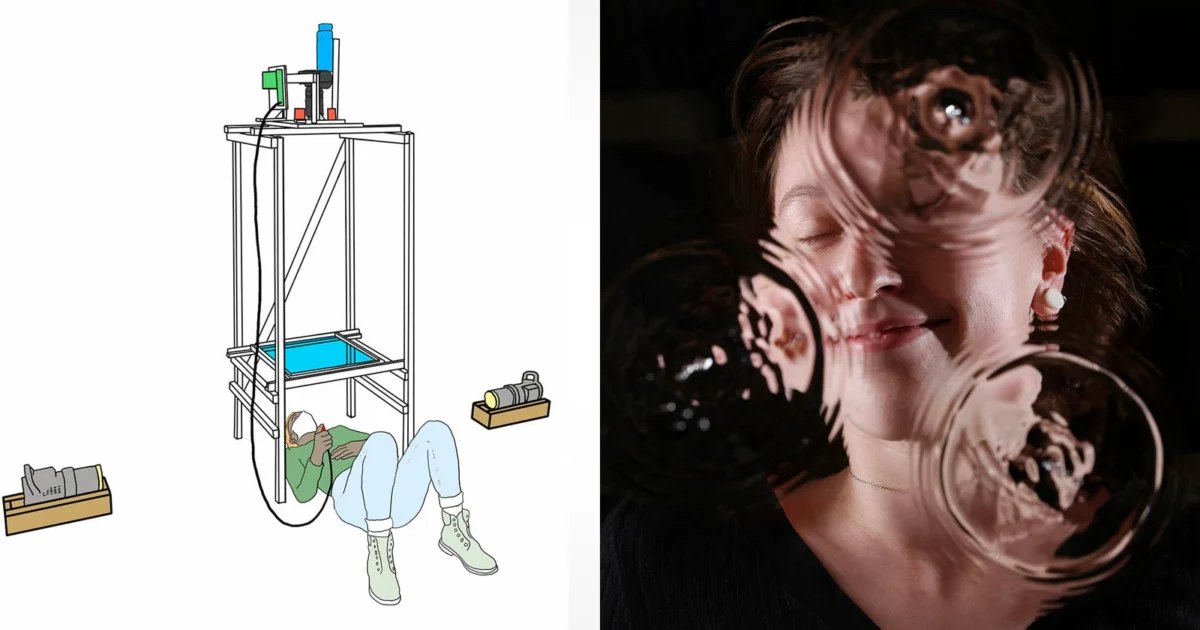
In the realm of experimental photography, the intersection of physics and portraiture often yields the most compelling results. A recent project, born from years of academic exploration into high-speed water-drop photography, has unveiled a captivating new technique: "Portraits in Water." By positioning subjects beneath a thin, transparent layer of water and utilizing controlled ripples or droplets to manipulate the light, photographers can create ethereal, impressionistic portraits that defy traditional optical standards.
This article explores the mechanics, methodology, and creative implications of this unique photographic practice, which bridges the gap between technical precision and fluid artistry.
The Genesis of an Idea: From Laboratory to Studio
The concept for this project did not emerge in a vacuum; it was the culmination of extensive experimentation with water-drop imaging—a genre often relegated to the laboratory or specialized high-speed photography kits. The driving question was simple: What happens when the precision of high-speed fluid dynamics is applied to the human face?
For many, the portrait is an exercise in clarity and character study. By introducing a physical medium—a layer of water between the lens and the subject—that dynamic shifts. The water acts as a refractive lens, distorting the subject’s features into organic, flowing patterns. When executed correctly, the resulting images possess a dreamlike quality, where the familiar contours of a face are rendered into something abstract yet deeply human.
The Technical Framework: Building the Apparatus
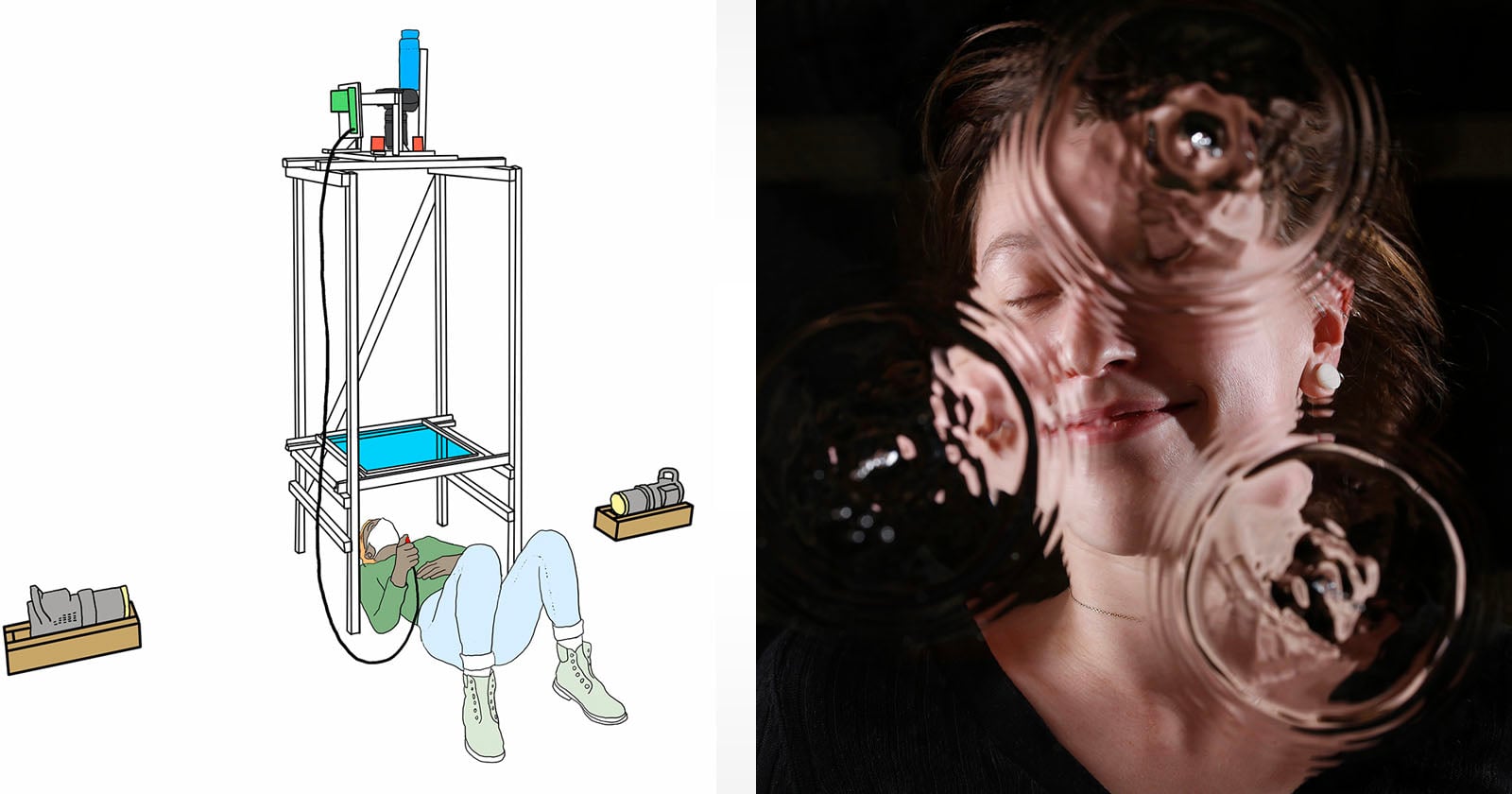
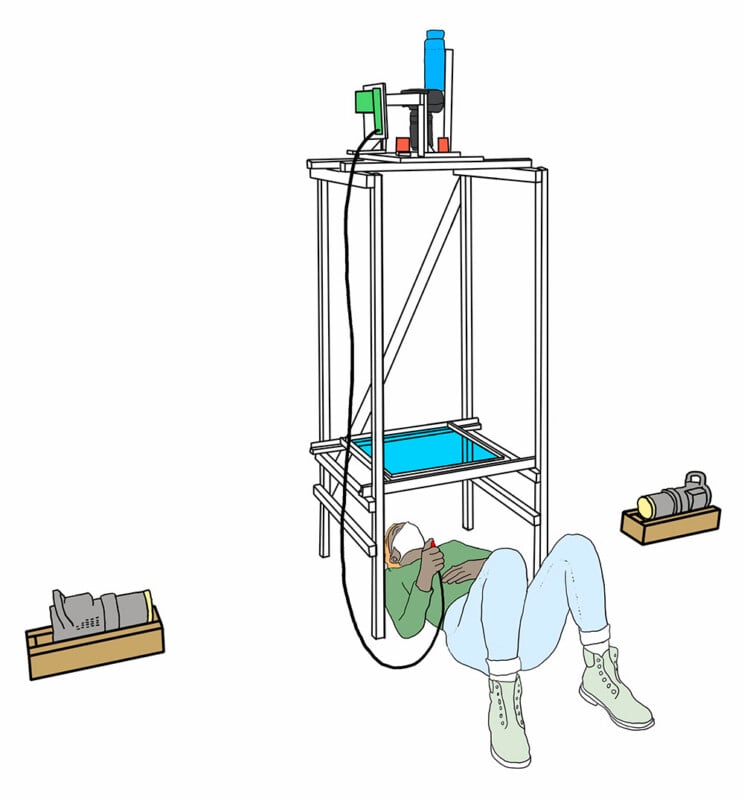
At the heart of this project lies a deceptively simple construction. The setup requires a shallow, transparent water tank positioned directly above the model.
Construction Methodology
To ensure both safety and optical clarity, the tank is constructed using an aluminum picture frame fitted with a single sheet of high-quality glass. The edges are sealed with RTV aquarium adhesive, a flexible and robust sealant capable of holding water without leakage.
Crucially, the depth of the water is kept to a minimal 1 centimeter. This depth is sufficient to create clear, rhythmic ripples while remaining light enough to ensure the structural integrity of the setup. Safety remains the primary concern: the tank is mounted on a sturdy, independent wooden support system, completely detached from the model’s immediate personal space, ensuring that even in the event of an accident, the water remains contained.
Lighting and Optics
The lighting scheme is surprisingly minimalist. Two Profoto flash units, positioned on the floor and directed upward toward the subject through the water, serve as the primary light source. Because the movement of water is relatively slow compared to the duration of a standard electronic flash, specialized high-speed lighting is not strictly necessary. In fact, modern camera shutter speeds are often sufficient to freeze the motion of the ripples, allowing photographers of varying skill levels to experiment with the technique.
Chronology of a Creative Session
The workflow of this project typically unfolds in two distinct phases: the "High-Tech Phase" and the "Low-Tech Alternative."
Phase One: Automated Precision
Initially, the project utilizes a sophisticated, three-valve drip system. These valves are controlled independently by a programmable microcontroller. This allows the photographer to sequence the drops, fire them in tandem, or isolate a single point of impact.
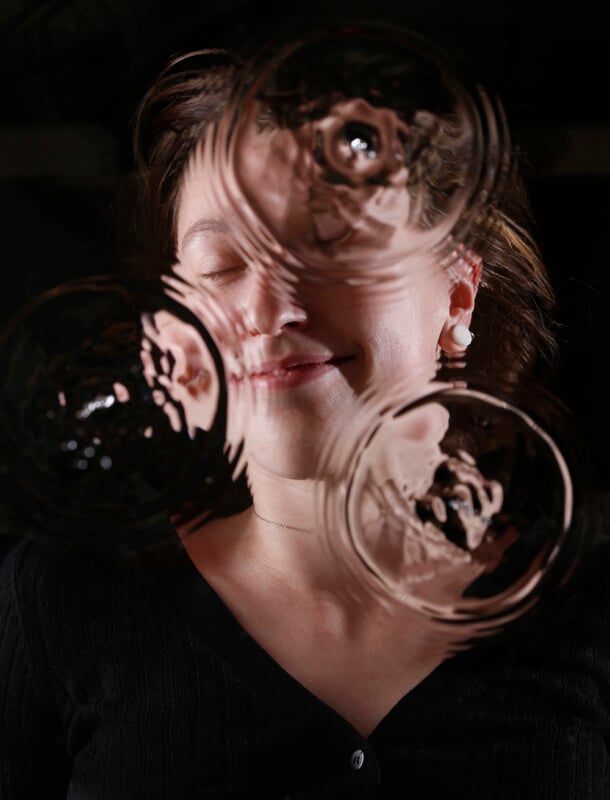
When the system is triggered, a micro-second delay is initiated. This delay allows the water drop to strike the surface at the precise moment required to create a perfect splash or a symmetrical ripple. By adjusting this delay, the photographer gains absolute control over the "frozen" moment, capturing everything from the initial impact to the complex, concentric circles that follow. In one educational session, students were able to capture over 500 distinct images, illustrating the system’s capacity for rapid iteration and creative discovery.
Phase Two: The Intuitive Pivot
Recognizing that not all photographers have access to specialized drip electronics, the project also champions a "low-tech" approach. By simply lifting one side of the water tray by a few millimeters, the photographer can induce a wave or ripple manually.
This method removes the technical barrier of electronic timing and shifts the focus entirely to the photographer’s intuition. By observing the movement of the water and releasing the shutter when the patterns align with the subject’s expression, the photographer engages in a form of "visual jazz." This approach emphasizes timing and anticipation over technological precision, making it an ideal pedagogical tool for students learning to balance camera control with physical spontaneity.
Supporting Data: Why Fluid Dynamics Matter
The effectiveness of this technique relies on the principles of refraction. As light passes through the water and the rippled surface, the path of the light rays is bent according to Snell’s Law. Because the surface of the water is constantly changing, the image perceived by the camera lens is in a state of perpetual flux.
Pedagogical Value
For educators, this project serves as a comprehensive masterclass in:
- Event Control: Learning how to manage a physical, non-static event (the ripple).
- Flash Synchronization: Mastering the timing between the event and the strobe discharge.
- Subject Interaction: The model’s role in triggering the system empowers the subject, effectively making them a collaborator in the portrait-taking process rather than a passive recipient.
Implications for Modern Photography
The "Portraits in Water" project challenges the obsession with "tack-sharp" digital imagery. In an era dominated by high-resolution sensors and clinical digital clarity, there is a growing appetite for techniques that reintroduce texture, unpredictability, and emotion into the image-making process.
Artistic Significance
The beauty of these portraits lies in their imperfection. The water acts as an emotional filter, softening edges and creating ripples that mirror the subject’s internal state. Whether the model is smiling softly or closing their eyes, the distortion transforms the portrait into a piece of fine art rather than a mere documentary record.
Accessibility and Future Development
The low barrier to entry—requiring little more than a glass frame, adhesive, and a light source—suggests that this technique will continue to grow in popularity within photography workshops and independent studios. It serves as a reminder that the most compelling photographic breakthroughs often come from simple, physical interventions rather than software-based post-processing.
Conclusion: A Call to Experiment
The project concludes that technical complexity is not a prerequisite for visual impact. By removing the digital "black box" and engaging with the physical behavior of light and water, photographers can unlock a new vocabulary of portraiture.
As the creator of this technique notes, the simplicity of the manual ripple method is perhaps its greatest strength. It invites the photographer to stop calculating and start seeing. Whether you are an experienced professional with a fully automated drip system or a student with a simple glass frame and a sense of curiosity, the world of fluid distortion offers a vast, untapped landscape for creative expression.
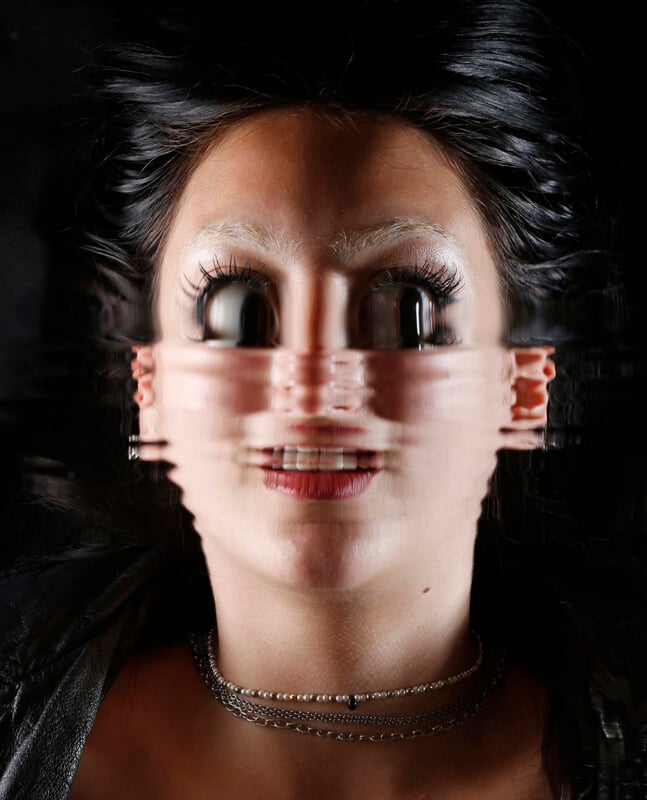
If you are looking to expand your photographic repertoire, consider building a simple water tank. The process of capturing a face through the lens of a ripple is not just an exercise in technical skill—it is an exercise in seeing the world, and those we photograph, through a more fluid, imaginative perspective.
This article is intended for educational purposes. Always ensure that any electrical equipment, such as flash units, is kept away from water and that all water-containment apparatuses are securely mounted to prevent injury to the subject.
 Raul Delapena Setiawan
  rifanmuazin
  Ammar Sabilarrohman